Potatoes are patient, but they are not forgiving in the way people imagine. They can absorb salt in boiling water, crisp under salt before roasting, flatten under too much salty butter, and still taste hollow if the interior was never seasoned. They are plain enough to reveal mistakes and sturdy enough to teach better habits.
That makes potatoes one of the best everyday foods for understanding salt timing. A boiled potato salted only at the table tastes different from one cooked in salted water. A roasted potato salted before the oven tastes different from one dusted after browning. Mashed potatoes expose whether the seasoning belongs to the potato or only to the dairy folded through it. Fries prove that hot surfaces and fine salt have a narrow window to meet.
The broader timing lesson lives in When to Salt . Potatoes deserve their own guide because they move through so many textures while remaining the same ingredient. The salt problem changes when the potato is whole, cut, simmered, steamed, roasted, mashed, fried, or split open at the table.
Boiling Water Seasons More Than the Surface
Potatoes cooked in unsalted water can taste sweet and earthy but strangely blank. Salt added afterward sits mostly on the outside, even when butter or dressing helps carry it. Salt in the cooking water gives the seasoning a chance to move into the potato while the cells soften and moisture shifts. The result is not a potato that tastes aggressively salty. It is a potato that tastes more complete before anything else touches it.
This is the same principle behind Pasta Water and Salted Cooking Liquids , but potatoes make the lesson slower and more tactile. Pasta has a narrow cooking window. Potatoes may simmer gently for longer, especially when they are whole. That time gives salt a chance to matter, but it also means the cook should think about size. Large whole potatoes and small cut pieces will not season at the same pace.
For potato salad, the cooking water is the first decision, not the last. Warm potatoes are more receptive than cold ones. If they are drained, cut, and dressed while still warm, salt, vinegar, oil, mustard, herbs, and dairy can settle into the surface rather than merely coat chilled starch. If the potatoes were cooked without salt and chilled before dressing, the salad often needs more aggressive seasoning later and still may taste divided.
Roasting Needs Salt Before and After Heat
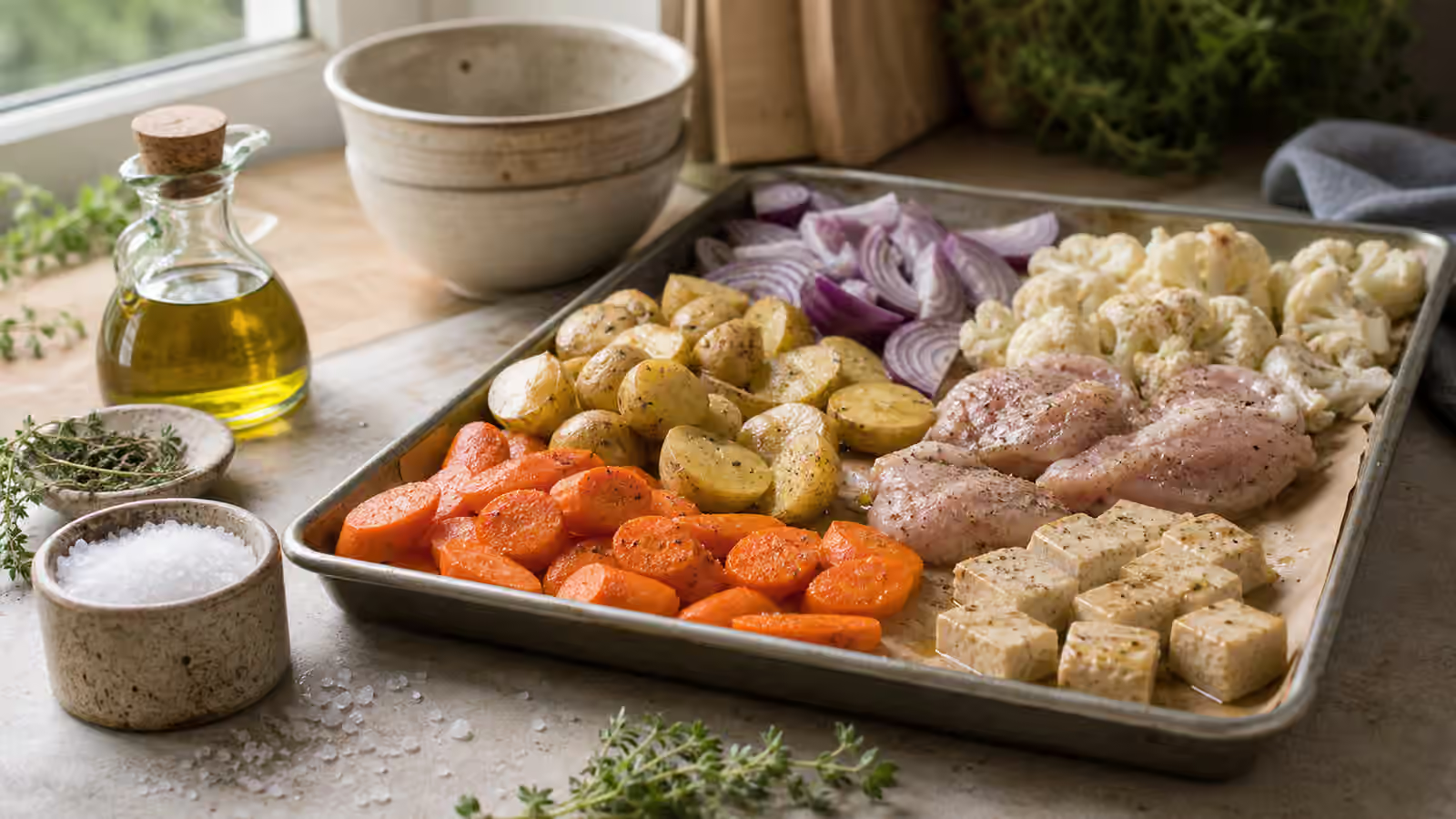
Roasted potatoes ask salt to do two jobs. Early salt seasons the cut surfaces and joins the oil, starch, and heat as the potato browns. Late salt sharpens the crust after moisture has left and the texture is set. Either step can be overdone, but skipping one usually shows.
Before roasting, salt should meet the potato when the surface is still able to receive it. Tossing cut potatoes with oil and salt gives the crystals a chance to dissolve into surface moisture and distribute. If the potatoes were parboiled first, salting the water already gave the interior a foundation. The roasting salt can then be lighter, focused on the exterior rather than trying to repair the whole piece.
After roasting, taste before scattering more. A crisp wedge can seem underseasoned when it is too hot to taste clearly, then become more balanced as it cools slightly. A finishing salt can be excellent here, especially a brittle flake crushed lightly between the fingers, but the crystal should fit the potato. A hard, oversized grain can feel like grit. A fine salt can disappear cleanly. Measuring Salt helps explain why the same spoonful changes so much when the crystal changes.
Mashed Potatoes Hide Salt Until They Don’t
Mashed potatoes can absorb seasoning into a soft, rich mass, which makes them comforting and deceptive. A spoonful from the pot may taste mild, then the potatoes seem salty once they sit beside gravy, roasted meat, cheese, or salted butter. The dish does not exist alone, so the final salt decision should consider the plate.
Start with the potatoes themselves. If they were boiled in salted water, the mash has a quiet base. If they were boiled in plain water, salt has to be worked in later with the dairy and fat. That can still be good, but it takes more careful mixing and tasting. Salt added to hot potatoes dissolves and moves more easily than salt sprinkled over a finished mound at the table.
Dairy changes the perception. Butter adds richness and often some salt. Milk or cream can dilute. Sour cream, buttermilk, or creme fraiche add acidity as well as dairy flavor. Cheese brings its own salinity. This is where Salt, Acid, and Fat becomes practical. A mash that tastes heavy may not need more salt. It may need a little acid, a less timid amount of pepper, or a better balance between potato and fat.
Texture matters too. A fluffy mash seems to carry salt differently from a dense puree. A rustic smash with skins and olive oil can tolerate little bursts of finishing salt. A smooth puree wants dissolved seasoning because crunchy salt interrupts the texture. The right salt is not the fanciest salt. It is the salt that arrives in the form the potato can use.
Baked Potatoes Need Interior Seasoning
A baked potato is often treated as a toppings platform, but the potato flesh still needs its own seasoning. If the skin is salted and the inside is not, the first impression may be savory while the center tastes plain. Once the potato is split, steam leaves quickly, butter melts, and salt has only a short time to dissolve into the hot flesh.
The best habit is to season the open potato in stages. Split it, fluff the interior, add a modest amount of salt while the flesh is hot, then add butter, olive oil, yogurt, sour cream, herbs, cheese, or whatever else belongs. Taste again if possible. This keeps the salt from living only on the topping.
Skin salt is a separate pleasure. Oil and salt on the outside can make the skin more appealing, especially when it is crisp enough to eat. That exterior salt should not be expected to season the whole potato. It is a crust decision, not an interior decision.
Fried Potatoes Need the Hot Window
Fried potatoes, chips, and fries teach the value of timing. Salt sticks best when the surface is hot and lightly oily. Wait too long and the crystals bounce off. Use crystals that are too large and they land unevenly. Grind the salt too fine and it can vanish into intensity before the potato has a chance to taste rounded.
Salting Fried Foods follows this more broadly, but potatoes are the classic test because they can be seasoned early, late, or both. A fry made from an underseasoned potato can taste loud on the surface and quiet inside. A potato that was blanched or cooked with some salt before frying may need only a precise final pinch.
Vinegar, herbs, chili, garlic, cheese, and sauces can make the salt decision less obvious. A plate of fries with salty cheese or a briny dip needs less added salt than plain fries. A roasted potato with lemon and herbs may taste brighter without extra salinity. Potatoes are humble, but they are rarely alone. The final pinch should listen to the company they keep.
The potato lesson is durable because it is ordinary. Salt the cooking water when the potato needs seasoning inside. Salt before dry heat when the surface can still receive it. Salt after heat when crunch, sparkle, and final balance matter. Once those moments become separate in your mind, potatoes stop being bland food rescued by toppings and become one of the clearest ways to practice seasoning.