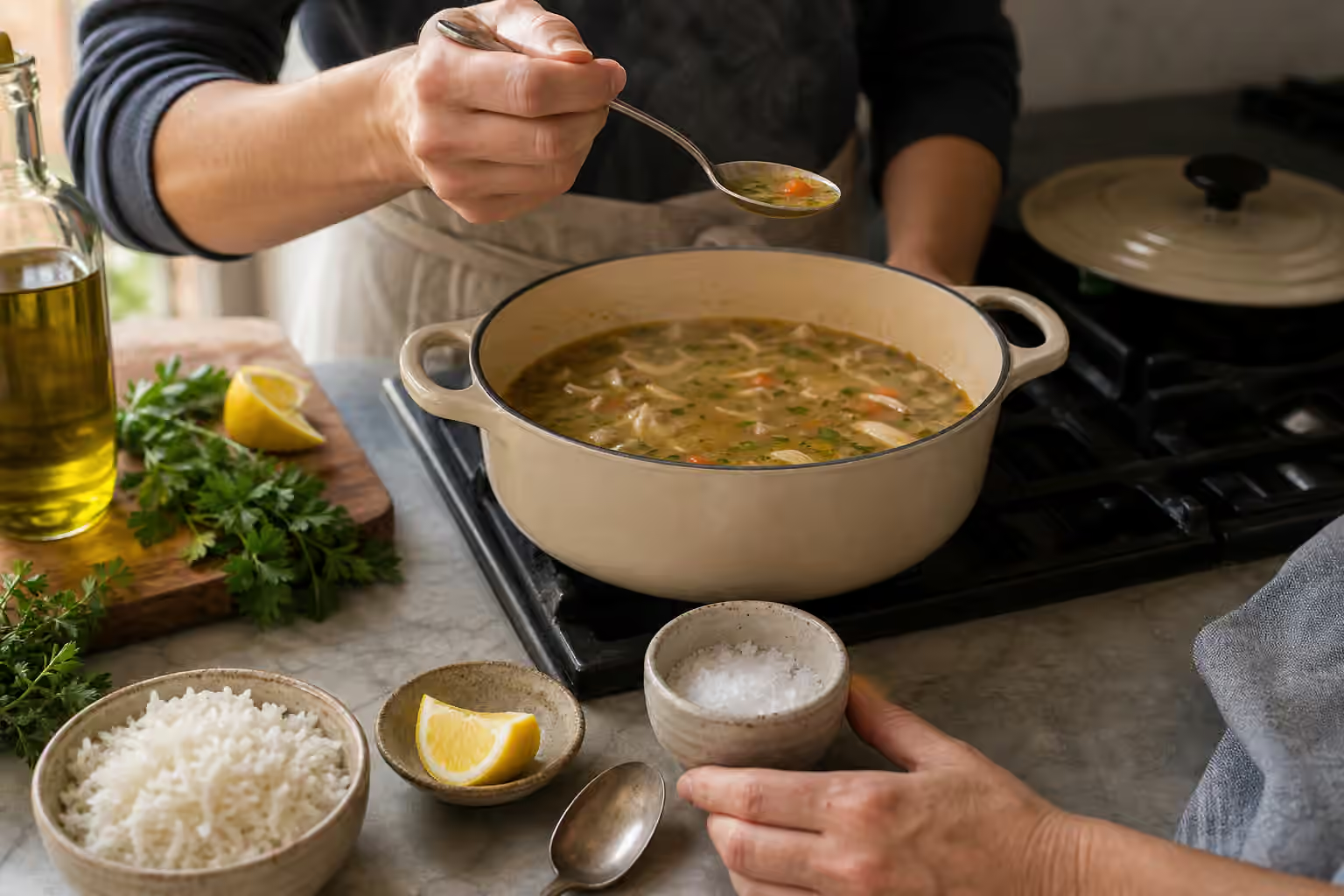
Onions, garlic, leeks, shallots, scallions, and chives are often treated as the beginning of a recipe rather than as ingredients that need seasoning judgment of their own. They are chopped, pushed into oil, stirred until the kitchen smells good, and then asked to hold up a soup, sauce, stew, roast, omelet, or grain bowl. When they taste right, the whole dish has a steadier foundation. When they are flat, harsh, scorched, watery, or strangely sweet, every later adjustment feels more difficult.
Salt is one of the main tools that decides which version you get. It can help sliced onions release water and soften into a base. It can make leeks taste sweeter without turning them sugary. It can keep garlic from tasting raw and separate in a sauce. It can also slow browning, draw out too much moisture in a crowded pan, or make a reduced sauce feel heavy if salty pantry ingredients arrive later. Alliums make salt practical because they reveal the difference between seasoning early, correcting late, and listening to the pan.
This guide belongs beside When to Salt because alliums change so visibly as salt enters the cooking. It also connects to Salting Vegetables , but alliums deserve their own attention because they are less often the finished vegetable and more often the hidden structure of the dish.
Salt Helps Alliums Sweat
The word sweat sounds gentle, and in cooking it should be. Sweating onions or leeks means cooking them with enough fat, heat, and salt to soften without serious browning. The pieces lose water, collapse, and become translucent. Their sharpness relaxes. Their sweetness becomes easier to taste. Salt helps because it draws moisture toward the surface and dissolves into that moisture, giving the alliums a seasoned base before the rest of the dish arrives.
This is useful when you are building soup, risotto, braised beans, tomato sauce, stuffing, frittata, rice pilaf, or anything else where the onion should disappear into the background. A modest early pinch gives the onion something to become. Without it, the onion may soften but still taste separate, as if sweetness and sharpness are floating above the rest of the pot. Add salt only at the end, and the surface may taste seasoned while the base remains bland.
The key word is modest. A pot of onions that will receive broth, cheese, cured meat, soy sauce, miso, olives, capers, or salted butter does not need to be pushed to final seasoning in the first five minutes. Salty Pantry Ingredients is a useful companion here because many recipes begin with alliums and then gather salt from ingredients that do not look like crystals. Early salt should wake the base, not trap the cook.
Browning Needs a Different Clock
The same early salt that helps onions sweat can slow browning if the pan is crowded or the heat is low. Water has to leave before deep browning can happen. If salt draws out moisture while a mound of onions sits in a narrow pan, the onions may steam for a long time before they color. That is not always wrong. Slowly softened onions can be beautiful. It is only wrong when the recipe wanted browned edges, savory depth, or the dark sweetness of caramelized onions and the cook expected color to appear quickly.
For browning, heat and space matter before salt quantity. A wide pan lets released water evaporate. A patient cook lets the onions sit long enough for contact points to darken. Salt can still enter early, but it should be small enough that the onions do not flood the pan. If the onions begin releasing a lot of water, keep cooking until the sound changes from wet simmering back toward frying. That sound tells you the pan is ready to build flavor again.
Caramelized onions show the balance clearly. They need salt, but they also need time. A pinch early helps water move and seasons the mass as it shrinks. Too much early salt can make the final onions taste stronger than expected because a large pile becomes a small pile. The amount that seemed harmless in raw volume becomes concentrated after half an hour or more. Taste near the end, after the onions have given up most of their water and their sweetness has deepened.
Garlic Needs Restraint and Timing
Garlic is smaller, drier on the surface, and easier to burn than onion. Salt can help crushed or minced garlic break down, especially when it is worked into a paste, but garlic in a hot pan needs gentler timing. Add salted garlic too early to very hot fat, and it can brown before the onion is ready. Burned garlic tastes bitter in a way that more salt cannot repair.
In many cooked bases, the safer rhythm is onion or leek first, then garlic later. Salt the onion lightly as it softens. Let the pan become moist and fragrant. Add garlic once there is enough softened vegetable, fat, or liquid to cushion it. The garlic will still season into the base, but it is less likely to scorch. If the garlic is going into tomato sauce, beans, soup, or braising liquid, it does not need a dramatic sear. It needs enough heat to lose raw harshness and enough salt around it to taste integrated.
Garlic paste is a different case. When chopped garlic is sprinkled with salt and dragged under the side of a knife, the crystals help abrade the cloves and draw out moisture. The result spreads more evenly into dressings, yogurt sauces, mayonnaise, compound butter, and marinades. This is not a place for a decorative finishing salt. A practical fine or medium salt works better because it dissolves and does physical work. Once the paste is made, treat its salt as part of the recipe. Do not forget it when seasoning the final sauce.
Leeks and Scallions Are Not Just Mild Onions
Leeks hold grit, water, sweetness, and tenderness in layers. They often reward early salt because they are usually cooked until soft rather than aggressively browned. A salted leek base for soup or grains can taste round and gentle. But leeks can also become watery if they are piled high and covered too soon. Clean them well, drain them well, and give them enough pan surface that their moisture can become part of the cooking rather than a puddle that dilutes everything.
Scallions behave in pieces. The white and pale green parts can take heat and salt like small alliums. They soften quickly and can season oil, eggs, rice, noodles, or a quick sauce. The dark green tops are fresher, grassier, and more fragile. They often make more sense as a late addition, where salt is judged by the finished dish rather than by a long cooking process. If scallion greens are tossed with flaky salt too early, they can wilt and turn wet before they reach the plate.
Shallots sit between onion and garlic. Sliced shallots can brown, soften, or crisp depending on cut and heat. Minced shallots in vinaigrette need enough salt to lose their raw bite, but not so much that the dressing becomes sharp and briny before it touches the salad. Salting Sauces and Dressings follows that liquid side more closely. The important allium habit is to taste after the shallot has sat in acid, oil, and salt for a few minutes. It will not taste the same at the first stir.
Acid, Fat, and Sweetness Change the Answer
Alliums are full of natural sweetness, but salt decides whether that sweetness feels clear or cloying. Fat carries their aroma. Acid brightens them. Browning gives them bitterness and depth. More salt is not always the right answer when an onion base tastes dull. It may need more time, more heat, a splash of vinegar, a squeeze of lemon, a little butter, or a fresh herb. That is the same balance described in Salt, Acid, and Fat , and alliums are one of the easiest places to practice it because they change in front of you.
Think about tomato sauce. Onions softened with a small amount of salt taste sweet and savory before the tomatoes enter. Tomatoes bring acid and water. The sauce reduces, so salt concentration rises. Cheese, olives, anchovies, or sausage may arrive later. If the onion base was salted heavily at the start, the sauce can run out of room. If the onion base was not salted at all, the sauce may taste thin even after the tomatoes cook down. The middle path is deliberate: enough salt to season the base, enough restraint to let the sauce finish honestly.
The same logic applies to onions cooked for eggs, rice, lentils, roasted vegetables, or grilled food. Early salt helps them join the dish. Late salt sharpens the surface. Finishing salt should be used only when texture helps. Flaky salt on a tart, a sandwich, or a plate of grilled scallions can be lovely. Flaky salt stirred into a pot of sweating onions wastes the thing that made it special.
Let the Base Taste Like Food
A useful test is to taste the allium base before the main ingredient arrives. The onions or leeks should not taste finished in the sense of being ready to serve by themselves, but they should taste like food. They should have sweetness, savoriness, and direction. If they taste raw, keep cooking. If they taste sweet but hollow, add a little salt and give it time to dissolve. If they taste salty but still dull, look for heat, fat, or acid before adding another pinch.
Once you learn that moment, recipes become easier to read. A soup begins with seasoned softness. A sauce begins with a base that is awake. A pan of mushrooms, beans, tomatoes, or greens does not have to carry the entire seasoning burden alone. The alliums have already done some of the quiet work.
Good allium seasoning rarely announces itself. Nobody says the onion was salted perfectly. They notice that the soup tastes deeper, the sauce feels more complete, the garlic is present without being harsh, and the leeks seem sweet without being sugary. Salt did not make the base loud. It gave the beginning of the dish enough structure that the rest could stand on it.