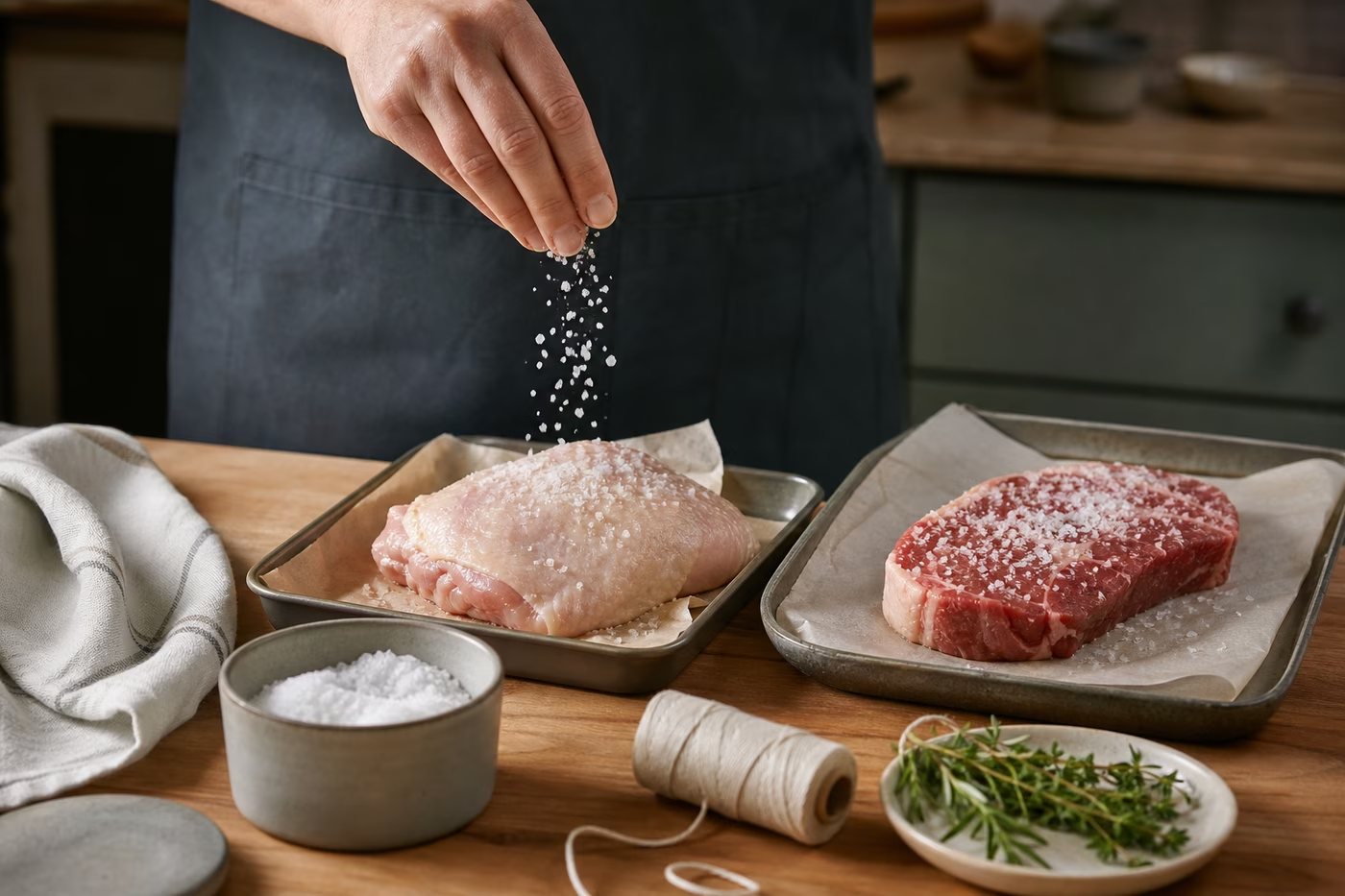
Meat makes salt visible in a way a pot of soup cannot. Sprinkle salt on a steak or a chicken thigh and the surface changes almost at once. Crystals darken as they dissolve. Moisture beads, then spreads. A piece that looked dry a minute ago begins to shine. Given more time, that shine can disappear again as salt and moisture move into the food and the surface becomes ready for heat.
That small sequence explains why salting meat is not only a matter of taste. It changes timing, browning, texture, and the way a finished bite feels seasoned. A roast salted only at the table can have a lively surface and a quiet interior. A chop salted early enough can taste more complete. A chicken skin salted with enough patience can dry on the surface and brown more confidently. The amount still matters, but timing decides what the amount is allowed to do.
When to Salt gives the broader timing map. Meat and poultry deserve their own attention because they carry enough structure, protein, fat, and surface moisture to make salt’s behavior especially clear. The goal is not to make every piece taste cured or restaurant-heavy. The goal is to give salt time to become seasoning instead of decoration.
Dry Brining Is Just Early Salting With Patience
The phrase dry brine can sound more technical than the practice feels. In ordinary kitchen terms, it means salting the meat ahead of cooking and letting time do part of the work. There is no bucket of liquid. The salt meets moisture already present on the surface, dissolves into a concentrated little brine, and gradually moves inward. As the surface dries again, the meat becomes better prepared for browning.
This is different from a wet brine, where meat sits in salted water. Wet brines can be useful in some recipes, but they also add water, require space, and can soften texture in ways not every cook wants. Dry brining is quieter. It asks for salt, air, and time. A steak can benefit from a shorter rest. A whole chicken or larger roast can benefit from a longer one. The larger and denser the piece, the more patience matters.
The important lesson is that dry brining is not a last-minute flourish. If the salt is still sitting in visible dry crystals when the food goes into the pan, it has not had much time to do the deeper work. If the surface is wet from newly dissolved salt, browning may be delayed until that moisture cooks off. If the salt was given enough time to dissolve, move, and leave the surface drier, heat has a cleaner job.
Browning Wants a Dry Surface
Good browning depends on heat meeting a relatively dry surface. Meat that goes into a pan slick with water has to steam before it can brown. Salt complicates this because it first pulls moisture outward. That stage is useful, but it can be awkward if cooking begins at the wettest moment.
This is why people get conflicting results from salting right before searing. If the meat is salted and cooked immediately, the crystals may not have time to draw much water out, so the pan can still brown well. If it sits briefly after salting, moisture may collect on the surface and slow the crust. If it sits much longer in the refrigerator, uncovered or loosely covered as the recipe allows, the surface can dry again and brown more readily.
The practical answer is not one rigid clock. Thin cutlets, thick steaks, chicken pieces, and roasts do not behave alike. The better habit is to notice the surface. Is the salt dry and loose? Is the meat glossy and wet? Has the surface become tacky and dry again? Those observations tell you more than a slogan. Salt changes the surface before it improves the crust.
For cooks learning this rhythm, steak is a good teacher because the stages are easy to see. Salt one steak and cook it immediately. Salt another early enough that the surface dries again before cooking. The difference in browning and interior seasoning will be more useful than memorizing a rule.
Poultry Needs Surface and Skin Thinking
Chicken and turkey add another question: skin. Salt can help skin taste better, but the skin also needs drying if crispness is the goal. A skin-on chicken thigh salted only moments before roasting may taste fine, but it often has to spend oven time shedding surface moisture. A bird salted earlier has a better chance to season the meat and let the skin dry.
This does not mean every chicken must be fussed over for a day. Weeknight pieces can still be salted before they go into the oven or pan. The point is to understand what you are asking from the salt. If you want seasoning through thicker meat and a more confident skin, time helps. If dinner is urgent, salt now, cook well, and use the lesson next time rather than pretending the process is the same.
Skinless poultry has a different problem. It lacks the protective fat and crisp surface that make skin-on pieces forgiving. Salt can still improve flavor, but aggressive salting or long exposure may make small pieces feel firmer than expected. Cut size matters. A whole breast, a thigh, and thin strips for a quick saute do not need the same treatment. The thinner the piece, the more quickly salt can dominate the surface impression.
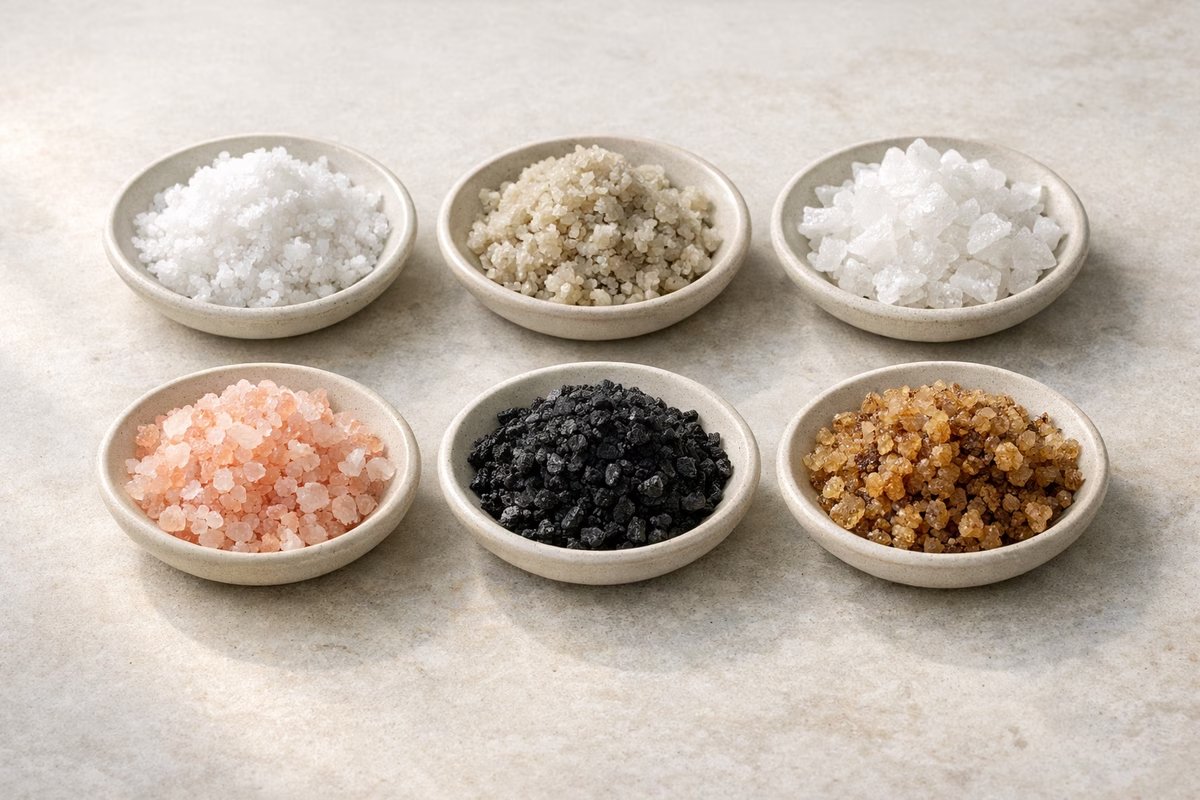
Poultry also benefits from restraint with specialty salts. A practical cooking salt is usually the right tool before heat. Save Flake Salt or a delicate finishing salt for a sliced roast, crisp skin at the table, or vegetables served alongside the bird. Expensive crystals do not become more expressive by dissolving into raw chicken hours ahead of cooking.
Meat Thickness Changes the Answer
A thin pork chop and a rib roast are not the same salting problem. Thin cuts have little distance for salt to travel, so they can become seasoned quickly and can also taste overly salty quickly if handled casually. Thick steaks, large chops, lamb legs, pork shoulders, and whole birds need more time for the seasoning to feel integrated. The salt has more interior to reach and more surface to manage.
This is why measuring can matter more with meat than with a tomato salad. A pinch scattered over sliced tomatoes can be tasted and adjusted after a short rest. A roast may not reveal its seasoning fully until it is cooked and carved. If you cook meat often, Measuring Salt is worth reading because spoonfuls and pinches change dramatically with crystal size. A loose flaky salt, a dense fine salt, and a coarse sea salt do not deliver the same amount by volume.
Weight is useful for large pieces and repeat recipes. It does not make cooking joyless. It gives you a reference point. If a roast tasted underseasoned once and perfect the next time, knowing roughly how much salt made the difference helps you repeat the success. For everyday pieces, a familiar cooking salt and a consistent hand may be enough. The key is not absolute precision in every kitchen moment. The key is not changing salt styles blindly and expecting the same gesture to behave the same way.
Ground Meat Is Its Own Case
Ground meat responds to salt differently because the structure has already been broken up. When salt is mixed into ground meat and worked, it can make proteins bind and the texture become springier or tighter. That is useful for sausages, meatballs, dumpling fillings, and some kebabs. It may be less welcome in a tender burger where a loose texture is part of the pleasure.
For burgers, many cooks prefer salting the exterior close to cooking rather than thoroughly mixing salt deep into the meat long before shaping. For meatballs, meatloaf, or sausage-style mixtures, salt mixed through the meat can help the mixture hold together and taste seasoned throughout. Neither method is morally better. They serve different textures.
This is a good example of why salt is not merely flavor powder. It changes physical behavior. The same ingredient that helps a sausage bind can make a burger feel more compact than intended. The cook’s job is to decide what texture the dish wants before salting as if all meat were the same.
Finishing Salt Belongs After the Foundation
A sliced steak with a few flakes of salt can be wonderful. So can roast chicken with crisp skin and a small final pinch. Finishing salt works because the surface crystal reaches the tongue first, giving a bright snap before the meat’s juices, fat, and browned flavors unfold. That final touch can make a good piece of meat feel vivid.
But finishing salt cannot repair a bland interior without becoming loud. If the meat underneath was never seasoned, the final flakes have to carry too much responsibility. The first bite may taste salty, then the middle goes quiet. Better cooking separates the jobs. Use practical salt early enough for the meat to season. Use finishing salt only where texture and first contact matter.
Salt Quickstart frames this as cooking with practical salt and finishing with expressive salt. Meat proves the point cleanly. A handsome flake on a steak is at its best when the steak already tastes complete.
The Preservation Shadow
Because salt has such a long history with cured meats and preserved fish, salting meat can feel heavier than it needs to. Everyday dry brining is related to that old logic, but it is not the same as preservation. Salt and Preservation follows the larger story of curing, brines, drying, and fermentation. A weeknight chicken thigh salted before roasting is using the same mineral for a gentler purpose: seasoning, moisture behavior, and surface texture.
Keeping that distinction clear helps the cook stay calm. You are not trying to turn dinner into charcuterie. You are giving salt time to dissolve, move, and prepare the surface for heat. That is enough.
The best sign that salting meat is working is not that the food tastes obviously salty. It is that the browned surface, the interior juices, and the final bite seem to belong together. The crust has flavor, the center is not blank, and a finishing pinch, if you use one, feels like emphasis rather than rescue. Salt did not make the meat more complicated. It made the timing more honest.