Fruit can make salt feel surprising because the food is already sweet, juicy, fragrant, and complete. A ripe peach does not seem to need help. A cold slice of watermelon does not ask for complexity. Then a few grains of salt land, the sweetness sharpens, the water tastes more like juice, and the fruit seems to step closer. The salt did not make the fruit savory. It made the fruit easier to notice.
This works best when the hand stays light. Fruit has little hiding place for a heavy pinch. Too much salt turns melon flat, citrus harsh, berries strange, and mango briny. The useful amount is often smaller than what you would put on a tomato. Salt on fruit is less about correcting blandness than framing ripeness, acid, aroma, and water.
The lesson sits close to Salt, Acid, and Fat because fruit often brings sweetness and acid at the same time. It also connects to Salt in Drinks because citrus, melon, coffee, and fruit syrups reveal how tiny salt additions can change perception without announcing themselves as salt.
Sweetness Needs a Boundary
Sweet fruit can taste generous and still feel unfocused. Watermelon may be cold and refreshing but watery. Pineapple may be fragrant but sharp. Mango may be lush but heavy. Strawberries may be sweet at first and thin at the finish. Salt gives sweetness a boundary. It does not remove sugar. It changes how sweetness lands.
That boundary is why salted caramel makes sense, why chocolate often needs salt, and why a pinch can make a fruit salad taste less like a bowl of separate pieces. Salt in Baking and Sweets explains the same idea in doughs, butter, caramel, and chocolate. Fruit gives the cook a fresher version of the lesson. The salt is not there to make dessert taste salty. It is there to keep sweetness from becoming vague.
The amount should be small enough that the fruit still leads. If someone tastes the bowl and says the watermelon is good, the salt probably worked. If they say the watermelon is salty, the salt has become the subject. Sometimes that is intentional, as with certain chile-salt fruit snacks, but even then the best versions let the fruit remain vivid.
Crystal size matters. A fine salt disappears quickly and can spread more evenly, but it is easy to overdo. A delicate flake gives a visible, brief crunch and may feel more controlled because it lands in scattered points. A coarse salt can be pleasant on juicy fruit if lightly crushed, but large hard crystals can feel clumsy. Flake Salt is useful here because fruit benefits from texture that arrives and disappears before the bite turns mineral.
Melon Is the Clearest Teacher
Watermelon is the classic fruit for salt because it contains so much water. A plain slice can taste cold and sweet, then fade quickly. A few grains of salt make the juice seem more saturated. The melon tastes more like itself, not because salt adds melon flavor, but because it helps the sweetness and water register together.
Cantaloupe and honeydew need more judgment. A deeply ripe melon may need almost nothing. A slightly bland melon can improve with salt and lime. A musky melon can become unpleasant if salt exaggerates the wrong notes. Taste first. Salt is not a rescue for underripe fruit, and it cannot supply aroma that was never there. It can only clarify what the fruit already has.
Melon also shows why timing matters. Salted fruit begins releasing juice. That juice can be delicious if the fruit is served soon, especially with lime, mint, chili, yogurt, or a little olive oil. If the fruit sits too long, it can become slack and watery. This is similar to the water lesson in Salting Vegetables , but fruit is often more delicate. Salt near serving unless you want the juice to become part of a dressing or drink.
A small bowl of salted melon can teach the whole idea. Taste one piece plain. Taste one piece with a few grains. Taste one with salt and lime. The change is immediate, and the limit is just as clear. The second the salt distracts from the melon, stop.
Citrus and Tropical Fruit Like Contrast
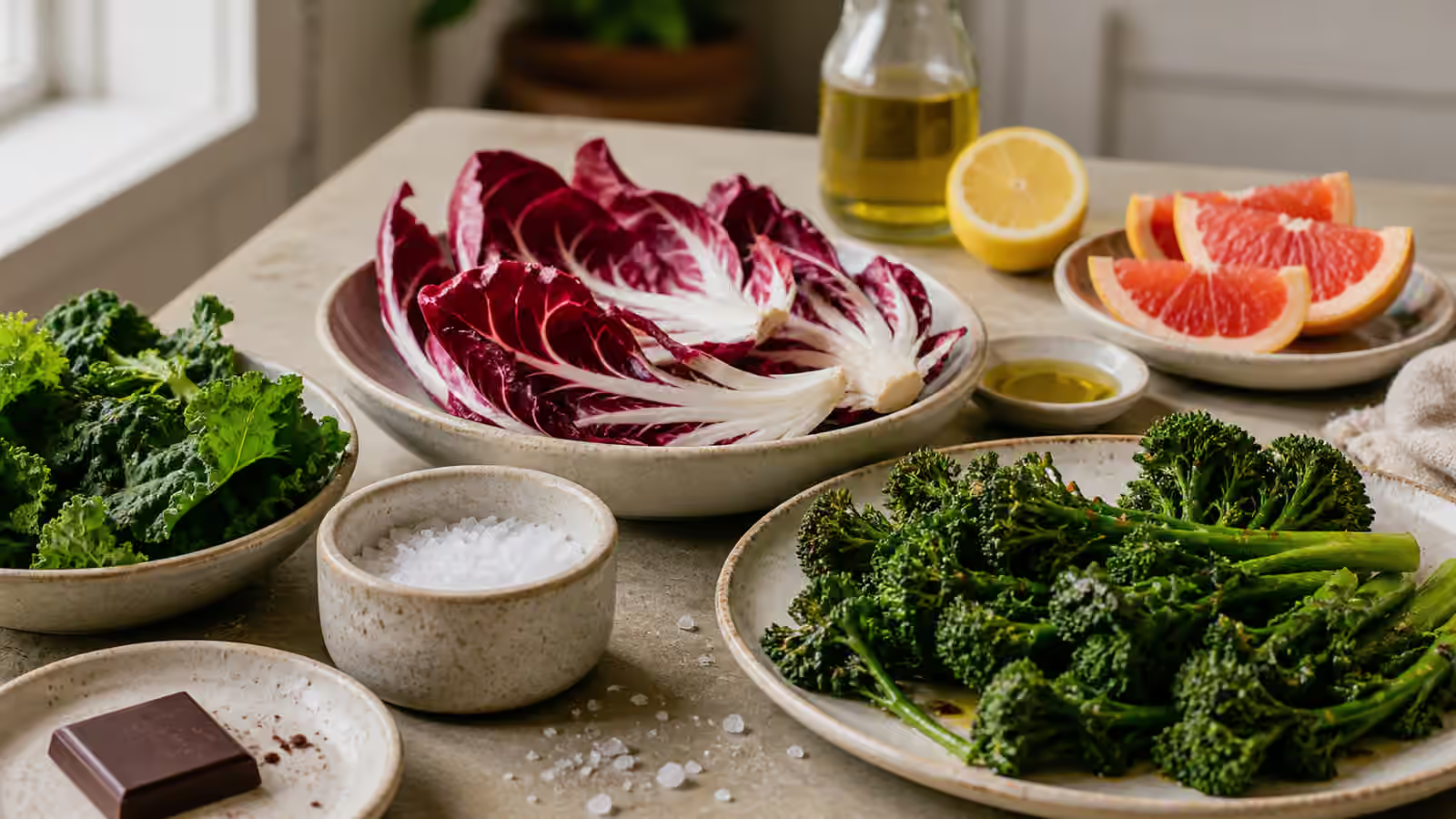
Citrus already has acid, bitterness, aroma, and sweetness, which makes it responsive to salt. Grapefruit can seem rounder with a tiny pinch. Orange can taste more vivid when salt keeps the sweetness from feeling soft. Lime and salt are so familiar together that they almost feel inseparable in some foods and drinks. The danger is metallic bitterness. Too much salt on grapefruit or lime can make the peel-like edge louder than the juice.
Pineapple and mango are more forgiving because they bring richer sweetness. Salt can make pineapple taste less sharp and more complete, especially with lime or chili. Mango can handle salt well when the fruit is ripe enough to have fragrance and body. Green or tart mango belongs to a different savory tradition, where salt, chili, acid, and sometimes sugar work together more openly. Ripe mango needs a lighter hand if the goal is to preserve its perfume.
Papaya, guava, and other tropical fruits vary widely. Some benefit from lime and salt because their sweetness can feel musky or broad. Others are better left alone. The cook should not turn salting fruit into a reflex. The point is to taste the specific fruit, then decide whether salt will sharpen, balance, or interrupt it.
Chile-salt mixtures belong naturally with many tropical fruits, but they are not just salt. They bring heat, acidity if dried lime or citric notes are present, and sometimes sugar. Use them as seasoning blends rather than as a neutral salt substitute. A fruit that would welcome lime and chili may welcome that mixture. A delicate berry may not.
Stone Fruit, Berries, and Apples Ask for More Restraint
Peaches, nectarines, plums, apricots, and cherries can be beautiful with a few grains of salt, but they are less watery than melon and often more aromatic. The salt should not flatten the perfume. A ripe peach with a little flaky salt and olive oil can taste lush and savory without losing its identity. A plum with salt and a drop of vinegar can become brighter. Apricots can handle salt when their acidity is strong enough to answer it.
Berries are more fragile. Strawberries can work with a tiny amount of salt, especially when they are going into a dessert with cream, chocolate, or pastry. Blueberries and raspberries need caution because their skins, seeds, and acidity can make salt feel abrupt. In many berry dishes, salt belongs in the supporting ingredient rather than directly on the fruit: in whipped cream, shortcake dough, crumble topping, chocolate sauce, or a syrup.
Apples and pears sit between fruit and snack. Salt can help them when there is fat nearby, such as nut butter, cheese, yogurt, or caramel. A plain apple slice with salt can be pleasant, but the effect is sharper than with melon. Pears can turn oddly savory if pushed too far. When fruit has a crisp structure and gentle aroma, salt should often arrive through the companion food.
This is one of the better ways to understand pairing. Salt does not have to touch the fruit directly to season the bite. A salted cheese with pear, salted butter with apple tart, or salted nuts with berries can create the same balance more gracefully.
Fruit Salad Should Be Seasoned Like a Dish
Fruit salad is often treated as cut fruit in a bowl, which is why so many versions taste watery after ten minutes. Salt can help, but only if the bowl is treated like a dish with juice, acid, sweetness, herbs, and texture. A tiny amount of salt can make the fruit juices taste more connected. Lime or lemon can add lift. Mint, basil, chili, ginger, yogurt, or olive oil can give direction. The salt should support the dressing that forms at the bottom, not sit harshly on the surface.
The timing depends on the fruit. Melon, citrus, pineapple, and mango can handle a short rest. Berries may collapse. Bananas can become unpleasant. Apples may brown unless acid is present. A good fruit salad is not one salting rule applied to everything. It is a bowl assembled with attention to which fruits release water, which hold shape, and which flavors need help meeting each other.
Taste the juice at the bottom of the bowl. If it tastes like thin sugar water, a tiny pinch of salt and a little acid may help. If it tastes bright and complete, leave it alone. If it already tastes salty, add more unsalted fruit or a creamy companion rather than trying to hide the problem with more sweetness.
Let Fruit Stay Fruit
Salt on fruit is most satisfying when it makes the fruit seem more itself. The melon is colder and sweeter. The grapefruit is rounder. The mango is fuller. The peach feels lush instead of merely soft. That is the goal. Salt should not make every fruit taste like a snack mix or a cocktail rim.
Use plain salt when you want clarity. Use flake salt when you want a visible finishing texture. Use chile-salt when heat and acid belong in the bite. Use salted dairy, nuts, cheese, or pastry when direct salt would be too blunt. Taste before salting, then taste after the smallest possible addition.
Fruit gives quick feedback. It tells you when salt has focused it and when salt has taken over. That honesty is useful. It trains the same restraint that improves drinks, desserts, vegetables, and finishing salt at the table. A good pinch disappears into the pleasure of the fruit. A bad one asks to be noticed. The better cook learns to stop before the second thing happens.