Fish teaches a different kind of restraint than steak or chicken. A piece of beef can tolerate a confident salting hours before it reaches the pan. A whole chicken can benefit from a long dry brine and a night of surface drying. Fish is more delicate. Its flesh is looser, its flavor is often cleaner, and the difference between seasoned and heavy-handed can arrive quickly.
That does not mean seafood wants timid cooking. Underseasoned fish tastes disappointingly blank, especially at the center of a thick fillet. Shrimp can taste sweet but flat if salt never reaches them before heat tightens the flesh. Scallops can brown beautifully on the outside and still feel dull if the cook treats salt only as a table gesture. The trick is to give salt enough time to help without asking delicate seafood to behave like a roast.
Salting Meat and Poultry explains the larger dry-brining logic: salt dissolves, meets surface moisture, and gradually becomes seasoning instead of decoration. Fish follows the same broad chemistry, but on a faster clock. A small fillet is not a pork shoulder. A scallop is not a chicken thigh. Seafood rewards attention to minutes, surface condition, and the amount of water already present.
Fish Needs Time, But Not Too Much
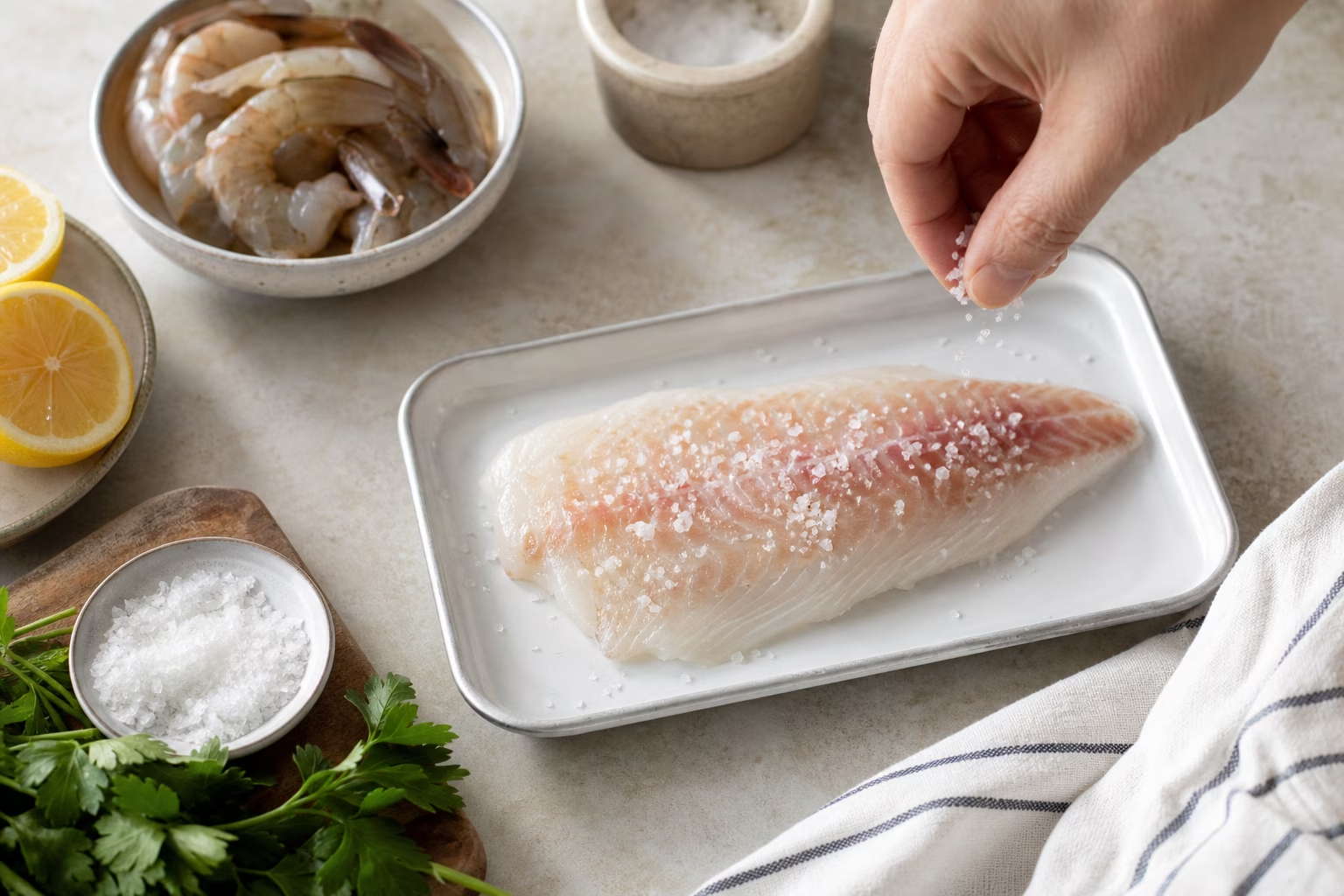
Fresh fish can benefit from a short rest with salt before cooking. The rest gives crystals time to dissolve and season the surface more evenly. It also draws a little moisture outward, which can help the cook notice what the surface is doing before heat enters the picture. A fillet salted and cooked immediately may have dry crystals sitting on top. A fillet salted briefly and then patted dry can enter the pan more evenly seasoned and better prepared to brown.
The useful word is briefly. Thin fillets, small pieces, and tender white fish do not need the long patience that suits a roast. Too much time with salt can make delicate fish feel firmer than intended and can move the flavor toward cured rather than freshly cooked. That cured edge is beautiful in the right dish, but it is not the default goal for a weeknight piece of cod, snapper, trout, or sole.
Thickness matters. A thicker salmon fillet, swordfish steak, or halibut portion can handle a longer head start than a thin flounder fillet because the salt has more flesh to season and the fish itself is sturdier. Even then, the cook should think in practical kitchen intervals rather than heroic overnight treatment. Salt the fish while the pan heats, while vegetables finish, or while a sauce comes together. Let the surface change. Then dry it well enough that heat can do its work.
This is the same timing lesson that runs through When to Salt , but seafood makes it more visible because the margin is smaller. Salt early enough to dissolve. Cook before the fish begins to feel transformed into something else.
Surface Moisture Decides Browning
Fish often disappoints in the pan because the surface is wetter than it looks. Some of that moisture comes from the fish itself. Some comes from thawing. Some appears after salting, when dissolved salt pulls water toward the surface. None of this is strange, but it matters. A wet fillet steams before it browns, sticks more easily, and can shed albumin or juices in a way that makes the cook feel the pan is misbehaving.
Salt is part of the answer only if drying is part of the answer too. After a short salted rest, blot the surface with a clean towel before cooking. The goal is not to remove the seasoning. By then much of it has dissolved. The goal is to remove excess surface water so the fish can meet the pan directly. This is especially important for skin-on fish, where crisp skin depends on a dry surface and steady contact with heat.
A finishing sprinkle cannot solve a wet surface. It can make the final bite brighter, but it cannot undo steaming, sticking, or pale skin. The earlier step is quieter and less glamorous: salt, wait briefly, dry, then cook.
Quick Brines Have A Narrow Job
A quick brine is not the same thing as a marinade, and it is not a personality transplant. It is simply salted water used for a short, controlled moment. For some seafood, especially shrimp and occasionally lean fish portions, a brief brine can season more evenly than dry salt alone. The salt is already dissolved, so it reaches the surface without sitting as crystals. The water surrounds irregular shapes, which helps with shrimp, small pieces, and uneven cuts.
The danger is treating brine as a casual bath with no clock. Seafood absorbs and changes quickly. A brine that improves texture for a short time can become too assertive if the seafood lingers. After brining, the same surface rule applies: drain well, dry well, and remember that the food has already received salt before any sauce, butter, breadcrumbs, or finishing salt appear.
This is where recipe judgment matters. If a recipe gives a measured brine, follow its proportions and timing rather than guessing from a vague memory of preserved foods. Preservation has its own logic, described in Salt and Preservation , but dinner seafood is usually not trying to become salt cod. It is trying to taste clean, seasoned, and still fresh in character.
Shrimp, Scallops, And Shellfish Each Answer Differently
Shrimp are sturdy enough to benefit from salt before cooking, but they are small enough that the effect arrives fast. A short salted rest or brief brine can make them taste more complete, especially when they are headed for a hot pan, grill, or simple poach. The sweetness of shrimp becomes clearer when the seasoning is inside the bite rather than sprinkled over the finished surface.
Scallops ask for dryness even more loudly. Their surface browns only when moisture is managed. Salt them lightly, give them a short moment, then dry them carefully. If they sit wet, the pan spends its first energy boiling off water instead of building the golden crust that makes scallops feel luxurious. Once cooked, a tiny amount of finishing salt can be beautiful, but the crust and the interior need basic seasoning first.
Clams, mussels, oysters, and other shellfish complicate the question because they can bring their own sea-salty liquid to the dish. A pot of mussels with wine, garlic, butter, and their own juices may need less added salt than a fillet in a dry pan. Oysters often want restraint at the table because brine is already part of the experience. The cook has to taste the liquid, not just season by habit.
That habit of counting salty ingredients matters across seafood cooking. Capers, olives, anchovies, fish sauce, soy sauce, miso, bacon, salted butter, cured roe, seaweed, commercial broth, and seasoned breadcrumbs can all carry salt into the pan before the salt cellar appears. A seafood dish can become too salty not because the fish was seasoned, but because every supporting ingredient was speaking the same language at once.
Finishing Salt Should Match The Fish
Finishing salt works beautifully on seafood when the food underneath is already seasoned. A few brittle flakes on grilled fish, seared scallops, roasted shrimp, or fish with crisp skin can create a clean first spark. Flake Salt is good here because it crushes easily and dissolves quickly. Fleur de Sel can be lovely on delicate fish, raw preparations, tomatoes beside seafood, or buttered bread served with shellfish because it feels softer and less blunt than a hard crystal.
The mistake is using finishing salt as rescue. If the fish tastes bland inside, a dramatic surface salt can make the first bite lively and the second bite disappointing. The surface shouts while the interior stays quiet. Better seafood seasoning usually begins before heat, continues by counting salty companions, and ends with a finishing salt only if texture or a final spark is useful.
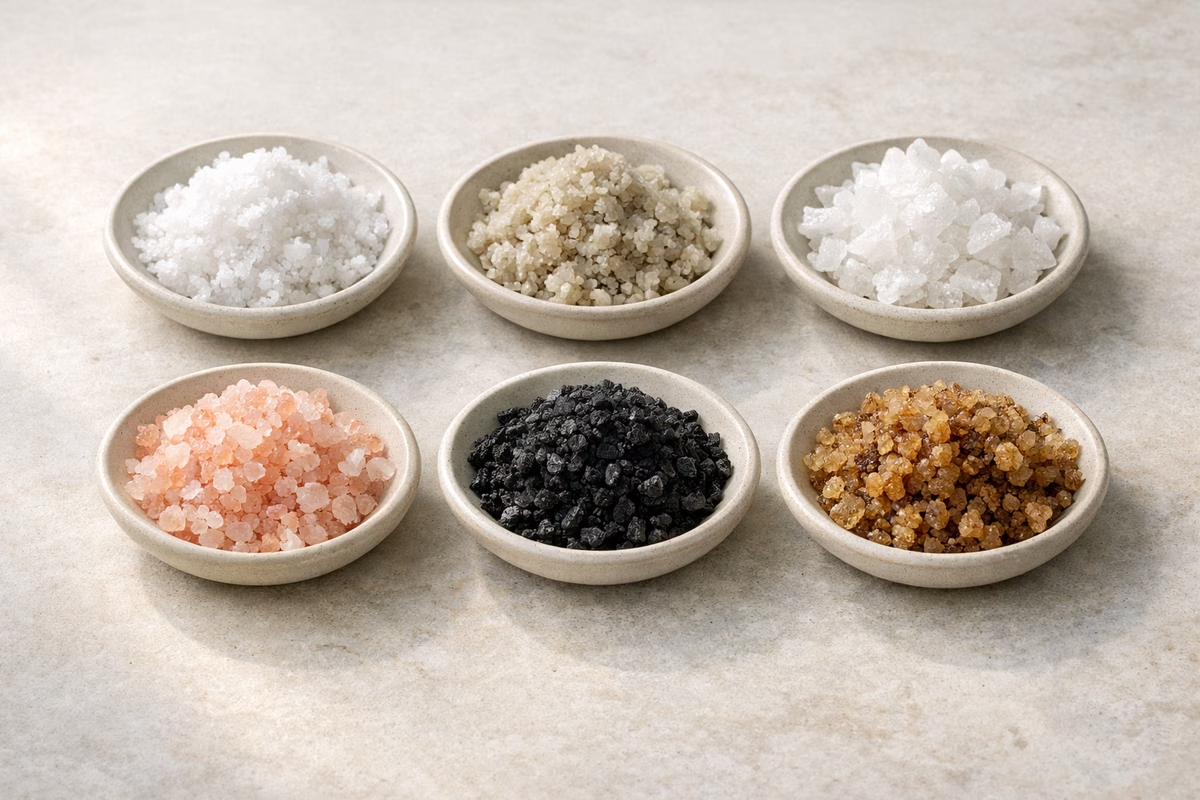
Dense crystals deserve caution. A hard mined salt or coarse sea salt can feel aggressive on a tender fillet if it does not dissolve in time. That same salt might be perfectly fine in cooking water, a brine, or a sauce where it has time to disappear. Texture is not automatically good. Texture has to fit the food.
Acid And Salt Need Each Other
Seafood often meets lemon, vinegar, wine, tomatoes, yogurt, or bright herbs because acid flatters clean protein and sweet shellfish. Salt and acid can seem interchangeable when a dish tastes flat, but they fix different problems. Salt clarifies flavor and makes the fish taste more like itself. Acid lifts, sharpens, and cuts through butter or oil. If a fish dish tastes dull after it has enough salt, more salt may only make it heavier. A squeeze of lemon may be the cleaner answer.
The reverse is also true. Acid without enough salt can make seafood taste sharp but thin. A lemony fish sauce can feel bright and still unfinished if the fish itself was never seasoned. The best plates usually carry both: quiet salt in the seafood, enough salt counted in the sauce, and acid added with judgment near the end.
This is why tasting matters more than rules. Taste the sauce by itself, then taste it with the fish. Taste the pan juices before adding capers. Taste a shrimp before finishing the whole platter. Seafood changes quickly, and the final adjustment should answer the food in front of you.
The Seafood Rule Is A Smaller Clock
Salting seafood well is not about memorizing a special trick. It is about shrinking the timing window. Fish and shellfish need the same respect for dissolution, moisture, and finishing that other foods need, but the process is faster and less forgiving. Give salt enough time to become seasoning. Dry the surface before browning. Count the salty ingredients already in the dish. Finish with flakes or fleur de sel only when their texture will be noticed.
When that sequence works, seafood tastes calmer and more precise. The fish is seasoned but not cured. Shrimp taste sweet instead of plain. Scallops brown instead of steam. Shellfish broth tastes like the sea without becoming harsh. Salt has done its job best when it makes the seafood seem clearer, not saltier.