Eggs make salt visible because they give the cook so little room to hide. A stew can absorb a late correction. A roast can be carved with a sauce. A pot of beans can rest in its broth and settle into itself. Eggs move faster. The white sets, the yolk thickens, the scramble goes from glossy to firm, and the difference between seasoned and merely salted can happen in the time it takes to warm a plate.
That speed is why eggs deserve their own salt conversation. They are mild enough that blandness shows immediately, rich enough that salt has something to sharpen, and delicate enough that a dramatic finishing pinch can become coarse if the foundation underneath is missing. A soft scramble should not need a crunchy rescue on top. A fried egg should not taste like plain white under a salty yolk. An omelet with cheese, herbs, and vegetables should feel integrated instead of assembled from separate salty pieces.
When to Salt separates seasoning from finishing. Eggs are one of the clearest everyday examples of that distinction. Some egg dishes want salt dissolved early enough to season the whole structure. Some want a late pinch because the shell or the cooking method blocks earlier seasoning. Some want both, but in different amounts and for different reasons.
Eggs Reveal Timing Quickly
An egg is mostly water, protein, and fat, with enough flavor of its own to be pleasant but not enough to carry a dish without help. Salt dissolves into that water and changes how the egg tastes before it ever touches heat. In beaten eggs, the difference is especially important because the salt can spread through the mixture. In whole eggs, such as fried or boiled eggs, the salt usually stays on the surface until the eater breaks the yolk or cuts into the white.
That difference should shape the habit. If the eggs are beaten for a scramble, omelet, custard, quiche, strata, or egg wash, salt belongs in the mixture. It has a chance to dissolve, spread, and become part of the bite. If the egg is cooked in its shell, or cracked whole into a pan, salt is mostly a surface decision. The cook has to place it where it will actually be tasted.
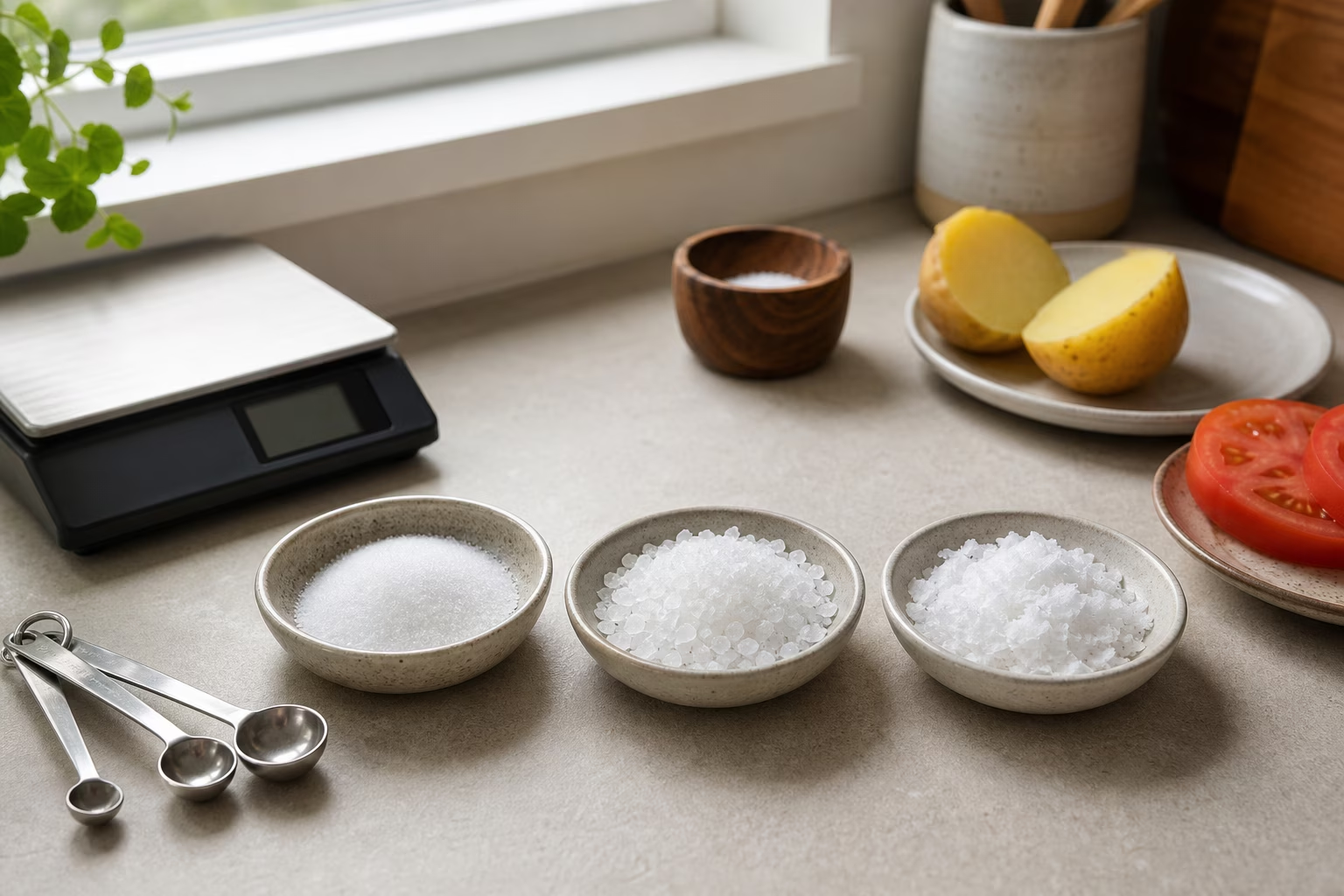
The amount also feels larger than it looks because eggs are quiet. A pinch that disappears into a pot of potatoes can dominate two eggs. A finishing crystal that feels bright on a steak can feel too hard on a tender white. Measuring Salt is useful here because eggs often expose the difference between fine salt, coarse salt, and flakes more sharply than sturdier foods do.
Beaten Eggs Want Dissolved Salt
For scrambled eggs and omelets, the simplest good habit is to salt after beating, then let the bowl sit for the short time it takes to prepare the pan. This does not need to become a long rest or a technical ritual. A few minutes are enough for fine crystals to dissolve and move through the mixture. The point is not to cure the eggs. It is to avoid dry salt sitting in scattered pockets while the eggs set.
That early salting also gives the cook a calmer tasting target. When salt is mixed through the eggs, each curd carries a little seasoning. The finished plate can still accept herbs, butter, cheese, pepper, hot sauce, or a final few flakes, but those additions are no longer doing the whole job. They become direction and texture rather than emergency correction.
Crystal size matters more than romance here. A practical cooking salt is usually better than a special finishing salt inside beaten eggs. Fine sea salt, table salt, or a familiar kosher-style salt can dissolve quickly and predictably. Large flakes can work if they are crushed and given time, but their best feature is texture, and that feature disappears in a bowl of raw egg. Save the expressive salt for the surface if it will be felt there.
Scrambles Need Foundation Before Finish
Soft scrambled eggs are a test of restraint. The curds are tender, the heat is usually gentle, and the flavor depends on small adjustments. If the eggs are not salted until they reach the plate, the crystals land on the surface of a food that is already formed. The first bite may seem lively, but the interior can still taste flat, especially if the scramble is loose and rich with butter, cream, or cheese.
Salt the beaten eggs first and the scramble tastes more coherent. The seasoning follows the curds as they form. Butter tastes more like butter. The sweetness of the egg comes forward. Herbs and pepper do not have to compensate for dullness. The cook can then decide whether a few flakes on top would add pleasure or only noise.
Heat still matters. Salt cannot fix a scramble that was rushed over aggressive heat until it turned dry and squeaky. It also cannot rescue eggs drowned in dairy until they taste diluted. But when the cooking is gentle, early salt helps the eggs taste finished before garnish arrives. This is the same lesson that runs through Salt, Acid, and Fat : salt gives flavor a center, but it works best when the rest of the dish is not asking it to solve every problem.
Fried Eggs Ask For Placement
A fried egg is different because the egg is not beaten. The white and yolk remain separate, and they season differently. The white is mild and can taste almost watery if it receives no salt. The yolk is richer, rounder, and more forgiving. A pinch scattered randomly over the whole egg may leave some areas plain and others harsh.
One practical approach is to salt the white lightly while it cooks, once it has spread enough to show its shape. Fine salt or small crystals dissolve more easily on the warm surface. The yolk can be salted more gently at the end, or finished with a few flakes after the egg reaches the plate. That final salt is partly flavor and partly texture. It wakes the first bite without turning the tender white into a crunchy field.
Oil and butter change the answer. A fried egg cooked in salted butter or served over salty toast, cured meat, cheese, or seasoned beans may need less salt from the hand. An egg served over plain rice, potatoes, greens, or toast may need more deliberate seasoning because the surrounding food is quiet. The right amount is not located in the egg alone. It lives in the whole bite.
This is why a salt cellar near the stove can be more useful than a shaker across the room. Salt Cellars and Table Rituals talks about the tactile side of placing salt by hand. Fried eggs reward that placement because a careless shower can miss the places that need it most.
Omelets And Frittatas Carry Other Ingredients
Omelets sit between scramble and composed dish. The eggs are beaten, so they want salt inside. But the fillings may bring their own salt, water, fat, and sharpness. Cheese, ham, smoked fish, olives, capers, cooked greens, mushrooms, and roasted vegetables can all change the final balance.
The cleanest habit is to season the eggs modestly, then season the filling as its own ingredient before assembly. Mushrooms that were cooked without salt can taste flat even inside a well-salted omelet. Spinach salted too heavily before being folded into eggs can make the whole plate feel briny. Cheese can cover mistakes for a moment, but it cannot create even seasoning. The filling and egg need to meet each other with room left for adjustment.
Frittatas and baked egg dishes make this more important because the dish is larger and harder to correct after setting. Once a frittata is baked, salt added on top mostly seasons the top surface. The interior has already made its decision. If potatoes, zucchini, onions, peppers, or greens are involved, Salting Vegetables becomes relevant because those ingredients bring water behavior into the egg dish. Salt can help vegetables release moisture before they enter the eggs, which keeps the finished slice from tasting watery or uneven.
Custards, Quiches, And Egg Sauces Need Evenness
Custards, quiches, savory puddings, carbonara-style sauces, and egg-thickened dishes need salt to dissolve completely because their texture depends on smoothness. A crunchy surprise is charming on a fried egg and awkward in a custard. Here, the salt should disappear into the liquid before cooking.
Quiche is a good example. The custard may include eggs, milk or cream, cheese, vegetables, herbs, and a crust that may already contain salt. If the custard base is underseasoned, the filling can taste rich but sleepy. If every component is salty, the slice can become heavy before the second bite. The cook should think in layers: the crust, the cheese, the vegetables, and the custard all count.
Sweet egg dishes follow the same principle in a different direction. A custard, bread pudding, French toast soak, or pastry cream needs enough salt to clarify sweetness and dairy, not enough to announce itself. Salt in Baking and Sweets explains this broader role. Eggs are often part of that story because they carry richness, and richness tastes flatter when salt is missing.
Boiled Eggs Are Finished After Cooking
Salt in the boiling water does not meaningfully season the inside of an egg through an intact shell in the way salted pasta water seasons pasta. The shell is a barrier, and the cooking time is short. Salted water may be part of someone’s boiling routine, but the eating seasoning happens after the egg is peeled, cracked, halved, chopped, or mashed.
That makes boiled eggs a finishing-salt food. A soft-boiled egg opened over toast can take a little fine salt on the yolk and white. A jammy egg on noodles or greens needs the salt level of the whole bowl considered first. A hard-cooked egg eaten plain can be excellent with a few flakes or a softer pinch of fleur de sel, but dense crystals can feel jarring against the smooth yolk.
Egg salad is its own case because salt needs time to move through chopped egg, mayonnaise, mustard, herbs, celery, onion, or pickles. Salt it, stir it, then let it sit briefly before the final taste. The mixture often changes after a few minutes as the salt dissolves and the sharper ingredients spread. A correction made too quickly can overshoot.
Finishing Salt Should Match The Texture
Eggs are one of the best places to understand why finishing salt is not only about saltiness. Flake Salt gives a crisp first impression on fried eggs, deviled eggs, egg toast, or soft scrambles that are already seasoned underneath. Fleur de Sel lands more gently and suits tender eggs when you want a softer sparkle. A moist gray salt can be pleasant with eggs and potatoes, mushrooms, or beans, but it may feel too mineral or damp on a very delicate omelet unless the rest of the plate asks for that grounded flavor.
Fine salt can be a better choice than showy salt when the surface needs quick dissolution. A plain hard-boiled egg, a fried white, or a custard sauce may benefit from a tiny even pinch rather than visible crystals. Texture is useful only when it fits the food. A large hard crystal on soft egg can interrupt the bite instead of improving it.
The larger habit is simple but not mechanical. Put salt inside beaten eggs when the dish allows it. Place salt carefully on whole eggs when surface seasoning is the only path. Count the salty ingredients already present. Finish with expressive salt only when the texture will be noticed and welcome. Eggs move quickly, but they teach the same lesson as slower foods: salt works best when it arrives in the form the dish can actually use.