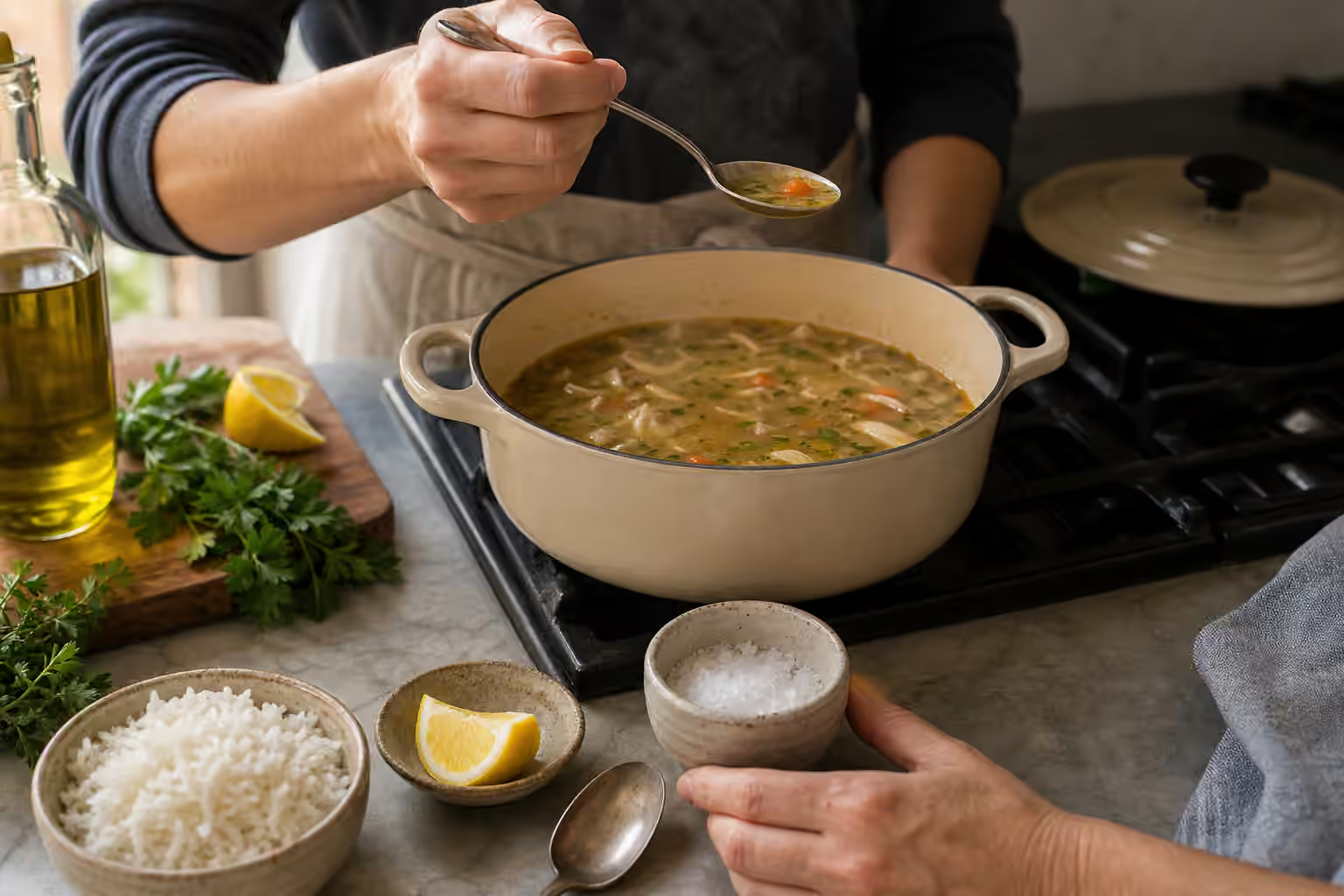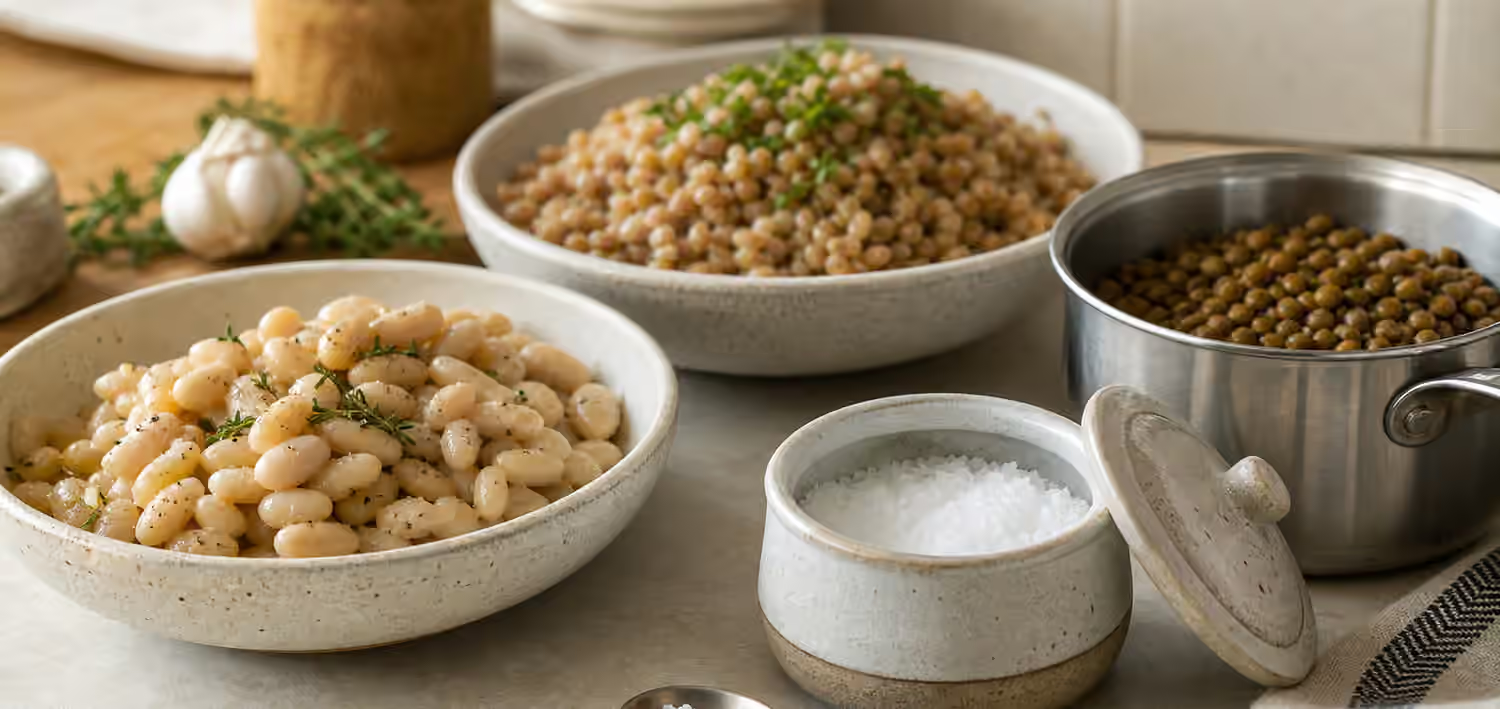
Beans, lentils, rice, farro, barley, and other staple foods are easy to underestimate because they seem quiet. They sit under sauces, carry vegetables, stretch soups, fill bowls, and make dinner feel grounded. When they are seasoned well, nobody stops to admire the salt. The meal simply tastes complete. When they are underseasoned, every topping has to work too hard.
The problem is usually timing. A bright finishing salt can make a tomato or fried egg feel vivid in the first second of a bite, but it cannot travel into a cooked chickpea after the bowl is already assembled. A spoonful of sauce can coat rice, but it cannot fully season rice that absorbed plain water for twenty minutes. Staple foods need salt early enough to become part of their structure.
This guide belongs next to Pasta Water and Salted Cooking Liquids because beans and grains follow the same central lesson: water is not neutral once food begins absorbing it. It also sits near Salting Soups, Stews, and Broths because legumes often become part of a larger pot. The question is not only how salty the liquid tastes. It is whether the food inside that liquid has been given time to taste like itself.
Staple Foods Absorb Their Seasoning
Rice, beans, lentils, farro, bulgur, barley, oats, and quinoa all change as they cook. Some swell as starch granules hydrate. Some soften as cell walls relax. Some split open. Some stay intact but take on water and flavor through the surface. Salt dissolved in the cooking liquid is present during those changes, which means it can season more evenly than salt added at the end.
This does not mean every pot needs to taste aggressively salty from the start. A pot of beans that will become a stew has a different destination from a pot of rice that will be served plain. It means the cooking liquid deserves attention. If the water is bland, the food has only blandness available to absorb. Later corrections may help the surface, but they cannot fully rewrite the inside.
The effect is clearest with plain foods. A warm white bean cooked in lightly seasoned water can taste creamy, savory, and complete before any dressing appears. The same bean cooked in plain water may taste flat even under olive oil, herbs, and lemon. Rice cooked with salt has a quiet backbone. Rice cooked without it can make a beautiful curry taste as if it is sitting on filler.
Beans Need Nuance, Not Old Superstition
Many cooks have heard that salting beans too early makes them tough. The warning survives because bean tenderness can be unpredictable, and salt is an easy thing to blame. In practice, the story is more complicated. The age of the beans, the hardness of the water, the soaking method, cooking temperature, acidity, and the bean variety all matter. Acidic ingredients such as tomatoes, vinegar, and some wine can be especially important because they can slow softening if they arrive too early.
Salt is not the villain by itself. Thoughtful salting can make beans taste better throughout, especially when they are given enough time to cook fully. Some cooks salt the soaking water. Some salt after the beans have started to soften. Some wait until the beans are mostly tender and then let them sit in seasoned liquid. Each method can work when the cook understands the goal.
The safest beginner habit is to separate salt from acid in your mind. Salt can enter the process before the end, but acidic ingredients should be timed with more care when tenderness matters. If the beans are old or stubborn, no amount of perfect seasoning will make them behave like fresh beans. If they are cooking in very mineral-heavy water, texture can be affected before salt enters the conversation. A good cook watches the beans rather than obeying a single inherited sentence.
For soups and stews, this becomes even more practical. Beans that spend their whole cooking life in underseasoned liquid may never feel integrated. Beans that meet some salt while they soften have a better chance of tasting like part of the pot. Salting Soups, Stews, and Broths follows that layered logic in more detail.
Lentils Cook Fast Enough to Expose Mistakes
Lentils are less patient than beans. Red lentils can collapse quickly. Brown, green, black, and French-style lentils hold their shape better, but they still move from firm to tender faster than many dried beans. That shorter window makes seasoning choices more visible.
If lentils cook in plain water, the finished dish often needs a heavy dressing to wake it up. Add enough dressing and the lentils may taste salty on the outside while remaining dull underneath. Cook them in moderately seasoned water instead, and the same lemon, oil, herbs, yogurt, or tomato element can do more precise work. The lentils are already food. The dressing becomes direction rather than rescue.
The variety matters. Red lentils used for a soft dal or soup can take salt early because they are meant to dissolve into the dish. Small black lentils for a salad need more restraint because they may be served cool, and cold food often reads less aromatic but can still become salty if the cooking liquid was pushed too far. Green lentils cooked for a warm bowl can sit between those approaches. They need enough salt to taste complete, but not so much that the later vinaigrette has nowhere to go.
This is where tasting the cooking liquid helps. It should taste seasoned enough to make sense, not like an accidental brine. Taste a lentil when it is nearly tender. If the center is bland and the liquid is bland, the pot is telling you to adjust before draining.
Grains Need a Baseline Before the Bowl
Grains are the place where under-salting becomes most ordinary. People will salt pasta water with confidence, then cook rice, quinoa, barley, or farro in nearly plain water and wonder why the finished bowl needs so much sauce. The grain is not only a background. It is a large part of the bite.
Rice shows this clearly because it absorbs most of its cooking water. If the water is unsalted, the rice becomes a soft neutral mass. That can be useful in a few meals where a salty sauce is meant to dominate, but it is not the best default for pilaf, grain bowls, simple beans and rice, fried rice, or rice served with roasted vegetables. A little salt in the pot makes the rice taste intentional before anything else touches it.
Farro, barley, wheat berries, and other chewy grains often cook in abundant water that may be drained, more like pasta. They benefit from seasoned water because their dense interiors need time. A final pinch can add surface brightness, but the grain itself should not taste neglected. Quinoa and millet are smaller and faster, so they need less time, but the same idea holds. Their cooking water becomes part of their flavor.
Measuring Salt is useful here because volume measures can mislead. A spoonful of fine salt, a spoonful of large crystals, and a spoonful of loose flakes do not deliver the same amount. With grains you cook often, it is worth noticing what your usual pinch or spoonful does in your usual pot. Repetition teaches faster than abstract conversion charts.
Draining Changes the Math
Some staple foods absorb nearly all their cooking water. Others cook in excess water that gets drained away. This difference changes how boldly you salt the liquid.
Rice cooked by absorption keeps most of the salt you added, so the starting amount matters directly. Farro boiled like pasta leaves some salt behind in the drained water, so the water can often taste more seasoned without making the final grain too salty. Lentils may be drained for salad or kept with their liquid for soup. Beans may be served in their broth, drained for a salad, or folded into another dish. The salt does not know your plan. You have to season with the endpoint in mind.
This is why one fixed rule is less useful than a habit of looking ahead. If the cooking liquid will be eaten, leave room for reduction and later ingredients. If most of the liquid will be discarded, the liquid has to season during contact because the final dish will not bring all of that salt along. If the food will be dressed with salty cheese, olives, cured meat, miso, soy sauce, or a salty broth, build the first layer more gently.
When to Salt frames this as the difference between seasoning and finishing. Beans and grains make that difference concrete. The seasoning phase happens in the pot. The finishing phase happens when texture, acid, herbs, fat, and last-minute salt decide how the surface feels.
Resting in Seasoned Liquid Matters
Beans especially benefit from time after the heat is turned off. A pot that tastes uneven at the exact moment the beans become tender may taste more coherent after the beans rest in their broth. The liquid cools slightly, the beans settle, and seasoning continues to equalize. This resting period is not dramatic, but it can make a simple pot taste more generous.
The same idea can help lentils, though their smaller size makes them less dependent on a long rest. It can also help grains that are steamed or covered after cooking. Rice that rests off heat finishes absorbing moisture and distributes itself. A covered pot of bulgur or couscous changes in those quiet minutes. If salt was present in the water, that rest helps the seasoning feel less like an external correction.
Resting also gives the cook a better tasting moment. Very hot beans or grains can hide salt. Taste when the food is warm enough to eat. If it still feels flat, adjust while there is moisture or dressing available to carry the correction. Dry salt tossed onto cold, dry grains has a harder job than salt dissolved into a little warm broth, cooking liquid, oil, or vinaigrette.
Finishing Still Has a Place
A practical cooking salt should do the main work here. It dissolves, disappears, and seasons from within. That does not make finishing salt irrelevant. It only gives finishing salt a smaller, more honest job.
A few flakes on a bowl of beans with olive oil can add a pleasant first spark if the beans are already seasoned. Fleur de sel can be beautiful on warm lentils with butter and herbs. A damp gray salt can feel right on barley with roasted mushrooms. But the finishing salt should not be asked to solve the whole pot. It is there for texture and final emphasis, not basic seasoning.
Salt Quickstart puts this simply: cook with practical salt and finish with expressive salt. Beans, lentils, and grains reward that rule because they are humble enough to reveal shortcuts. When the early salt is missing, the final salt shouts. When the early salt is right, the final salt can whisper.
A Quiet Test for Better Cooking
Cook a small pot of rice, lentils, or beans with deliberate salt in the water, then taste it plain before adding sauce or toppings. The food should not taste salty as a snack food tastes salty. It should taste awake. The bean should have flavor beyond its skin. The lentil should not need a flood of vinaigrette. The grain should feel like part of dinner, not padding under dinner.
That test changes the way staple foods look. They stop being blank carriers and become ingredients with their own responsibility. Salt is not there to make them loud. It is there to let them join the meal before the garnish arrives.