Salt is famously stable, which tempts people to treat storage as an afterthought. It will not bruise like fruit, wilt like herbs, or turn rancid like oil. A neglected box of plain salt can sit in a cabinet for a very long time and still be salt. That part is true. It is also incomplete.
The thing that changes is not the mineral so much as the cooking experience around it. Salt can absorb kitchen odors. Fine salt can cake into a stubborn block. Flakes can break into powder if the container is awkward. Moist sea salt can dry out until it loses some of the character that made it worth buying. A smoked or seasoned salt can fade, clump, or pick up stale pantry notes. When that happens, the salt may still be usable, but it is no longer behaving like the ingredient you meant to keep.
Good salt storage is less about preserving a precious object and more about keeping the salt easy to use. A salt you can reach, pinch, smell, and scatter cleanly becomes part of your cooking rhythm. A salt hidden in torn packaging at the back of a damp cabinet becomes an ornament you occasionally remember.
Salt Wants Dryness, Except When It Does Not
Most everyday cooking salt wants a dry home. Fine table salt, kosher-style salt, flake salt, and many dried sea salts are easiest to use when they pour or pinch freely. If steam from the stove reaches them every night, the surface can pull moisture from the air and start binding crystals together. The result may be a few harmless clumps or one hard mass that has to be broken apart before dinner can continue.
That does not mean every salt should be bone dry. Sel gris and wet salts are meant to retain moisture. Their dampness changes the way they pinch, cling, and dissolve. If a moist gray sea salt is left open in a very dry room for months, it can become duller and more brittle. It will not become dangerous because it dried, but it may stop feeling like the salt you bought. The storage goal for moist salt is not dehydration. It is protection from outside moisture, odors, and accidental drying while keeping its own character intact.
This is why one rule cannot cover every jar. Dry salts should be kept dry. Moist salts should be kept enclosed enough to hold their intended texture. Flavored salts should be protected from air so their aroma does not wander away. The container is not a decoration. It is part of the salt’s behavior.
The Counter Is Convenient and Risky
The salt you cook with every day belongs close enough to use without thinking. If it lives too far from the stove, you will either forget it or reach for something less suitable. Salt Quickstart makes the case for having one dependable everyday cooking salt, and storage is what lets that habit become automatic.
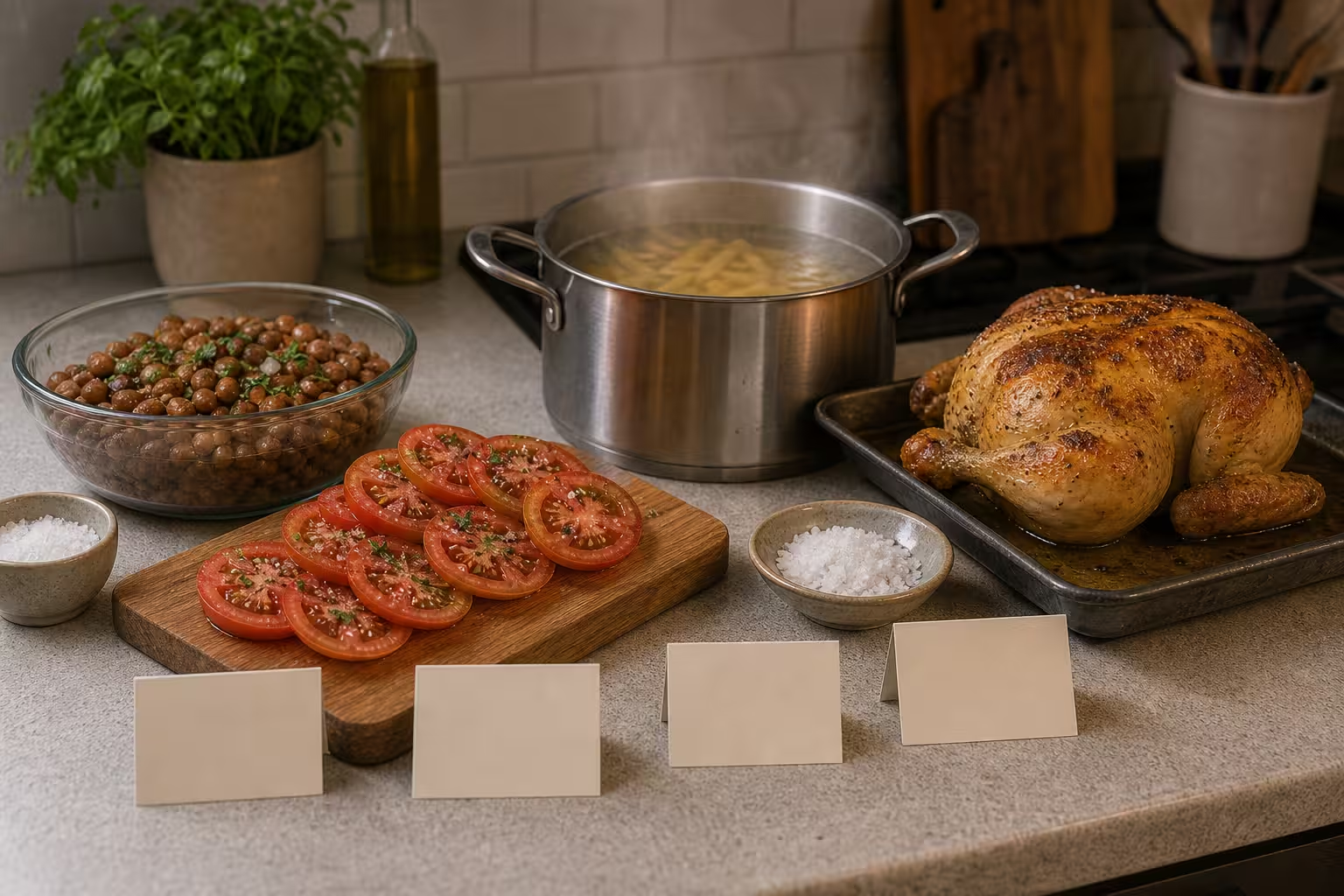
The problem is that the most convenient place is often also the wettest place. Steam rises from pasta water, soup pots, kettles, dishwashers, and freshly washed counters. Grease also travels farther than people expect. A salt cellar left open beside a busy stove can slowly collect a film of kitchen life. The salt may still taste salty, but it can begin to smell like the room instead of clean mineral salt.
A lidded cellar solves much of this without turning seasoning into a chore. It keeps the salt accessible while shielding it from splashes and daily steam. The lid does not need to seal like laboratory glass. It only needs to interrupt the open path between the salt and the kitchen air. For a working salt near the stove, that small barrier is usually enough.
Open bowls make more sense at the table than beside boiling water. At the table, salt is used briefly and seen clearly. Near the stove, an uncovered bowl can become a passive humidity trap. If you love the look of an open cellar, place it where food is finished rather than where water is constantly evaporating.
Jars, Cellars, Mills, and Original Packaging
Original packaging is often designed to sell the salt, not to make daily use graceful. A bag may look handsome on a shop shelf and become annoying the first time a damp hand reaches into it. A cardboard box may pour well when new and slump once the kitchen gets humid. A corked jar may feel charming but expose the salt to odors if the fit is loose.
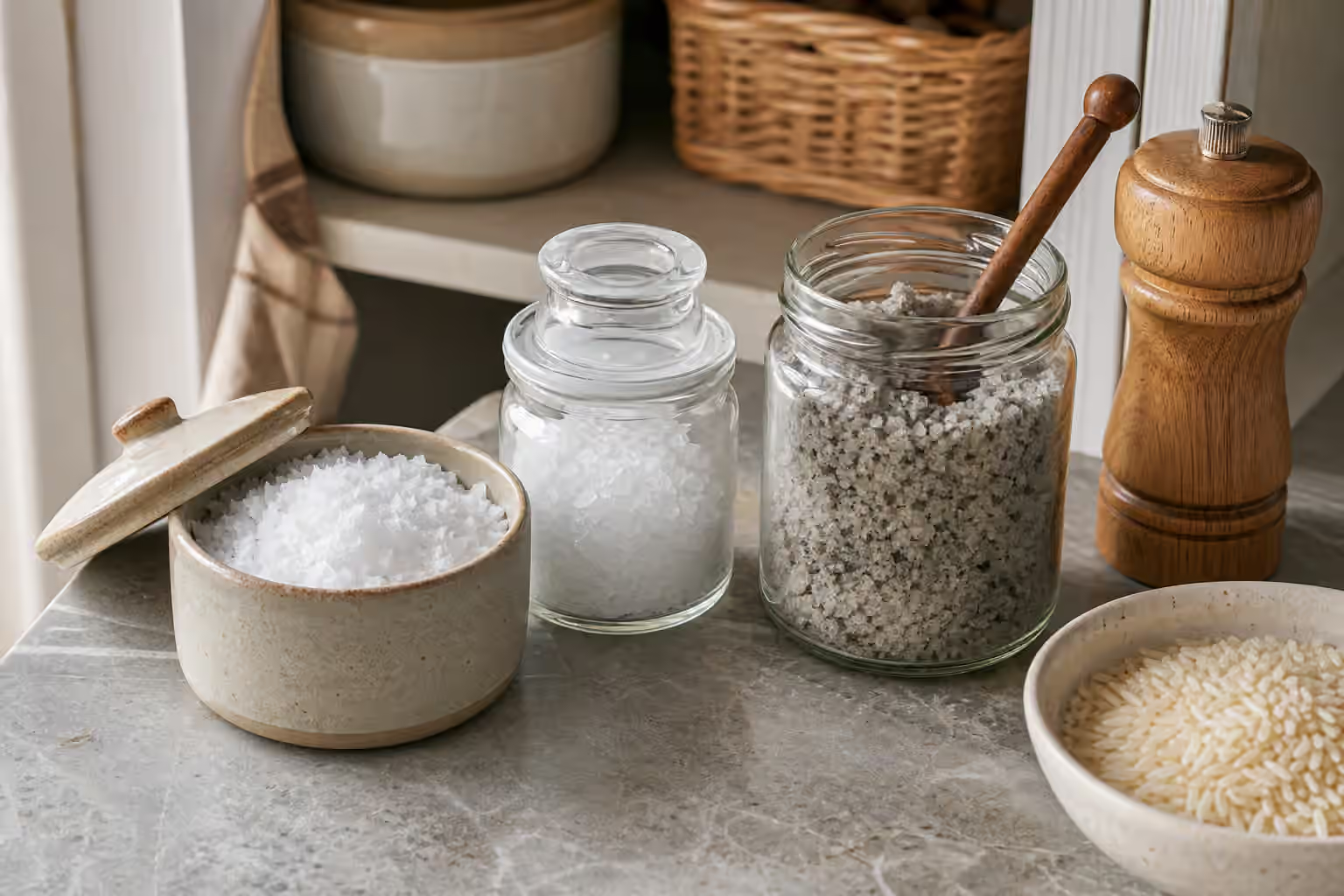
Glass jars are useful because they show texture and close cleanly. They are especially good for coarse sea salts, specialty salts, and small quantities of finishing salt that you want to keep visible. Ceramic cellars are better for hand use because they feel stable, hide visual clutter, and make pinching easy. A small spoon helps with moist salts, not because fingers are forbidden, but because damp crystals can cling in a way that makes repeated handling messy.
Mills are a separate case. Dense crystals can be useful in a mill when you want freshly crushed salt at the table, but not every salt belongs there. Flake salt is already fragile, so grinding it wastes the shape that makes it interesting. Moist salt can clog many mills. A dry, dense crystal is the better candidate. If the mill starts sticking, the answer is not force. Empty it, let the mechanism dry, and save damp salts for a cellar or jar.
Salt Cellars and Table Rituals looks at the cultural side of pinching salt. The practical side is simpler: a good vessel makes the right gesture easy. If the container fights you, the salt will be used less well.
Odors Matter More Than Age
Plain salt does not spoil in the ordinary pantry sense, but it can absorb odors from its surroundings. This matters most with finishing salts because they are tasted directly on the surface of food. A flake that lands on a tomato should taste clean and bright, not faintly like old spices, cardboard, garlic powder, or a cabinet that has seen better days.
The risk increases when salts are stored near strong aromatics. Spice drawers, coffee bags, dried mushrooms, onion baskets, cleaning products, and smoky grills can all lend odors over time. A sealed container reduces that problem. Distance helps too. Good salt deserves a quieter part of the shelf than the one beside volatile pantry neighbors.
Flavored salts need the same logic in reverse. A smoked salt or citrus salt can lose its own aroma if left open, and it can perfume other nearby ingredients if stored carelessly. Smoked and seasoned salts are strongest when they are used intentionally, not when every nearby jar slowly begins to smell like smoke.
Before using an older specialty salt, smell it. The test is not dramatic. Clean salt should smell like very little unless it is intentionally flavored or mineral. If it smells stale, dusty, musty, or like the cabinet, it may still technically season food, but it no longer deserves the job of finishing something delicate.
Keep Texture Intact
Texture is one of the main reasons to own more than one salt. Flake salt works because the crystals are broad, brittle, and quick to crush. Fleur de sel has a softer, more delicate presence. Coarse salts create slower bursts. Fine salts disappear into doughs and liquids. Storage can protect those differences or flatten them.
Heavy scoops, narrow jars, and careless refilling can break fragile flakes into dust. That dust is not useless, but it is less expressive. If the salt was purchased for its surface texture, store it in a container wide enough that you can pinch gently rather than dig. Do not keep it in a tall jar that requires a spoon to scrape down the side every time you use it.
Moist salts have the opposite problem. If they dry too much, they can become hard and less generous in the hand. If they are exposed to too much outside moisture, they can become muddy or inconvenient. A smaller container helps because it is opened and finished in a reasonable rhythm. Giant bags encourage neglect, especially when only a spoonful is moved into the working cellar and the rest sits forgotten in unstable packaging.
This is the quiet lesson behind Buying Artisanal Salt : buy amounts you can use while the texture is still pleasurable. Salt may last, but attention does not always last with it.
The Rice Trick and Its Limits
Many people know the old shaker trick of adding a few grains of rice to absorb moisture. It can help a fine dry salt pour more freely in a humid room. It is not magic, and it is not equally suited to every salt. It belongs mainly with inexpensive dry salt in a shaker, not with delicate finishing salts where stray grains are annoying, or with moist sea salts where the goal is not to make the salt drier.
If salt is repeatedly clumping in a shaker, the larger problem may be placement. The shaker may be sitting too close to steam, or the kitchen may simply be humid enough that a shaker is the wrong tool. A lidded cellar and fingers may work better than trying to force perfect pouring. This is especially true for salts with larger crystals, where the holes in the shaker already make distribution uneven.
Clumps are not automatically failure. A small clump in a cooking salt can be crushed between fingers or broken with a spoon. A damp salt that holds together may be behaving normally. What matters is whether the texture helps or hinders the job. Storage should serve the way the salt is used, not chase an abstract idea of perfect dryness.
Build a Small, Usable Salt Shelf
A sensible salt shelf has a working salt near the stove, one or two finishing salts protected from humidity, and specialty salts stored in small closed containers until there is a real reason to use them. That arrangement covers most kitchens without turning the pantry into a salt archive.
The working salt should be the easiest to reach and the least precious. Its container should make repeated pinching simple. The finishing salts should be close enough that you remember them, but protected enough that their texture stays clean. Moist salts should keep their dampness without absorbing the whole room. Mills should hold dry, dense crystals that actually benefit from grinding.
Measuring salt becomes easier when storage is consistent because your hand learns the same salt in the same vessel. The pinch becomes less vague. The final scatter becomes more controlled. The difference between cooking salt and finishing salt becomes physical rather than theoretical.
The best sign of good storage is not a beautiful shelf. It is calmer seasoning. The salt opens cleanly. The crystals feel like themselves. The cellar is where your hand expects it to be. Nothing smells stale. Nothing needs to be rescued from a torn bag before it can touch dinner. That is enough. Salt asks for attention, not ceremony, and a good container gives that attention somewhere practical to live.