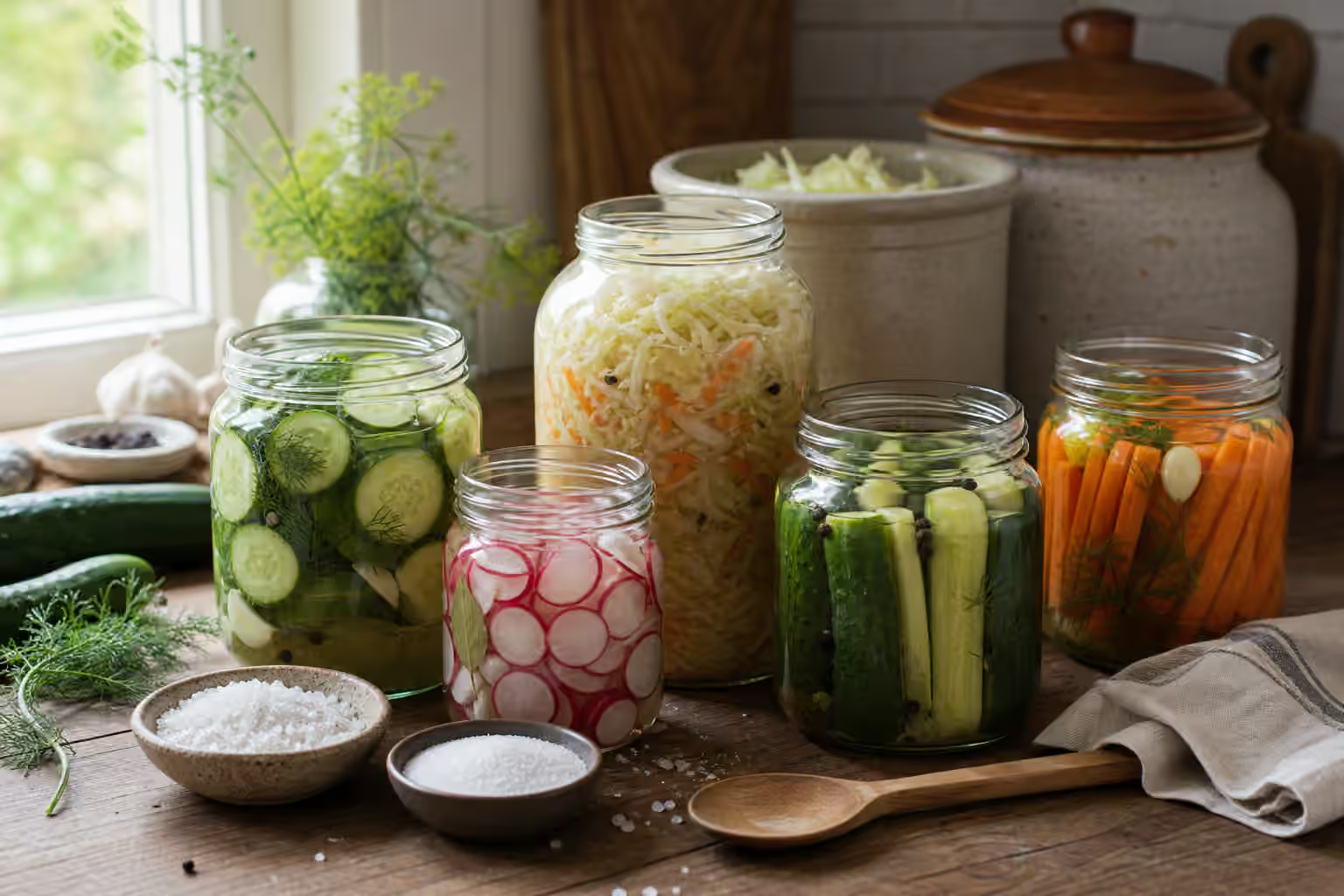
Pickles make salt’s quiet work easy to see. A cucumber that was crisp and watery becomes seasoned, sharper, and more deliberate. Cabbage that seemed bulky and dry begins to make its own brine. Radishes soften at the edges while keeping a peppery bite. Carrots remain firm but taste less raw. The salt did not merely make the vegetables salty. It changed how water moved, how texture developed, how sourness arrived, and how time became part of the flavor.
That is why pickles and vegetable ferments deserve their own salt conversation. Salt and Preservation explains the larger history of salt as a way to manage time, storage, and transformation. This guide stays closer to the counter. It looks at what happens when salt meets cut vegetables, why brine is more than salty water, and why careful proportion matters more in preservation work than it does when you are finishing a tomato salad.
The useful distinction is simple. Some pickles are acid-led, where vinegar or another acid gives the sharpness quickly. Some are fermentation-led, where salt helps create conditions in which desirable fermentation can develop over time. Both can be delicious. Both use salt. But salt does not play the same role in each.
Brine Is a Seasoning Environment
A brine is not just water with salt dissolved in it. It is the environment the vegetable lives in while it changes. Salt in that water seasons the surface, draws moisture from the vegetable, slows some kinds of softening, and helps flavor move more evenly than dry crystals sprinkled over the top. A cucumber spear sitting in brine is surrounded by seasoning. A cabbage shred mixed with salt creates a brine from its own water. In both cases, salt becomes the medium, not just the garnish.
This is why measurement matters. In a soup, you can taste, adjust, dilute, reduce, and correct as the pot develops. In a brine meant for pickling or fermentation, the amount of salt is part of the method. Too little may fail to give the vegetable the intended texture or fermentation path. Too much can make the result harsh, slow, or unpleasantly hard. The exact answer depends on the recipe, the vegetable, the cut size, and the style of pickle, which is why tested proportions are worth respecting.
Measuring Salt becomes especially useful here because a spoonful is not a universal amount. Fine salt packs tightly. Coarse crystals leave air between them. Flakes can look generous while weighing less than expected. In a brine, the shape disappears after dissolution, but the weight remains. When a recipe gives salt by weight, it is trying to escape the ambiguity of crystals. That is not fussy. It is practical.
Vegetables Bring Their Own Water
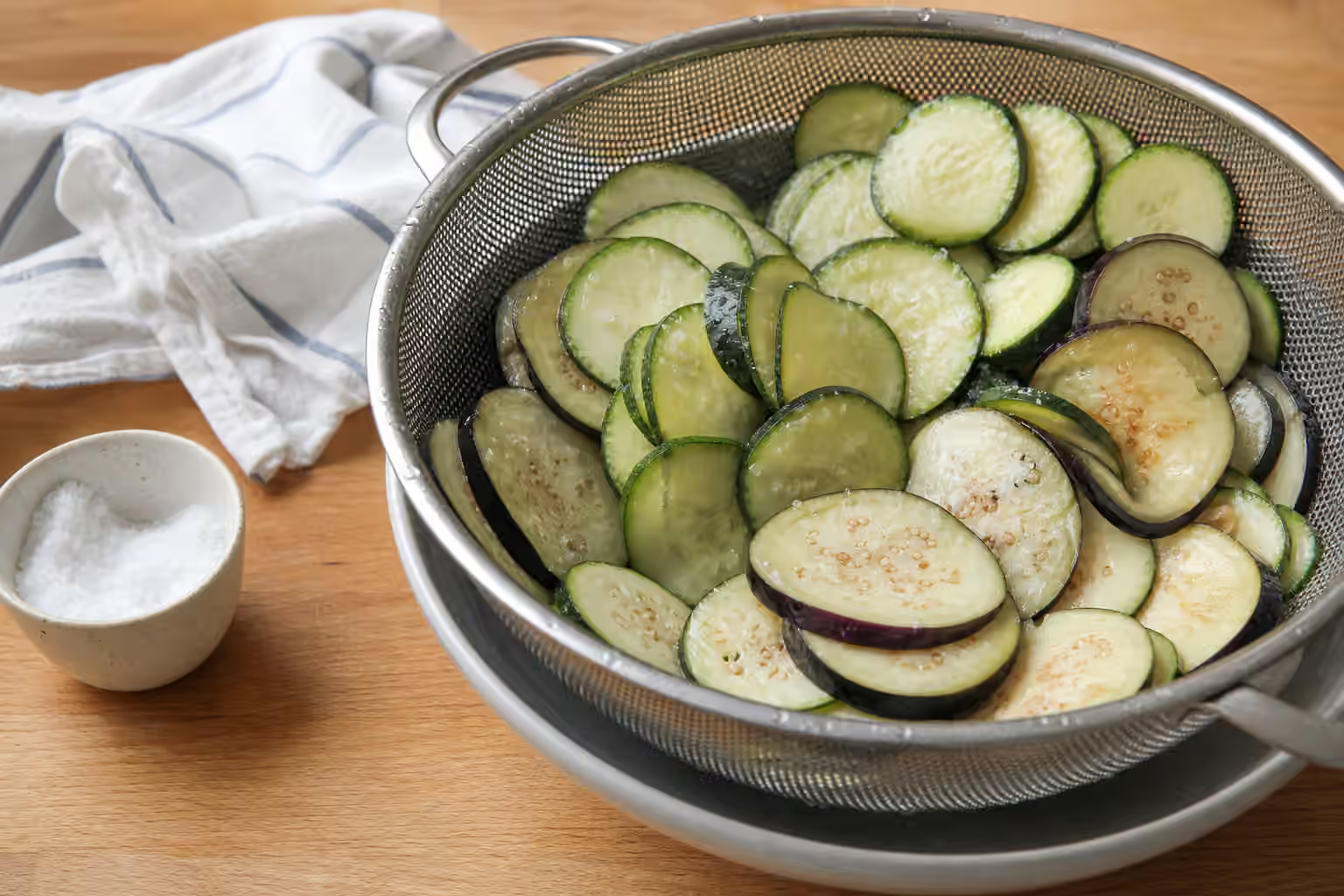
Every vegetable enters the jar with water already inside it. Salt pulls some of that water outward. In a cucumber, the effect can concentrate the flesh and firm the impression of the bite. In cabbage, it can turn a dry-looking pile into a glossy, squeezable mass with enough liquid to cover itself. In radishes, onions, carrots, and turnips, the movement is less theatrical but still important. Salt is negotiating with the vegetable’s own moisture before any vinegar, spice, or fermentation has much to say.
This is the same lesson from Salting Vegetables , but pickles extend it over time. A salted cucumber salad may sit for ten minutes before dinner. A pickle may sit long enough for the vegetable to change its identity. The first water release is only the beginning. As the vegetable rests, brine moves inward and outward, flavors mingle, and texture settles into something that no last-minute sprinkle could create.
Cut size changes the pace. Thin cucumber coins season and soften faster than whole cucumbers. Shredded cabbage releases water more readily than thick wedges. Carrot sticks need more time than grated carrot. The salt may be the same mineral, but surface area decides how quickly the vegetable answers. This is why a recipe written for spears does not automatically translate to whole vegetables, and a recipe written for shredded cabbage does not behave like one built around large chunks.
Salt Protects Crunch by Managing Softness
Crunch is not only a question of freshness. It is also a question of water, cell structure, temperature, time, and salt. A good pickle often feels crisp because the vegetable has lost some raw wateriness without collapsing. Salt can help draw out excess moisture and give the bite more definition. It can also keep a pickle from tasting merely sour by preserving a savory backbone under the acid.
The challenge is that salt alone cannot rescue tired vegetables or careless handling. A limp cucumber will not become a perfect pickle because salt is present. Overlong heat, rough storage, or a recipe that asks a delicate vegetable to wait too long can still lead to softness. Salt is part of the texture system, not a guarantee.
This is why practical pickling begins with choosing vegetables that already have the texture you want to keep. Firm cucumbers, tight cabbage, crisp carrots, fresh radishes, and sound green beans give salt something good to preserve and reshape. The brine then does its work on an ingredient that has structure left to offer. A finishing salt can make a fresh radish sparkle at the table, but pickle salt has a slower ambition. It wants the crunch to survive the wait.
Vinegar Pickles and Ferments Use Salt Differently
In a vinegar pickle, acidity arrives directly. The liquid may contain vinegar, water, salt, sugar, spices, aromatics, or other flavorings, but the sourness is already built into the brine. Salt seasons the vegetable, balances the acidity, draws out some water, and makes the sharpness feel less thin. Without enough salt, a vinegar pickle can taste sour but hollow, as if the acid is sitting on top of a bland vegetable.
In a fermented pickle, the sourness develops through time. Salt helps shape the environment while the vegetable changes. It does not create the sour flavor by itself, but it helps guide the process that can lead there. That makes salt proportion more central. The brine is not merely a flavoring liquid; it is part of the fermentation conditions.
This distinction helps prevent a common confusion. A quick vinegar pickle can be adjusted toward brightness and balance almost immediately. A ferment asks for patience and steadier method. It is closer to craft than improvisation. When a recipe is about fermentation rather than same-day pickling, follow its salt amount, vessel guidance, and timing cues instead of treating them as decorative suggestions.
Plain Salt Is Usually the Right Salt
Pickles do not need the most romantic salt on the shelf. They need salt that dissolves cleanly and predictably. Fine sea salt, kosher-style salt measured by weight, or another additive-free salt specified by a recipe can all do the job. The exact preference depends on the method, but the principle is steady: once salt dissolves into brine, crystal beauty no longer matters.
This is not the place to spend fleur de sel or brittle flakes. Fleur de Sel and Flake Salt are expressive because they remain on the surface for a moment before dissolving. In a jar of brine, they lose the texture that made them special. A practical salt is not a compromise here. It is the correct tool.
Anticaking agents and iodine raise separate questions. In many everyday cooked dishes they may not matter much. In pickling and fermentation, recipes often ask for a plain salt because additives can affect clarity, flavor, or process expectations. The point is not salt snobbery. It is reducing variables in a method where salt amount and dissolved behavior are already doing serious work.
Aromatics Ride on the Brine
Garlic, dill, mustard seed, peppercorns, bay leaf, chili, coriander, ginger, onion, citrus peel, and other aromatics can make pickles feel personal, but they work best when the salt foundation is clear. Aromatics do not replace seasoning. They ride on the brine. If the brine is weakly seasoned, the spices can taste decorative and separate. If the brine is overpowering, delicate herbs disappear.
Salt also affects how sweetness and acidity read. A little sugar in a vinegar pickle can soften sharpness, but without salt it may taste like sweet vinegar rather than a rounded pickle. A fermented cabbage may taste flat before enough sourness develops, then suddenly seem balanced as acidity, salt, and vegetable sweetness catch up with one another. Salt, Acid, and Fat explains the broader balance, and pickles show the acid side especially clearly.
The best pickle brines do not taste like a list of spices. They taste integrated. The cucumber still tastes like cucumber. The cabbage still has cabbage sweetness. The radish still has a little bite. Salt lets those flavors hold their shape while the brine changes them.
Time Is an Ingredient
Pickles teach patience in a way ordinary seasoning does not. A tomato slice can answer salt in minutes. A pot of rice can show its seasoning when the grains finish cooking. A jar of vegetables may need hours, days, or longer depending on the style. During that time, salt keeps working. It dissolves fully, moves through cut surfaces, mingles with vegetable juices, and helps sourness or acidity feel less separate.
The first taste is not always the final taste. A quick pickle may seem too sharp at first, then become more rounded after the vegetables release water into the brine. A ferment may taste mostly salty early on, then develop acidity and aroma. A cabbage ferment may seem bulky at the start and compact later as salt draws out liquid and the shreds soften. Time changes the balance, so tasting has to respect the stage.
When to Salt separates early seasoning from finishing salt. Pickles push that idea further. Here, early salt is not merely early in the cooking. It is early in the life of the food. A finishing pinch at the table might make a fresh cucumber lively, but it cannot create the layered salinity, acidity, and texture of a pickle that had time to become itself.
Taste With the Whole Meal in Mind
Pickles rarely appear alone. They sit beside sandwiches, rice, beans, roasted meat, fried food, cheese, eggs, salads, and rich sauces. Their salt level should make sense in that role. A pickle eaten by itself can seem assertive because it is meant to cut through other foods. A mild pickle may be pleasant from the jar but disappear next to a fatty sandwich. The best balance depends on use.
This is where a cook’s judgment returns after the measured method has done its work. Once the pickle is ready to eat, taste it with the food it will accompany. Does it brighten the bite or dominate it? Does it bring crunch or only salt? Does the acidity lift richness, or does the brine feel thin? Does the vegetable still have its own flavor? Those questions are more useful than asking whether the pickle is salty in isolation.
Salt in pickles is not a final sparkle. It is architecture. It holds water, texture, sourness, and time in relation. Use a plain salt, measure carefully when the method asks for it, let vegetables answer at their own pace, and save the delicate finishing crystals for the plate. The jar will be better for the restraint.