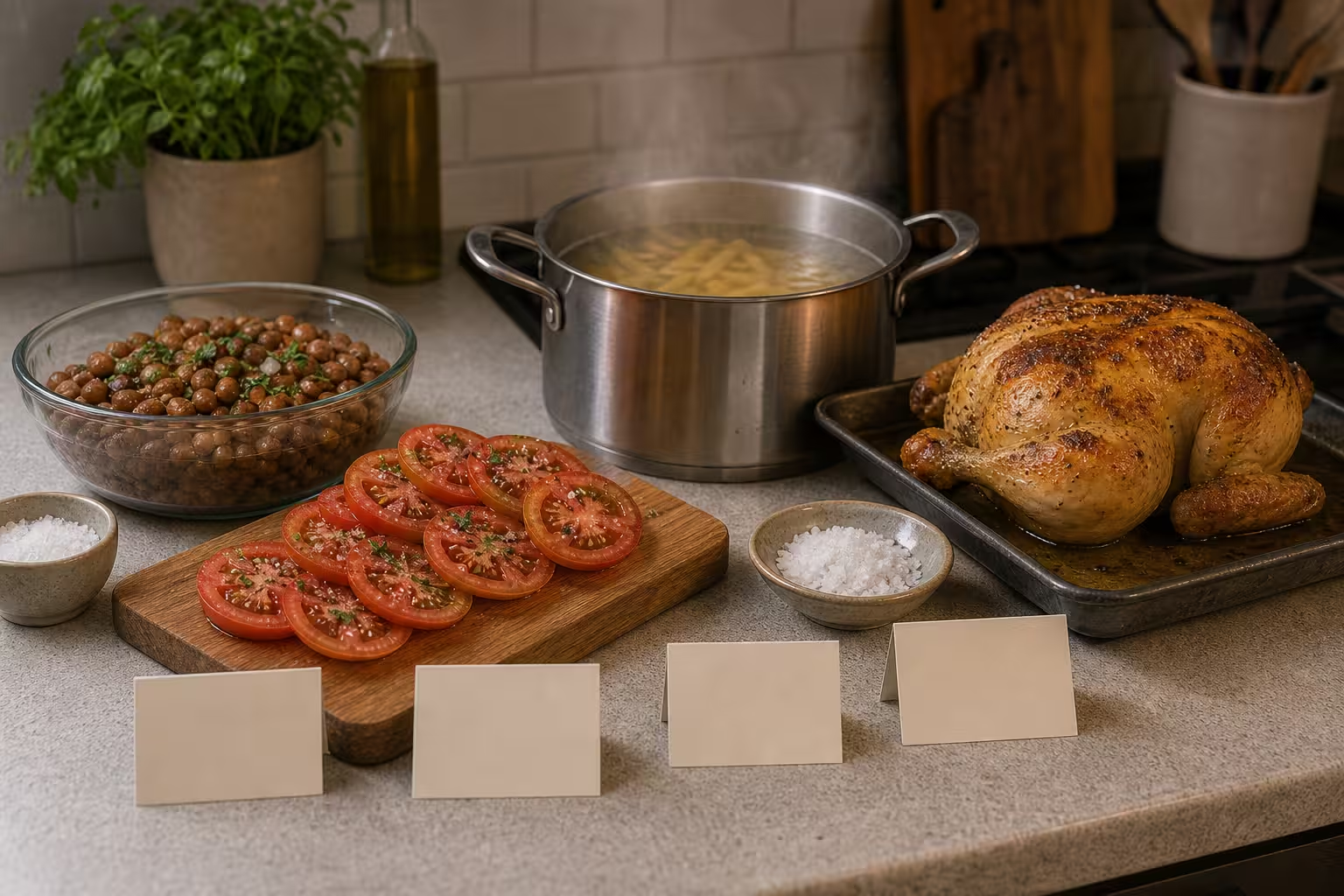
The grill makes salt feel more urgent because the cooking is exposed. Heat is high, surfaces dry quickly, fat drips, smoke moves, and food can go from pale to charred while the cook is still deciding where the tongs went. Salt has to do its work inside that motion. It can help meat season before the fire, help vegetables release enough water to brown instead of steam, make fish taste complete without toughening it, and give the finished platter a final bright edge.
Grilling also makes bad timing obvious. A steak salted too late can taste vivid at the surface and quiet inside. A fish fillet salted too aggressively can taste cured at the edges before it reaches the grate. Vegetables salted far ahead may shed water and arrive at the grill wet. A beautiful finishing salt scattered before cooking simply dissolves and disappears. The fire is not complicated, but it is unforgiving.
This guide extends the timing work in When to Salt into a cooking setting where moisture and surface texture change fast. It also draws from Salting Meat and Poultry , Salting Fish and Seafood , and Salting Vegetables , because the grill does not erase the differences among those foods. It makes the differences louder.
Fire Rewards Early Foundation and Late Texture
Most grilled food benefits from separating salt into two possible roles. The first role is foundational seasoning before heat. That salt dissolves, moves into surface moisture, and makes the food taste complete. The second role is finishing texture after heat. That salt remains physical long enough to create a bright first impression on a sliced steak, grilled zucchini, corn, tomato, fish, or flatbread.
Confusing those roles leads to waste. Delicate flakes sprinkled on raw chicken before grilling may season the surface, but their special texture will not survive. Coarse salt added only after a thick chop is sliced may make the outside exciting while the interior stays bland. The better pattern is practical salt before the grill and expressive salt after, when the food needs texture or emphasis.
That does not mean every grilled food needs both. Sausages, marinated foods, cheese, brined chicken, and vegetables served with salty sauces may need no finishing salt at all. The cook should ask what salt is already present before adding more. Grilling often brings salty companions: pickles, olives, feta, miso marinades, soy sauce, spice rubs, barbecue sauces, seasoned butters, and cured meats. The salt cellar is only part of the picture.
Meat and Poultry Need Time Before the Grate
Steaks, chops, chicken pieces, and larger cuts generally benefit from salt before grilling because the interior needs a chance to taste seasoned. The same dry-brining logic from indoor cooking applies outside. Salt meets surface moisture, dissolves, and begins moving. Given enough time, the surface can dry again, which helps browning and reduces the wet sizzling that delays crust.
The grill adds a second pressure: uneven heat. A pan gives broad contact. A grate gives bars of direct heat, gaps, flare-ups, and moving air. Surface moisture can interfere with browning, but so can sugar-heavy marinades, thick wet rubs, and crowded grates. Salt cannot solve all of that, but early salting helps the meat itself taste better even when grill marks are imperfect.
Chicken skin especially benefits from thinking ahead. Skin that is salted early and allowed to dry has a better chance of becoming crisp rather than rubbery. A last-minute wet marinade may taste good but can work against crisp skin. If the goal is lacquered, saucy chicken, that may be acceptable. If the goal is browned skin and clean seasoning, use practical salt early and apply sweet or sticky sauces late enough that they do not burn before the meat cooks.
Ground meat deserves separate attention. Salt mixed into ground meat changes texture by encouraging protein binding. That can be useful for sausages, kofta, kebabs, and some patties meant to hold firmly on the grill. For a loose burger, salt on the exterior closer to cooking may preserve a more tender texture. The grill does not change that chemistry. It only makes structure more important because fragile food has to survive flipping.
Fish and Seafood Need a Smaller Clock
Fish and seafood grill beautifully when the salt is restrained and the surface is managed. They also overreact quickly. A thick steak-like fish can take more seasoning time than a thin fillet. Shrimp can benefit from a short seasoned rest, but too much time with salt can make the texture feel firmer than intended. Scallops need dry surfaces for browning and a careful hand because their sweetness is delicate.
The useful habit is to salt seafood closer to cooking than meat, then watch the surface. If the fish is wet, pat it dry before oiling and grilling. If it has been in a salty marinade, consider whether additional salt is needed at all. If it will be finished with lemon, herb butter, olives, capers, or a salty sauce, keep the early salt modest.
Whole fish is more forgiving than small fillets because skin, bones, and thickness slow the effect. Salt can season the cavity and the skin, while herbs and citrus provide aroma. A finishing salt may still be useful after the fish is opened and served, but it should land lightly. Fish can move from clean to briny quickly, especially near the surface.
Grilled shellfish often arrives with its own salinity. Clams, mussels, oysters, and some shrimp preparations do not need to be treated like blank meat. Taste the accompanying butter, sauce, or dressing before adding salt. A grilled oyster with salted butter and a flake of salt can be thrilling or exhausting depending on the oyster and the butter.
Vegetables Need Surface Dryness and a Clear Finish
Vegetables on the grill sit between salad and roasting. They need enough salt before heat to taste complete, but they also need surfaces dry enough to char. Eggplant, zucchini, mushrooms, onions, peppers, corn, asparagus, tomatoes, and cabbage all answer differently.
Watery vegetables can be salted briefly before grilling if the goal is to draw out moisture, but they should often be dried before they touch the grate. Zucchini and eggplant can benefit from a short rest and pat-down. Mushrooms should not be crowded or soaked with dressing before grilling unless steaming is acceptable. Tomatoes need gentleness because salt and heat both encourage juice to run. Corn can take salt before or after, but butter, cheese, lime, and chili may already bring enough seasoning.
Oil complicates the tasting. Fat carries flavor and helps browning, but it can also make salt seem less direct. A vegetable tossed with oil and salt before grilling may taste right while hot, then need acid or a small finishing pinch after resting. This is where Salt, Acid, and Fat becomes practical. If grilled vegetables taste salted but dull, they may need lemon, vinegar, yogurt, herbs, or olive oil rather than more salt.
Finishing salt can be excellent on grilled vegetables because char creates bitterness and sweetness at the same time. A few flakes on grilled tomatoes, onions, peppers, or corn can sharpen the surface. A moist gray salt can feel grounded on potatoes or eggplant. A citrus salt can make asparagus or zucchini feel brighter. The final pinch should have a reason beyond habit.
Rubs, Marinades, and Sauces Can Hide the Salt
Grilled food often carries salt before the cook reaches for plain salt. Spice rubs may contain a lot of salt. Marinades based on soy sauce, miso, fish sauce, Worcestershire-style sauces, mustard, hot sauce, pickle brine, or bottled condiments can season deeply or aggressively. Barbecue sauces, glazes, and seasoned butters can add salt at the end. If each stage is salted as if the others are neutral, the final food becomes heavy.
Taste what can be tasted. Rubs can be touched to the tongue in tiny amounts before they go on food. Marinades can be tasted before raw meat enters them. Sauces can be tasted hot and then tasted again with the grilled food. The food itself may not reveal the final salt balance until after cooking, which is why restraint early is often wise when salty condiments are involved.
Dry rubs need special attention because salt and spice do different jobs. Salt draws moisture and seasons. Spice sits at the surface and can burn. Sugar encourages browning and can burn even faster. A rub that tastes balanced in a bowl may behave differently over direct heat. If a grilled item tastes over-salted but under-spiced, the problem may be that the salt was doing too much structural work while the spice was lost to the fire. Adjust the next batch rather than covering the current one with more sauce.
Salty Pantry Ingredients is the broader version of this habit. Salt arrives through ingredients, not only crystals. Grilling concentrates that lesson because sauces reduce, drips evaporate, and the final bite may include char, smoke, acid, fat, and salt all at once.
Smoke Is Not the Same as Salt
Smoke and char can make food seem more seasoned than it is, but they do not replace salt. They add bitterness, aroma, and roasted depth. Salt gives those flavors a center. A grilled mushroom with smoke but too little salt can taste hollow. A steak with char but no internal seasoning can feel dramatic for one second and dull in the middle. A vegetable platter with grill marks but no salt can look finished before it tastes finished.
The reverse is also true. Salt cannot create real smoke. Smoked and Seasoned Salts can add a useful finishing cue, especially when food was cooked quickly or indoors, but on an actual grill it should be used carefully. If the food already has charcoal, wood smoke, or deep browning, smoked salt may stack the same note too heavily. Sometimes a clean flake salt is better because the grill has already provided the smoke.
The best grilled food often tastes simpler than the process looks. The foundation salt is inside the food. The fire has marked the surface. Acid or herbs bring lift. A finishing salt appears only where texture helps. Nothing has to shout.
Rest, Slice, Then Decide
Grilled food changes after it leaves the heat. Meat rests and juices redistribute. Fish firms slightly. Vegetables collapse or release liquid. Sauces thicken as they cool. Salt perception changes with all of that. A final decision made at the grate may be too early.
Let meat rest before slicing, then taste an interior piece before adding finishing salt. Let vegetables sit for a minute, then taste them with their juices, oil, herbs, and acid. Taste fish with the sauce or lemon it will actually receive. If the food is already balanced, leave it alone. If it needs focus, use a small amount of finishing salt where the tongue will meet it first.
Grilling rewards attention more than bravado. Salt early when the food needs seasoning inside. Keep surfaces dry enough for fire to do its work. Respect fish and vegetables on their own clocks. Count the salt in rubs, marinades, sauces, and sides. Finish only after tasting the food as it will be served. The result should not taste like salt on the grill. It should taste like food that met the fire prepared.