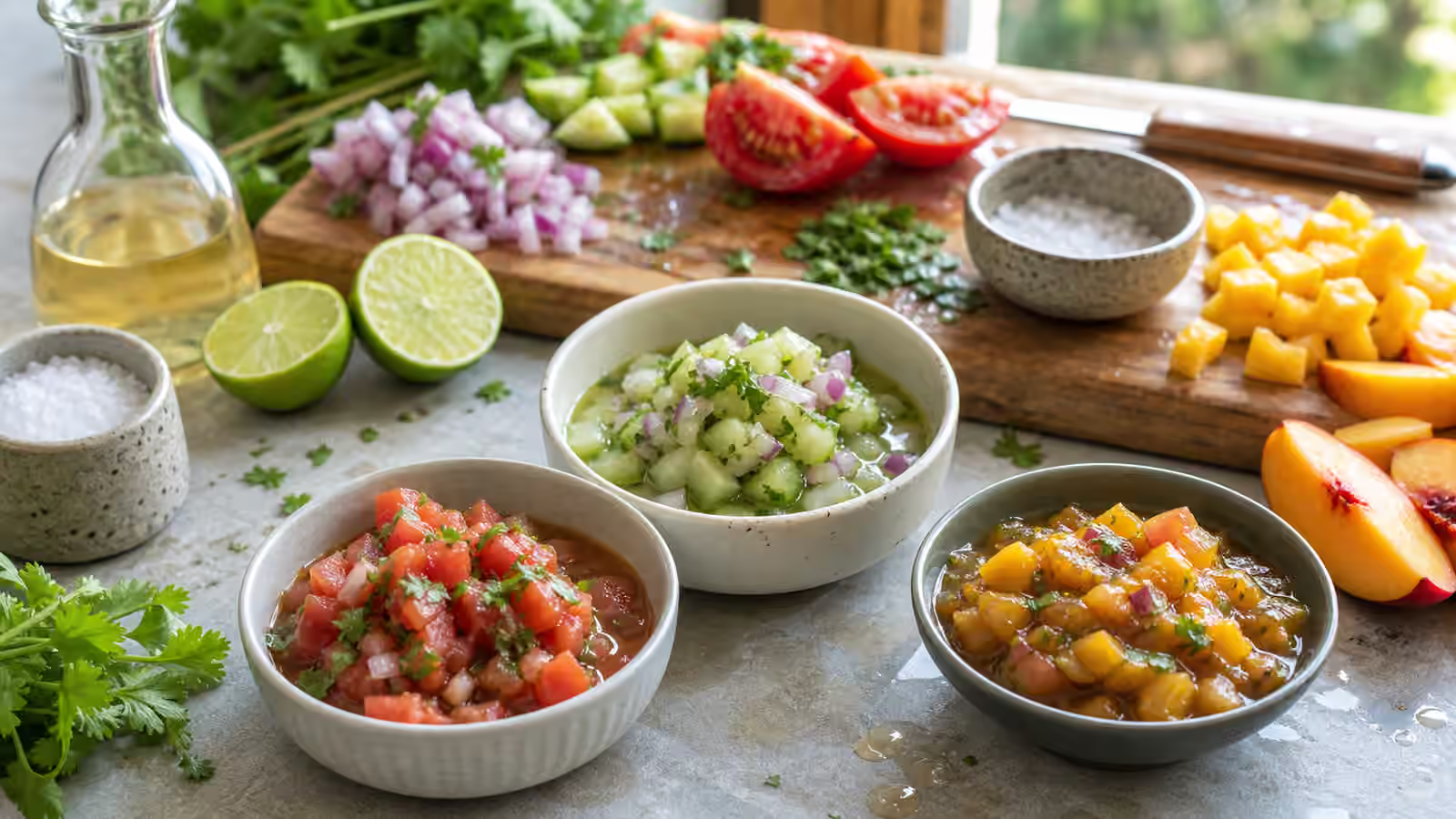
Salsas, relishes, and chutney-style condiments make salt visible because they are mostly cut surfaces, juice, acid, and time. A tomato salsa that tastes perfect at the first stir can become watery ten minutes later. A cucumber relish can taste clean until salt pulls more liquid into the bowl. A fruit chutney can seem bright but thin until salt makes the sweetness and vinegar belong together. A chopped herb sauce can turn harsh if salt is added before the cook notices capers, olives, anchovies, or pickles already in the mixture.
These condiments are small, but they often season the whole plate. A spoonful on grilled fish, eggs, beans, rice, tacos, toast, roasted vegetables, or cheese can decide the final salt balance. That makes restraint important. The condiment should be vivid enough to wake the food, but not so salty that it becomes the only thing the eater notices.
This guide belongs near Salting Tomatoes , Salting Vegetables , and Salting Fruit because the same water-release habits become sharper when chopped produce turns into a condiment. It also touches Salting Sauces and Dressings because a salsa is often both food and dressing at once.
Salt Creates the Juice, Not Just the Flavor
Fresh salsa and relish are not dry mixtures that happen to become wet. Salt actively helps create the liquid in the bowl. Tomatoes release juice. Cucumbers shed water. Onions soften. Mango, peach, pineapple, and citrus loosen. Cabbage relaxes. Herbs darken and slump if the mixture sits too long. That juice can be delicious because it carries acid, aroma, heat, and salt into the food below. It can also dilute the condiment if the cook did not expect it.
The timing should match the ingredient. A tomato salsa often improves after a short rest because the tomato juice meets lime, onion, chile, cilantro, and salt. A cucumber relish may need salting, resting, and draining or blotting before vinegar and herbs are added, especially if it will sit on bread, yogurt, or fried food. A fruit salsa may need only a tiny amount of salt because the fruit’s sweetness and acid can become savory quickly.
The first taste is not the final taste. Stir, let the mixture sit briefly, then taste the juice as well as the solids. If the solids taste bright but the juice tastes watery, the condiment may need a small amount of salt or acid. If the juice tastes salty but the solids are bland, the mixture may need more time, smaller cuts, or better stirring rather than more salt.
Acid Changes How Salt Reads
Lime, lemon, vinegar, tamarind, sour fruit, pickled vegetables, and fermented ingredients all change salt perception. Acid can make a condiment taste brighter, which sometimes reduces the need for salt. It can also make salt feel sharper at the edges, especially in a thin liquid. A salty lime juice at the bottom of a salsa bowl can dominate chips, fish, or rice even if the chopped vegetables taste moderate.
This is why the salt and acid should be adjusted together. If a tomato salsa tastes flat, do not assume salt is missing. It may need lime. If a relish tastes briny and dull, it may need more fresh vegetable or a little sweetness rather than more vinegar. If a chutney-style mixture tastes sweet but shapeless, a small amount of salt may make the vinegar and fruit speak more clearly. Salt, Acid, and Fat gives the broader pattern: salt gives focus, acid gives lift, and neither should be forced to do the other’s work.
Fat changes the answer too. A salsa spooned over avocado, yogurt, cheese, eggs, grilled meat, or fried food can tolerate more acid and salt than the same salsa eaten alone. A relish for plain cucumbers or delicate fish may need a lighter hand. Always taste with the food when the condiment is meant to finish something specific.
Onion, Chile, and Herbs Need Time to Settle
Raw onion can taste sharp at first, then soften as salt and acid work. Shallots, scallions, red onion, white onion, and garlic all change after a short rest. The mixture may seem underseasoned before the onion releases water and aroma, then stronger later. If the condiment includes raw garlic, salt can make its force spread quickly. That can be useful in a small amount and harsh in excess.
Chiles add another kind of confusion. Heat can make food seem more seasoned because the palate is awake, but it does not replace salt. It can also hide salt until the second or third bite, when the condiment suddenly feels intense. Salting a hot salsa should be done gradually, with rests between tastes. A spoonful straight from the bowl is not enough if the salsa will be eaten with chips, beans, eggs, grilled vegetables, or bread.
Herbs are delicate. Cilantro, parsley, mint, basil, dill, and chives can brighten a condiment, but they can also wilt or darken in salted acid. If the condiment needs to sit, add the sturdier ingredients first and fold in tender herbs closer to serving. The salt can do its work on the watery vegetables without exhausting the fresh herbs before they reach the plate.
Fruit Condiments Need Less Salt Than They Seem To Need
Fruit salsas and chutney-style mixtures are tempting places to add more salt because sweetness can taste vague. Mango, peach, pineapple, apple, pear, plum, citrus, and melon all become more vivid with a tiny amount. But the line between bright and oddly savory is narrow. A fruit condiment should usually taste like fruit first, then acid, heat, spice, or herbs, with salt underneath.
Texture matters. Fine salt dissolves quickly and can push the whole mixture in one direction. Flake salt can give small bursts if the condiment is served immediately, but it may dissolve into the juice as it waits. Coarse salt is risky unless crushed because one hard crystal can make a delicate fruit bite taste mineral. Salting Fruit is useful here because fruit makes over-salting obvious in a way beans or potatoes may not.
Cooked chutneys are a separate case from fresh fruit salsa. As fruit cooks, water evaporates and sweetness concentrates. Salt added early may become stronger by the end. Vinegar and sugar also concentrate. Taste near the final texture, not only at the beginning. If the chutney will be eaten with cheese, roasted meat, beans, or bread, taste it with a plain piece of that food before making the final salt adjustment.
Briny Ingredients Count Twice
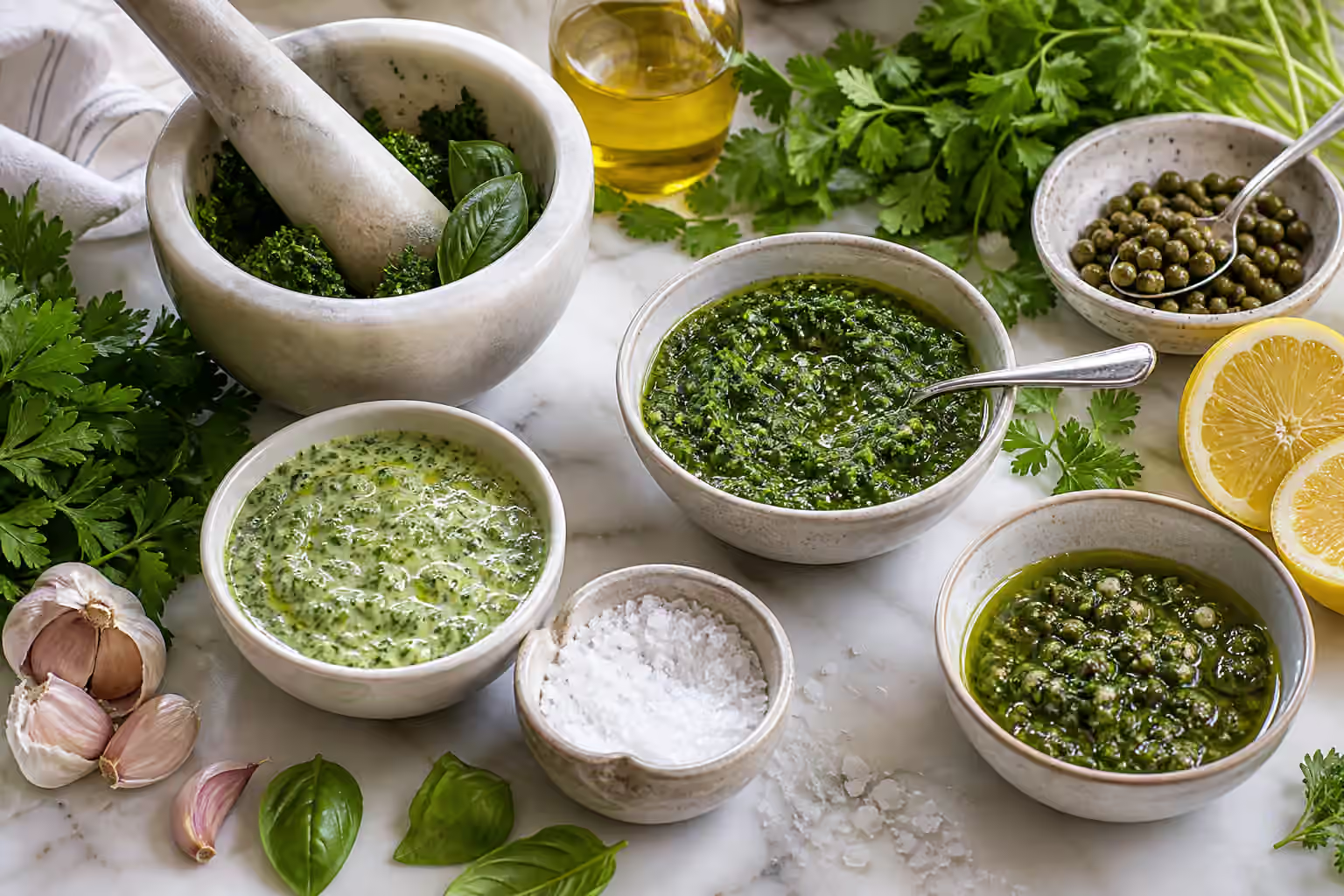
Capers, olives, pickles, preserved lemon, anchovies, fish sauce, soy sauce, miso, salted nuts, and brined cheese can make a relish or salsa feel complex quickly. They also bring salt in uneven forms. A chopped caper seasons one bite more than another. Olive pieces create pockets. Fish sauce dissolves through the liquid. Preserved lemon carries salt, bitterness, aroma, and acid all at once.
When these ingredients are present, plain salt should wait. Let the briny ingredient spread if it will spread. Chop it smaller if the mixture needs even seasoning. Keep it larger if punctuated bites are the point. Then taste the condiment with its final food. A relish with olives may taste moderate alone and salty on feta. A caper salsa may taste right on plain fish and too sharp on cured meat. Salty Pantry Ingredients is the larger guide to this habit.
Storage Is Not Preservation Advice
Fresh salsas, relishes, and chutney-style condiments may contain salt, acid, or sugar, but that does not make every jar a preservation project. A condiment for dinner is different from a tested shelf-stable preserve. For ordinary cooking, the safer and more useful assumption is that fresh chopped condiments are short-lived refrigerator foods unless a reliable preservation recipe says otherwise.
That culinary boundary helps the salt decision too. If the condiment will be eaten soon, salt for flavor and water behavior. If it will rest for a few hours, account for water release and herb wilting. If it is part of a true pickle, ferment, or preserve, follow a tested process rather than improvising from a guidebook about taste. Salt in Pickles and Fermentation covers that more specific territory.
For fresh condiments, the best habit is simple and attentive. Salt lightly at first. Let juicy ingredients answer. Taste the liquid and the solids. Balance salt with acid, heat, sweetness, herbs, and the food the condiment will finish. A good salsa or relish should make the plate feel more alive, not make every bite taste like the condiment bowl.