Rice has a way of revealing timid seasoning. A sauce can be vivid, a stew can be fragrant, and a tray of vegetables can be well browned, but if the rice underneath cooked in plain water, the bowl still feels divided. The topping tastes like dinner. The rice tastes like padding.
That is why rice deserves its own salt conversation, even though it belongs to the larger family of beans, lentils, and grains . Rice is unusually sensitive to its cooking liquid because it absorbs most of it. The salt in that liquid does not drain away like pasta water. It becomes part of the grain’s final character, for better or worse.
Good rice should not taste salty in the obvious sense. It should taste awake. The grain should have enough quiet seasoning that butter, herbs, broth, beans, curry, roasted vegetables, fish, or a fried egg can join it without having to rescue it. A final flake of salt can still be beautiful on some rice dishes, but the foundation has to be in the pot.
Absorption Makes Salt Part of the Grain
Rice cooked by absorption is different from a pot of farro boiled in excess water. Nearly all of the water you add at the beginning ends up in the finished rice or leaves as steam. That means the salt you put in the pot has very little chance to escape. This is useful because a moderate amount of salt can season the grain evenly. It is also why careless salting can make a small pot taste harsh.
The practical habit is to season the cooking liquid deliberately, not dramatically. Taste the water or broth before the lid goes on. It should not taste like seawater, and it should not taste flat. It should taste like a mild, purposeful cooking liquid. If you are using salted stock, bouillon, canned broth, soy sauce, miso, salted butter, or a salty topping, the rice needs less added salt than rice cooked in plain water.
Crystal size matters here because rice does not offer many chances for correction once the lid is closed. A spoonful of fine salt and a spoonful of loose flakes are not equivalent. If you change salts, revisit Measuring Salt and pay attention to the first few pots. Rice rewards consistency. The same pot, the same rice, and the same everyday salt teach your hand quickly.
Plain Rice Still Has a Destination
Not all rice should be seasoned with the same confidence. Rice meant to sit under a salty stir-fry, curry, braise, or sauced beans may need only a gentle baseline. Rice meant to be eaten with butter, herbs, eggs, roasted vegetables, or a simple piece of fish needs more presence because there is less external seasoning to carry the bite.
This is not a contradiction. It is context. A bowl of jasmine rice beside a salty soy-based dish can become tiring if the rice is pushed too far. A pot of plain short-grain rice for a simple lunch can taste dull if the water is treated as neutral. The cook has to imagine the finished plate before salting the pot.
The same thinking appears in Salt in Grain Bowls and Composed Plates . A bowl works when every layer has a little responsibility. Rice should not do all the seasoning, but it should not arrive silent either. When the grain has a baseline, the toppings can be more precise.
Pilaf Starts Before the Water
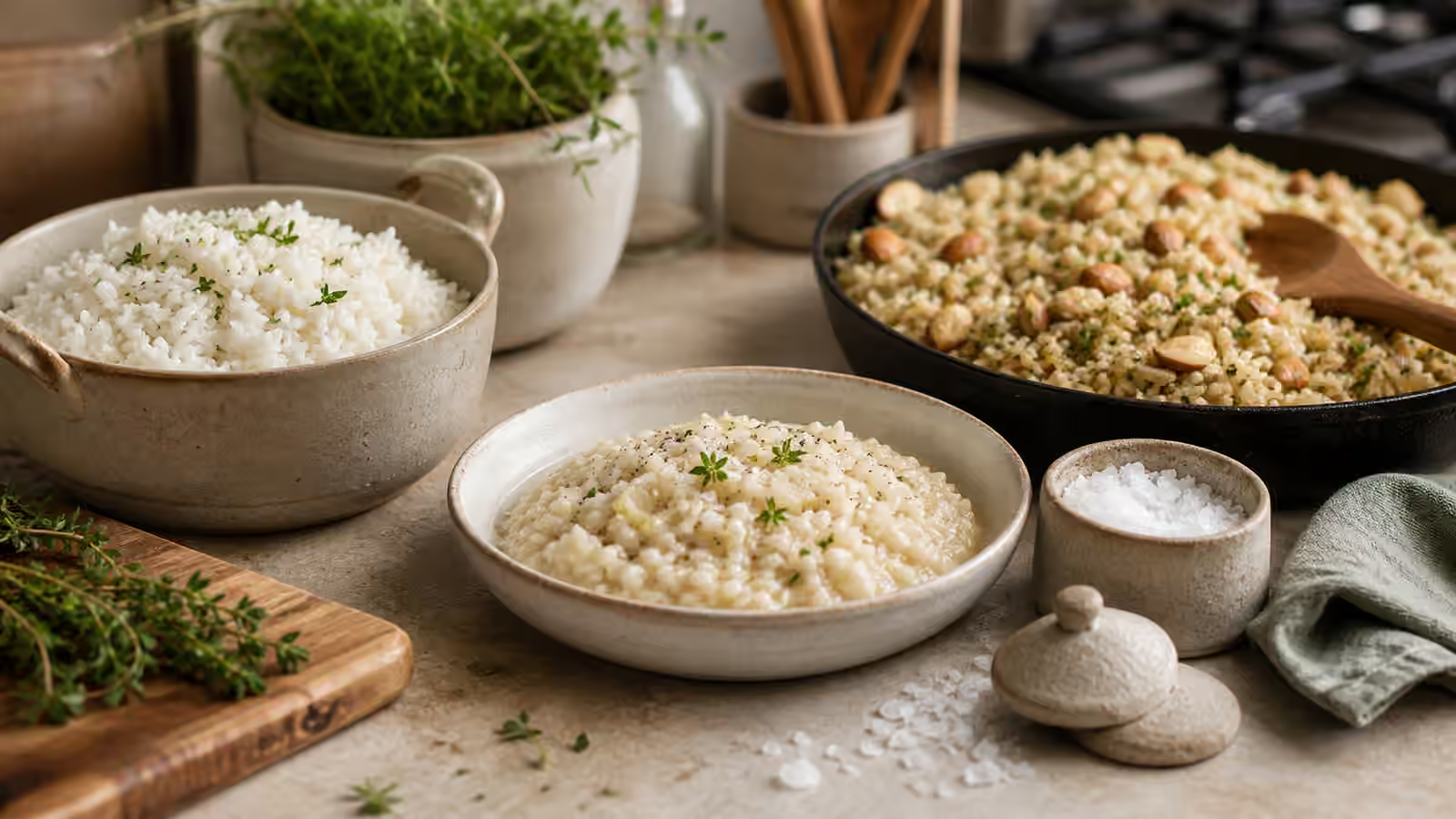
Pilaf teaches another lesson because salt joins fat, aromatics, and toasted grains before the simmer. Onion, garlic, shallot, spices, butter, oil, and rice all meet early. Salt can help aromatics release moisture and flavor, but it also has to be balanced against the cooking liquid that follows.
If the pilaf begins with salted butter, commercial broth, cheese, olives, preserved lemon, cured meat, or salted nuts, the pot already has a salting plan whether you have named it or not. Adding salt automatically because rice “needs salt” can push the dish past balance. Taste the liquid that will go into the pan. Smell the aromatics. Think about whether the final garnish is fresh herbs or salty cheese. A pilaf is built in layers, and salt belongs to all of them.
Toasting the rice in fat does not season the interior by itself. It changes aroma and surface texture, then the liquid still has to do the steady work. If the liquid is bland, the pilaf can smell rich while tasting hollow. If the liquid is too salty, the whole dish concentrates around that mistake. The best pilaf tastes as though the grains, aromatics, fat, and salt learned the same language while cooking.
Risotto Needs Repeated Restraint
Risotto is not one salting moment. It is a sequence. Stock is added gradually. Cheese may arrive late. Butter may be salted or unsalted. Mushrooms, seafood, sausage, greens, or squash can bring their own seasoning. The rice releases starch, the liquid reduces, and every ladle changes the pot.
This is why risotto can become too salty even when no single step seemed reckless. A salty stock added over and over concentrates as the rice absorbs it. Parmesan or another aged cheese can make the final minutes sharper. A finishing salt that would be lovely on roasted vegetables may be unnecessary once cheese and stock have done their work.
The calmer approach is to begin with stock that tastes pleasant but not aggressive, then delay the final adjustment until the rice is nearly done. Taste the risotto with the cheese included if cheese is part of the dish. A spoonful before cheese and a spoonful after cheese are different foods. If the risotto tastes rich but dull, a little salt may help. If it tastes salty but heavy, the answer may be acid, herbs, pepper, a little fat, or a looser texture, not more salt.
Fried Rice and Leftover Rice Need Different Timing
Leftover rice has already been cooked, cooled, and often dried slightly. It cannot absorb salt the way raw rice absorbs seasoned water. That makes fried rice and reheated rice dishes more dependent on sauces, aromatics, and surface seasoning.
Soy sauce, fish sauce, oyster sauce, miso, kimchi, salted butter, bacon, cheese, and pickled vegetables can all season leftover rice quickly. They also make it easy to overshoot. Add salty liquids in stages and let the rice toss through the pan before judging. A cold clump of rice can hide seasoning until it warms and separates.
If leftover rice tastes flat after the sauce is already balanced, a pinch of fine salt dissolved into a small amount of water, stock, or sauce can distribute more evenly than dry crystals scattered over the pan. Dry salt can work, but it may land unevenly on hot rice unless the pan is moving well. Salt for Leftovers and Reheating follows that broader problem, and rice is one of its clearest examples.
Finishing Salt Is for Texture, Not Repair
A few flakes on a bowl of rice can be pleasant when the surface matters. Think of buttered rice with herbs, a soft egg over rice, tomato rice with olive oil, or a bowl of rice and beans finished at the table. The flakes create a first impression, then dissolve into the warm grains.
But finishing salt should not be asked to fix a pot that cooked without seasoning. The first bite will taste salty on top, then the center of the grain will still feel quiet. This is the same distinction made in When to Salt : early salt becomes part of the food, while late salt changes the surface.
Rice rewards the early work because it is simple enough to show it. Season the liquid with intention. Let the grain absorb a quiet baseline. Adjust risotto after its salty ingredients arrive. Treat leftover rice as a reheating problem rather than a raw-grain problem. Then use finishing salt only when texture and first contact make the bowl better.
When rice is seasoned well, nobody needs to mention the salt. The grain simply belongs to the meal.