Breakfast grains expose a strange salt habit. Many cooks would never forget salt in bread dough, pasta water, beans, or soup, but they cook oatmeal, porridge, grits, congee, cream of wheat, and rice pudding as if grain plus liquid plus topping should be enough. Then the bowl tastes sweet but flat, creamy but dull, or savory but somehow hollow. The missing ingredient is often not more honey, more butter, more cheese, or more cinnamon. It is a small amount of salt dissolved early enough to season the grain itself.
The useful amount is usually quiet. Good oatmeal should not taste like salted oats unless that is the intention. A sweet porridge should taste more like oats, milk, fruit, nuts, and butter. A savory rice porridge should taste deeper before soy sauce, egg, scallions, or chili arrive. Salt gives the starch a center so the toppings do not have to shout.
This guide sits next to Salting Beans, Lentils, and Grains but focuses on soft breakfast textures, where salt dissolves into water, milk, starch, and sweetness. It also belongs beside Salt in Baking and Sweets because many breakfast bowls live between sweet and savory rather than firmly in one camp.
Grain Needs Seasoning Before the Toppings Arrive
Plain cooked grain can taste full when it has been salted during cooking and strangely empty when salt appears only on top. Oats are a clear example. If rolled oats simmer in unsalted water or milk, the flakes soften but remain bland inside. Brown sugar, maple syrup, fruit, or jam may make the surface taste sweet, but the spoonful still lacks depth. A small pinch of salt in the cooking liquid changes the whole bowl because it reaches the oats as they hydrate.
The same principle applies to grits, polenta, cream of wheat, rice porridge, millet porridge, buckwheat cereal, and other soft grains. Salt early enough that it can dissolve and move through the liquid. This does not need to be dramatic. It is closer to seasoning pasta water gently than finishing tomatoes with flakes. The salt should be part of the grain’s structure by the time toppings are added.
Texture affects perception. Thick porridge can hide underseasoning because the mouth is busy with creaminess. Thin porridge can make salt more obvious because the liquid spreads quickly. A bowl cooked with milk may need a little more salt than one cooked with water because dairy softens edges. A bowl cooked with broth may need less because the broth may already carry salt.
Sweet Bowls Need Salt for Clarity
Sweetness without salt can feel broad and sleepy. A tiny amount of salt sharpens oats, dairy, fruit, butter, nuts, chocolate, caramel, and warm spices. It does not make the bowl savory unless the hand is heavy. It simply helps sweetness taste more specific. Apple tastes more like apple. Maple tastes less sticky. Toasted nuts taste warmer. Butter tastes more complete.
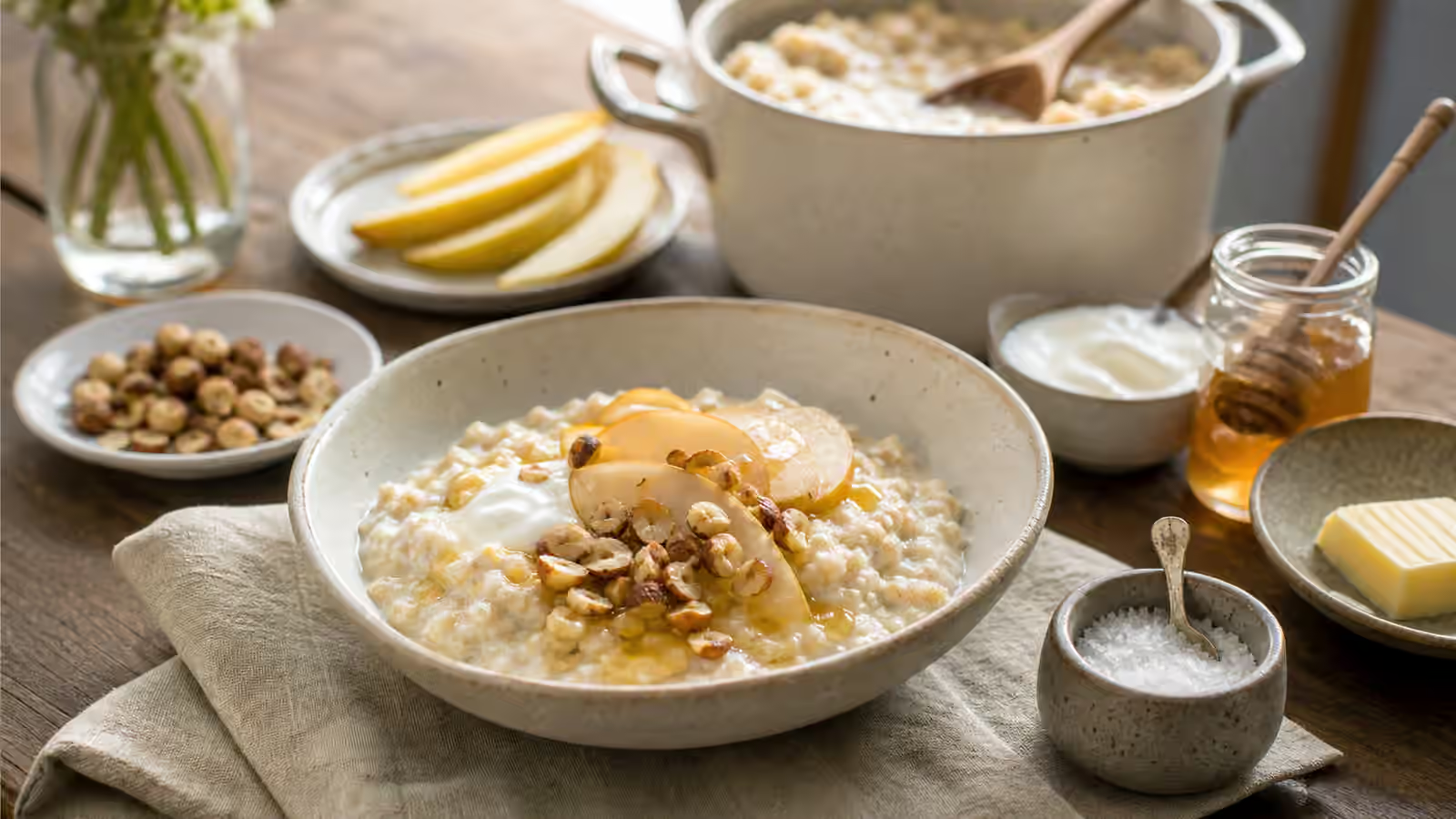
This is why cookies, cakes, caramel, and chocolate need salt even when they are clearly desserts. Breakfast grains work the same way, only with more water and less structure. A bowl of oatmeal with brown sugar and cinnamon can taste flat if the oats were never salted. A rice pudding can taste like milk and sugar without the small mineral frame that makes the rice and dairy visible. A millet porridge with pears may need salt before it needs more honey.
The timing matters. Salt dissolved in the pot is gentler and more even than crystals scattered over a finished sweet bowl. Finishing salt can still be lovely on a specific surface, such as buttered oatmeal with toasted nuts, chocolate porridge, caramelized bananas, or rice pudding. But if the grain underneath is plain, finishing salt gives only flashes. Early salt makes the whole spoonful coherent.
Savory Bowls Need a Baseline Before Condiments
Savory breakfast grains are often built from salty toppings: soy sauce, miso, cheese, bacon, sausage, salted butter, pickles, kimchi, olives, cured fish, eggs, broth, and hot sauce. Those toppings can make a bowl exciting, but they should not be the only seasoning. If the porridge base is bland, the eater gets alternating bites of plain starch and salty garnish.
Congee, grits, savory oats, and polenta all benefit from a modest baseline. If the cooking liquid is unsalted water, add salt early. If it is broth, taste the broth first and remember that long simmering can concentrate it. If cheese will be stirred in later, keep the early salt restrained. If soy sauce or miso will finish the bowl, leave room for them. Salty Pantry Ingredients is the right habit here because the final salinity may arrive through ingredients that bring flavor, color, fat, fermentation, or acid along with salt.
Eggs deserve attention too. A soft egg on porridge is not only a garnish. It changes richness and salt perception. A fried egg may need a small amount of salt on the white before it reaches the bowl. A soft-boiled egg may need finishing salt after it is opened. Salting Eggs explains that distinction, and breakfast grains make it practical because the egg and grain often share one spoonful.
Dairy, Butter, and Nuts Can Soften Salt
Milk, cream, butter, yogurt, and cheese make porridge feel richer, but they can also soften the way salt is perceived. A bowl cooked in milk may taste less obviously salted than a bowl cooked in water with the same amount of salt. Butter can carry salt beautifully, especially if it is salted butter, but it can also make a sweet bowl taste heavy if salt and sweetness are not balanced. Yogurt adds tang and may already contain some salt depending on style and use.
Toasted nuts and seeds bring another layer. They often taste fuller with salt because roasting creates bitterness and sweetness at the same time. If nuts are salted before they enter the bowl, count them. If they are plain, the porridge may need a little more baseline or a few finishing crystals where the nuts sit. A bowl with salted pistachios, salted butter, and honey needs less direct salt than a bowl with plain walnuts, unsalted butter, and sliced banana.
The cook should taste the bowl after the fat has melted and the toppings have warmed slightly. Butter changes the first impression after it spreads. Yogurt changes the acidity. Nuts change texture. A decision made before the bowl comes together can be close but not final.
Leftover Porridge Needs Moisture Before Salt
Cooked grains tighten as they cool. Oatmeal becomes stiff. Rice porridge thickens. Polenta sets. Grits can turn from creamy to dense. When reheated, these leftovers often seem bland, but the first need is usually moisture. Add water, milk, broth, or another suitable liquid and warm gently before deciding on salt. If salt is added to a cold, thick mass, it can sit unevenly and make the surface taste sharper than the center.
This is the breakfast version of Salt for Leftovers and Reheating . Starch absorbs, liquid disappears, and yesterday’s seasoning may not be distributed the same way today. Once the bowl loosens and returns to eating temperature, taste again. It may need a small pinch. It may need fruit, acid, butter, yogurt, or water. It may already be salty enough if cheese, broth, or salted nuts are involved.
Finishing Salt Should Be Small and Specific
Finishing salt belongs on breakfast grains when it creates a clear first impression. Flake salt on chocolate oatmeal, fleur de sel on rice pudding, a few crystals over buttered grits, or a light pinch on avocado and savory oats can all make sense. The crystals should land where they will be enjoyed, not scattered randomly across a deep bowl where half of them dissolve before being noticed.
For everyday porridge, the deeper habit is simpler. Salt the cooking liquid modestly. Let the grain absorb that seasoning as it hydrates. Add sweet, savory, creamy, or crunchy toppings with awareness of their own salt. Taste the finished spoonful before correcting. A good breakfast bowl should taste calm and complete, not salty. Salt is there to make the grain worth eating before the toppings get credit.