Marinades and brines make salt feel slippery because the salt disappears before the cooking begins. It dissolves into water, citrus juice, vinegar, wine, soy sauce, yogurt, vegetable juices, or whatever else forms the liquid part of the mixture. By the time food enters the bowl, there may be no visible crystals left, only a seasoned environment that can touch every surface at once.
That is useful, but it also creates confusion. A marinade can smell vivid and still be poorly salted. A brine can be salty enough to change texture but too plain to make the finished food interesting. A bowl full of oil, herbs, garlic, and lemon can look persuasive while the salt sits undissolved at the bottom. Liquid seasoning rewards calm attention because its strength is hidden.
This guide sits between When to Salt , Salting Meat and Poultry , Salting Fish and Seafood , and Salt in Pickles and Fermentation . Those guides cover timing, ingredients, and preservation more specifically. Here the focus is narrower: what happens when salt is dissolved into a liquid or paste before cooking.
A Brine Is Not Just Salty Water
A cooking brine is a liquid designed to season food before heat or service. Sometimes it is plain water and salt. Sometimes it includes sugar, aromatics, spices, citrus peel, herbs, or other flavorings. The salt is still the structural ingredient because it dissolves fully and surrounds the food evenly.
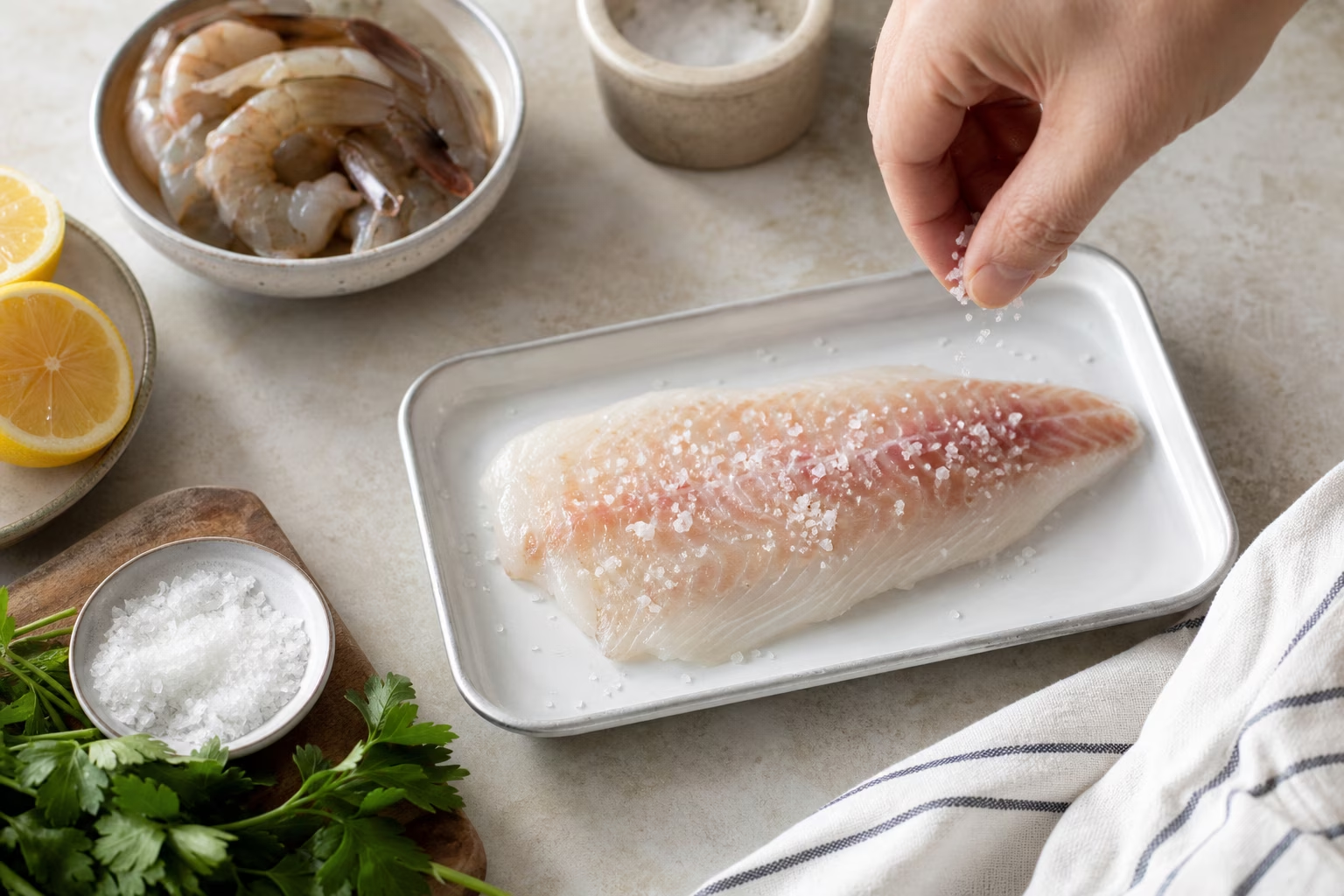
The appeal is even contact. A dry sprinkle lands where the hand put it. A brine reaches crevices, curves, and cut surfaces. That can be useful for poultry, some pork cuts, beans, vegetables, and foods that benefit from a more uniform seasoning environment. It can also be excessive if the food is delicate or thin. A shrimp, a fillet, a sliced cucumber, and a whole chicken do not need the same relationship with salt and time.
This is where recipe discipline matters. Brines often rely on proportion, and proportion is clearer by weight than by spoonful. Once salt dissolves, crystal shape no longer matters, but the amount you measured still does. A tablespoon of fine salt can carry more actual salt than a tablespoon of large flakes. Measuring Salt is not fussy in this context. It prevents the liquid from becoming stronger or weaker than intended before the food even enters it.
Marinades Have More Than One Job
A marinade usually asks salt to work alongside acid, oil, aromatics, spices, dairy, fermented condiments, or fruit. That mix can season, perfume, tenderize the surface in limited ways, encourage browning, or prepare food for a particular sauce. The mistake is expecting every ingredient to do every job.
Salt seasons. Acid brightens and can alter surface texture. Oil carries fat-soluble aromas and helps coat the food. Sugar or honey can encourage browning and balance harshness. Garlic, herbs, spices, chiles, and citrus zest bring direction. If the marinade tastes exciting but the food later tastes flat, the salt may not have been sufficient or evenly dissolved. If the food tastes salty but dull, the acid, fat, or aromatic side may be out of balance.
Salt, Acid, and Fat is the useful companion because marinades are often where those forces meet before the pan is hot. A cook can keep adding salt to a lemony marinade and still miss the problem if the acid is too sharp or the oil is too heavy. Tasting a marinade in tiny amounts is helpful, but the real test is how it behaves with the food it is meant to season.
Salt Must Dissolve Before It Can Be Trusted
Undissolved salt in a marinade is not evenly seasoning the food. It is waiting. This matters most when the liquid is mostly oil or when coarse salt is added late. Salt needs a water-based path: vinegar, citrus juice, wine, yogurt moisture, soy sauce, fish sauce, vegetable juice, buttermilk, or plain water. Oil can coat the food beautifully, but it will not dissolve salt on its own.
The simplest habit is to dissolve the salt first in the watery ingredient, then whisk in oil or thicker components. This does not require ceremony. It only means noticing where the salt can actually go. If you stir coarse salt into olive oil and herbs, then pour that over vegetables, some pieces may get little bursts while others get almost none. If the same salt first dissolves in lemon juice, vinegar, or a splash of water, the seasoning becomes more coherent.
Salty pantry liquids complicate the calculation. Soy sauce, fish sauce, miso, pickle brine, caper brine, mustard, grated cheese, and prepared condiments may bring substantial salt before you add any crystals. Salty Pantry Ingredients is useful here because the cook has to count salt even when it arrives inside flavor. A marinade made with soy sauce and miso may need no extra salt, or only a small correction after tasting.
Time Changes the Result
The longer food sits in a salty environment, the more the result changes. With some foods, time is the point. A larger piece of meat may need enough time for dissolved salt to move inward. A vegetable may need time to release water and absorb flavor. A bean or grain may benefit from seasoning before cooking. With other foods, long contact can make the texture feel tight, cured, mushy, or overly seasoned.
Fish and seafood are the clearest caution. They are delicate, and many pieces are thin. Salt and acid can change the surface quickly, so a long marinade that seems normal for a chicken thigh may be wrong for a fillet. Salting Fish and Seafood treats that delicacy directly. The liquid method does not erase the ingredient’s needs.
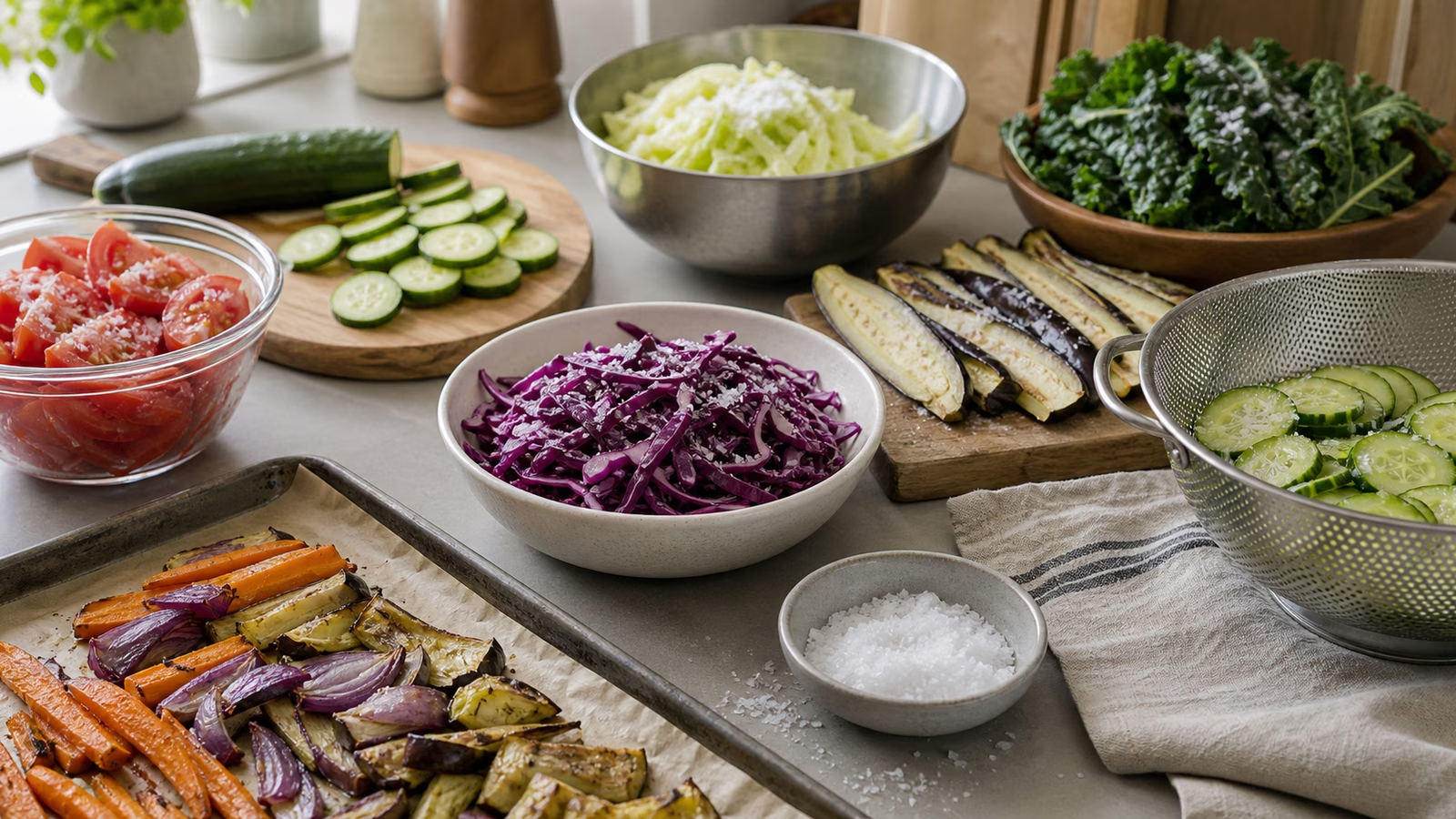
Vegetables also vary. Mushrooms, eggplant, zucchini, onions, cucumbers, cabbage, carrots, and peppers all release water differently. A salty marinade can help some vegetables relax and brown; it can make others weep into the bowl. Salting Vegetables explains the water story in more detail. In a marinade, that released water becomes part of the seasoning liquid, which can dilute or enrich the result depending on the dish.
Do Not Confuse Marinading With Preservation
Salt has a long preservation history, but a short cooking marinade is not a preservation plan. It may season, change texture, or help flavor move, but it does not make perishable food independent of ordinary handling. Keep perishable foods cold when recipes call for it, use clean containers, and follow trusted instructions for time and cooking. The salt in a weeknight marinade is there for eating quality, not shelf stability.
This distinction prevents another kind of confusion too. Salt and Preservation and Salt in Pickles and Fermentation involve proportion, time, water activity, acidity, and microbial change in ways that a casual marinade does not. Borrowing the language of brine does not make every bowl of salted liquid a preservation method.
The Final Food Still Gets a Vote
Marinated food should be tasted after cooking or resting, not judged only by the bowl. Heat evaporates water, browns sugars, dulls some aromatics, sharpens others, and concentrates surface salt. A marinade that seemed moderate can taste forceful after reduction. A brine that seemed plain can leave the food perfectly seasoned but in need of fresh acid or herbs at the end.
Finishing salt may or may not belong. If the food is already seasoned through, a visible crystal can add texture and brightness. If the marinade included salty condiments, a final pinch may push the dish too far. This is the same separation that runs through the salt guidebooks: early salt seasons, late salt finishes. Marinades and brines only make the early step less visible. The cook still has to listen at the end.