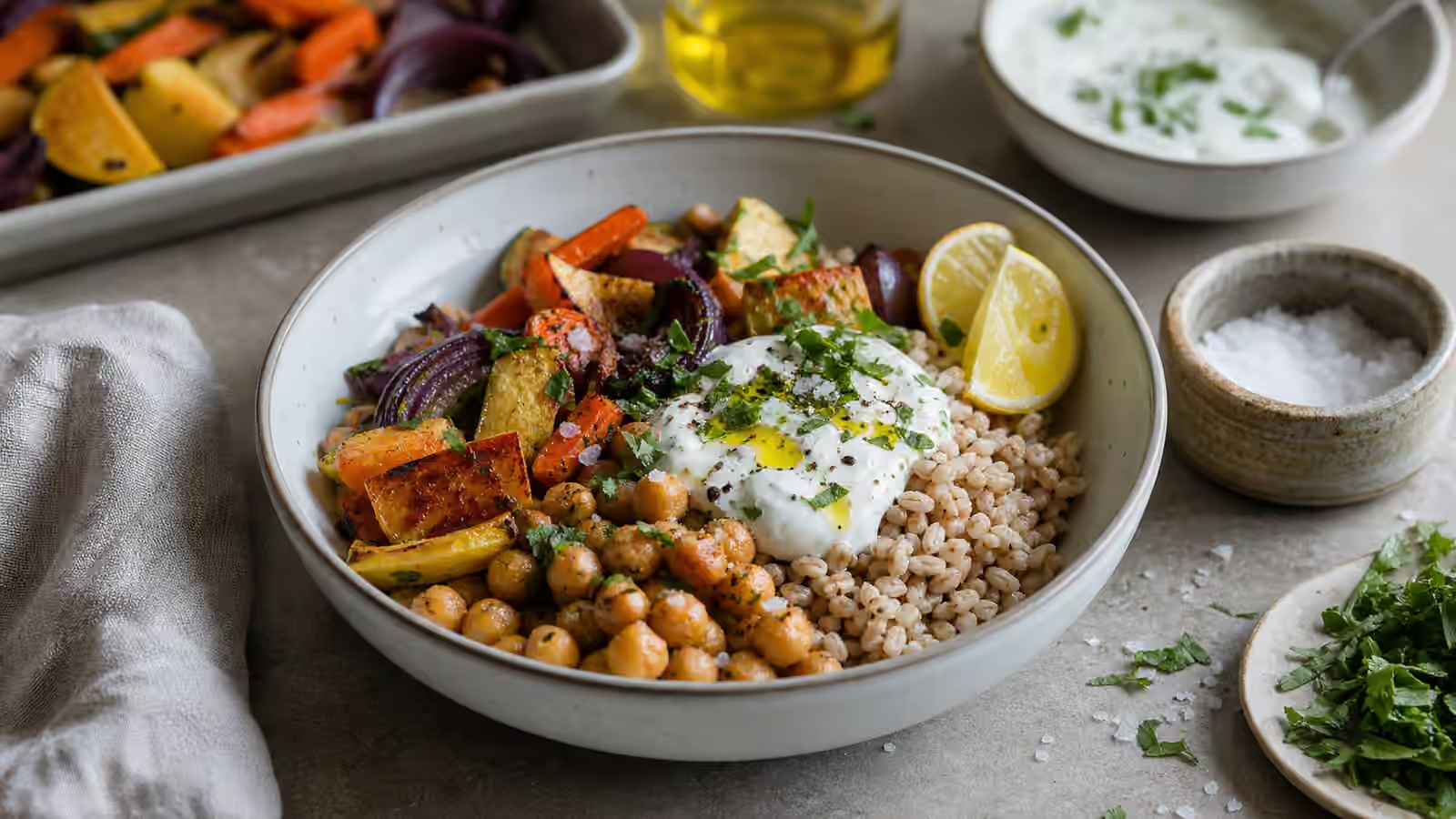
A grain bowl is not difficult because any one part is difficult. It is difficult because the eater gets several foods in the same bite, and each one has its own salt history. The rice may be plain. The roasted vegetables may be seasoned. The beans may have cooked in broth. The sauce may contain yogurt, miso, soy sauce, lemon, or cheese. The topping may be pickled, toasted, crunchy, oily, or briny. A final pinch of salt can help, but it cannot make sense of a bowl whose layers never spoke to each other.
Composed plates work the same way. A plate of grains, vegetables, eggs, fish, tofu, chicken, greens, herbs, and sauce is only as balanced as the path between its parts. The cook has to decide which layers need quiet seasoning, which layers carry strong salinity, and which surfaces deserve finishing texture. Otherwise the bowl becomes a sequence of bland forkfuls and salty surprises.
This guide extends Salting Beans, Lentils, and Grains into the assembled meal. It also sits near Salty Pantry Ingredients because bowls often rely on ingredients that carry salt before the cellar is opened: cheese, olives, pickles, miso, soy sauce, cured fish, salted nuts, broth, and dressings.
The Base Should Not Be an Empty Mattress
Rice, farro, barley, quinoa, millet, couscous, bulgur, noodles, beans, and lentils are often treated as a neutral bed. That works visually, but it fails in the mouth. A plain base can dilute everything above it, forcing the sauce and toppings to become louder than they should. The finished bowl may taste exciting only where the fork hits feta, pickle, or dressing, then dull again when the grain dominates the bite.
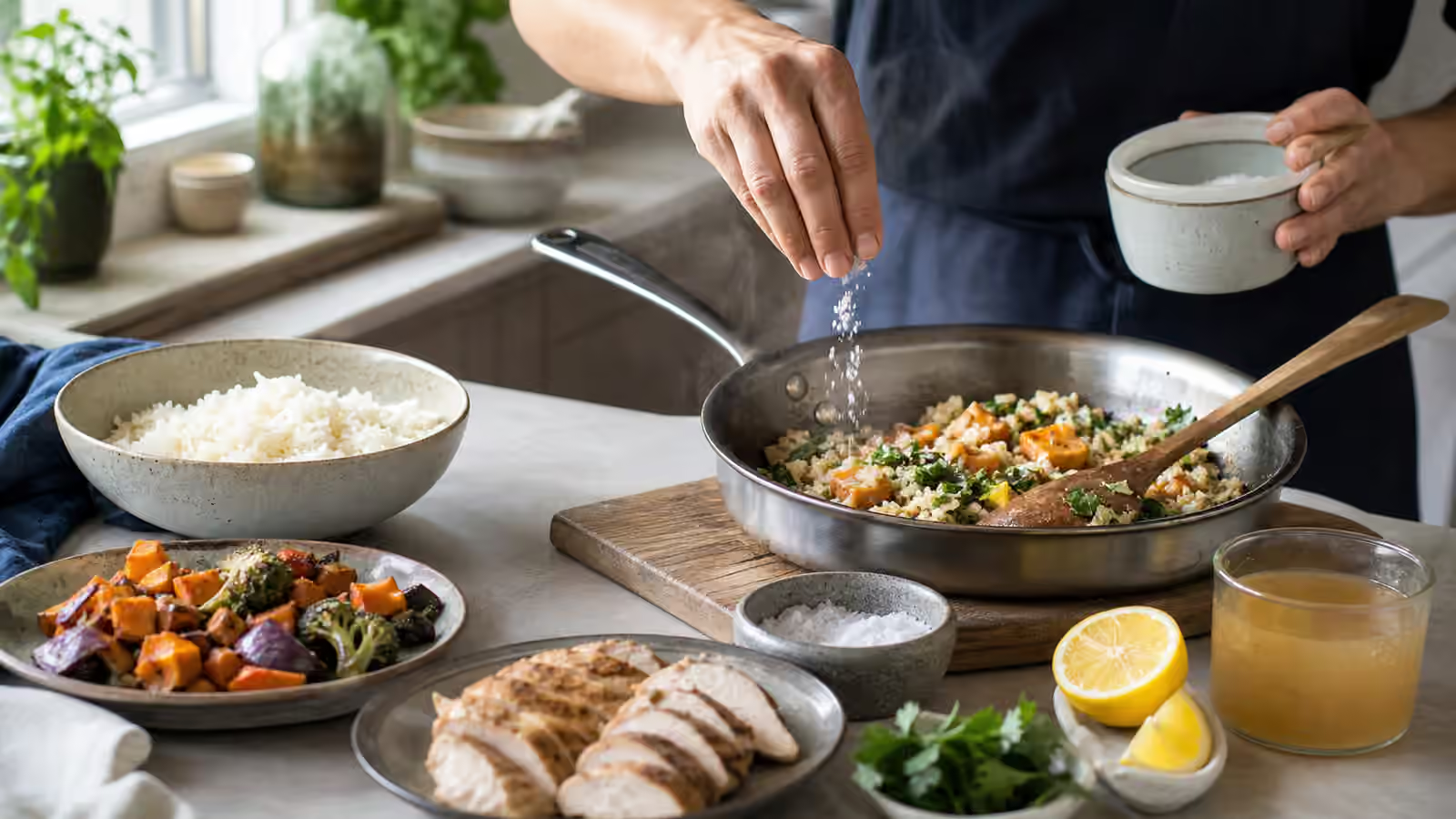
The base does not have to be salty. It has to be awake. Grains cooked with enough salt in the water taste more like themselves and need less aggressive correction later. Beans and lentils usually benefit from salt during cooking or resting so the seasoning reaches beyond the surface. If the base is already cooked plain, it can still be improved while warm with a small amount of salt, olive oil, cooking liquid, broth, vinegar, lemon, or sauce. Warm grains accept seasoning more graciously than cold grains that have tightened in the refrigerator.
Temperature changes the answer. A warm rice bowl may need less salt because aroma and steam carry flavor. A cold grain salad may need a little more seasoning, acid, or fat because cold mutes sweetness and aroma. Salt, Acid, and Fat is useful here because a bowl that tastes flat may need lemon or olive oil rather than another pinch.
Each Component Deserves a Small Decision
The most reliable bowls are built from components that are already pleasant alone but not fully final. Roasted carrots should taste like seasoned carrots. Beans should not require sauce to seem edible. Greens should not taste washed and forgotten. Tofu, chicken, eggs, mushrooms, or fish should have their own foundation. Once each component is close, the final assembly can be adjusted with a lighter hand.
This does not mean salting every component heavily. It means noticing what each one needs. Roasted vegetables lose water and concentrate, so their salt should be judged after cooking, not only before the oven. Mushrooms shrink and can become much saltier if soy sauce, miso, cheese, or salted butter joins later. Eggs need seasoning according to whether they are beaten, fried, boiled, or custardy. Tofu often needs salt in a marinade, brine, or sauce because its plain interior can make the bowl taste divided.
The cook should avoid asking the dressing to fix everything. A very salty dressing poured over bland grains and plain vegetables can taste harsh on the surface while leaving the interior dull. A modestly seasoned dressing over components that already have a foundation tastes calmer and more complete. The bowl becomes a conversation instead of a rescue mission.
Dressing Must Be Tasted With the Food
A spoonful of dressing lies. It tells you how the dressing tastes alone, not how it will behave on rice, greens, cucumbers, roasted vegetables, beans, or bread. A lemony yogurt sauce may taste properly salted from the spoon and too mild on potatoes. A soy dressing may taste intense alone and perfect once it spreads through plain rice. A tahini sauce may seem salty at first, then become softer as fat coats the tongue.
Taste the dressing with the base if the base is the quietest part of the bowl. Taste it with the most watery vegetable if cucumbers, tomatoes, or greens are involved. Taste it with the saltiest topping if the bowl will include feta, olives, pickles, capers, kimchi, miso, or cured fish. The goal is not to make the dressing timid. It is to know whether the dressing is seasoning the meal or only performing on a spoon.
Salting Sauces and Dressings explains this habit in more detail, but bowls make it especially visible because the sauce rarely covers every ingredient equally. Thick yogurt may sit in streaks. Vinaigrette may fall to the bottom. Miso butter may cling to warm vegetables and barely touch the greens. A final toss can help, but it changes the visual character of the bowl. Sometimes that is worth it. Sometimes the composed look matters, and the cook has to place sauce more deliberately.
Salty Toppings Are Punctuation, Not a Foundation
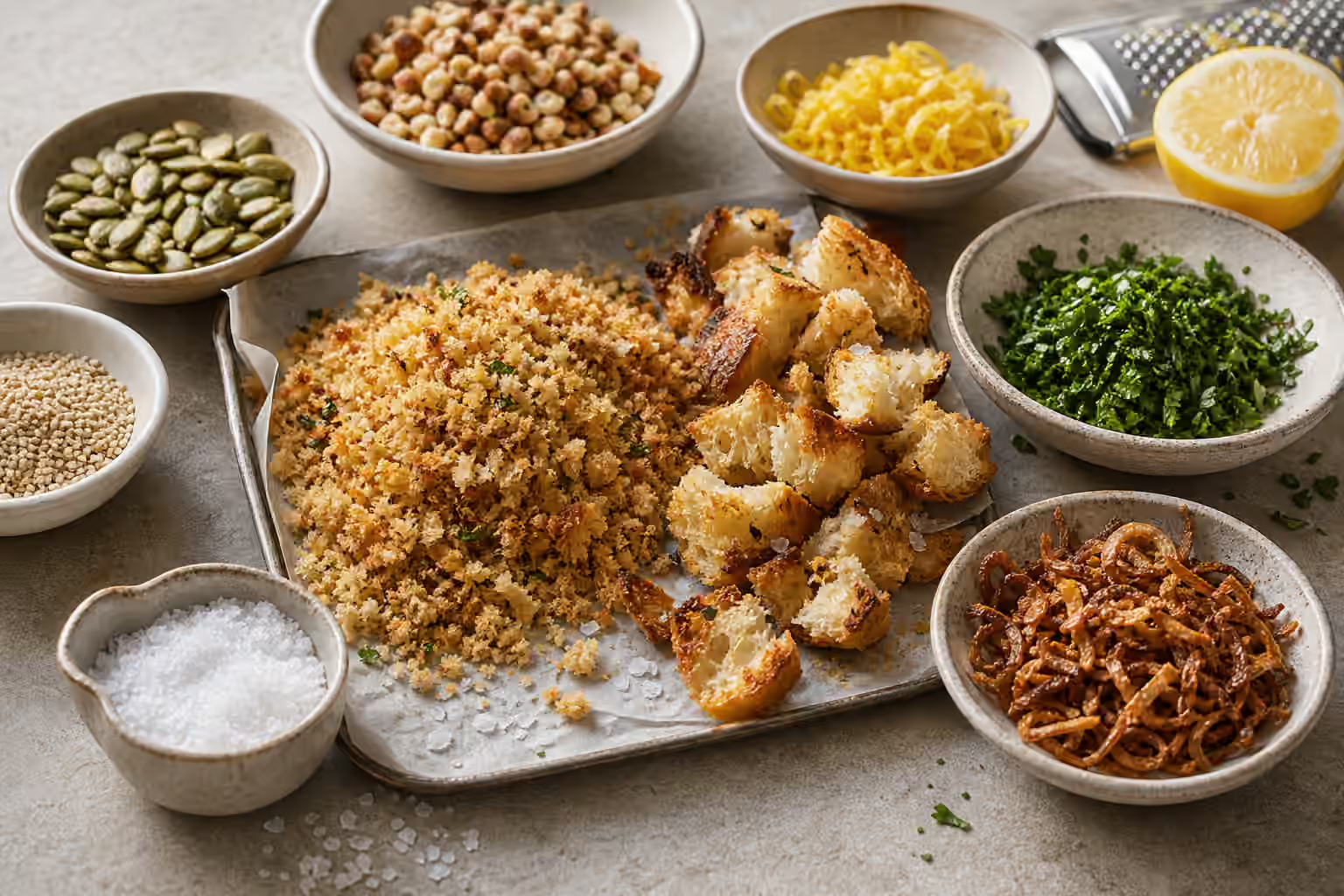
Pickles, olives, feta, Parmesan, salted nuts, toasted seeds, cured meat, anchovies, capers, crispy chickpeas, and seasoned crumbs can make a bowl feel vivid. They are strongest when they punctuate a bowl that already has a baseline. If the base and vegetables are plain, the eater chases the salty topping. If the topping runs out, the bowl collapses.
Think about whether the topping is broad or scattered. Grated cheese spreads. Crumbled feta creates pockets. Chopped olives can season a relish. Whole olives remain separate. Salted nuts bring crunch and salinity in bursts. Pickles bring acid and water as well as salt. A bowl with scattered salty pockets may still need quiet seasoning in the grains. A bowl with a salty dressing may need toppings that are crunchy or fresh but not especially salty.
Texture matters as much as sodium. A finishing salt can be useful on roasted vegetables, eggs, or avocado if the bowl will be eaten immediately. It is less useful when a wet sauce will dissolve it before the first bite or when salted nuts already provide crunch. The final pinch should add a sensation the bowl does not already have.
Meal Prep Needs Gentler Early Salt
Bowls made for later eating behave differently from bowls eaten right away. Salt keeps drawing water from cucumbers, tomatoes, cabbage, and greens. Cooked grains absorb dressing. Roasted vegetables soften. Pickles and olives continue lending brine to nearby ingredients. What tasted perfect in the morning can taste louder, wetter, or duller by lunch.
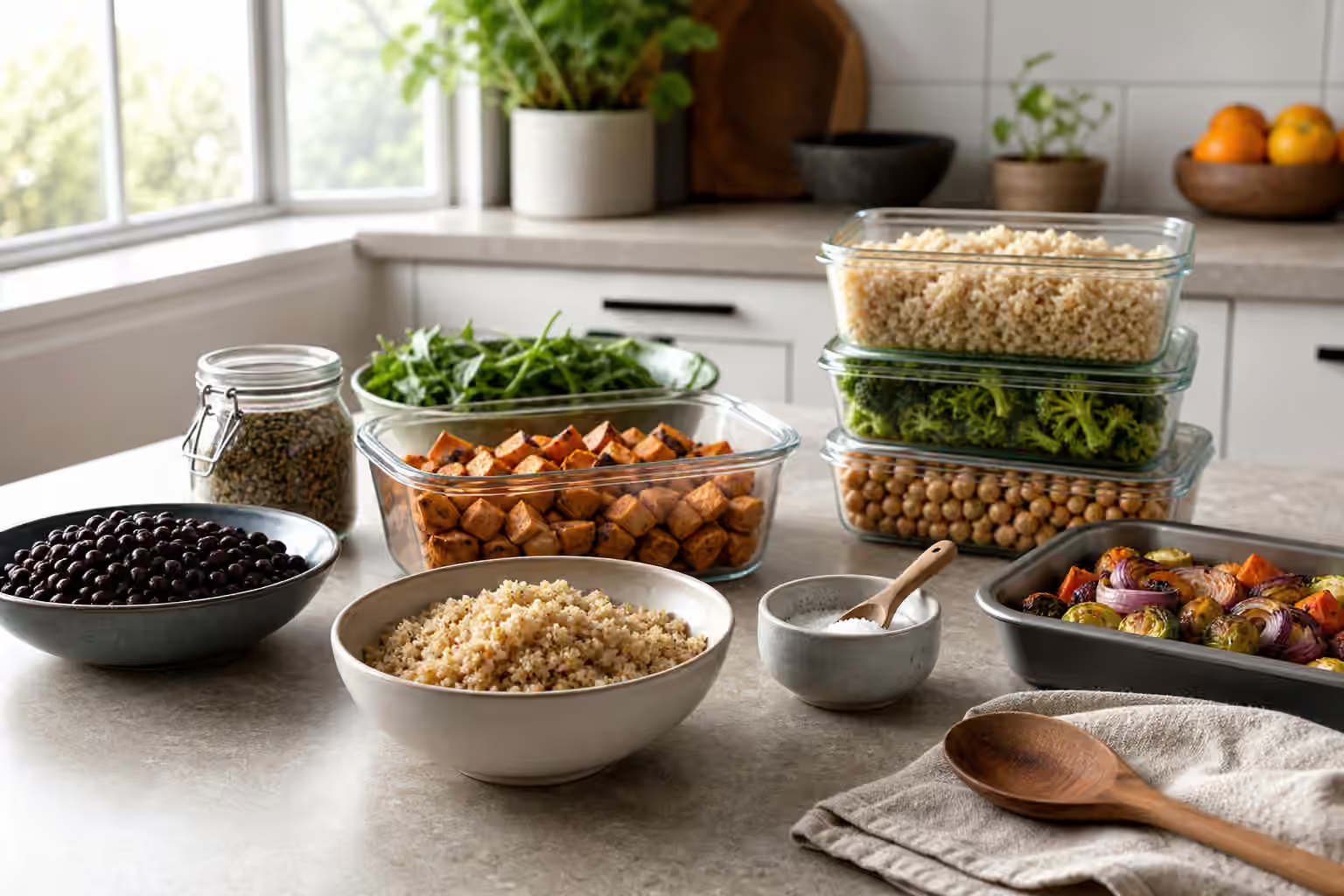
For meal prep, keep the base seasoned but not pushed to the edge. Salt watery vegetables with restraint or store them separately. Use sauces that can be added near eating time when possible. Keep finishing salt out of the container until the last moment, because its texture rarely survives a long rest. If the bowl must be fully assembled, make peace with a softer style and choose ingredients that like sitting together: beans, sturdy grains, roasted roots, cabbage, lentils, herbs that do not wilt immediately, and sauces that improve after a short rest.
Leftovers follow the same logic, which is why Salt for Leftovers and Reheating belongs nearby. Salt perception changes after food cools, rests, absorbs, and reheats. A composed bowl is not frozen in time once it is assembled.
Finish the Bite, Not the Photograph
A composed plate can tempt the cook to add salt where it looks good. A few flakes on the top of an egg, a shiny pinch over avocado, a dusting across roasted carrots, a visible crystal on yogurt. That can be right, but only if the bite needs it. Food that looks finished can still taste disconnected, and food that looks plain can taste perfectly seasoned because the work happened earlier.
Before finishing, taste a real forkful. Include the base, the sauce, the vegetable, the protein, and at least one topping. If the forkful tastes flat but not salty, add a small amount of salt where it will dissolve or be felt. If it tastes salted but heavy, add acid, herbs, or a lighter sauce. If only one component is bland, season that component rather than showering the whole bowl. If only the topping is salty, distribute it more evenly or reduce the plain salt elsewhere.
Good bowls do not need a dramatic final gesture. They need a seasoned base, components that respect their own water and texture, sauce tasted with the food, toppings used for punctuation, and finishing salt only where it improves the first second of the bite. That is what makes a bowl feel composed in flavor, not just arranged in a dish.