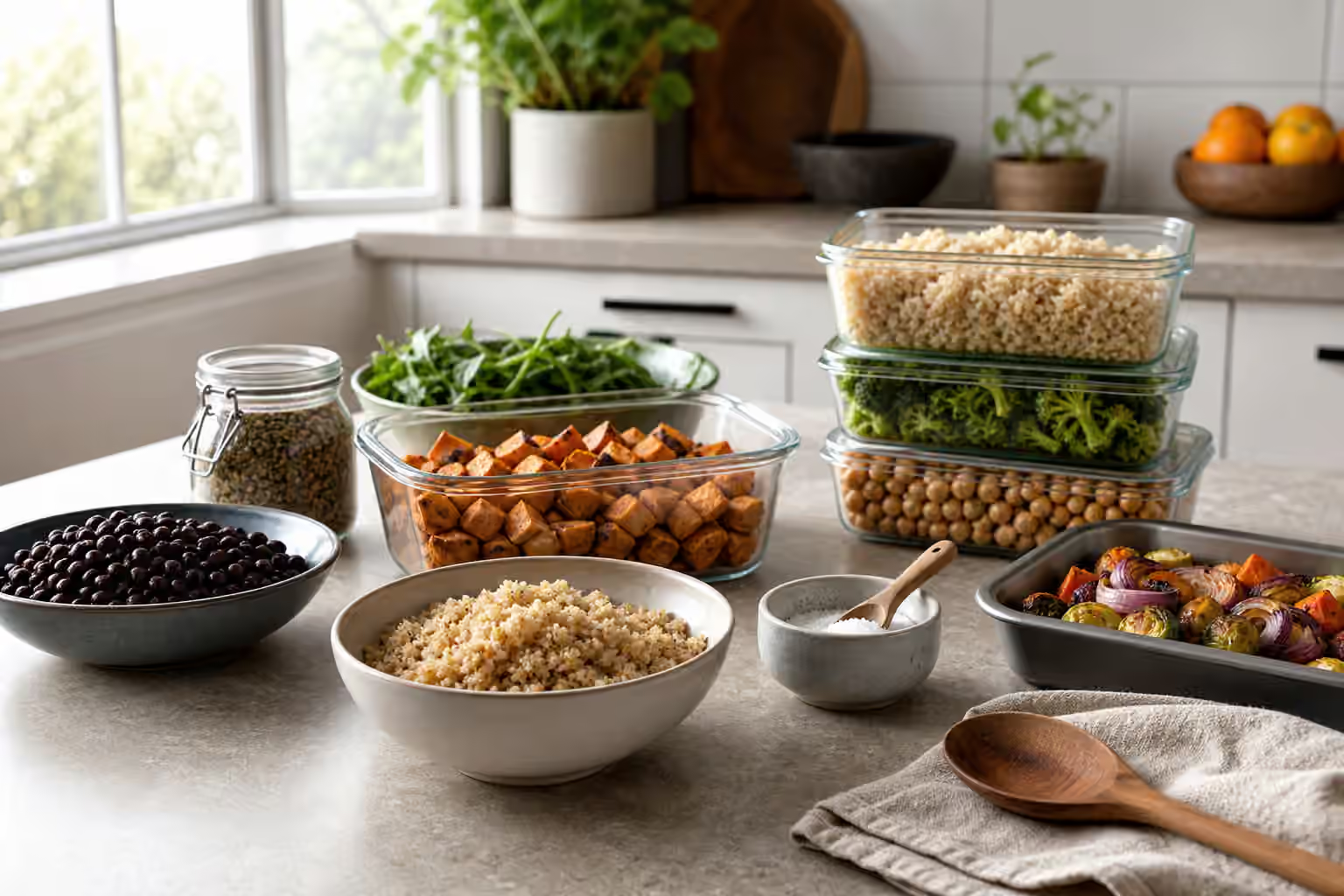
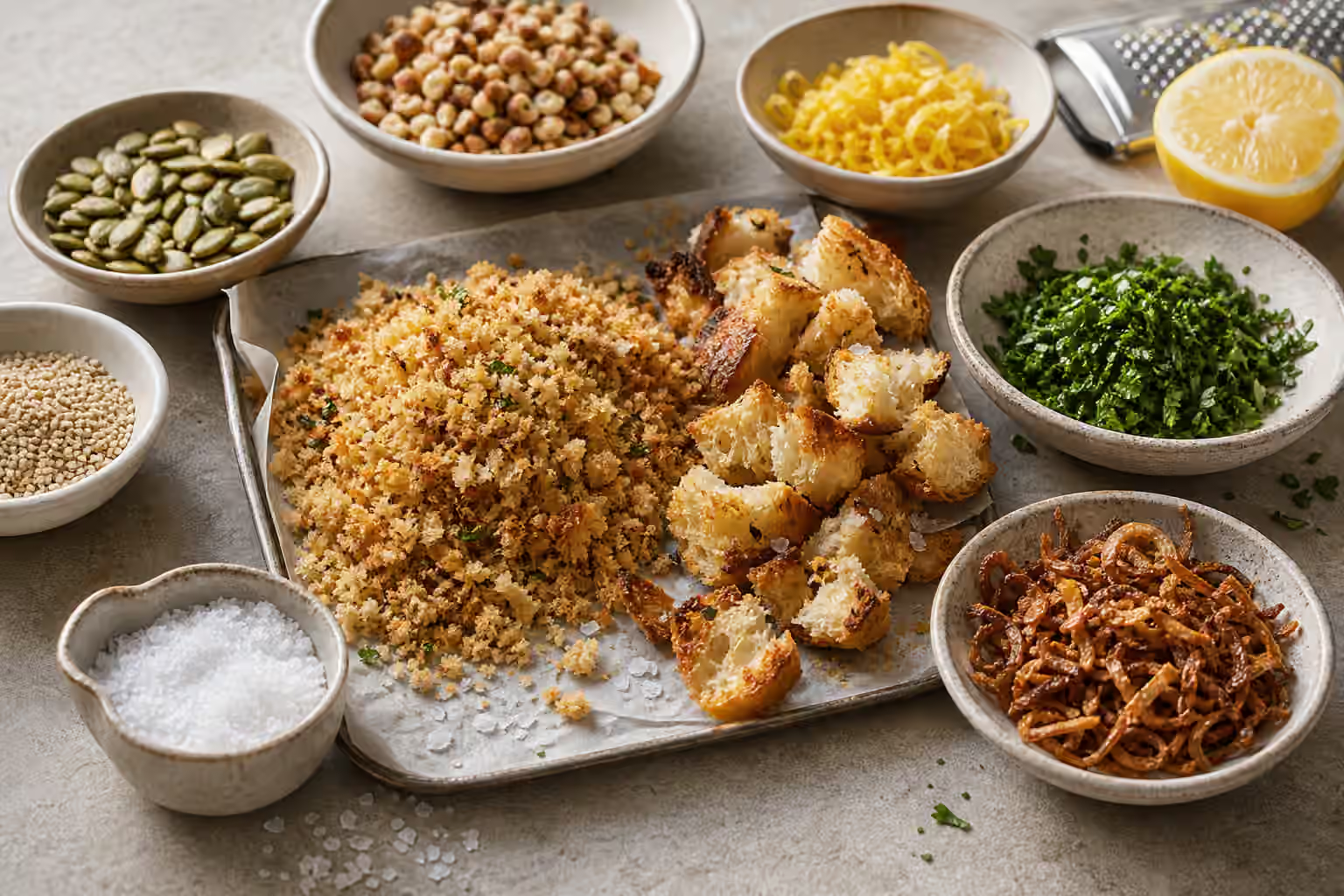
A dry rub looks like a spice mixture, but salt decides how it behaves on food. Paprika, chile, cumin, pepper, herbs, garlic powder, mustard, coriander, and sugar can all shape the aroma and color, yet salt is the ingredient that pulls moisture, helps the mixture cling, seasons the surface, and changes the way the first bite reads. Without salt, many rubs taste like fragrant dust sitting on top of dinner. With too much salt, the same rub can flatten every other flavor and make the crust harsh.
The goal is not to make one master rub for every food. The goal is to understand when salt should be part of the rub, when it should go on earlier by itself, and when a finishing pinch should stay separate.
This guide sits between Salt in Marinades and Brines and Salt on the Grill . Marinades use liquid to carry salt and flavor. Dry rubs use the food’s own surface moisture, a little fat, or time. Grilling makes the stakes obvious because heat can turn a balanced rub into a browned crust or a bitter, salty shell depending on how it was built.
Salt Is the Active Ingredient
Spices mostly sit on the surface. Some aromas bloom in fat and heat, some toast, some scorch, and some fade. Salt is different because it dissolves when it meets moisture. Once dissolved, it can move into the outer layer of the food more effectively than a dry spice particle can. That is why the timing of a salted rub matters.
If you apply a salted rub and cook immediately, much of the salt remains close to the surface. That can be useful for thin vegetables, small pieces of fish, shrimp, sliced tofu, or quick-cooking cutlets where the surface is the main experience. If you apply the same rub earlier, the salt begins drawing moisture out, dissolving, and moving back into the food’s surface. The rub may look wet after a while. That is not necessarily failure. It is salt doing work.
The mistake is thinking of a dry rub as permanently dry. A salted rub becomes a paste over time because food is not a dry board. Meat, poultry, mushrooms, eggplant, zucchini, cabbage wedges, cauliflower, and tofu all release enough moisture for the mixture to change. Good rub timing works with that change rather than being surprised by it.
Salt Alone Can Go Earlier Than Spices
For thicker foods, salt often benefits from a head start. A chicken thigh, pork chop, steak, lamb shoulder, turkey breast, or thick cauliflower wedge can be salted before the spice mixture arrives. That early salt has time to season more evenly, while fragile spices can be added closer to cooking so they stay aromatic and are less likely to burn.
This is the dry-rub version of the dry brining logic in Salting Meat and Poultry . Salt is not only flavor on the outside. Given time, it can change how the outer layer holds moisture and browns. Spices do not need the same long rest. In fact, long spice rests can sometimes make garlic powder taste stale, herbs taste dusty, or chile taste dull before the food reaches heat.
Separating the two steps also improves control. If the food is already salted, the rub can be built for aroma, color, sweetness, bitterness, heat, and texture without carrying the entire seasoning burden. If all the salt is locked inside a premixed rub, every adjustment changes both salinity and spice intensity at once. That can be convenient for repetition, but it gives the cook fewer ways to correct a dish.
Fine Salt Blends, Coarse Salt Lands
Crystal size changes how a rub distributes. Fine salt disappears into a spice blend and seasons evenly. Coarse salt remains visible, lands unevenly, and can create bright bursts. Both can be useful, but they are not interchangeable.
Fine salt is usually better when the rub needs to coat small pieces or season evenly without obvious crystals. It mixes into paprika, ground cumin, chile powder, dried herbs, and sugar without separating as quickly. Coarse salt can be pleasant on larger cuts or hearty vegetables when the crystals have time to dissolve, but it can also fall to the bottom of the bowl or create bites that taste salted in patches.
Measuring Salt matters here because a spoonful of fine salt and a spoonful of coarse crystals do not deliver the same seasoning. If you build a rub by volume and then change the salt, you have changed the recipe even if the spoon looks the same. For a rub you plan to repeat, weighing the salt once can save a lot of guessing later.
Flake salt is usually better saved for finishing. The broad crystals that make flakes beautiful on eggs or tomatoes become fragile in a jar of spices. Shaking, stirring, and rubbing can crush them before they ever reach food. If you want that brittle final crunch, add a few flakes after cooking rather than burying them in the rub.
Sugar Changes the Heat Conversation
Many dry rubs include sugar, not only for sweetness but for browning. A little sugar can help a crust color beautifully and balance chile, smoke, bitterness, and salt. Too much sugar can burn before the food is cooked, especially over direct high heat. Salt can make that burn taste even harsher because it sharpens the surface.
This is why rubs for low, slow, or indirect heat can often carry more sugar than rubs meant for hard searing. A rib-style rub, a roasted squash rub, and a quick steak rub do not face the same heat. The same mixture that tastes balanced on a slow-roasted piece of meat may scorch on thin vegetables under a broiler. Salt does not cause the sugar to burn, but it makes the result less forgiving when it happens.
For grilled food, it helps to think in layers. Salt can season early. A spice mixture can come closer to cooking. Sweetness can be restrained when heat is fierce. A finishing salt can appear after the food leaves the grill if the crust needs one clear final note. Salt on the Grill follows the heat side of that decision in more detail.
Vegetables Need Rubs That Respect Water
Vegetables are not passive surfaces. Mushrooms release water, eggplant absorbs oil, zucchini softens quickly, cauliflower has dense florets and cut faces, cabbage wedges steam inside, and carrots concentrate sweetness as they roast. A dry rub has to account for those differences.
A salted rub on mushrooms may draw out enough moisture that the first minutes in the pan look wet. That can be useful if you let the water cook off and then brown the mushrooms, but it can be frustrating if you expected instant crust. Eggplant can take salt and spice well, but it needs enough fat and heat to avoid tasting dusty. Cauliflower can carry a robust rub because its surfaces catch spices, though the florets may brown before the core softens if the heat is too aggressive. Cabbage can taste wonderful with salt, pepper, chile, and a little sugar, but the outer leaves may char while the inside is still quietly steaming.
Salting Vegetables is helpful because vegetables make salt’s water work visible. A dry rub on vegetables is not merely decorative. It starts a negotiation among salt, moisture, fat, heat, and surface area. The best rub is the one that fits the vegetable’s behavior, not the one with the longest spice list.
Rubs Should Not Replace Tasting
Premixed rubs are convenient because they make repetition easy. They are also dangerous because they can make tasting feel unnecessary. If a rub has a fixed salt level, it assumes a fixed amount of food, moisture, thickness, and accompanying sauce. Real meals rarely cooperate that neatly.
A salty rub on chicken served with plain rice may taste balanced. The same rub on chicken served with salty sauce, pickles, feta, olives, or seasoned potatoes may feel heavy. A rub designed for unsalted vegetables may be too much on vegetables that were salted earlier to draw out water. A rub with smoked salt may be pleasant on cauliflower and overwhelming on fish. Context keeps changing the answer.
This is where Salty Pantry Ingredients becomes relevant. If the rest of the plate includes soy sauce, miso, anchovies, capers, cheese, broth, cured meat, or salted butter, the rub may need less salt than usual. Salt in the rub is only one part of the meal’s total seasoning.
Storage Changes the Rub Over Time
Salt itself is stable, but a dry rub is not just salt. Ground spices fade. Dried herbs become dusty. Sugar clumps. Garlic and onion powders can absorb moisture and harden. Smoked ingredients can perfume the container. A rub that was balanced when mixed may taste dull months later, tempting the cook to use more and accidentally add more salt than intended.
Small batches are usually better than heroic jars. If you make a rub often, keep the salt proportion written down and mix enough for a few meals. If you buy a rub, notice whether salt is the first flavor or simply the structure underneath the spices. Store the jar away from steam and use a dry spoon. A damp spoon can turn the top layer into paste and make the next use uneven.
Salt Storage applies to rubs because texture and aroma are part of usability. A clumped rub can still season food, but it will not distribute well. Breaking up clumps with fingers over raw food or a hot grill is not the calmest path to good seasoning.
Finish Only If the Rub Leaves Room
A salted rub can be complete by itself. It can also leave room for finishing salt, especially when the food is large, the rub was restrained, or the final surface needs a bright first contact. A few flakes on carved grilled chicken, roasted cauliflower, or sliced steak can be lovely if the interior is seasoned and the crust is not already salty.
The final pinch should be a choice, not an apology. If the food is bland inside, finishing salt will only season the surface. If the crust is already aggressive, finishing salt will make the problem louder. If the rub has done its work, the finishing salt can add texture and focus without taking over.
A dry rub is at its best when salt has a clear job. Sometimes it belongs inside the mixture. Sometimes it belongs on the food earlier than the spices. Sometimes it belongs at the end as texture. The more clearly those jobs are separated, the better the rub tastes. Spices bring character, but salt decides whether that character becomes part of the food or merely sits on top of it.