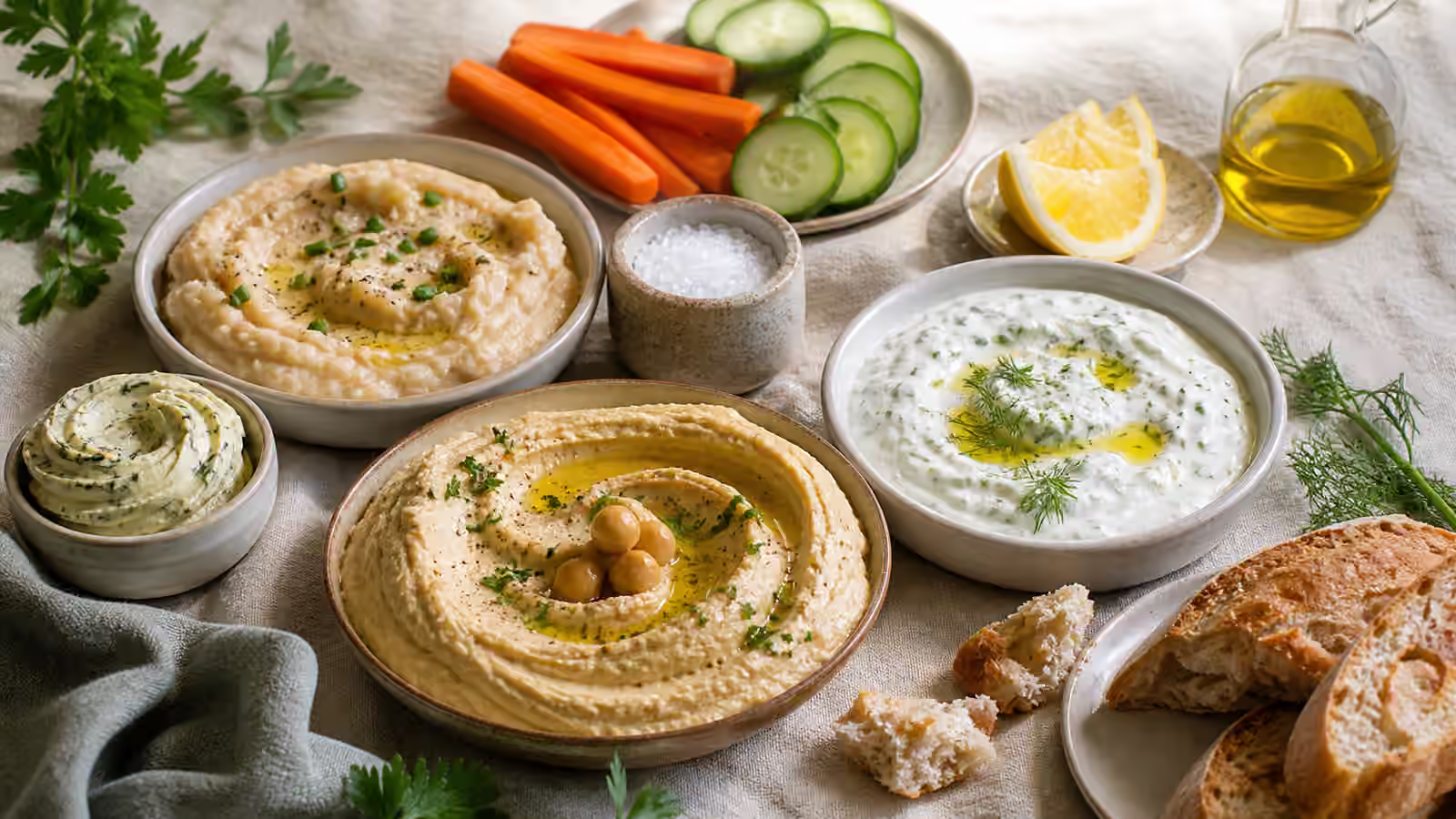
Dips and spreads are small bowls with large responsibilities. They have to season bread, vegetables, chips, crackers, eggs, sandwiches, grilled food, leftovers, and sometimes an entire snack table. They are tasted by the spoon, then eaten on something else. That difference is where salt mistakes begin.
A hummus can taste perfect from the processor and muted on raw carrots. A yogurt dip can taste gently salted on a spoon and too salty on salted chips. Herbed butter can seem mild when cold and intense once it melts into toast. A bean spread can absorb salt during a short rest and taste more balanced fifteen minutes later. The bowl is not fixed at the moment you stir it. It keeps changing.
This guide sits near Salting Sauces and Dressings , but dips and spreads deserve their own attention because they are thicker, starchier, fattier, and more dependent on what carries them. Salt has to move through dense food, dissolve before judgment, and respect the chip, cracker, cucumber, pita, toast, or vegetable that will become the real bite.
Thick Food Hides Salt at First
Smooth dips often contain beans, chickpeas, lentils, potatoes, yogurt, cheese, tahini, nuts, butter, avocado, roasted vegetables, or cooked onions. These ingredients mute salt differently than a thin vinaigrette does. Starch can make a dip seem flat until enough salt reaches through it. Fat can soften salt’s edge and make the first taste feel round. Acid can make the same amount of salt seem sharper. Cold temperature can make everything read quieter.
This is why a thick dip should not be judged too quickly. Salt needs time to dissolve into the water-based parts of the mixture. Garlic needs time to spread. Lemon or vinegar needs time to settle. Beans may absorb seasoning. Yogurt can loosen. Tahini can thicken, then relax with added water. A dip that seems slightly underfocused immediately after blending may become clearer after a short rest.
Fine salt is often useful here because it dissolves quickly and disappears into the texture. Coarse salt can work if it is given time or crushed first, but a stray crunch inside a smooth dip may feel accidental. Flake salt is usually better on top at the end than blended into the bowl. Its texture is wasted if it dissolves unevenly inside chickpeas or yogurt.
Taste With the Carrier
The food that carries the dip decides how salty the dip should be. A salted tortilla chip, a pita chip, a cracker, or a pretzel brings its own salt. Raw carrots, cucumbers, radishes, celery, and bell peppers bring water and sweetness. Toast brings browning and sometimes salted butter. Warm flatbread brings starch and aroma. A spoonful alone cannot answer for all of them.
Taste the dip on the actual food if you can. If the dip will be served with salted chips, it should taste less salty by itself than a dip intended for raw vegetables. If it will be spread inside a sandwich with cheese, olives, cured fish, or pickles, leave room. If it will be eaten on plain bread, it needs enough seasoning to carry the starch.
Salt for Sandwiches and Toast makes the same point in another form. Layered food needs connection. A spread that tastes balanced alone can disappear once bread, lettuce, tomato, and protein join it. A spread that tastes assertive alone can become perfect when it is asked to season a whole bite. Context is not a detail. It is the test.
Beans and Chickpeas Need More Than Surface Salt
Bean dips and hummus often taste dull when the beans were cooked without enough salt. You can add salt later, and it will help, but the flavor may remain surface-heavy. Beans that were seasoned while cooking make a better dip because the salt is already inside the main ingredient. Salting Beans, Lentils, and Grains explains that foundation in detail.
When the beans are already cooked and bland, dissolve salt into the liquid you use to loosen the dip. That might be bean cooking liquid, water, lemon juice, yogurt, or a little broth depending on the recipe. Salt scattered dry over thick beans may not distribute well unless the processor runs long enough and the mixture has enough moisture. A small amount of salted liquid can carry correction more evenly.
Tahini, olive oil, garlic, cumin, paprika, herbs, and lemon can make a bean dip more interesting, but they cannot fully replace salt. If a hummus tastes earthy and heavy, a little salt may make the lemon brighter and the chickpeas sweeter. If it tastes salty but still dull, the answer may be more acid, water, better texture, or fresher aromatics. Salt sharpens the picture, but it cannot paint the whole thing.
Yogurt, Cheese, and Dairy Bring Their Own Baseline
Dairy dips need careful listening because some ingredients arrive salted before the cook begins. Feta, labneh, cream cheese, sour cream, salted butter, blue cheese, aged cheese, and some cultured dairy products can carry enough salt to change the whole bowl. Plain yogurt may need salt to taste savory. A feta-yogurt dip may need very little added salt at all.
Temperature matters. A cold dairy dip can taste muted from the refrigerator, then seem saltier as it warms slightly. Herbs and garlic also change. Raw garlic can become louder during rest, and salt can pull moisture from herbs so their flavor spreads through the dip. If you salt aggressively before that rest, the final bowl may feel sharper than expected.
Salted Butter, Cheese, and Yogurt is useful here because dairy often acts as seasoning rather than merely richness. A spoonful of salted yogurt sauce over grilled vegetables is not just a topping. It is part of the salt plan for the plate. That means the vegetables, bread, or meat underneath should be seasoned with the dairy in mind.
Fat Spreads Salt Slowly
Butter spreads, nut spreads, avocado mixtures, and olive-oil-heavy dips can make salt feel gentle because fat rounds the edges. That gentleness is pleasant, but it can trick the cook into adding more and more salt before the mixture has had time to settle. Once the spread melts on toast or meets a salty garnish, the hidden salt can step forward.
Compound butter is a clear example. Salted butter plus herbs, garlic, lemon zest, anchovy, capers, miso, or cheese may need no extra salt. Unsalted butter with herbs may need a little. The spread should be tasted on the food where it will melt. A cold dab on a spoon cannot predict a warm slice of bread, a baked potato, grilled corn, or fish.
Avocado dips and nut-based spreads also need acid and texture as much as salt. If an avocado spread tastes flat, lime or lemon may bring it to life with less salt than expected. If a nut spread tastes heavy, water and acid may open it. Salt, Acid, and Fat is the broader map. Dips make that balance practical because the bowl can move from dull to harsh with only a few careless pinches.
Rest, Then Adjust
A short rest is one of the most useful seasoning tools for dips. Ten minutes lets salt dissolve, starch absorb, garlic bloom, herbs soften, and acid spread. It also lets the cook taste the dip closer to how it will be served. This matters especially for hummus, bean dips, yogurt sauces, onion dips, cheese spreads, roasted vegetable dips, and tahini mixtures.
Rest does not mean ignoring food safety or leaving dairy out indefinitely. It means giving the mixture a reasonable pause before the final salt decision. If the dip will be served cold, chill it, then taste again before serving. Cold food can seem less aromatic, so the final adjustment may need to be small and precise. If the dip will be served warm, taste it warm because heat changes both aroma and salinity.
The final adjustment should be made with the carrier nearby. Dip a cucumber. Tear bread. Taste with a chip. Spread it on toast. The real bite will tell you whether the bowl needs salt, acid, water, oil, herbs, or simply more time.
Finishing Salt Belongs on the Surface
A few flakes on top of a finished dip can be beautiful when the dip underneath is already seasoned. They add a first sparkle and a little texture to hummus, labneh, whipped feta, bean puree, butter, avocado, or roasted eggplant. They also signal where the first bite will be strongest.
But finishing salt should be restrained because every scoop pulls from the surface at first. A heavy shower can make the opening bites harsh and the later bowl flat. If you want texture, scatter lightly. If the whole dip is underseasoned, stir in dissolved salt and let it rest instead of decorating the surface with a problem.
Dips are generous because they make small corrections obvious. They teach the cook to wait, taste with context, and respect the food that carries the bowl. A well-salted dip does not taste like salt. It makes chickpeas taste nuttier, yogurt taste brighter, butter taste deeper, vegetables taste more deliberate, and bread taste like part of the same conversation.