
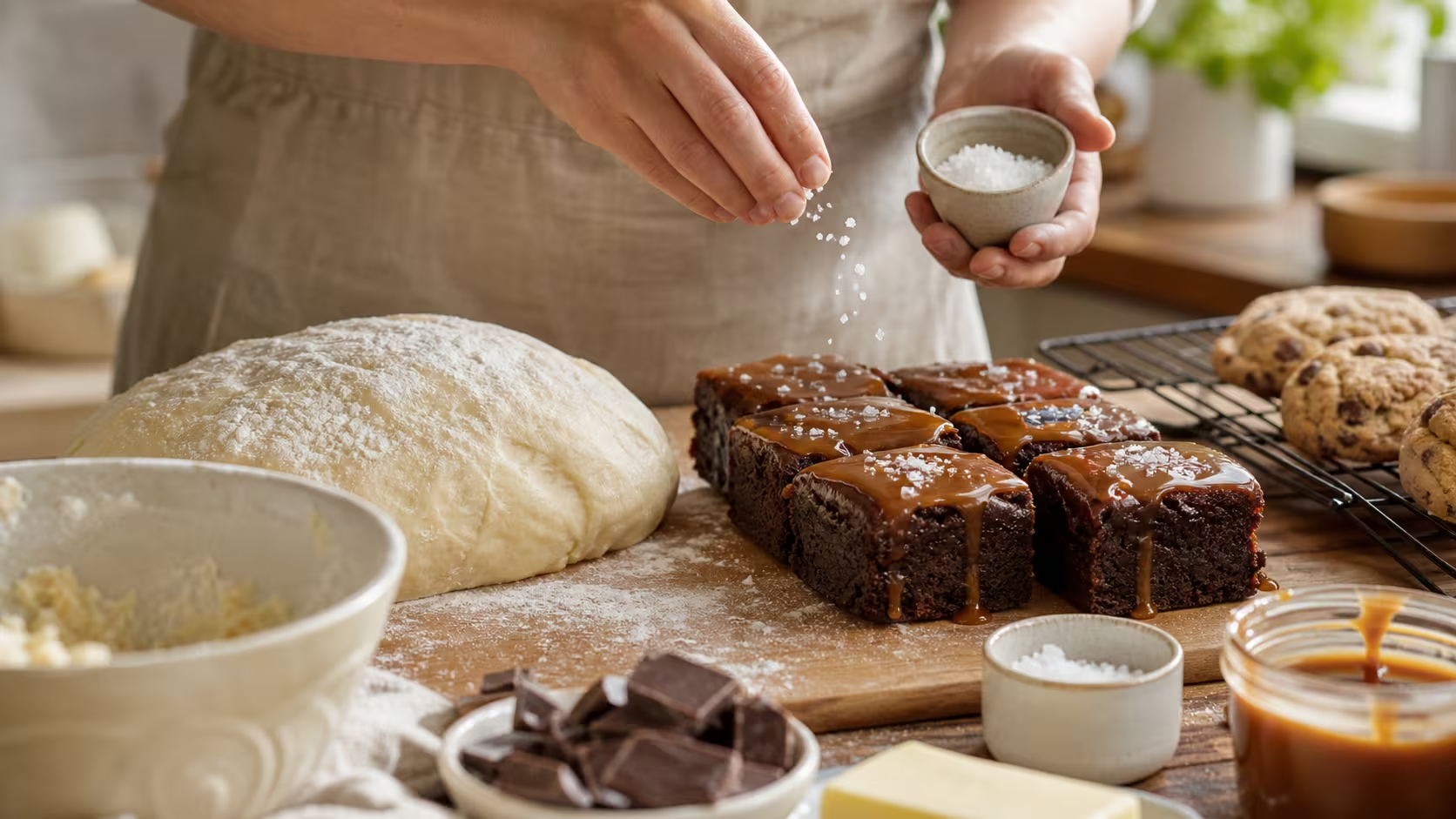
Salt is easy to notice when it is sitting on a tomato or cracking across a fried egg. In baking, it is quieter. It hides in dough, butter, chocolate, custard, fruit, caramel, and crumbs, doing work that people miss until it is gone. A cookie without enough salt tastes flat even if it has plenty of sugar. Bread without salt tastes unfinished, almost hollow. Caramel without salt can feel sweet in one thick note. Chocolate without salt may taste duller than it should.
The point is not to make desserts taste salty. The point is to make them taste more like themselves. Salt sharpens sweetness, steadies bitterness, deepens butter, wakes up fruit, and gives the tongue a reason to keep paying attention. In savory cooking, salt often announces itself through balance. In sweets, it acts like focus.
Bread teaches the lesson plainly
Bread dough is one of the best places to understand salt because the difference is not subtle. Flour, water, yeast, and time can produce something edible, but salt changes the dough and the flavor. It strengthens the impression of wheat, controls fermentation, tightens gluten behavior, and makes the finished loaf taste complete. Without it, bread can rise and brown, but it often tastes like a sketch.
Salt also affects timing. Yeast activity slows when salt is present, which is not a problem; it is part of control. A dough that ferments too freely may become slack or overactive. A properly salted dough develops flavor while staying more manageable. This is why bread formulas often treat salt as a small but serious percentage of flour weight. It is not tossed in casually at the end. It is part of the structure.
The kind of salt matters less inside a dough than the amount. Once dissolved, fine sea salt, kosher salt, and many other plain salts become ions in the water. What matters is measuring accurately. A spoonful of one salt is not always equal to a spoonful of another because crystal size changes volume. Weight is the cleanest method. If you bake often, weighing salt removes a surprising amount of guesswork.
Cookies need contrast
Cookies are where many people first notice salt as pleasure. A chocolate chip cookie with enough salt feels rounded. The butter tastes more buttery, the brown sugar tastes darker, the chocolate tastes deeper, and the sweetness does not become tiring as quickly. A cookie with too little salt may look perfect but taste like it is holding something back.
Salt can enter a cookie in two ways. It can be mixed into the dough, where it seasons the whole bite, or it can be added on top, where the crystals create tiny flashes of contrast. Those jobs are different. The salt inside the dough should usually be fine enough to distribute evenly. The salt on top should have texture and restraint. A few flakes can make a cookie feel finished. Too many can turn dessert into a dare.
Finishing salt works especially well with brown butter, dark chocolate, rye flour, peanut butter, tahini, oats, caramel, and toasted nuts. Those ingredients already carry savory or bitter edges, and salt helps connect them to sweetness. The result does not have to be dramatic. Often the best salted cookie is one where nobody says, “This is salty.” They just reach for another.
Cakes and custards need a gentler hand
Cakes are less forgiving of obvious salt because their pleasure often comes from softness, aroma, and crumb. A vanilla cake needs salt, but it should not feel salted. The salt should make the vanilla clearer, the butter rounder, and the sweetness cleaner. The same is true of pastry cream, custard, whipped fillings, and buttercream. A tiny amount can turn sugar and fat into flavor. Too much can break the illusion of delicacy.
This is why recipes for cakes and custards often call for fine salt. You want it dissolved and invisible. Coarse crystals trapped in a tender crumb are usually unpleasant unless the recipe is built around that effect. The place for finishing salt is more often on the outside: a salted caramel drip, a sprinkle over chocolate ganache, a few flakes on a slice of olive oil cake with citrus, or a careful touch over cream and roasted fruit.
Custards show how salt works with dairy. Milk, cream, eggs, and sugar can become blandly rich. A little salt gives the richness direction. It does not make the custard savory. It makes the vanilla, chocolate, coffee, citrus, or caramel more legible.
Chocolate loves salt because chocolate is complicated
Chocolate is not simply sweet. It is bitter, roasted, fruity, earthy, nutty, acidic, creamy, and sometimes floral. Sugar can soften those edges, but salt can organize them. That is why salted chocolate feels so natural. The salt does not fight the chocolate. It points out what the chocolate was already doing.
Dark chocolate benefits because salt lowers the sense of bitterness just enough for other flavors to come through. Milk chocolate benefits because salt keeps the sweetness from becoming sticky. White chocolate, which can taste mainly like sugar and milk, often becomes more interesting with salt because the dairy notes feel cleaner and less cloying.
Salted chocolate desserts should still be built with care. A brownie with salt in the batter and flakes on top can be beautiful, but only if both amounts are modest. Chocolate ganache can take a tiny pinch of salt and taste more expensive. Hot chocolate can be transformed by a small pinch because salt pulls cocoa out of the background. The danger is not salt itself. The danger is forgetting that chocolate holds flavor for a long time on the tongue. A heavy-handed sprinkle can linger too loudly.
Caramel needs a boundary
Caramel is sugar pushed toward bitterness. As it cooks, it moves from pale sweetness to amber, then deep toast, then burnt. Butter and cream make it luxurious, but they also make it heavy. Salt gives caramel a boundary. It keeps the sweetness from spreading everywhere at once.
Salted caramel became famous because the contrast is easy to love, but the best version is not just caramel plus a lot of salt. The caramel still needs proper cooking. Pale caramel with salt tastes sweet and salty but not deep. Deep caramel with a measured amount of salt tastes layered: bitter, buttery, sweet, warm, and clean at the finish.
If you are making caramel sauce, add salt after the cream and butter have been incorporated, then taste when it is cool enough to judge. Hot sugar hides balance. A sauce that tastes perfect while steaming may seem stronger once it cools. For finishing candies or brownies, flaky salt gives a clean burst because the crystals sit on the surface instead of dissolving into the whole batch.
Fruit desserts use salt differently
Fruit already has acidity, fragrance, and water. Salt helps those qualities speak. A pinch in apple pie filling can make the apples taste more apple-like. A little salt in berry compote can make the fruit seem brighter. Roasted peaches, citrus curd, banana bread, plum galette, and strawberry shortcake all benefit from enough salt in the surrounding dough, cream, or filling.
This is not the same as salting fruit aggressively. The goal is to sharpen flavor without making the dessert taste seasoned in a savory way. Salt is especially helpful when fruit is not perfect. Supermarket berries, tired apples, and mild peaches often need a little help. Sugar alone makes them sweeter. Salt and acid make them more alive.
Finishing salt is texture, not just flavor
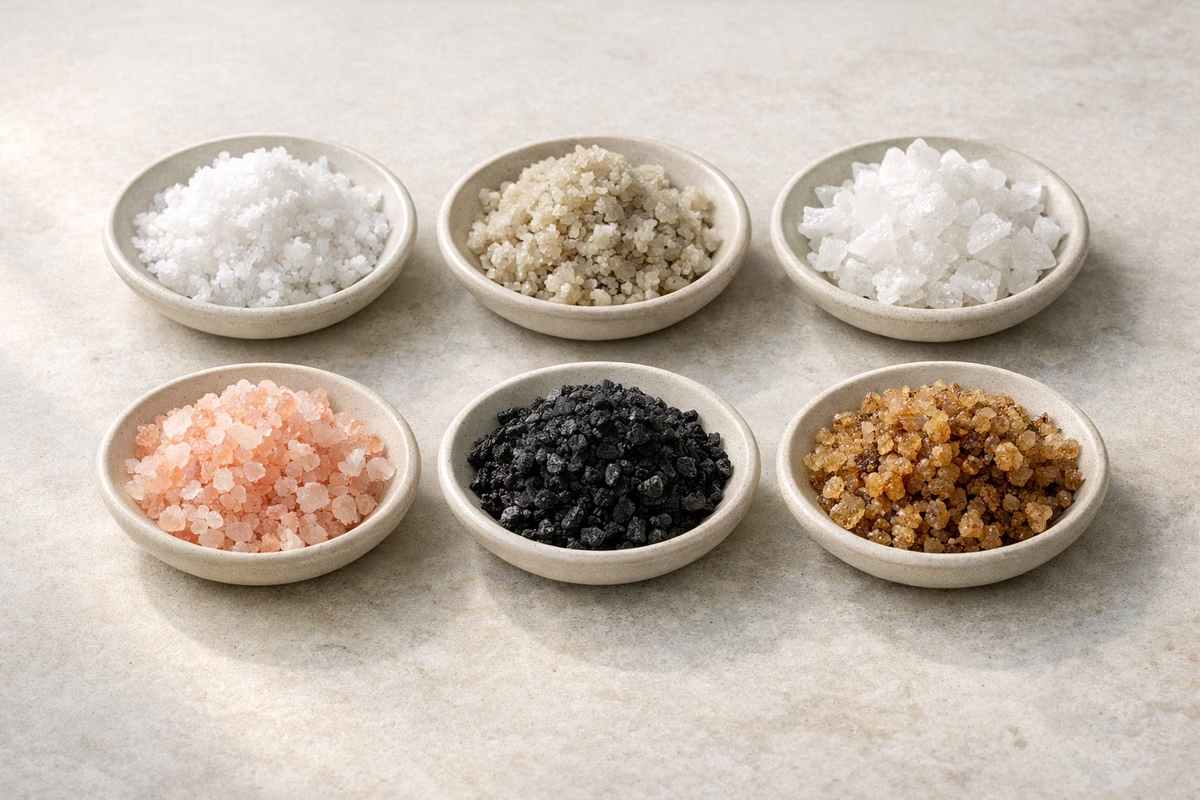
A finishing salt on sweets should earn its place with texture. Flakes, delicate sea crystals, and brittle salts work because they dissolve in small bursts. Dense coarse salt can feel like grit. Damp salts can be lovely on some caramels but may melt into soft desserts faster than expected. The best finishing salt for a cookie is not always the best finishing salt for custard, fruit, or chocolate bark.
Use less than you think, then learn. One pinch over a tray of cookies is different from one pinch over a single cookie. A few crystals on each brownie square may be enough. A caramel tart may need salt near the edge and center so each bite gets a little contrast. The work is tactile. You learn it by watching where your fingers land.
Salt in baking is humble because it rarely gets top billing. It is also one of the easiest ways to become a better baker without buying special equipment. Measure the salt inside the recipe carefully. Use finishing salt only when texture helps. Taste doughs and fillings when it is safe to do so. Notice when sweetness feels flat, when chocolate feels muted, when caramel feels heavy, and when bread tastes unfinished.
That noticing is the real skill. Salt does not make baking clever. It makes baking clear.
