Watery vegetables are generous until they flood the dish. Cucumbers make a salad feel cool, then release enough liquid to thin the dressing. Zucchini browns at the edges while the center turns soft and damp. Eggplant can soak up oil, give back water, and still taste under-seasoned. Celery, radishes, summer squash, tomatoes, and cabbage all carry a similar lesson: salt does not merely season them. It decides where the water goes.
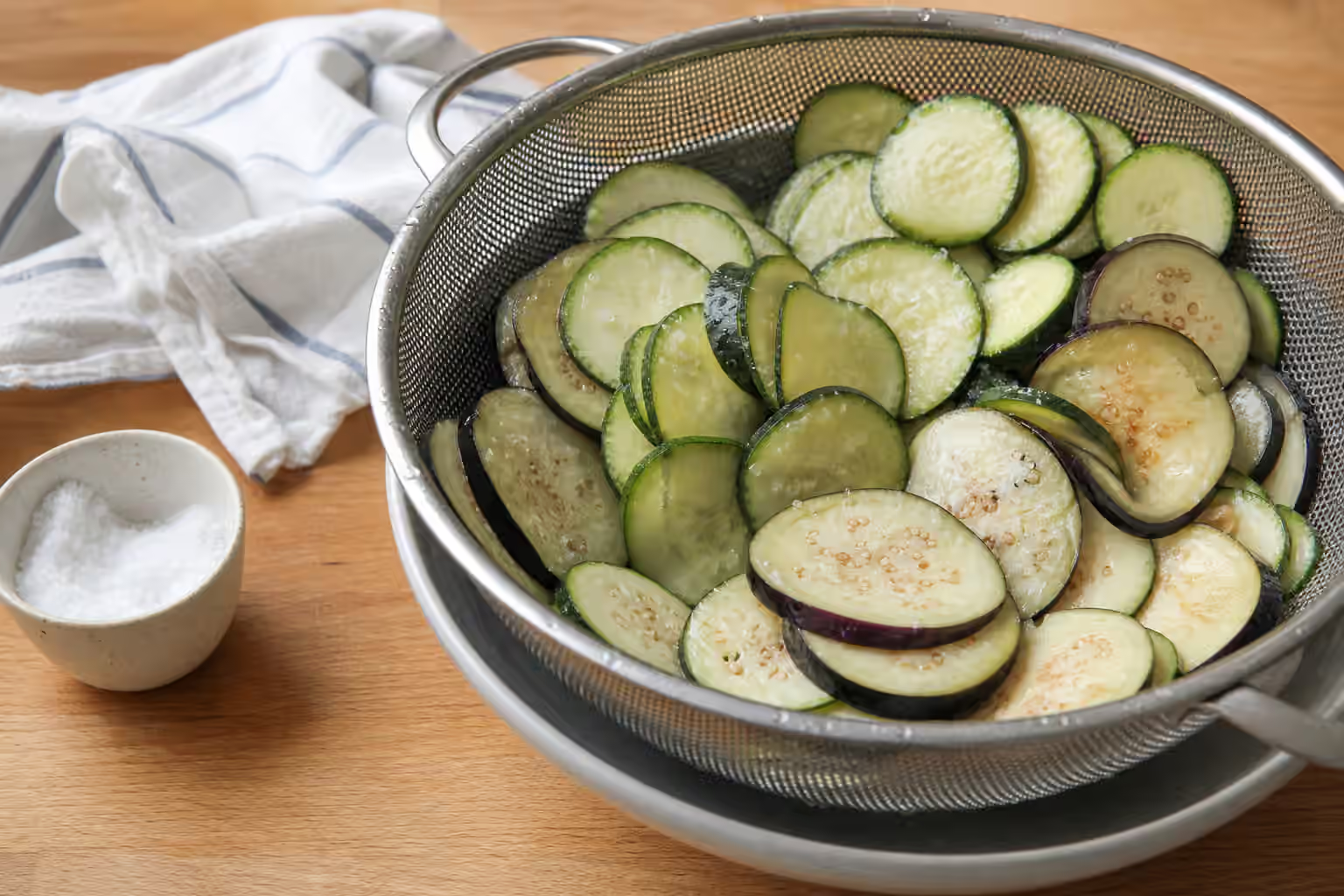
This is one of the places where salt feels most physical. A pinch on a cucumber slice can create visible beads in a few minutes. A salted zucchini ribbon relaxes. A salted eggplant piece darkens, softens, and gives up liquid that would otherwise appear in the pan. Salting Vegetables touches this broad behavior, but watery vegetables deserve a slower look because the line between crisp and soggy is narrow.
Salt Is a Drainage Tool Before It Is a Flavor Tool
The first question is not always how salty the vegetable should taste. It is whether the vegetable should keep its water or give some of it away. Raw cucumber in a quick salad may need only a little salt in the dressing because its crunch and juice are the point. Cucumber for a yogurt dip, sandwich, relish, or dressed salad that must sit for a while may need salting and draining first so the finished food does not turn watery.
Zucchini has the same split personality. Thick pieces headed for a hot pan may need surface drying so they can brown instead of steam. Thin raw ribbons for a salad may need a brief salting so they bend without collapsing. Grated zucchini for fritters, pancakes, or quick breads usually needs more determined salting and squeezing because the extra water changes structure. The salt is helping the recipe keep its shape.
Eggplant asks for judgment rather than habit. Older instructions often treat salting as a mandatory bitterness cure, but modern eggplant is not always bitter, and bitterness is not the only issue. Salting can still help with moisture, texture, and the way oil enters the flesh. If the eggplant will be fried, roasted, or layered into a dish where excess water matters, salting can make the cooking calmer. If the pieces are small, fresh, and going straight into a well-managed pan, salting may be optional.
Time Changes the Vegetable, Not Just the Seasoning
Five minutes and thirty minutes are not the same instruction. A brief salting seasons the surface and begins water release. A longer rest changes texture. Cucumbers become more flexible and concentrated. Zucchini softens. Eggplant collapses slightly and loses some of its raw sponge quality. Cabbage moves from crisp to pliable. Radishes become less sharp and more snackable.
That change can be useful or destructive. A cucumber salad eaten immediately may taste best when the slices remain juicy. The same cucumber in a creamy dip may need a salt rest so the dip stays thick. Zucchini going into fritters needs time because hidden water will loosen the batter. Zucchini going onto a hot grill may only need enough early salt to season the cut faces before heat drives off surface moisture.
After a salt rest, the liquid has to go somewhere. Draining in a colander, blotting with a towel, squeezing grated vegetables, or simply leaving the accumulated juices out of the final bowl can all be right. What is usually wrong is salting vegetables, watching them release water, and then pouring all of that salty water into a dressing that was not built for it. Salting Salads is helpful because the same problem appears whenever juicy ingredients meet dressed leaves.
The Salted Liquid Is Not Neutral
The water that leaves a vegetable is seasoned. It tastes like the vegetable, and it carries salt. Sometimes that liquid belongs in the dish. Tomato juice from salted tomatoes can become part of a dressing. Cucumber juice can loosen a yogurt sauce in a pleasant way if the sauce was thick and the salt level was planned. Eggplant liquid usually does not add much beauty, and zucchini water can make a batter weak.
The cook has to decide whether the liquid is an ingredient or a problem. For a chopped cucumber and tomato salad, the juices may be the point if bread, grains, or beans will catch them. For a sandwich, those same juices can soak the bread. For zucchini fritters, they can prevent browning and make the interior gummy. For eggplant on a sheet pan, they can create steam before the surface has a chance to roast.
Tasting the drained liquid teaches restraint. It often tastes saltier than expected because it is concentrated in a small volume. If that liquid is returned to the dish, the dressing or sauce needs less salt. If the liquid is discarded, the vegetables may still need a final adjustment because some salt left with the water. This is why salting and draining should not be treated as an automatic measurement. It is a movement of salt and water, and the final dish decides where the salt ended up.
Browning Needs Dry Surfaces
Watery vegetables brown badly when their surfaces are wet. Salt can help by drawing moisture out before the vegetable hits the pan, but it can also hurt if the released moisture is not removed. A salted zucchini slice sitting in its own liquid will steam. The same slice blotted dry can take on color more easily. Eggplant, summer squash, and mushrooms all show this pattern, which is why Salting Mushrooms pairs naturally with this guide.
The pan matters too. If vegetables are crowded, the water they release has nowhere to go. Salted zucchini in a crowded skillet can taste seasoned but limp. Spaced zucchini in a hot pan can taste concentrated and browned. Eggplant in too much oil can become heavy. Eggplant salted, dried, and roasted with enough space can taste savory without feeling waterlogged.
For roasted or grilled watery vegetables, salt early enough to season the cut surface, but not so early that the pieces sit wet unless you plan to blot them. For quick sautees, a small early pinch can help flavor, while a later adjustment keeps the final dish from overshooting after the water cooks away. Salting Stir-Fries and Quick Sautees expands on that fast-heat problem.
Crunch Needs Late Salt or Controlled Salt
Crunchy raw vegetables often want salt close to eating. Radishes with butter, cucumber spears, celery sticks, snap peas, and raw zucchini ribbons can all taste vivid with a final pinch, especially if the salt is delicate enough to dissolve quickly. Salt them too far ahead, and the same vegetables lose snap.
This does not mean late salting is always better. A cucumber salad meant to be pliable and juicy may benefit from an early rest. A cabbage slaw may need salt before dressing so the shreds soften and pack together. A quick pickle or ferment uses salt as structure, not decoration. The important thing is to name the desired texture before adding salt. Crisp, flexible, drained, browned, and preserved are different goals.
Finishing salt has a place when the vegetable will be eaten immediately. A few flakes on thick cucumber slices with lemon, on roasted zucchini, or on eggplant with yogurt can add texture. But finishing salt should not compensate for uncontrolled water. If a dish is watery and bland, fix the water problem first. Salt that lands on a puddle will dissolve into the puddle.
Watery vegetables make seasoning visible. They show the cook that salt is not only about taste. It moves moisture, changes texture, helps browning, softens bite, and decides whether the dressing stays attached. Once that becomes clear, cucumbers, zucchini, eggplant, and their relatives stop behaving like unreliable vegetables. They behave like ingredients waiting for a decision about water.