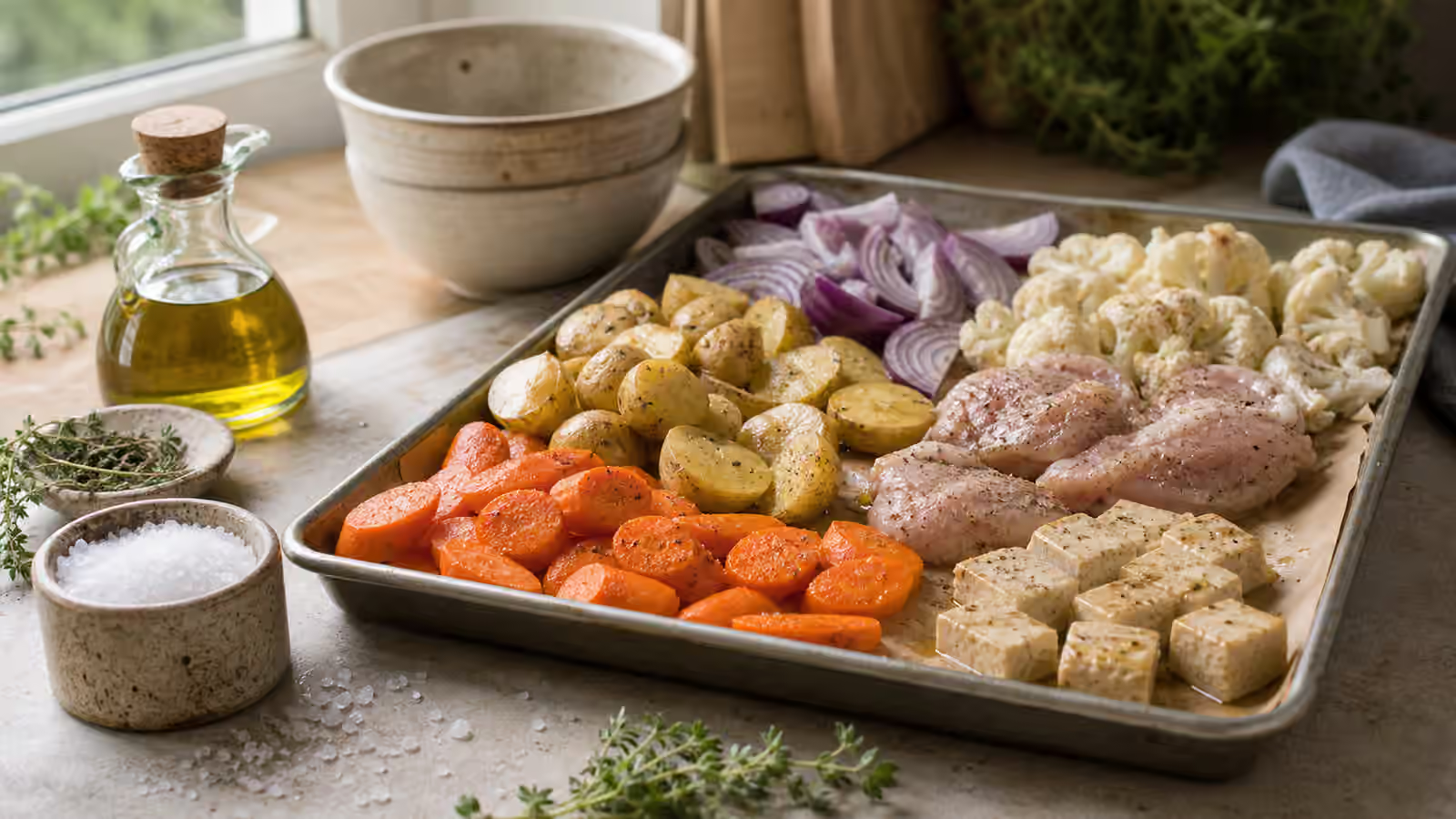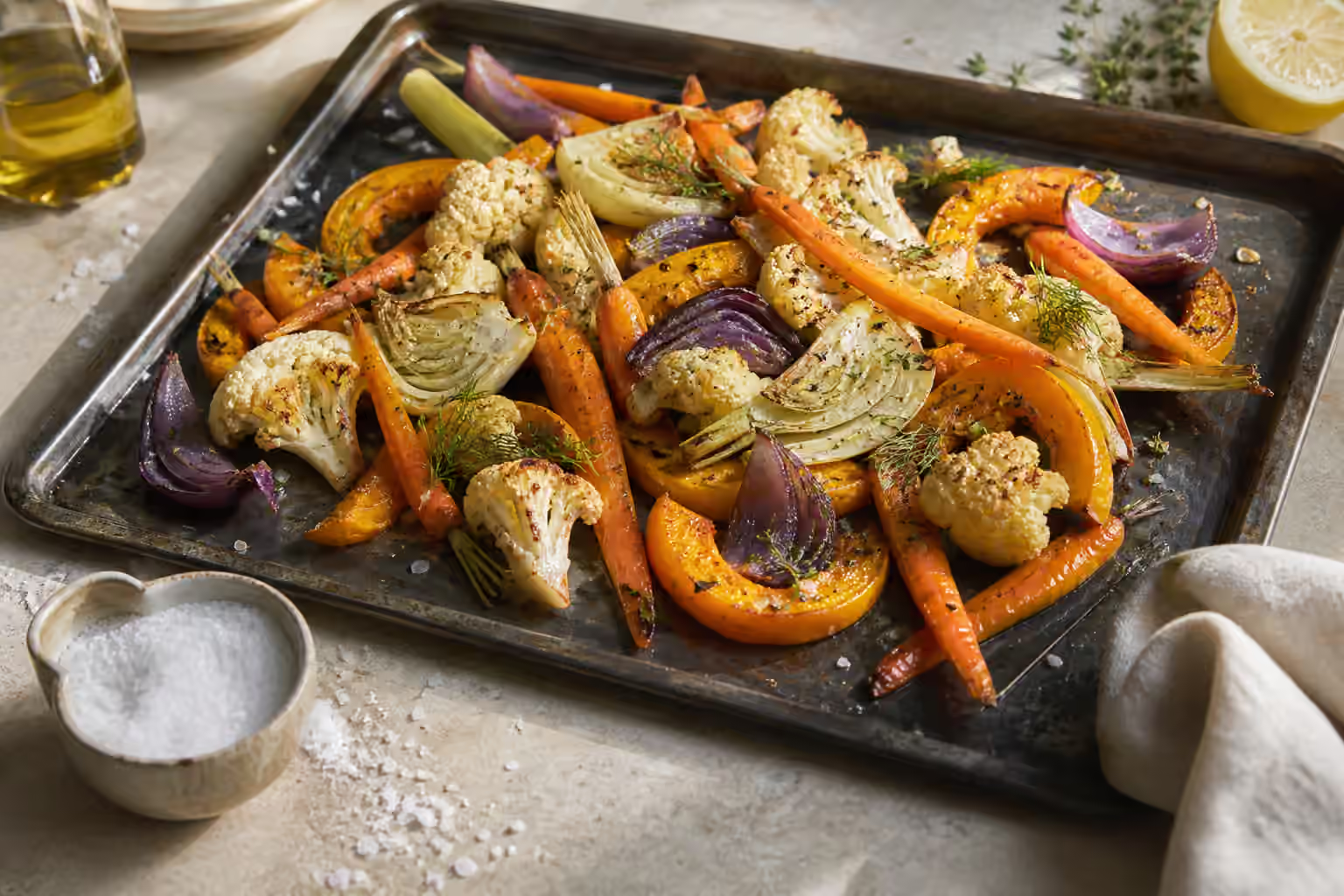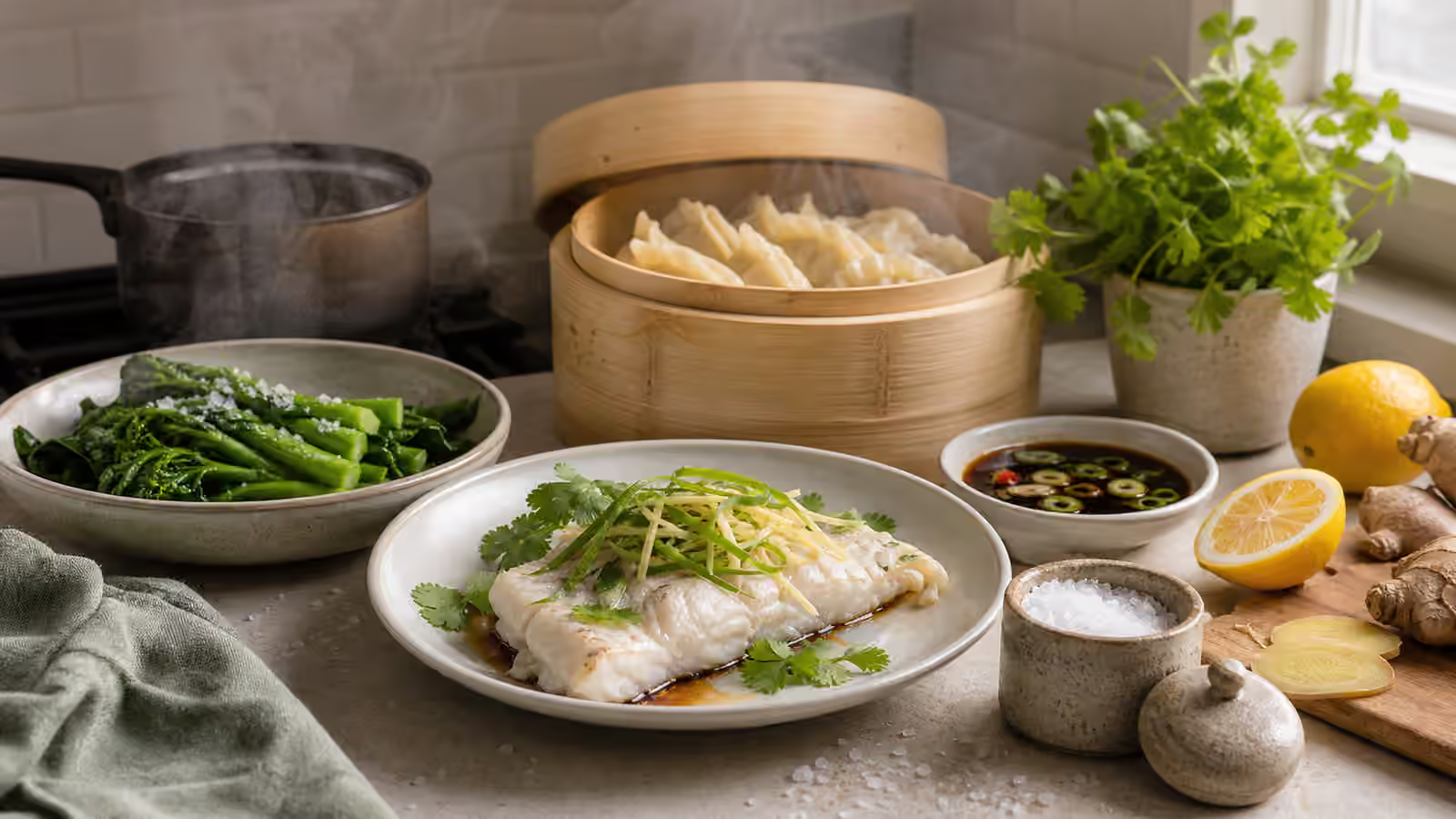
Steamed food asks salt to behave quietly. There is no browned crust to carry a dramatic final pinch, no pan reduction to concentrate juices, and no frying fat to grab fine crystals while the surface is still hot. Steam cooks with moisture and gentleness, which is exactly why steamed vegetables, fish, dumplings, buns, rice rolls, and custards can taste clean. It is also why they can taste disappointingly plain.
The common mistake is treating steamed food as if salt should arrive only after cooking. That can work for some dishes, especially when a salty sauce is part of the plan. But a final sprinkle on a wet surface is not the same as seasoning that had time to dissolve, travel, or meet the food before heat. Steaming does not make salt unnecessary. It changes the places where salt can do useful work.
This guide sits apart from Pasta Water and Salted Cooking Liquids because the food is not submerged in seasoned water. It also differs from Salt on the Grill and Salting Fried Foods because there is little surface dehydration or crispness. Steam keeps food tender. Salt has to work within that tenderness.
Steam Does Not Season by Itself
The water under a steamer can be salted, scented, or left plain, but very little of that salt seasons the food in a meaningful way. Steam carries heat and moisture, not dissolved salt in the same way boiling water does. If the food is held above the water, salt in the pot below is mostly staying below.
That means seasoning has to happen on the food, inside the food, or in the sauce. Vegetables can be lightly salted before steaming if they will benefit from a little early contact. Fish can be salted briefly before it goes over steam. Dumpling fillings need their salt inside the filling before the wrapper closes. Custards need salt dissolved into the liquid mixture. A dipping sauce can finish the bite, but it cannot always reach the center.
This is the key difference between steaming and boiling. A potato boiled in salted water can absorb seasoning from all around. A potato steamed plain needs salt before or after, and the surface may carry most of it. Neither method is better in every case. They simply give salt different pathways.
Vegetables Need Timing and Surface Moisture
Steamed vegetables can taste wonderfully direct when they are handled well. Broccoli, green beans, asparagus, carrots, cabbage, snap peas, potatoes, squash, and leafy greens all keep more of their fresh identity under steam than they might in a hard boil. But directness can become flatness if salt is treated as an afterthought.
For sturdy vegetables, a light salting before steaming can help the surface taste more complete, especially if the vegetable is cut into pieces. The salt dissolves in the moisture already present and begins seasoning before the steam softens the texture. The amount should be modest because very little will be washed away. For delicate greens, salting too early may draw water and speed wilting, so it is often better to salt after steaming or in the dressing.
After steaming, vegetables are wet. Dry salt sprinkled onto that wet surface may dissolve unevenly and slide into the plate. A better finishing move is often salted butter, olive oil with dissolved salt, a vinaigrette, yogurt sauce, soy-based dressing, or lemon with a small pinch stirred in. Salting Vegetables explains the water side broadly; steamed vegetables make it obvious because the water is sitting right there.
Fish and Seafood Need a Light Touch
Steamed fish is delicate. Salt can make it taste clean and sweet, but too much salt too early can firm the surface or make the flesh taste harsh. A brief, even salting before steaming is often enough for fillets. Whole fish or thicker pieces may need a little more time, but they still ask for restraint.
Because steamed fish often finishes with soy sauce, ginger, scallions, oil, herbs, citrus, or a salty broth, the early salt should leave room. If the sauce is soy-heavy, the fish may need only a small amount before cooking. If the sauce is mostly lemon, herbs, and unsalted oil, the fish needs more of its own baseline. Salting Fish and Seafood offers a wider look at seafood timing, and steaming is one of the gentlest cases.
Shrimp, scallops, and shellfish can move from sweet to rubbery quickly. Salt is not the only factor, but it affects how firm the surface feels. Season lightly and taste with the sauce. A final sprinkle of coarse salt on wet seafood can feel clumsy. A small amount dissolved into a warm sauce or finishing oil usually lands more gracefully.
Dumplings and Filled Foods Need Salt Inside
Dumplings, buns, rice rolls, tamales, stuffed leaves, and other filled steamed foods teach a different lesson. Once the wrapper closes, the filling becomes hard to correct. A salty dipping sauce can season the outside, but it may not fix a bland center. The filling needs to be tasted, or at least seasoned with enough confidence before assembly.
Vegetable fillings often need salt early enough to draw out excess moisture. Cabbage, greens, mushrooms, and zucchini can waterlog a dumpling if they are chopped and enclosed without thought. Salt can help pull out liquid before the filling is mixed, but the cook must account for what is squeezed away and what remains. Meat fillings need salt for flavor and sometimes for texture because mixing salt into ground meat can make the filling bind. Tofu and bean fillings need enough seasoning to reach through their mildness.
The wrapper also matters. Some wrappers are plain. Some are slightly salted. Some fillings include soy sauce, miso, fish sauce, cheese, preserved vegetables, or cured meat. These ingredients are already part of the salt plan. Taste a cooked test spoonful or a small test dumpling when possible. It is much easier to adjust the filling before twenty more are folded.
Sauces Carry the Final Message
Steamed foods often depend on sauce because the cooking method leaves surfaces soft and clean. That sauce might be soy and vinegar, yogurt and herbs, chile oil, browned butter, lemon, tahini, miso, ginger-scallion oil, pan juices, or a simple salted olive oil. It should be judged with the steamed food, not by itself.
A dipping sauce can taste almost too salty from the spoon and perfectly balanced on a dumpling. A lemon butter can taste mild alone and assertive on delicate fish. A yogurt sauce can make steamed carrots taste full, or it can overwhelm them if salted as though it were the whole dish. Salting Sauces and Dressings is the useful companion because steamed food often gives sauce the final word.
The sauce also decides whether finishing salt is needed. If a soy-based sauce is present, visible salt crystals may be redundant. If the sauce is mostly fat and herbs, a small finishing pinch may help. If the food is very wet, dissolve salt into the sauce rather than scattering it on top and hoping it lands evenly.
Gentle Food Still Needs Contrast
Steamed food can be tender, clean, and quiet. That quietness is pleasant when it has contrast nearby. Salt may provide focus, but acid, fat, herbs, crunch, and heat often complete the plate. A steamed potato with salted butter and herbs is different from the same potato with dry salt on a damp skin. Steamed greens with lemon and olive oil taste more complete than greens dusted with salt alone. Steamed fish with ginger, scallions, and a balanced sauce feels alive without needing a crust.
This is where finishing salt can still matter, but only in small amounts. A few flakes on steamed potatoes after butter, or on vegetables that have been dried slightly before serving, can add texture. On very wet fish or dumplings, flakes may dissolve instantly or slide away. If the texture disappears, the finishing salt is doing the same job as dissolved salt, only less evenly.
Taste After the Steam Clears
Very hot, wet food can make seasoning hard to read. Steam carries aroma upward, but it can also make the tongue notice heat before salt. Give the food a brief moment, then taste with the sauce or fat that will actually be served. A steamed vegetable tasted plain from the basket may seem underseasoned because the dressing has not arrived. A dumpling tasted without its dipping sauce may not tell the whole truth.
At the same time, do not let sauce become an excuse for bland centers. Filled foods need salt inside. Fish needs a baseline. Sturdy vegetables often need a little seasoning before or immediately after cooking. The sauce should finish the thought, not write the entire sentence.
Steaming is gentle, but it is not passive. It asks the cook to decide where salt can travel and where it cannot. Salt below the basket mostly stays below. Salt inside a filling matters. Salt dissolved in sauce carries well. Salt on a wet surface needs help. Once those paths are clear, steamed food stops tasting plain and starts tasting calm on purpose.