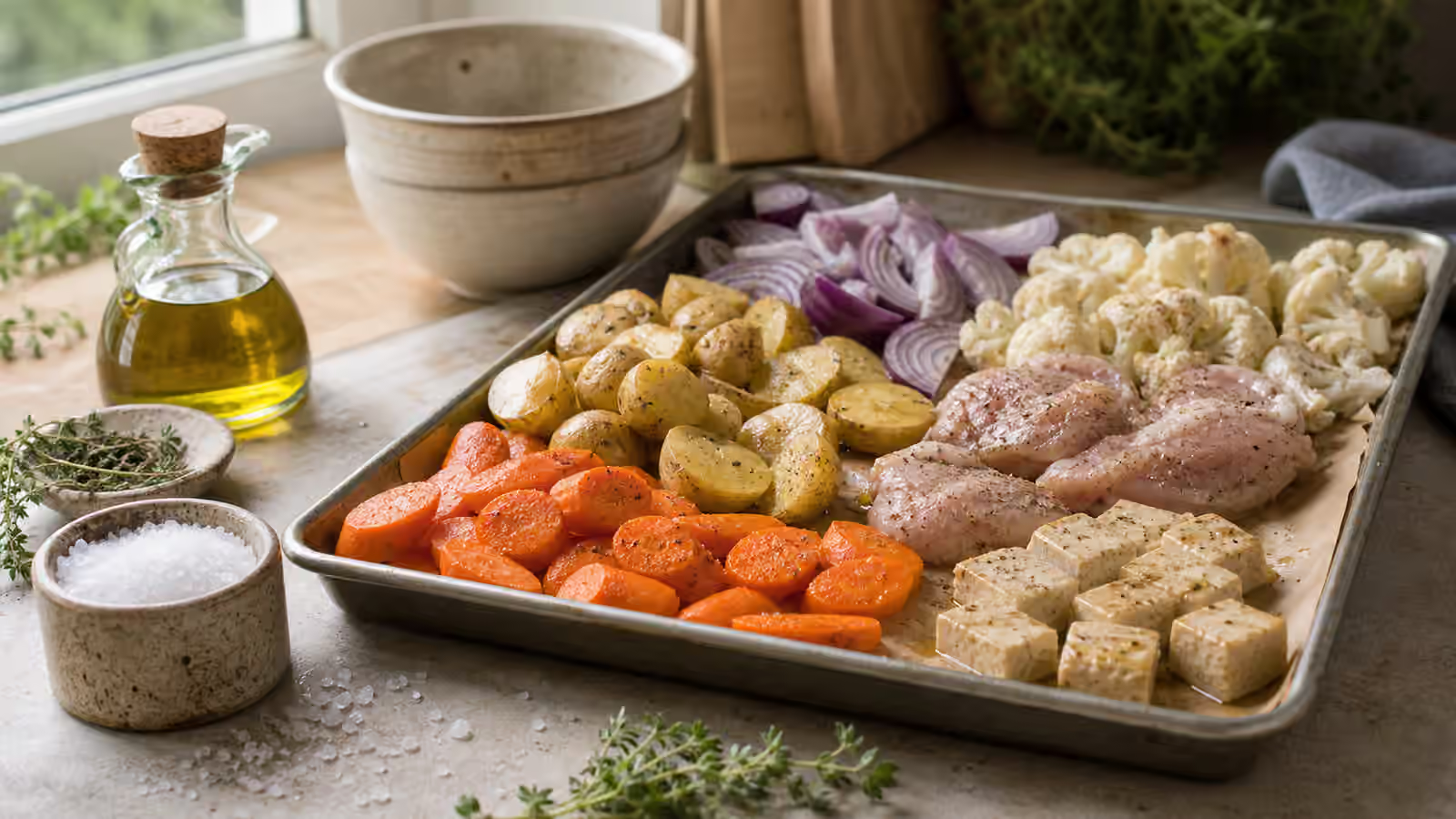
A sheet-pan dinner looks like a single dish, but the pan is really a small negotiation. Potatoes need time. Cauliflower wants enough salt to taste like more than sweetness. Chicken benefits from earlier seasoning. Tofu needs help before it browns. Onions can handle salt, then turn sweet. Fish might need a lighter hand and a shorter stay in the oven. Put them all on one tray and salt becomes less like a sprinkle and more like scheduling.
This is why sheet-pan cooking can taste uneven even when the tray looks handsome. One piece is well seasoned. Another is bland in the center. A salty sauce makes the edges exciting but leaves the potatoes quiet. The food cooked together, but the salt did not meet each ingredient at the right moment.
The solution is not complicated, but it does require noticing that a tray has zones. Sturdy vegetables, dense roots, proteins, watery vegetables, sauces, and finishing salts all need slightly different treatment. Salting Vegetables and Salting Meat and Poultry explain the separate parts. A sheet pan asks how those parts share the same oven.
A Tray Is Not One Ingredient
The easiest sheet-pan mistake is salting the entire tray as if every piece needed the same amount at the same time. Carrots, potatoes, onion wedges, tofu cubes, chicken thighs, broccoli, zucchini, and fish fillets do not absorb seasoning or shed water in the same way. If they are treated identically, the most forgiving ingredient hides the error while the least forgiving one exposes it.
Potatoes are dense and benefit from salt early enough to season their cut surfaces before roasting. Cauliflower and carrots need enough salt to keep sweetness from becoming flat. Onions release moisture and then concentrate. Tofu can taste bland unless salt, marinade, or sauce reaches it before the oven dries the surface. Chicken pieces often taste better when salted before they join the tray, especially if the skin is expected to brown. Fish is more delicate and may need less time with salt before heat.
That does not mean dinner has to become fussy. It means the cook should season ingredients in bowls or zones before everything goes into the oven. Toss potatoes with salt and oil until they taste purposeful. Season chicken separately if it needs a head start. Add quick-cooking vegetables later if they would become limp with the same full roasting time. The tray can still feel easy. It just stops pretending that all foods behave alike.
Salt and Oil Need Contact
Salt does not dissolve in oil, but oil helps carry heat and surface flavor. On a sheet pan, the best seasoning often happens when salt, moisture from the food, and fat all meet on the cut surface before roasting. If salt is tossed casually over a crowded tray after the oil has already slicked everything unevenly, some pieces get too much and others get none.
A mixing bowl is useful because it gives salt a chance to touch the food rather than the parchment. Tossing vegetables with salt and oil before they hit the pan produces a more even result than sprinkling from high above a full tray. The same is true for tofu, bread cubes, chickpeas, and small pieces of meat. The salt should land on the ingredient, not only on the space between ingredients.
Surface moisture matters too. Salt draws water, and water fights browning when it sits on the pan. If vegetables have been salted far ahead, they may need to be blotted or given enough space to roast instead of steam. If tofu was pressed, salted, and oiled, it has a better chance to brown. If chicken skin is wet from a recent salting, it may need time or airflow before it crisps. The pan teaches the same lesson as When to Salt : timing changes what salt is allowed to do.
Dense Foods Need the Earliest Attention
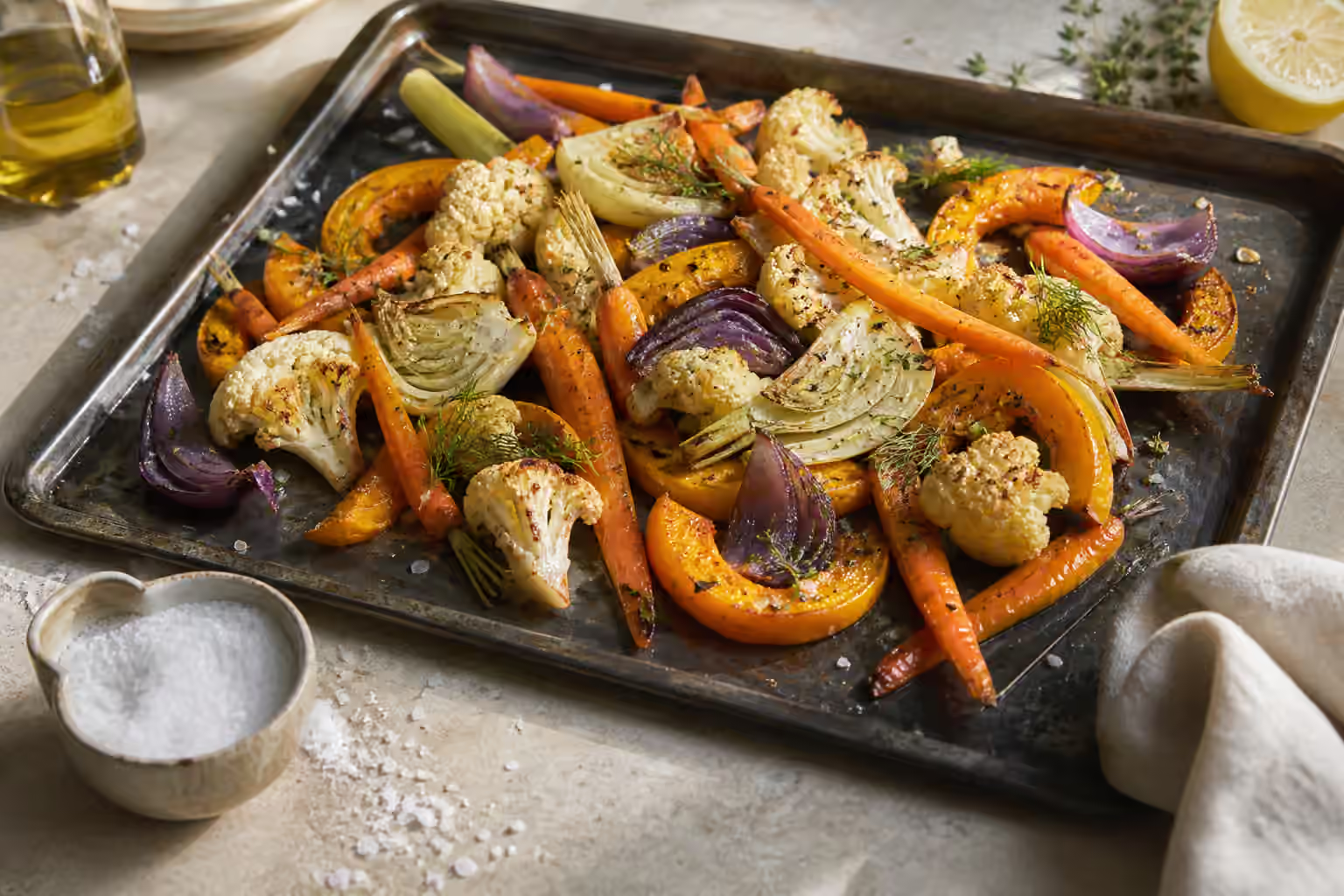
Roots and sturdy vegetables are usually the backbone of a sheet-pan dinner. Potatoes, sweet potatoes, carrots, squash, parsnips, beets, turnips, cauliflower stems, and onion wedges need time for salt, heat, and fat to do their work. They can taste sweet and browned on the outside while still bland inside if the seasoning is only a final dusting.
Cut size changes the answer. Smaller pieces expose more surface area and need careful salting because each bite carries more exterior. Larger chunks need time and may benefit from salting before they meet the pan. If the vegetable will roast for a long time and lose water, leave room for concentration. A tray that tastes perfect raw can become more intense after twenty or thirty minutes in the oven.
This is where potatoes are useful teachers. Salting Potatoes explains why a potato needs more than a surface sparkle. On a sheet pan, the same idea applies to any dense ingredient. Salt early enough to season the surfaces that will brown, but remember that the oven will remove water and concentrate flavor.
Proteins Change the Salt Plan
Chicken thighs, pork pieces, sausages, fish, tofu, tempeh, chickpeas, and beans all bring different salting problems to the same tray. Some are already salty. Some are nearly blank. Some brown best after early salting and drying. Some are small enough that a salty sauce can dominate quickly.
Chicken benefits from being salted before it meets vegetables, especially if the pieces are thick or skin-on. Tofu and tempeh often need salt dissolved in a marinade, sauce, or brief soak because dry crystals on the surface do not reach far. Sausage may need no added salt at all and can season nearby vegetables through rendered fat. Fish should usually be handled gently because it can become firm or taste harsh if salted heavily too far ahead.
The tray should not force one rule onto all of them. A practical pattern is to season the protein according to its own needs, then adjust the surrounding vegetables with that in mind. If sausage is on the tray, the potatoes may need less salt than usual. If unsalted tofu is the protein, the sauce or marinade may need to work harder. If chicken was dry brined, the vegetables do not need to compensate for bland meat.
Sauces Arrive in Stages
Many sheet-pan dinners finish with yogurt sauce, tahini, vinaigrette, salsa, herb oil, lemon, pan juices, or a salty condiment. Those finishing elements should be considered before the tray goes into the oven. If a sauce contains miso, soy sauce, feta, capers, olives, anchovies, salted yogurt, or a concentrated dressing, the tray underneath needs a little restraint.
At the same time, sauce should not be used as an excuse to leave the tray bland. A salty dressing on plain roasted vegetables can taste like a coating instead of a connection. Salting Sauces and Dressings makes the same point: taste the sauce with the food it will season. A spoonful of tahini sauce may taste assertive alone and exactly right on roasted squash. A lemony yogurt may taste gentle alone and too salty on chicken that was already well seasoned.
The final minutes are the right time to decide whether the tray needs acid, herbs, fat, or finishing salt. If the food tastes salted but heavy, lemon may help more than another pinch. If it tastes aromatic but unfocused, a small amount of salt in the sauce may bring the tray together. If it tastes complete but lacks texture, a few flakes at the table can make sense.
Space Affects Seasoning
Crowding is usually discussed as a browning problem, but it is also a seasoning problem. When a tray is crowded, ingredients steam, release liquid, and share juices. Salt moves through that liquid. Sometimes this is pleasant, as onions, chicken drippings, and potatoes mingle. Sometimes it creates a puddle that makes the crisp ingredient soft and the watery ingredient too salty.
Giving food space lets salt stay closer to the surface where it was placed. It also lets water evaporate, which concentrates flavor without making the tray soupy. If you are cooking a very full tray, expect the seasoning to behave more like a shallow braise than a roast. That can be delicious, but it needs a different adjustment. Taste the juices. Taste a potato. Taste the protein. They may no longer be separate.
This is why a sheet-pan dinner improves when the cook is willing to move things. Start dense ingredients early. Add delicate items later. Push wet ingredients to one side. Finish with sauce after the oven rather than drowning the whole tray before heat. Salt follows moisture, so controlling moisture helps control salt.
The Final Pinch Should Be Small and Specific
A tray that has been seasoned thoughtfully often needs less finishing salt than expected. The vegetables have salt. The protein has salt. The sauce has salt. The pan juices may have concentrated. A large final shower can erase the work by making every bite taste the same.
Use finishing salt where it has a job. A few flakes on roasted carrots, crisp potatoes, sliced chicken, or tofu with herbs can make the surface lively. A damp gray salt might suit roasted mushrooms or onions. A delicate salt can brighten a lemony vegetable tray. But the final pinch should land with intention, not because the tray emerged from the oven and the hand wanted one last gesture.
The best sheet-pan dinners taste connected without becoming uniform. Potatoes taste seasoned. Vegetables taste like themselves. The protein does not ask the sauce to rescue it. The sauce finishes rather than covers. Salt helped the ingredients share a pan while keeping their own timing. That is the quiet difference between a full tray and a coherent dinner.