A sandwich looks simple because the work is hidden between bread. That is also why poor seasoning hides there so easily. A tomato is salted on one side but not the other. Lettuce tastes watery. Butter carries a pleasant salinity until it meets plain bread and suddenly seems timid. Cheese, pickles, cured meat, and mustard bring their own salt, then the cook adds a finishing pinch out of habit and the last bite becomes briny. Nothing is technically difficult, but every layer changes the whole bite.
Toast is the same lesson with fewer hiding places. A slice of bread with butter and salt can be perfect because the salt is right where the tongue meets fat, starch, and crispness. Add avocado, eggs, tomatoes, beans, mushrooms, cheese, or fruit, and the question becomes less about a sprinkle on top and more about where the food actually needs focus.
This guide belongs beside Salting Tomatoes and Salty Pantry Ingredients because sandwiches often fail by forgetting that salt can arrive through tomatoes, cheese, pickles, olives, butter, cured meat, condiments, and bread itself. The salt cellar is useful, but it is only one voice in a crowded room.
Bread Dilutes More Than People Expect
Bread is not neutral. It has sweetness, fermentation, crust, chew, and sometimes salt of its own. But in a sandwich it often acts like a soft buffer around stronger ingredients. A filling that tastes bright from a spoon can taste muted once it is pressed between slices. A tomato that seems seasoned on a plate can taste faint inside a roll. A spread that tastes salty alone can become balanced when the bread absorbs some of its force.
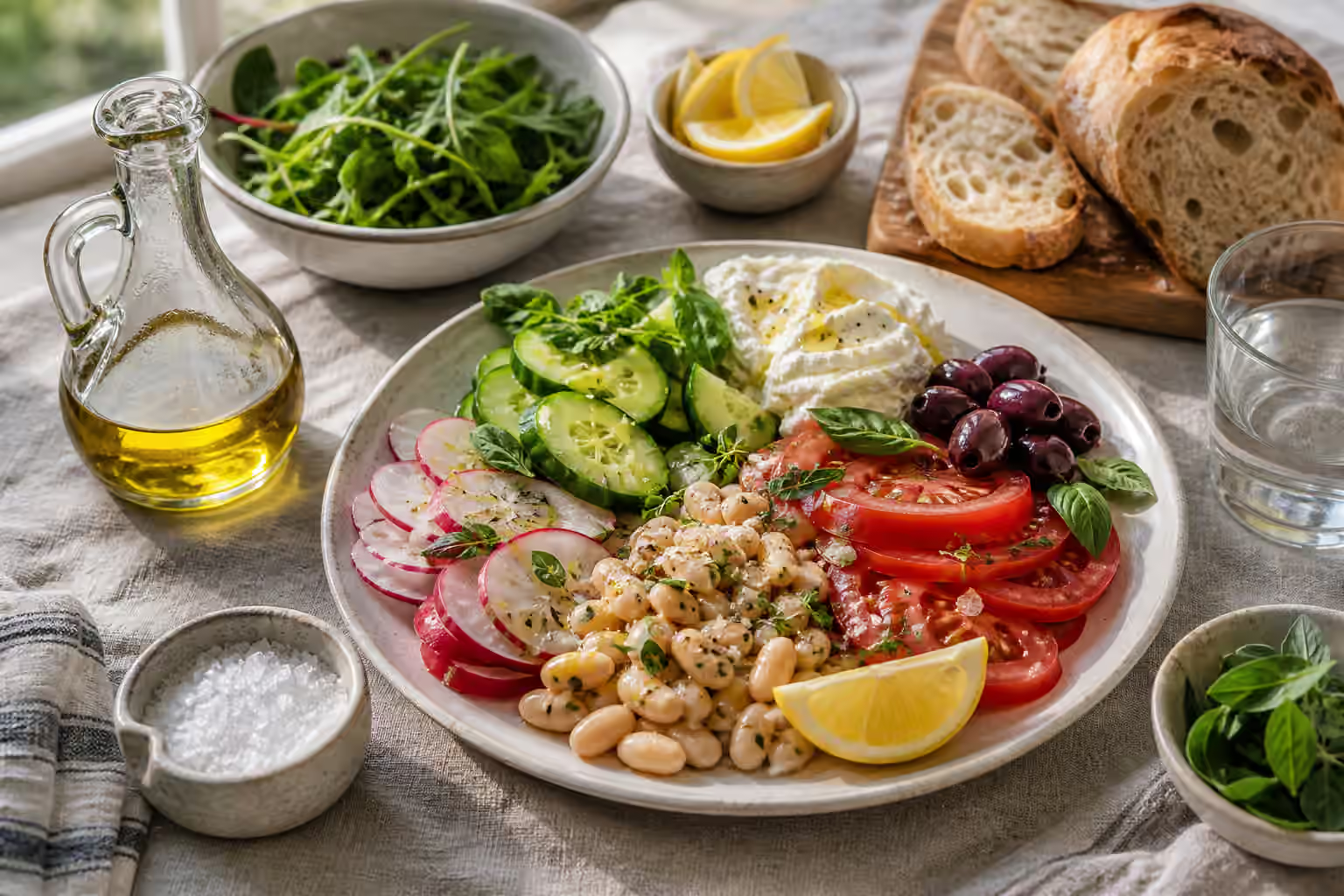
That buffering effect is why sandwich fillings should be tasted with bread whenever possible. Egg salad, tuna salad, beans, ricotta, avocado, roasted vegetables, and chopped meat all change once starch enters the bite. The bread changes texture too. A dry slice may need more fat or juicier filling before salt can read clearly. A rich brioche-style bread may make a filling taste sweeter and softer. A very sour bread may make salt seem sharper because acid and salt reach the mouth together.
The practical move is to season the filling until it tastes clear but not extreme, then taste a little with the actual bread. If the bread makes it dull, add a small amount of salt or acid to the filling. If the bread makes it heavy, the problem may be fat rather than salt. If the bread is already salty, as with some focaccia, pretzel rolls, or crackers, let that count before adding a finishing pinch.
Watery Layers Need Their Own Moment
Tomatoes, cucumbers, slaw, roasted peppers, grilled zucchini, and leafy greens all bring water into sandwiches. Salt interacts with that water before the bread ever gets involved. A lightly salted tomato can taste deeper and release juice that belongs in the sandwich, but a heavily salted tomato left too long can soak the bread before lunch begins. A cucumber slice can become more flavorful after a short salted rest, but it may also shed enough liquid to make a soft sandwich collapse. Cabbage can soften into a better slaw when salt has time to work, but delicate lettuce becomes tired if salted too early.
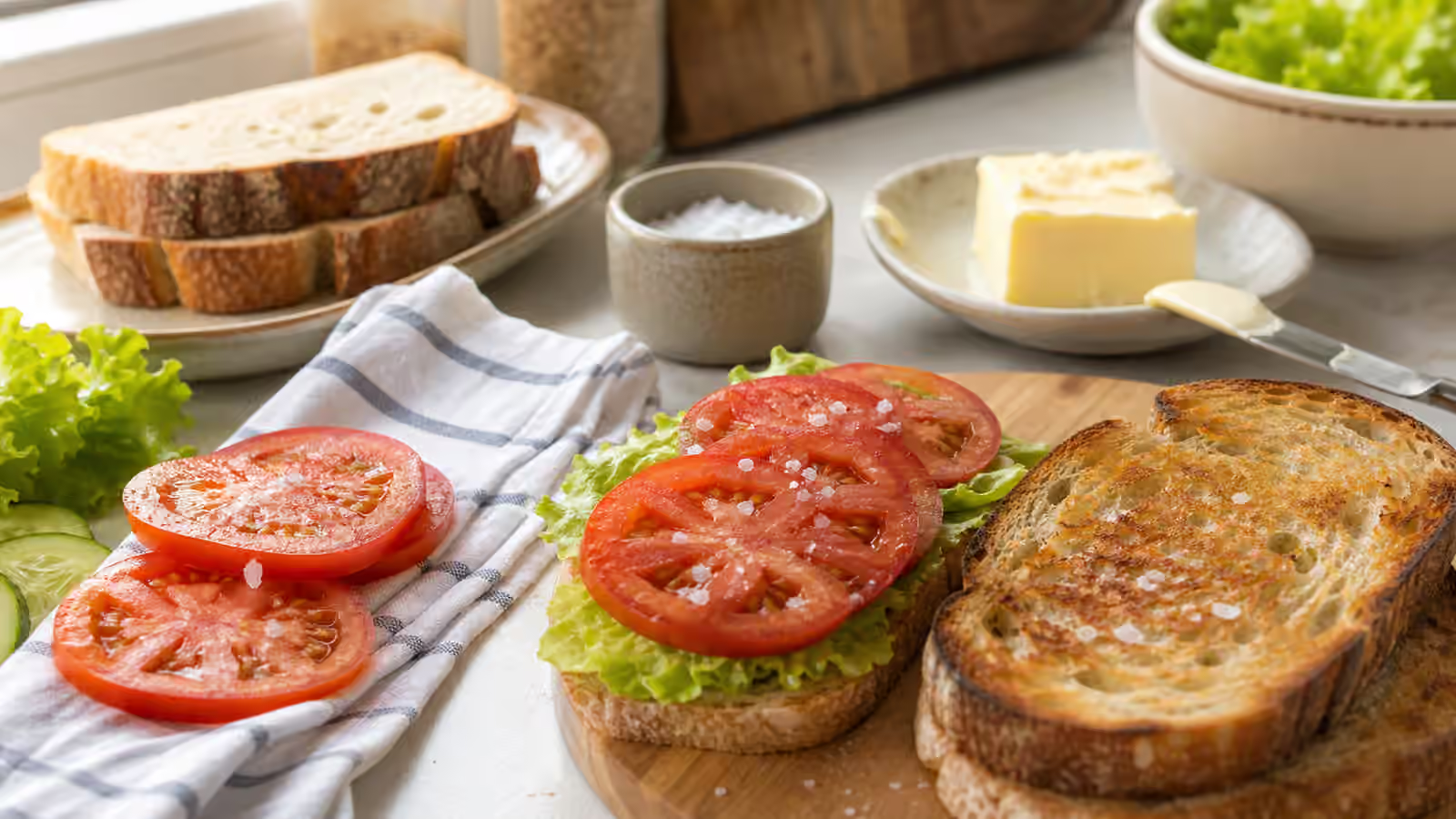
This is where Salting Vegetables becomes more than a side-dish guide. The vegetable layer should be prepared for the sandwich it is joining. A tomato for immediate eating can take salt just before assembly, especially if the bread is toasted or protected by fat. A tomato for a packed sandwich may be better salted lightly and blotted, or kept separate until serving. Cucumbers can be salted, rested, and patted dry before they meet yogurt, cream cheese, or hummus. Greens usually want salt inside the dressing or spread rather than directly on the leaf.
The goal is not to remove all moisture. A dry sandwich is not an achievement. The goal is to decide where the moisture belongs. Tomato juice can season mayonnaise, olive oil, or bread crumbs. Cucumber water can thin yogurt pleasantly if it is expected. Slaw liquid can become dressing. The cook only gets into trouble when water arrives after the sandwich is already built and no one made room for it.
Spreads Carry Salt Differently From Crystals
Butter, mayonnaise, mustard, hummus, yogurt sauce, bean spreads, tapenade, pesto, and soft cheese all spread salt through fat, water, or paste. That makes them powerful because they touch more surface area than loose crystals. It also makes them deceptive. A salted butter may seem gentle on the knife and then dominate a small piece of toast. Mustard may taste sharp rather than salty, but it still contributes salinity. Olive tapenade may season the whole sandwich if spread thinly, while whole olives create salty pockets.
A spread should be treated as part of the seasoning architecture. If salted butter is going on toast, the finishing salt should be smaller and more deliberate. If mayonnaise is seasoned with lemon, pepper, herbs, and salt, the fillings may need less direct salting. If hummus, labneh, ricotta, or mashed beans taste flat, a little salt mixed into the spread usually works better than a dramatic sprinkle over the finished sandwich. The salt dissolves where it can help the whole bite.
This is especially useful with toast. Avocado toast tastes better when some salt is mixed into the mashed avocado and a few flakes land on top. Mushroom toast tastes better when the mushrooms are seasoned in the pan and the bread is not asked to carry all the final salt. Egg toast needs the egg seasoned according to its form, which is why Salting Eggs is a better reference than any rule about sprinkling from a height.
Salty Fillings Need Plain Companions
Cheese, cured meat, pickles, olives, capers, anchovies, smoked fish, salted butter, chips, and fermented condiments can make a sandwich feel complete with very little plain salt. They can also create a sandwich that tastes exciting for three bites and exhausting by the end. The difference often comes from whether the salty ingredient has plain companions.
A feta and tomato sandwich may need bread, herbs, olive oil, and a restrained hand with additional salt. A ham sandwich with mustard and pickles may need unsalted butter, fresh greens, or a mild cheese more than it needs another salty layer. A grilled cheese made with very salty cheese may taste better with a sweet onion jam, tomato, or plain buttered bread than with extra finishing salt. The point is not to make the sandwich bland. The point is to leave room for the salty ingredient to do its work.
Taste placement matters too. A thin layer of salty cheese seasons broadly. A few pickle slices punctuate. A line of anchovy or caper relish can create one intense stripe. A sandwich should not require every bite to be identical, but it should not punish the eater with a hidden salt mine in one corner. Spread strong ingredients thinly or chop them into a condiment when their salt needs to travel.
Finishing Salt Belongs Where Texture Helps
Finishing salt on a sandwich can be wonderful when it has a surface to land on. Open-faced toast, tomato toast, radish toast, egg toast, avocado toast, buttered bread, and sliced sandwich halves all give crystals a moment of contact. The salt arrives early in the bite, then dissolves into fat, juice, or starch. Flake Salt is useful here because brittle crystals can be felt without turning the bite gritty.
Closed sandwiches are less reliable. A finishing pinch added before the top slice goes on may dissolve into wet ingredients or sit unevenly against bread. That can still be good, but it should be intentional. If the sandwich has moist tomatoes, mayonnaise, or melted cheese, the crystals may vanish quickly. If it has dry bread and lean filling, the same crystals may feel harsh. For many closed sandwiches, the better move is to season the tomato, spread, egg, meat, or vegetable layer directly, then leave the top alone.
Packed sandwiches ask for even more restraint. Salt keeps working while the sandwich waits. Tomatoes release juice. Greens soften. Bread absorbs moisture. Strong fillings become stronger as they warm slightly. A sandwich eaten immediately and a sandwich eaten four hours later are not the same object. If it is traveling, season the components clearly but gently, protect the bread with fat or sturdy leaves, and keep watery salted layers under control.
The best sandwiches taste like one decision, not a stack of separate corrections. Bread softens force. Vegetables bring water. Spreads carry salt broadly. Pantry ingredients bring salinity in their own shapes. Finishing salt belongs only where its texture will be welcome. When those parts are noticed, a sandwich stops being something rescued at the table and becomes a properly seasoned bite from the first edge to the last corner.