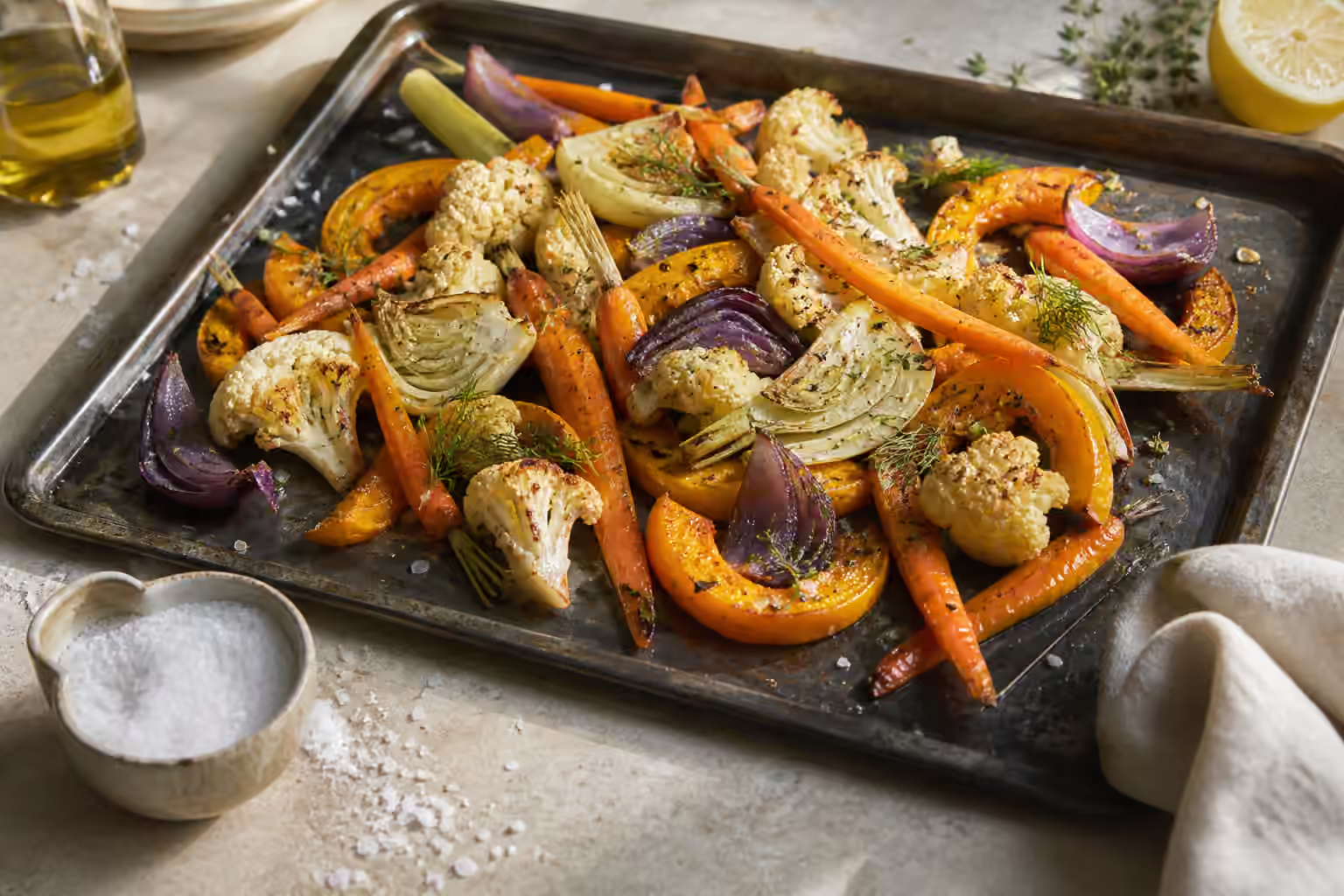
Roasted vegetables look simple because the oven does most of the visible work. The real seasoning decision happens earlier, when the cook decides how much salt belongs on raw vegetables that are about to shrink, sweeten, brown, and lose water. A tray of carrots, cauliflower, onions, squash, or fennel can taste vivid and rounded, or it can taste like sweet vegetables with salty patches. The difference is rarely the oven alone. It is the way salt, oil, surface moisture, cut size, and finishing touches were handled before the vegetables went in and after they came out.
This guide sits beside Salting Vegetables and Salt for Sheet Pan Dinners , but it focuses on the vegetable tray itself. A sheet-pan meal has proteins, juices, sauces, and competing ingredients. A tray of roasted vegetables is more exposed. If the salt is timid, the sweetness feels flat. If the salt is heavy, reduction makes it louder by the time the edges brown.
Raw Vegetables Do Not Tell the Whole Truth
Raw vegetables contain water, and roasting changes the amount of water that remains in each bite. This is why salting roasted vegetables is different from salting a salad. A cucumber releases water and becomes visibly wet. A carrot or wedge of squash may not look dramatically different at first, but the oven is still pulling moisture away. As that happens, sweetness concentrates and salt becomes more noticeable.
Dense roots need enough early salt to season the interior as they soften. Carrots, parsnips, turnips, rutabaga, beets, sweet potatoes, and winter squash taste better when salt reaches them before roasting, not only after. The salt dissolves in surface moisture and moves inward slightly as heat opens the vegetable. It will not travel like a brine through meat, but it does more than sit on top.
Tender vegetables ask for more caution. Zucchini, bell peppers, cherry tomatoes, asparagus, and thin onion slices can give up water quickly and concentrate faster. If they are salted heavily at the start, the finished tray may taste more aggressive than the raw bowl suggested. When the vegetable is watery, Salt for Watery Vegetables is the better background. Sometimes the cook wants salt to draw water out before roasting. Sometimes the cook wants the oven to dry the surface first and the final pinch to carry the seasoning.
The useful habit is to imagine the vegetable smaller. If the tray will lose volume and the flavors will become sweeter, the early salt should be enough to guide the roast, not enough to make the raw pieces taste finished.
Oil Helps Salt Land Evenly
Salt needs contact. Oil helps that contact happen because it lets crystals cling to curved surfaces, crevices, and cut faces instead of falling to the bottom of the bowl. A dry chunk of cauliflower may catch salt on one side and stay plain on the other. A lightly oiled floret gives the salt more chances to distribute.
The oil should not be a flood. Too much oil can make vegetables fry in patches, soften before browning, or carry salty liquid into corners of the pan. A light coating is usually enough to make the surface shine and let salt, pepper, spices, or herbs spread. Tossing matters more than force. The bowl should be wide enough for the cook to lift and turn the vegetables until the seasoning looks present on every piece.
Fine salt dissolves quickly and spreads well through oil and moisture. A coarse everyday salt can work if the crystals are not so large that they remain hard on the finished vegetable. Flaky finishing salt is usually wasted at the beginning because it collapses in the oil and heat. Save flakes for the end, where they can give a brittle first bite on roasted carrots, potatoes, squash, or cauliflower.
This is one reason Table Salt, Kosher Salt, and Sea Salt matters for roasting. A spoonful of fine salt and a spoonful of loose coarse salt are not the same amount. If you roast vegetables often, let your hand learn one practical cooking salt before you start changing brands and crystal sizes.
Cut Size Changes the Salt Decision
Large pieces need earlier seasoning because their interiors are protected. A thick wedge of cabbage, a halved carrot, a chunk of squash, or a whole small onion can taste plain inside if salt only arrives after roasting. These vegetables benefit from salting before the oven and then finishing lightly, especially if they will be served without a sauce.
Small pieces need restraint because there is more surface area. Diced sweet potato, cauliflower florets, thin carrots, and small Brussels sprouts can pick up a lot of salt quickly. They brown faster and lose moisture faster, so the same pinch covers more exposed surface. If the tray includes a mix of large and small pieces, the smaller pieces often become the salty ones. This is not a moral failure of the recipe. It is geometry.
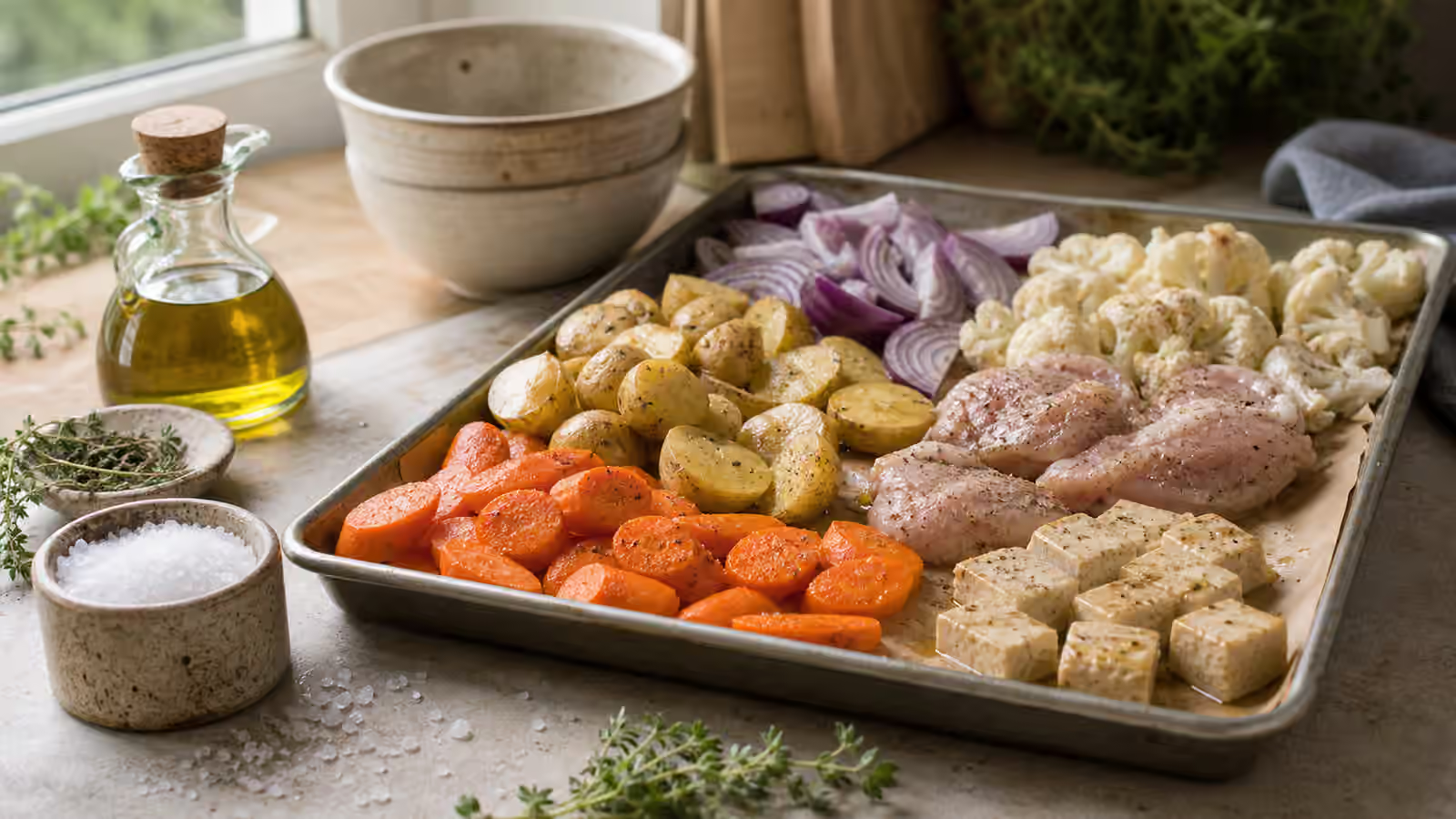
When mixed vegetables roast together, the cook can season in stages. Dense vegetables can be salted and started first. Tender vegetables can join later with a lighter hand. If everything must go in at once, cut the pieces to similar cooking times and salt with the most delicate ingredient in mind. A tray that contains squash, onions, and cherry tomatoes should not be salted as if it were only squash.
The pan also matters. Crowded vegetables steam before they brown. A crowded pan leaves more surface moisture, which can dissolve salt into a shallow pool instead of letting it cling to crisping edges. A spacious pan gives salt, oil, and heat a better chance to make each piece taste deliberately seasoned.
Browning Makes Sweetness Need Focus
Roasting brings sweetness forward. Carrots become candy-like at the edges. Onions soften into jam. Fennel loses some of its sharpness. Squash becomes round and dense. Cauliflower turns nutty. Salt gives that sweetness a frame. Without it, the vegetables can taste pleasant but vague, especially beside grains, meat, yogurt, or bread.
The goal is not to make roasted vegetables taste salty. The goal is to prevent sweetness from becoming flat. Salt makes the browned edge taste savory instead of merely dark. It helps olive oil feel flavorful rather than greasy. It makes a lemon squeeze or vinegar splash seem brighter because the base already has focus. This is the same balance described in Salt, Acid, and Fat , only the oven has added another variable: concentration.
Herbs and spices change the answer. Cumin, coriander, smoked paprika, chile, rosemary, thyme, and garlic all create stronger impressions, but they do not replace salt. At the same time, salty additions like olives, capers, feta, anchovy crumbs, miso butter, or soy-based glazes mean the early salt should be lighter. If the vegetables will be tossed with a salty condiment after roasting, season the raw tray for the vegetable, not for the final plate.
Finish After the Steam Clears
Vegetables fresh from the oven are hot, glossy, and still releasing steam. If a finishing salt lands immediately into that steam and oil, some of its texture disappears. Waiting even a minute can help. The vegetables settle, the surface dries slightly, and a few flakes can stay visible long enough to matter.
That final pinch is not a correction for a badly seasoned tray. It is a texture move. It works best on vegetables with enough surface for the salt to sit: roasted potatoes, squash, carrots, thick cabbage wedges, cauliflower, eggplant, mushrooms, or charred onions. It is less useful on tiny wet pieces or vegetables that will be folded into a sauce.
Acid often belongs at the same moment. Lemon, vinegar, yogurt, tahini sauce, herb oil, or a spoonful of salsa can make roasted vegetables feel complete. Taste before adding more salt. If the vegetables taste sweet and dull, they may need salt. If they taste heavy and rich, they may need acid. If they taste salted but disconnected, they may need tossing so the oil, juices, and seasoning spread.
Roasted vegetables reward attention because the oven exaggerates both good and bad decisions. Salt early enough to season the vegetable, lightly enough to survive concentration, and late enough to leave texture when texture is the point. A good tray should taste browned, sweet, savory, and alive all at once, with no single pinch announcing itself louder than the vegetables.