Pasta sauce has a way of making salt feel like a moving target. The tomato sauce tastes right in the pan, then becomes dull once noodles arrive. The pasta water is seasoned, but the cheese brings more salt than expected. The garlic oil tastes flat until a splash of starchy water wakes it up. The cream sauce seems rich, then asks for acid instead of another pinch. Nothing is wrong with the idea of salting to taste. The trouble is knowing what, exactly, should be tasted.
Pasta brings several salted parts together at the last minute: the cooking water, the noodle, the sauce, the cheese, the salty pantry ingredients, and the finishing salt if there is one. Pasta Water and Salted Cooking Liquids explains the noodle side. Salting Sauces and Dressings explains sauces more broadly. Pasta sauce sits between them, because the sauce is not finished until it has met the pasta.
The Sauce Alone Is Not the Final Dish
Tasting sauce alone is useful, but it is incomplete. A tomato sauce that tastes balanced on a spoon may taste too mild once it coats a large bowl of pasta. A salty anchovy-garlic sauce may taste almost alarming by itself and exactly right after it spreads across noodles. A cream sauce may seem seasoned until the starch dilutes it. The final bite decides, not the pan alone.
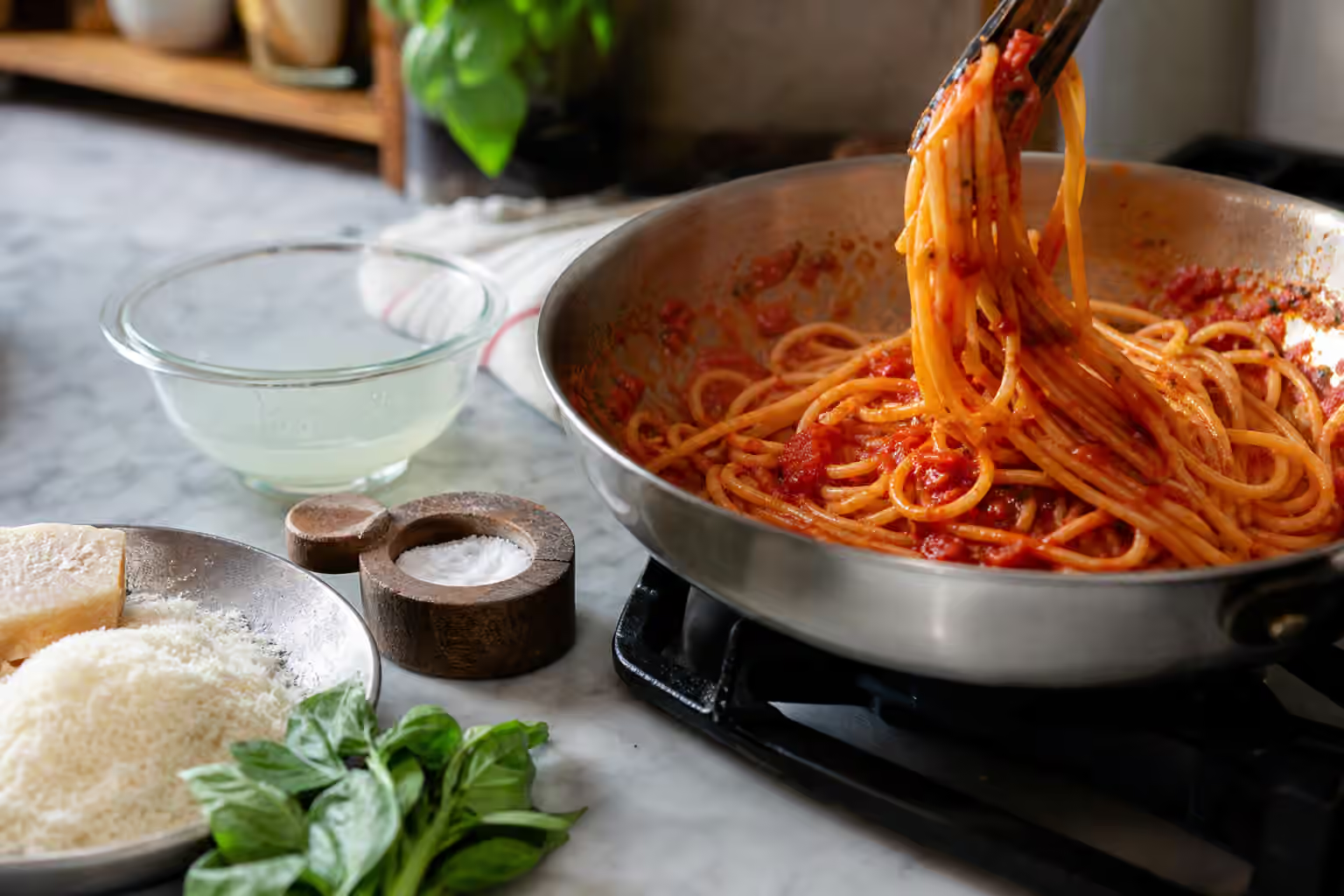
This is why the final toss matters. Pasta should usually finish in the sauce with a little cooking water, fat, and agitation. During that minute, salt moves. The sauce loosens, then clings. Starch thickens the liquid. Cheese may melt. Herbs and pepper bloom. If salt is adjusted before that happens, the cook may be seasoning a sauce that no longer exists by the time it reaches the bowl.
The better habit is to season the sauce in stages. Build a base that tastes purposeful but leaves room for pasta water and cheese. Toss with the pasta. Taste a coated noodle. Then make the final adjustment. The noodle is the evidence.
Pasta Water Is a Seasoning Ingredient
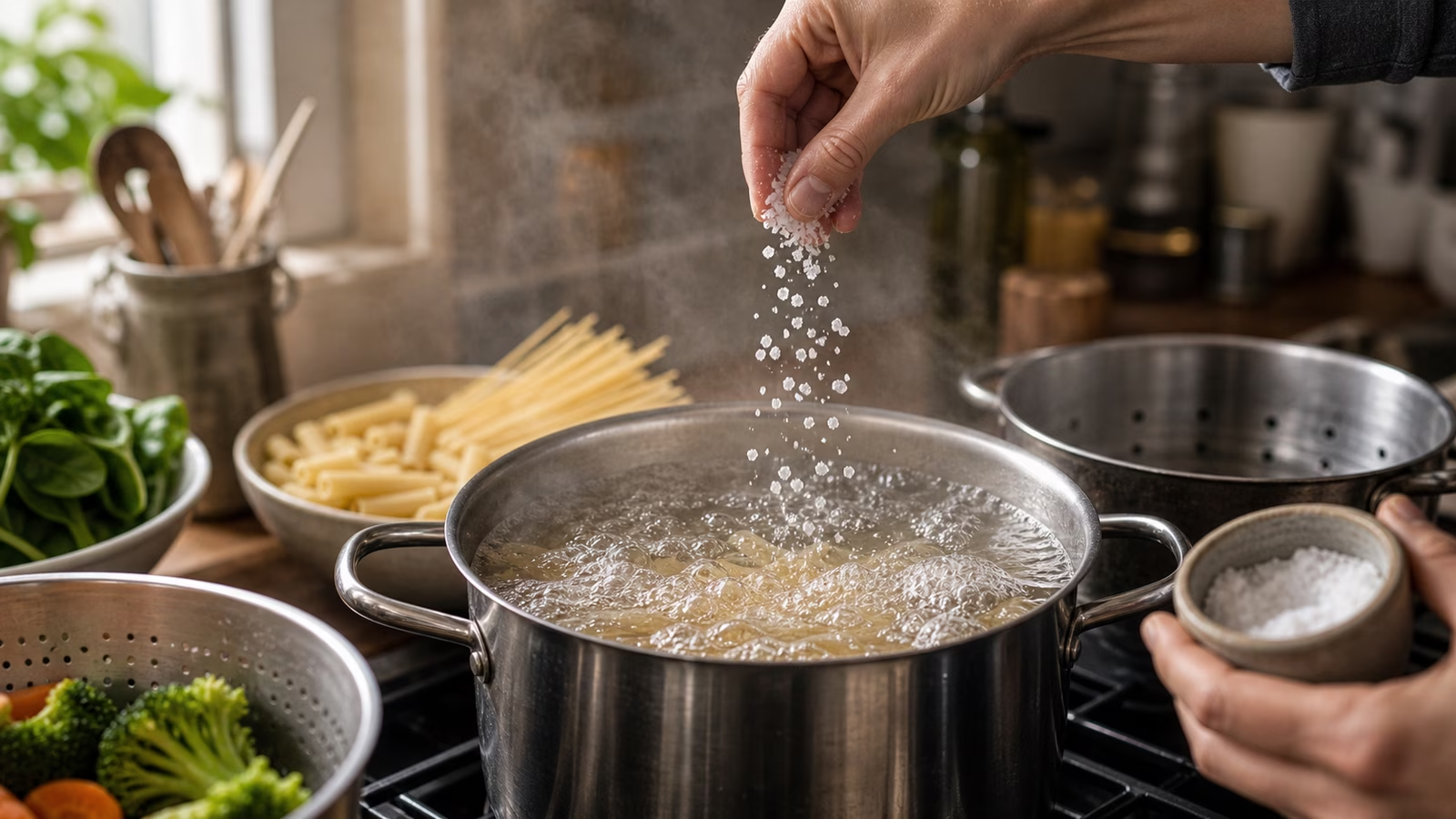
Pasta water is not just water that happened to cook pasta. It contains salt and starch, and both affect the sauce. The salt level should be considered before more salt goes into the pan. If the cooking water is well seasoned, every splash adds salinity. If the water is timid, the noodles may taste dull no matter how strong the sauce becomes.
This is especially important for simple sauces. Garlic and oil, butter and cheese, clam sauce, pesto-style herb sauces, and quick tomato sauces all rely on pasta water to bind and carry flavor. A splash of properly seasoned water can make them taste connected. Too much salty water can push them past balance, especially when cheese, capers, olives, or cured meat is present.
The amount of water used also matters. A small splash may only loosen the sauce. A ladleful may become a major seasoning addition. If a sauce needs a lot of water to emulsify or finish, use plain salt more carefully earlier in the process. It is easier to add salt at the end than to undo salty water that has already reduced into the pan.
Tomatoes Need Salt, Time, and Sometimes Acid
Tomato sauces show the difference between seasoning and brightness. Salt focuses tomato flavor, pulls sweetness forward, and softens raw edges. Time changes the sauce too, especially if it reduces. A quick tomato sauce may need enough salt to make fresh acidity lively. A long-simmered sauce may need less early salt because water leaves and flavors concentrate.
Canned tomatoes, tomato paste, fresh tomatoes, and passata do not all start in the same place. Some taste bright and thin. Some are sweet. Some are already seasoned. Some need reduction before their flavor makes sense. Salt should enter early enough to season the base, but the final amount should wait until the sauce has reached the thickness it will have on the pasta.
If tomato sauce tastes salty but still flat, the missing piece may be acid, fat, or time. A little olive oil, butter, or pasta water can soften the edge. A tiny amount of vinegar or lemon can revive a sauce that tastes cooked but dull. More salt is not always the solution. Salt, Acid, and Fat is useful because tomato sauces often ask for exactly that balance.
Cheese and Cured Ingredients Can Finish the Salting for You
Parmesan, pecorino, ricotta salata, feta, guanciale, pancetta, bacon, sausage, anchovies, olives, capers, and salted butter can all make pasta taste seasoned without much plain salt. They do not behave alike. Cheese often arrives near the end and can change the salt level quickly. Cured pork releases salt into fat and sauce during cooking. Anchovies dissolve and become background seasoning. Capers and olives remain little bursts unless chopped or cooked down.
Plan for them. A sauce with pecorino should be salted less before the cheese melts in. A pan with guanciale may need very little added salt until the pasta arrives. A sauce with anchovies may taste less fishy and more savory after a few minutes, so wait before correcting. Salty Pantry Ingredients covers this style of seasoning in more detail.
The final garnish can also change the answer. A shower of hard cheese at the table is not decoration only. It is salt, fat, and umami. If the pasta is already at the edge in the pan, the table cheese can push it too far. If the pasta is gently seasoned, the cheese can make the final bite feel complete.
Cream, Butter, and Oil Change Salt Perception
Rich pasta sauces often need more salt than they appear to need at first, but they also need restraint because richness can hide salinity until the second or third bite. Cream, butter, egg yolk, olive oil, and cheese coat the palate. Salt gives that richness shape, but acid, pepper, herbs, or bitter greens may be just as important.
A cream sauce that tastes bland may need salt. It may also need pasta water to loosen it, cheese to sharpen it, lemon to lift it, or enough black pepper to break the softness. Carbonara-style sauces, butter sauces, and creamy vegetable sauces all depend on the relationship between fat and salt. The sauce should taste seasoned without becoming heavy.
Oil-based sauces are less forgiving because salt does not dissolve in oil. Garlic oil needs pasta water, lemon, tomato juices, clam liquor, or another watery element for salt to spread evenly. Dry salt sprinkled into oil can remain uneven, especially if the noodles are not tossed thoroughly. Dissolve the seasoning where it can move, then use the final toss to distribute it.
Finishing Salt Is Rarely the Main Answer
Finishing salt can be beautiful on some pasta, but it has to be chosen carefully. A few flakes on a simple fresh tomato pasta, ricotta-topped noodles, or a buttery herb pasta can add texture. On a saucy tomato pasta or cheese-heavy dish, flakes may dissolve immediately or create random salty spots. The more integrated the sauce, the less finishing salt usually helps.
If the pasta tastes under-seasoned, taste a noodle with sauce before reaching for flakes. The noodle may need better cooking water. The sauce may need a final dissolved pinch. The cheese may need to be added before judgment. Surface salt should be the last accent, not the repair for a disconnected sauce.
Good pasta sauce salting is a conversation among parts. The water seasons the noodle. The sauce carries its own base. Cheese and pantry ingredients add salinity. The final toss changes everything. Taste the coated noodle, not the idea of the sauce, and the answer becomes clearer.