Pan sauces and gravies make salt tricky because they are built from ingredients that have already been seasoned, reduced, browned, or concentrated. A roast leaves drippings. A skillet leaves fond. Stock may be salted or unsalted. Butter may be salted or plain. Wine, vinegar, mustard, miso, soy sauce, cheese, capers, and herbs can all change the taste of the liquid before the cook adds a single pinch. Then the sauce reduces, and the answer changes again.
This guide is close to Salting Sauces and Dressings , but it focuses on the sauces that gather flavor from a pan. A vinaigrette can be built in a bowl and tasted cold. A pan sauce is alive with heat, evaporation, fat, and browned bits. Gravy has its own problem: it often needs to season a large plate without becoming the loudest thing on it.
The Pan Has Already Started Seasoning
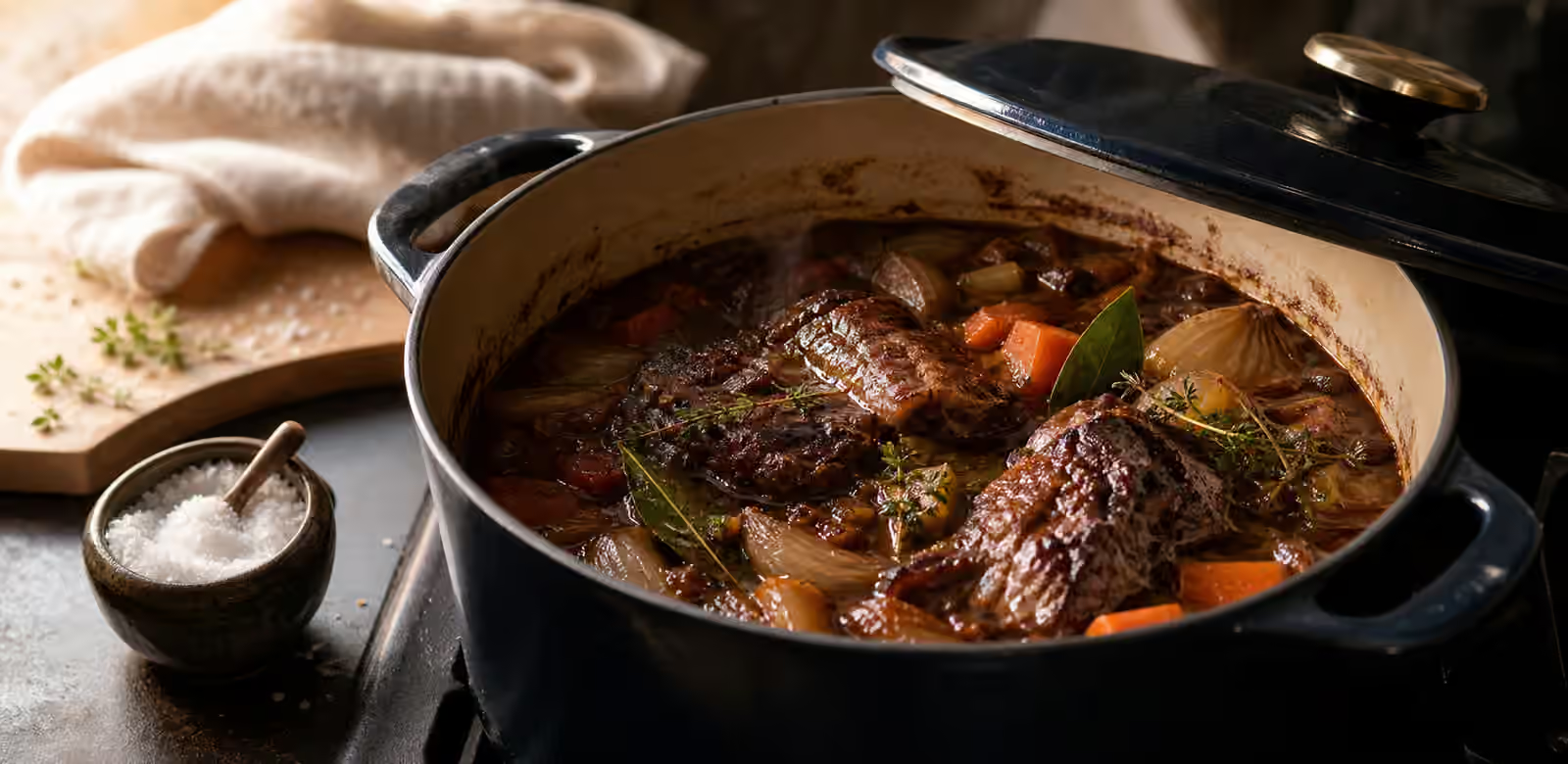
Fond is not just color. It is concentrated cooked flavor stuck to the bottom of a skillet or roasting pan. If the food that created it was salted, the fond contains salt too. A steak salted before searing, chicken seasoned before roasting, mushrooms cooked with salt, or onions sweated with salt all leave evidence behind. When liquid dissolves that evidence, the sauce inherits it.
This is why salting the sauce at the beginning can be risky. The cook sees wine, stock, or water hit the pan and thinks the liquid needs seasoning. Sometimes it does. But that liquid has not yet lifted all the fond, reduced, met the fat, or taken on the salt from drippings. Early salt may seem modest, then become heavy as the sauce tightens.
The better habit is patience. Deglaze first. Scrape thoroughly. Let the browned bits dissolve. Add stock or another liquid and let the sauce show its direction before deciding what it lacks. A small early pinch can help if every component is plain, but pan sauces usually reward late tasting more than early confidence.
The same principle appears in When to Salt , where timing decides whether salt integrates or finishes. In a pan sauce, integration comes from dissolved fond and reduction. Finishing comes from the final taste after the sauce has reached the texture that will hit the plate.
Reduction Makes Salt Louder
A sauce that tastes barely seasoned when thin can taste assertive after it reduces by half. Water leaves. Salt stays. Gelatin, sugar, acidity, browned proteins, and aromatics all become more concentrated too. The sauce may become more delicious and more dangerous at the same time.
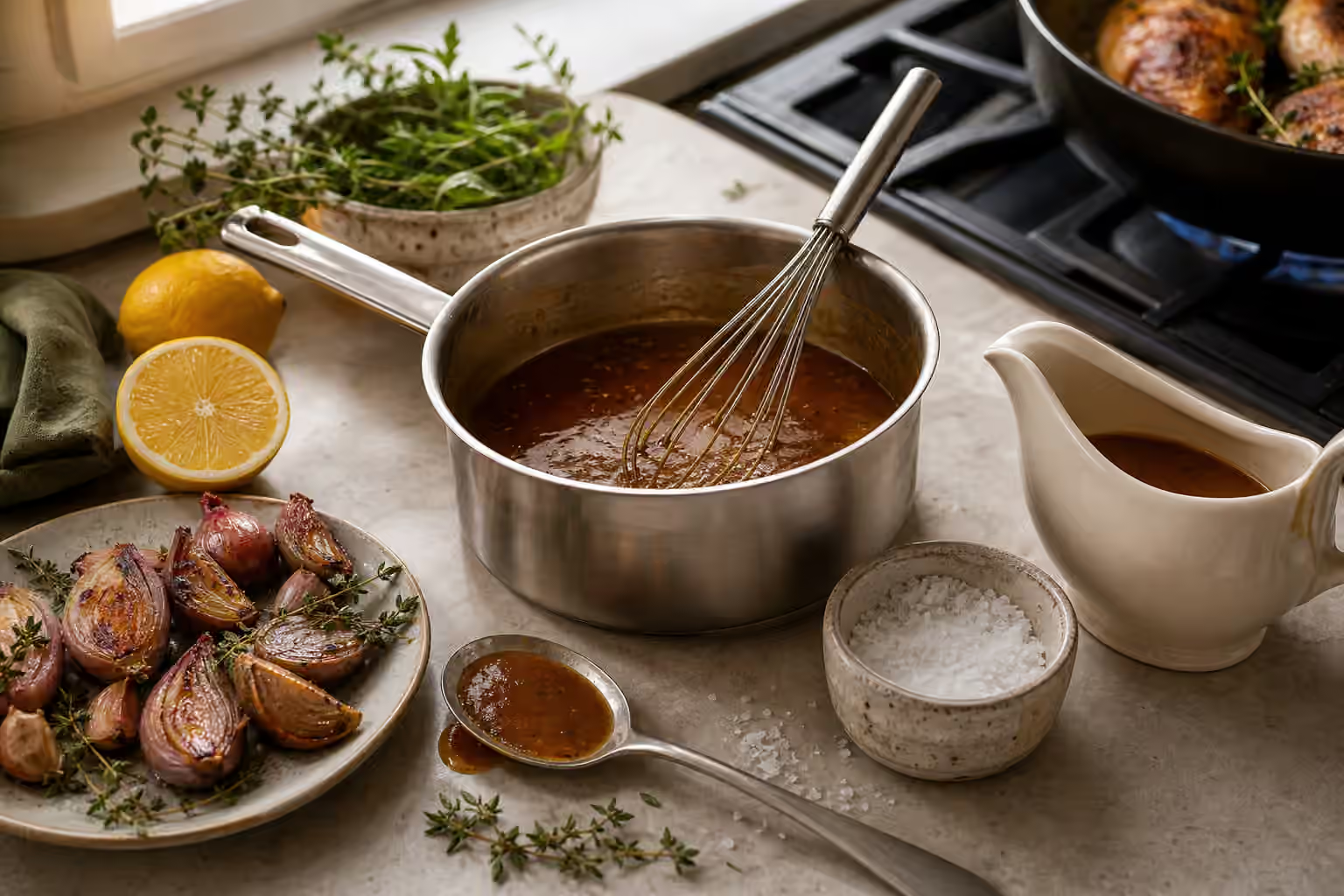
This is why reduction should happen before the final salt adjustment. If you add salt to a wine-and-stock mixture while it is still loose, the finished sauce may have no room left for correction. If you wait until it coats a spoon, you are judging the sauce in its real form. The taste may still change slightly when butter or cream is whisked in, but the major concentration has already happened.
Gravy follows the same rule, though the texture comes from starch or roux as much as reduction. A thin gravy may taste mild because it has not thickened enough to cling to the tongue. Once flour, cornstarch, or reduced stock gives it body, the same salt reads differently. Thickening first and salting second is often calmer than trying to season a watery preview.
There is one practical exception. If the sauce is made from completely unsalted stock and unsalted drippings, a tiny early pinch can help the aromatics taste like food while they cook. That pinch should be modest. It is not the final seasoning. It is a way to keep the sauce from tasting hollow while it develops.
Stock, Broth, and Bouillon Can Carry the Whole Pinch
Stock is the hidden source of many over-salted sauces. A homemade unsalted stock behaves very differently from a boxed broth, a reduced restaurant-style stock, or a spoonful of bouillon dissolved in water. A sauce made with a salty broth may need no added salt at all once it reduces. A sauce made with unsalted stock may need careful seasoning at the end.
Taste the liquid before it goes into the pan. This sounds obvious, but it is often skipped because stock is treated as background. If the stock already tastes pleasantly seasoned in a cup, imagine how it will taste after water leaves. If it tastes weak, the sauce may need salt later, but it may also need more reduction, acidity, or fat rather than more salt alone.
Salty Pantry Ingredients is useful here because many pan sauces use pantry shortcuts. Mustard, soy sauce, miso, Worcestershire-style sauces, anchovy, capers, olives, cheese, and pickled brines bring salinity with flavor. They can make a sauce taste complete, but they can also narrow the correction window. Add them before the final salt decision, not after, so plain salt does not duplicate their work.
The same caution applies to drippings. Roasting juices from a dry-brined chicken or salted roast can be intensely seasoned. Before turning them into gravy, taste a small spoonful. If they are salty but flavorful, unsalted stock and a light hand may be enough. If they are too salty, dilution and unsalted fat or starch may be more useful than another flavorful salty ingredient.
Fat Softens Salt but Does Not Erase It
Butter, cream, pan fat, olive oil, and meat drippings can make a sauce taste rounder. They can also hide salt briefly. A hot sauce enriched with butter may seem balanced in the pan, then taste saltier as it cools slightly on the plate and the fat coats the food. Fat does not remove salt. It changes how the palate receives it.
Mounting a pan sauce with butter should happen near the end, when the sauce has reduced and the heat is gentle. Taste before the butter to understand the base. Taste after the butter to understand the finished sauce. If the butter is salted, the second taste matters even more. A sauce that needed a pinch before salted butter may need none after.
Gravy has a similar relationship with fat. Skimmed drippings, roux, and pan fat can give body, but too much fat can make the gravy feel rich and dull. The instinct may be to add salt because the sauce lacks focus. Acid, herbs, pepper, or a splash of unsalted stock may be the better move. Salt, Acid, and Fat is the larger pattern: richness often needs brightness, not another pinch.
Taste With the Food, Not Only From the Spoon
Pan sauce is rarely eaten alone. It lands on steak, chicken, mushrooms, roasted vegetables, potatoes, grains, noodles, bread, or eggs. Gravy covers turkey, mashed potatoes, stuffing, biscuits, rice, or vegetables. The sauce should be seasoned enough to carry the bite, but the spoon taste can mislead because it is more concentrated than the final forkful.
If possible, taste the sauce with a piece of the food it will dress. A pan sauce that seems intense from the spoon may be perfect on plain chicken. A gravy that tastes balanced alone may disappear on mashed potatoes. A mushroom sauce may need less salt if it will land on salted pasta or cheese. A lemony butter sauce may need restraint with seafood that was salted before cooking.
This is where Fixing Over-Salted Food becomes prevention. Once gravy is salty, the fix is usually dilution, unsalted liquid, more starch, or more plain food. It is much easier to hold back and taste with the plate than to rescue a reduced sauce after the salt has no place to go.
A Good Pan Sauce Should Taste Finished, Not Salty
The final salt decision belongs at the final texture. Reduce, scrape, add the salty flavor ingredients, enrich if needed, then taste with the food. If the sauce tastes thin, reduce or add body before salting. If it tastes heavy, add acid or fresh herbs before salting. If it tastes vivid but weak on the food, add a small pinch and taste again.
Finishing salt rarely belongs inside a pan sauce because it dissolves and loses the texture that makes it special. If texture is wanted, finish the food after saucing with a few flakes where they will stay visible. A sliced steak with pan sauce can handle that. A bowl of gravy cannot.
Good sauce work is less about bold seasoning than about sequence. The pan starts the flavor. Liquid releases it. Reduction concentrates it. Fat rounds it. Acid sharpens it. Salt should enter when the cook knows which of those jobs has already happened. That patience keeps pan sauces savory and clear, and keeps gravy from turning a good plate into a salty one.