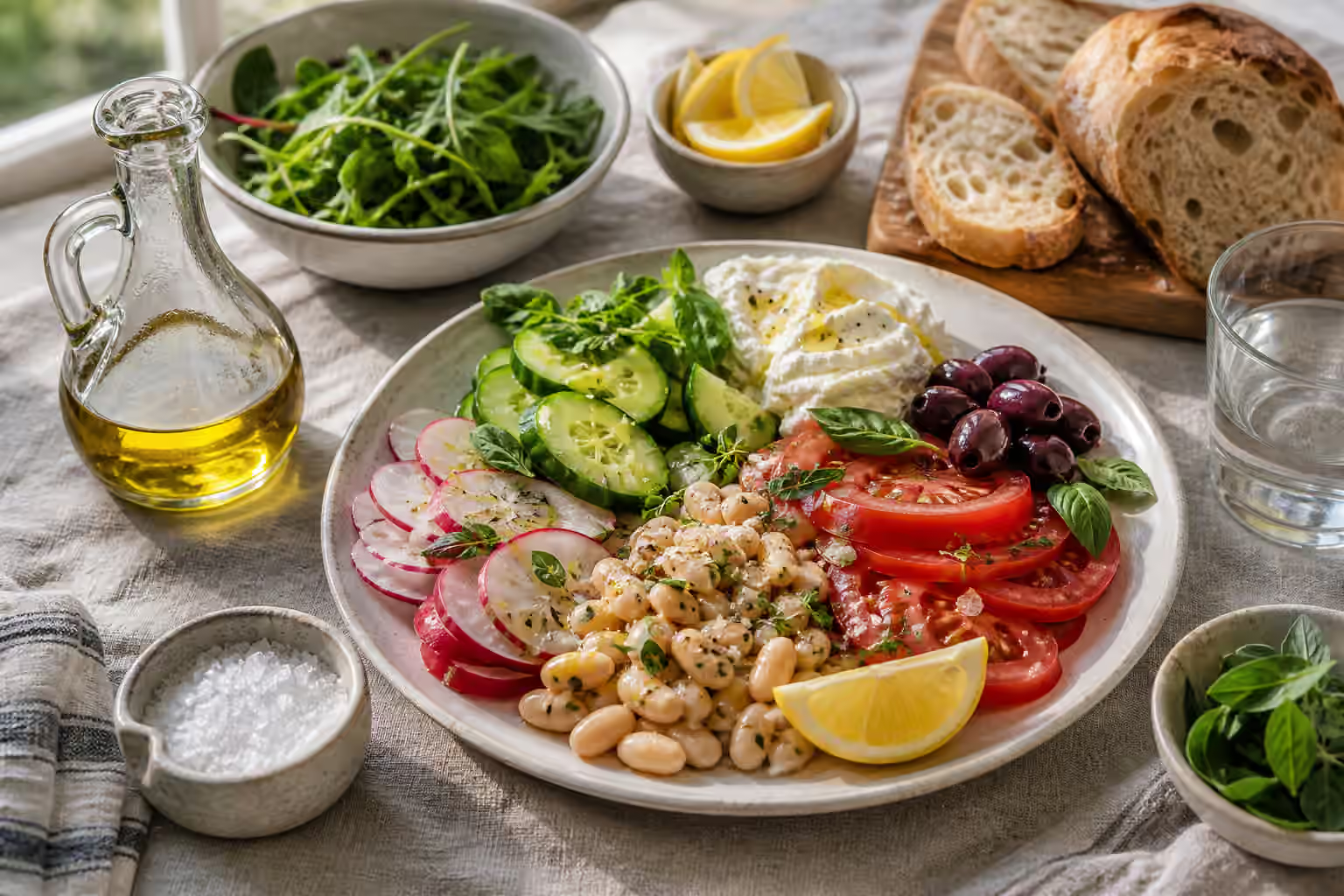
No-cook meals expose salt because there is no simmer, roast, or saute to hide uneven seasoning. A plate of tomatoes, beans, cheese, cucumbers, bread, olives, herbs, and olive oil can taste effortless in the best sense: fresh, direct, and satisfying. It can also taste like separate cold ingredients sharing a plate. Salt is often what turns assembly into cooking, but it has to be used with attention because many no-cook ingredients already carry salt or water.
This guide sits near Salt for Sandwiches and Toast , Salting Salads , and Salty Pantry Ingredients . Those pages cover specific structures. This one is for the loose meal that happens on a cutting board or plate: vegetables, bread, dairy, beans, eggs, fruit, herbs, oil, acid, and something salty from the pantry.
Assembly Still Needs Sequence
No-cook does not mean all-at-once. Salt behaves differently depending on when it touches each ingredient. Tomatoes release juice. Cucumbers and radishes shed water. Beans absorb dressing slowly. Bread drinks liquid and becomes either delicious or soggy. Cheese and olives bring salt before the cook adds any. Herbs wilt if they sit too long in salty acid.
The first decision is which ingredients need time. Tomatoes often improve with a short rest after salting because their juices mingle with olive oil, vinegar, herbs, or bread. Beans need time to absorb salt, acid, and oil, especially if they were rinsed and taste flat. Cucumbers may need a brief salt and drain if their water would dilute the plate. Tender herbs usually wait until later so they stay fragrant.
This is the same timing logic as When to Salt , only without heat. Instead of asking what should be salted before the oven or pot, ask what should release juice, what should absorb flavor, and what should remain crisp until the last moment.
Juicy Foods Create the Dressing
Tomatoes, peaches, melon, citrus, cucumbers, and berries can turn salt into a dressing. A pinch dissolves into their juice, and that juice seasons everything it touches. This is why a tomato plate with bread can taste more complete after five minutes. The tomato water carries salt, acid, oil, and aroma into the bread rather than leaving every ingredient separate.
The risk is dilution. A cucumber plate that seemed bright at first can become watery. A tomato salad can leave a salty puddle while the solids taste tired. Fruit can move from vivid to strange if salt pushes the sweetness too far. Taste the liquid as well as the pieces. If the juice is delicious, use bread, beans, grains, or cheese to catch it. If the juice tastes thin, the plate may need acid, salt, or a pause. If it tastes too salty, add more plain produce or bread before reaching for stronger ingredients.
Salting Tomatoes and Salting Fruit both matter here because no-cook meals often rely on produce at its most exposed. Heat will not rescue a rough decision. The ingredient has to taste good in the state it reaches the plate.
Beans, Bread, and Starch Need Salt Carried to Them
White beans, chickpeas, lentils, boiled potatoes, cooked grains, leftover rice, and bread can make a no-cook meal substantial. They also reveal whether salt is only sitting on the surface. A bean sprinkled with salt at the last second may taste salty on the skin and plain inside. Bread dipped into unsalted oil may feel rich but dull. Cold potatoes need more help than the same potatoes warm from the pot.
Salt spreads better when dissolved into a small dressing or folded through while the starchy ingredient is still a little moist. Beans can be tossed with olive oil, lemon, vinegar, herbs, and salt, then left to sit while tomatoes are sliced. Bread can be toasted or left fresh depending on how much juice it will meet. Potatoes can be cut and dressed before serving so the seasoning reaches more than the outside.
This does not mean every starch should become salty. It means the plain foundation should not be ignored. A plate with salted tomatoes, salty olives, and plain beans may taste busy but unfinished. A plate with lightly seasoned beans and restrained salty garnishes often tastes calmer.
Salty Pantry Ingredients Are Not Garnish Only
Olives, capers, anchovies, pickles, preserved lemon, cured fish, salted nuts, miso, soy sauce, chile crisp, cheese, and seasoned crackers all change the salt budget. They may look like toppings, but they season the plate. If they are added after plain salt has already been scattered everywhere, the final bite can become heavy.
Treat these ingredients as salt sources first and flavor accents second. Chop olives smaller if you want their salinity to spread. Leave them larger if you want occasional briny bites. Crumble cheese lightly if the rest of the plate is delicate. Use capers or anchovies with restraint if the food underneath is already seasoned. Taste a bite that includes the salty ingredient before adding more plain salt.
Salted Butter, Cheese, and Yogurt helps with dairy-based plates, and Salty Pantry Ingredients gives the wider habit. A no-cook meal often succeeds because one salty ingredient is used intelligently rather than because the whole plate is salted from above.
Fat and Acid Decide Whether Salt Feels Alive
Olive oil, butter, yogurt, tahini, cheese, avocado, and nuts make no-cook meals satisfying. They also soften salt. A plate heavy with fat can taste rich and quiet even when enough salt is present. The instinct may be to add more salt, but the plate may need lemon, vinegar, tomato juice, pickled onion, or herbs.
Acid makes cold food wake up. It brightens beans, cuts cheese, sharpens tomatoes, and makes bread taste less heavy. It can also make salt seem sharper, especially on cucumbers, radishes, and delicate fish or dairy. Add acid and salt gradually, tasting them together. A splash of vinegar may reduce the need for more salt. A pinch of salt may make lemon taste fuller rather than merely sour.
Cold temperature matters too. Cold cheese, beans, cooked vegetables, and grains can taste muted. Letting them sit briefly at a comfortable serving temperature may reveal flavor that seemed missing. Salt added while everything is refrigerator-cold can become too much once aromas return.
Finish Where the Tongue Meets the Plate
Finishing salt is useful on no-cook food because the crystals can remain physical. Flaky salt on tomatoes, radishes, buttered bread, boiled eggs, avocado, melon, or soft cheese can be beautiful. It should land where texture matters, not everywhere. A few crystals on tomato slices may be better than a blanket across the whole plate.
Fine salt belongs where dissolution matters: beans, dressings, yogurt, oil, or a quick tomato juice vinaigrette. Coarse salt belongs only when the pieces are small enough to dissolve or large enough to be pleasant. A hard crystal on a cucumber can feel clumsy. A brittle flake on buttered toast can feel exactly right.
No-cook meals reward the same care as cooked meals, just with less drama. Salt the ingredients that need time, respect the ingredients that already bring salt, let juicy foods create dressing, and finish only where texture will be felt. A good assembled plate should taste like the ingredients learned to speak to one another, not like a cook tried to make cold food exciting by adding more and more salt.