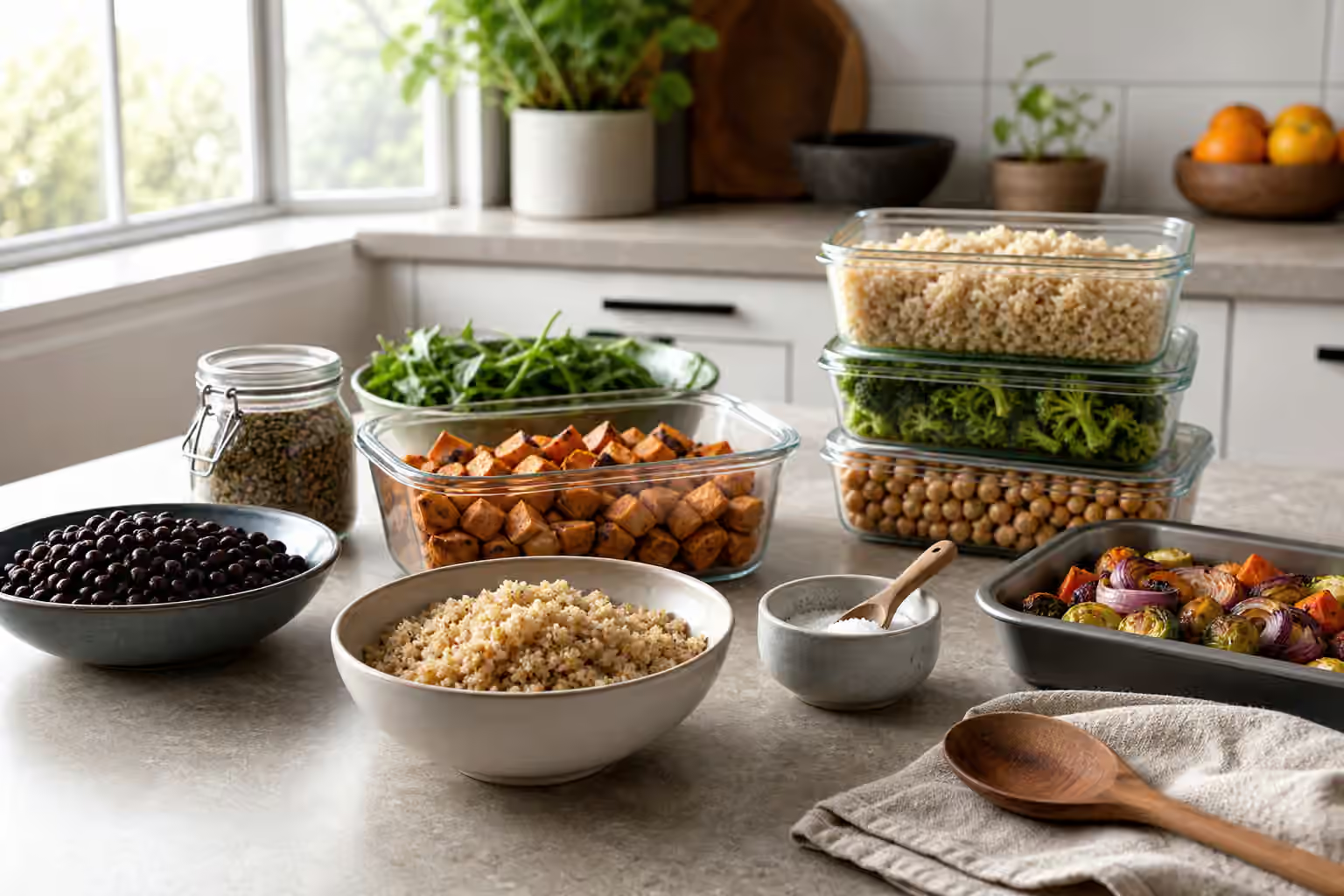
Leftovers are not the same food paused overnight. They have cooled, absorbed, dried, wept, concentrated, softened, or tightened. Rice that tasted seasoned at dinner can seem flat from the refrigerator. Soup can taste saltier after liquid evaporates and then dull again when cold fat mutes the broth. Roasted vegetables can lose their crisp edges but become sweeter. Pasta can drink up sauce. Meat can taste plain in the center and salty on the surface. The salt decision has changed because the food has changed.
That is why reheating should not be treated as warming plus one automatic pinch. Sometimes leftovers need salt. Sometimes they need water, broth, acid, fat, herbs, heat, or a fresh plain ingredient more urgently. Salt can refresh food, but it can also turn yesterday’s balanced meal into today’s heavy one if it is asked to solve every problem.
This guide belongs near Fixing Over-Salted Food because leftovers are one of the easiest places to overshoot. It also extends When to Salt into a second day, where the first seasoning decision is already in the food and the cook is deciding what kind of correction is actually needed.
Cold Food Hides Some Flavors and Sharpens Others
Cold changes perception. Aroma is quieter, fat feels firmer, starch tastes duller, and some bitterness or salinity can seem more direct. A cold spoonful from the refrigerator is useful, but it is not the final judge unless the food will be eaten cold. Soup, rice, beans, pasta, vegetables, and cooked proteins all taste different after they warm because scent, texture, and moisture return.
This matters because a cold leftover often seems underseasoned when the real problem is temperature. A rice dish from the refrigerator can taste bland and hard, then taste much more complete after steam loosens the grains. A stew can taste salty cold because fat and gelatin are firm and the liquid sits heavily, then taste rounder once warmed. A roasted vegetable can taste muted cold and need acid more than salt after reheating.
The useful habit is to taste twice. Taste a small amount cold to understand what happened overnight, then taste again after the food has reached the temperature at which it will be eaten. Salt added before the second taste may be too much. If the food is going into a skillet or saucepan, give heat and moisture a chance to restore it before making the final call.
Dryness Often Pretends to Be Blandness
Many leftovers taste underseasoned because they are dry. Rice loses steam. Pasta absorbs sauce. Roasted vegetables lose surface moisture. Meat fibers tighten. Beans thicken. In that state, salt has trouble spreading because there is not enough free moisture to carry it. A pinch on dry rice or cold chicken can sit on the surface, making the first bite salty while the interior still tastes tired.
Water, broth, tomato juice, cooking liquid, a little sauce, or even the moisture released by vegetables can bring seasoning back into motion. Reheating rice with a small splash of water and a covered pan lets steam soften the grains before salt is judged. Pasta may need reserved sauce, broth, or water before it needs more salt. Beans often need loosening because their liquid thickens as starch settles. Soup may need water if it reduced while reheating or if it was concentrated before storage.
The liquid should be considered part of the seasoning. Unsalted water dilutes. Broth may add salt. Tomato sauce, soy sauce, pickle brine, and miso add flavor and salinity at the same time. Salty Pantry Ingredients is useful here because leftovers invite exactly those small additions that can refresh food while quietly adding salt.
Reheating Concentrates Some Foods
Not every leftover needs loosening. Some foods become saltier as they reheat because water evaporates. Soup simmered uncovered for too long becomes more concentrated. Pan sauce reduces. Tomato sauce thickens. Braised greens lose more liquid. Roasted vegetables shed moisture and shrink further in a hot oven. Fried rice cooked over high heat can become saltier as sauces cling and water leaves.
This is why the reheating method matters. A gentle covered warm-up preserves moisture. An uncovered simmer concentrates. A hot skillet evaporates quickly. An oven can dry surfaces pleasantly or turn a balanced dish into something parched and salty. The salt decision should follow the method, not the memory of how the food tasted yesterday.
If a soup tastes dull after reheating, first ask whether it is dull because it is weak or dull because it is heavy. A weak soup may need salt. A heavy soup may need water, acid, herbs, or a fresh garnish. If a sauce is salty but still flat, Salt, Acid, and Fat gives the better path: brightness, richness, or dilution may be the missing piece.
Grains and Pasta Absorb the Evidence
Rice, farro, barley, couscous, noodles, and pasta are excellent at hiding salt overnight because they absorb liquid. A sauced pasta can look dry the next day because the sauce has moved into the noodles. A grain bowl can taste muted because the dressing has settled into the base. Fried rice can taste uneven because some grains carry soy sauce while others remain plain.
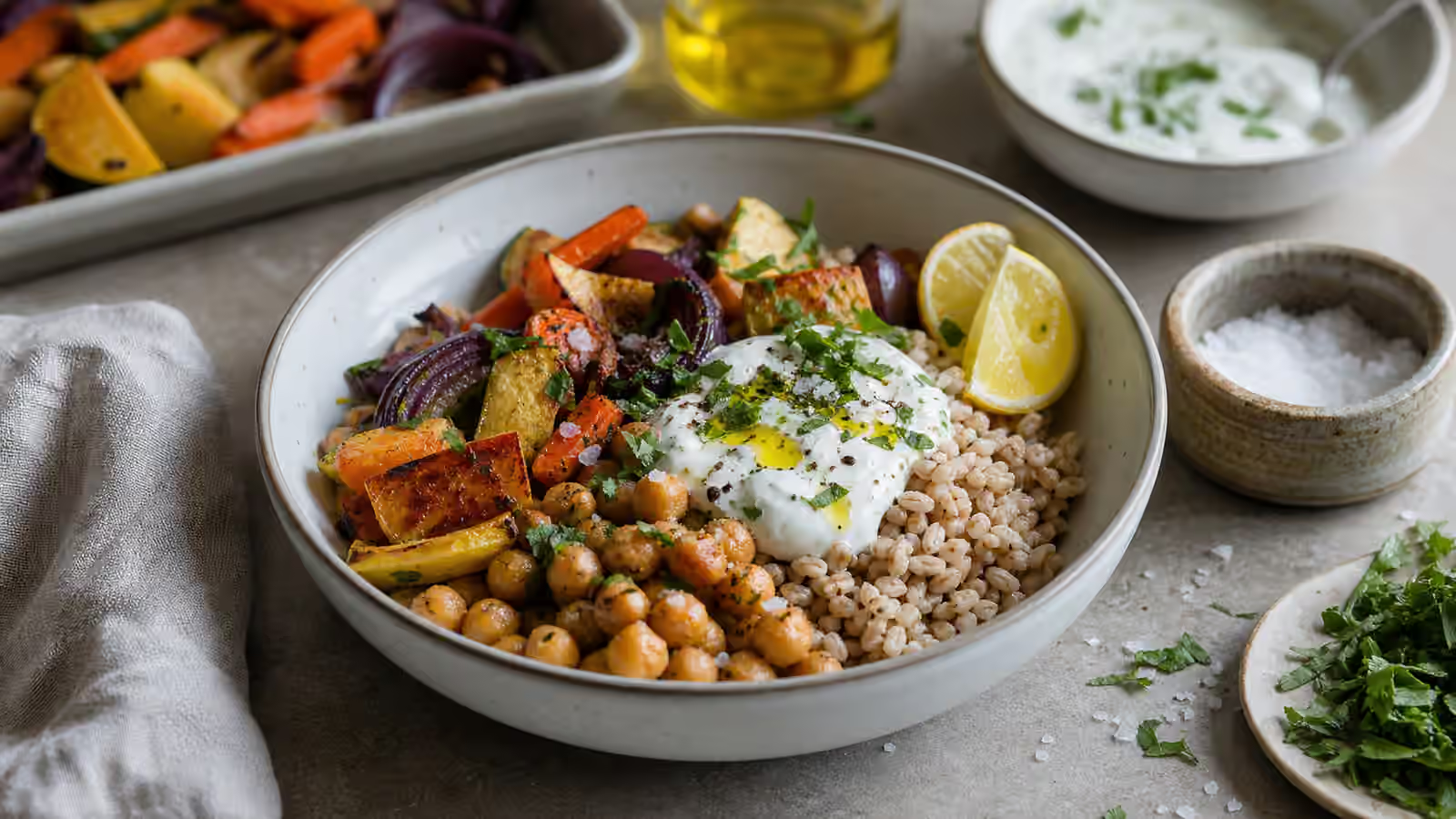
The answer is usually not to salt from above immediately. Break up the grains, warm them with a little moisture, and let the existing seasoning redistribute. Then taste. If the base is still plain, add salt in a form that can spread: dissolved in water, folded into sauce, mixed with oil and acid, or stirred through while warm. Finishing salt on top of cold grains can be pleasant in a salad, but it rarely fixes an underseasoned base.
This is the same reason Salt in Grain Bowls and Composed Plates asks the cook to season the base before assembly. The second day reveals whether that happened. A well-seasoned grain needs only refreshing. A plain grain needs actual seasoning, not decoration.
Proteins Need Surface and Center Considered Separately
Cooked chicken, meat, fish, tofu, tempeh, eggs, and beans all change as they rest. Sliced meat may taste seasoned at the surface and plain inside. Fish can become more assertive in aroma while still needing a little brightness. Tofu can absorb sauce unevenly. Hard-cooked eggs can taste flat unless the yolk and white are seasoned after cutting. Beans may taste better after resting but saltier if their broth reduced.
When reheating proteins, consider whether salt can reach the part that tastes dull. A piece of chicken warmed whole and sprinkled at the end may have a lively surface and a bland center. Slicing it before warming in a small amount of sauce or broth can season more evenly. Tofu reheated in sauce can absorb flavor better than tofu salted after frying. Fish often wants restraint because its surface is delicate and additional salt can become briny quickly.
Finishing salt is useful when texture matters and the protein will be eaten right away. A few flakes on sliced steak, eggs, avocado, or tofu can restore first-contact brightness. But finishing salt should not be asked to travel into a cold center. If the problem is inside, use warmth, moisture, and time.
Fresh Additions Can Reduce the Need for Salt
Leftovers often improve when something fresh joins them. Lemon, vinegar, herbs, scallions, raw onion, yogurt, olive oil, toasted nuts, fresh vegetables, pickles, or a spoonful of plain rice can change the salt need. These additions do not all dilute. Some bring their own salt. But they can make the food feel less tired without pushing salinity upward.
Acid is especially important. Food that tasted balanced yesterday may taste flat today because aroma has faded and fat has firmed. A little lemon or vinegar can bring the dish back into focus so less salt is needed. Herbs can refresh a stew or grain bowl. Yogurt can soften a spicy or salty dish. Plain grains, potatoes, bread, or unsalted vegetables can absorb intensity when a leftover has become too concentrated.
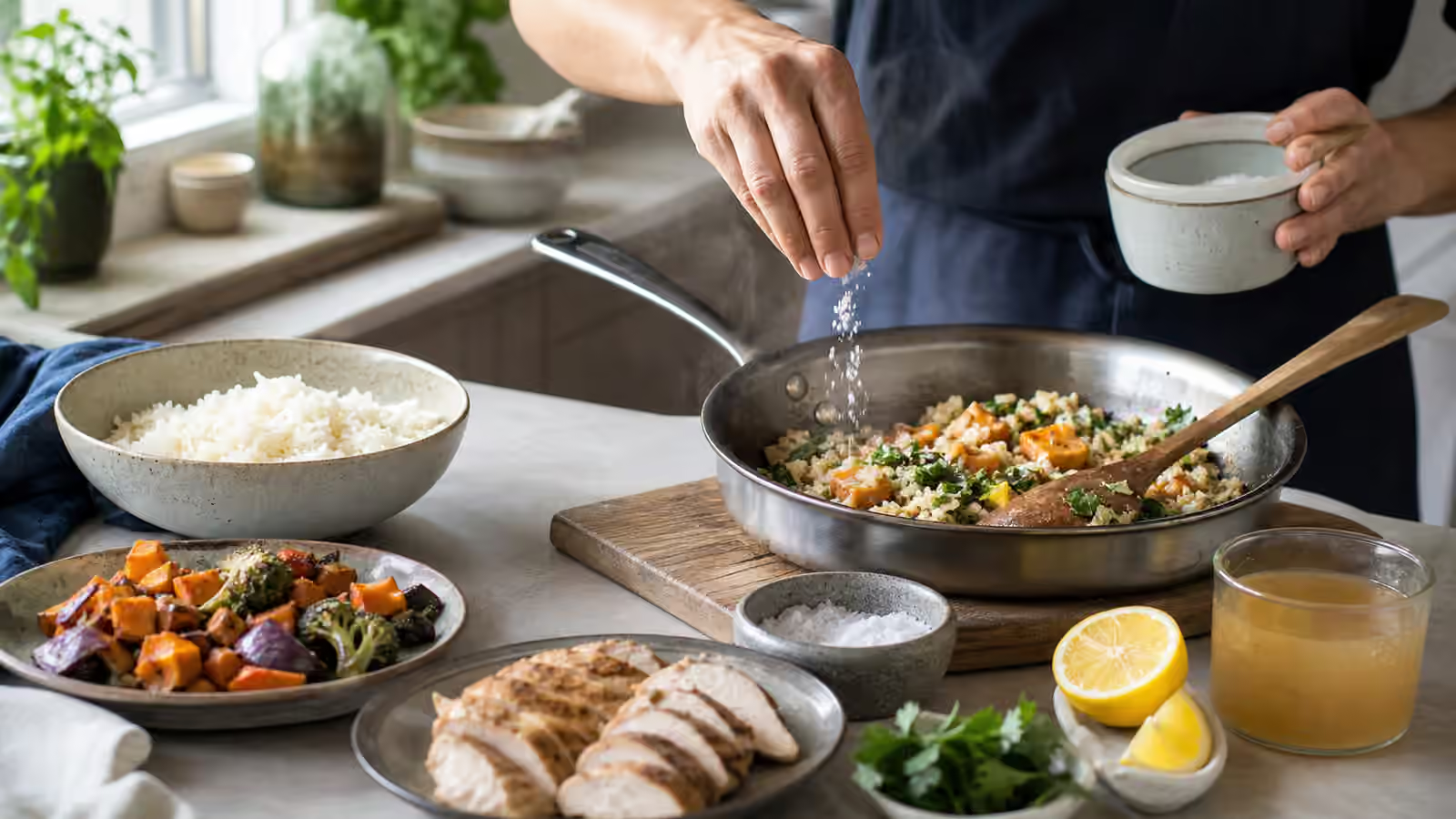
The best leftover seasoning happens late but not carelessly. Warm the food in a way that respects its moisture. Taste it at eating temperature. Decide whether the problem is dryness, dilution, concentration, fat, acid, or actual lack of salt. Add salt only after the food has had a chance to become itself again. A second-day meal does not need to taste like a compromise. It needs the cook to notice that time has already done part of the seasoning work, for better or worse.