Leafy greens make salt look simple until they do not. A handful of spinach can collapse into a spoonful of silk before the salt has time to feel deliberate. Kale can taste leathery and under-seasoned even after it has been dressed. Collards and cabbage need enough salt to pull their sweetness forward without making the pot liquor taste harsh. Tender salad greens can go limp when salted too early, while sturdy greens often need salt before they will soften enough to eat with pleasure.
That range is why leafy greens deserve their own conversation. Salting Vegetables gives the broad map of water, crunch, roasting, and raw preparation. Greens narrow the question to leaves, stems, bitterness, and collapse. The amount of salt matters, but timing matters more because a leaf is mostly structure and water waiting to change.
Leaves Tell You How Soon They Need Salt
The first distinction is between tender greens and sturdy greens. Tender greens such as baby spinach, butter lettuce, arugula, and delicate herbs are already easy to chew. Salt is mainly there to focus flavor, join the dressing, and keep sweetness or bitterness from floating apart. If they are salted too early, they release moisture and lose lift before the bowl reaches the table.
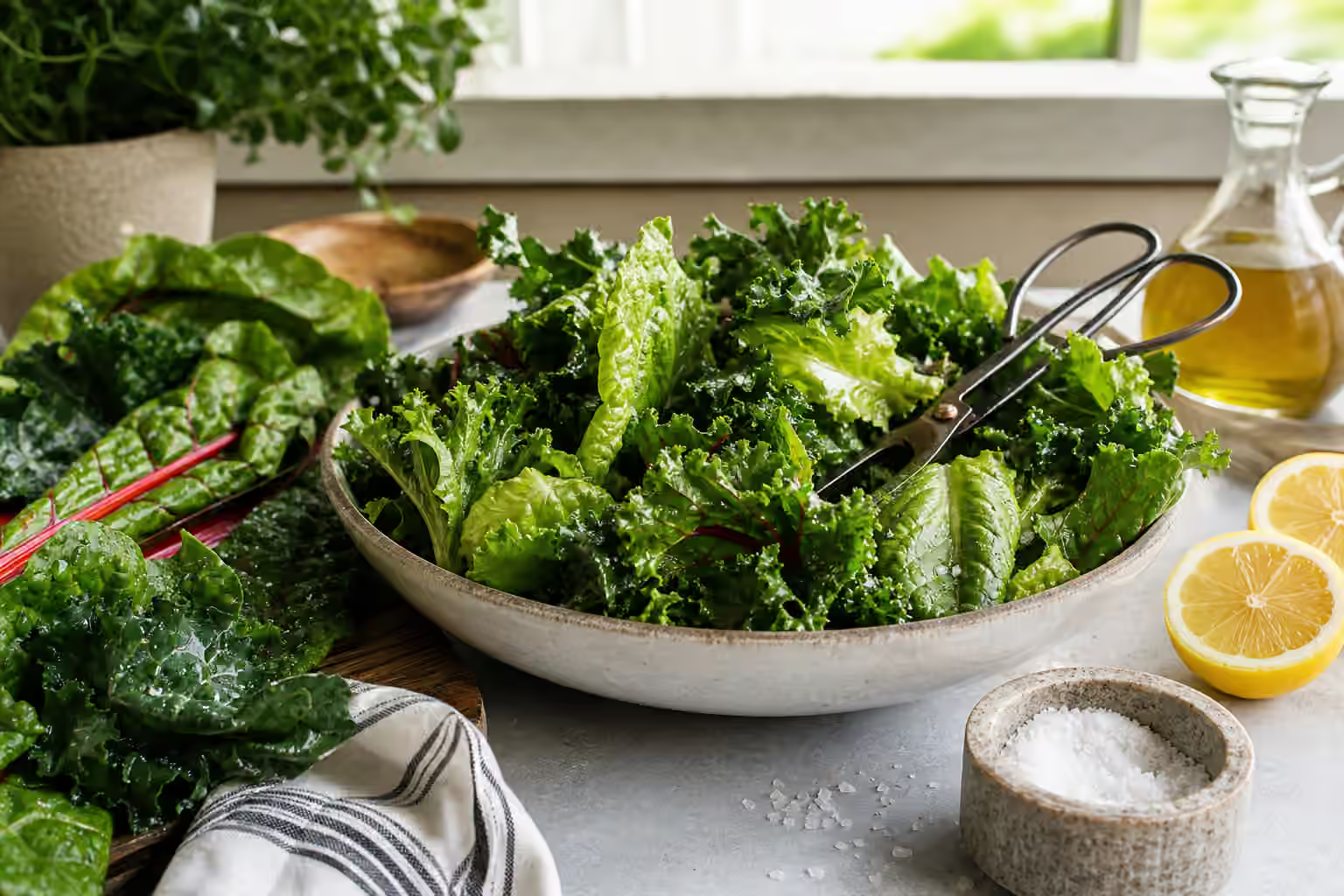
Sturdy greens are different. Kale, collards, chard, mature spinach, mustard greens, cabbage, escarole, and dandelion greens ask for help. Their leaves have more structure, more chew, and often more bitterness. Salt can soften them physically and make their flavor read as savory instead of severe. With these greens, salting ahead is not always a mistake. It can be the step that turns a pile of leaves into food.
The practical habit is to salt according to the leaf’s strength. Tender leaves should meet salt close to serving. Sturdy leaves can meet salt earlier, especially when they will be massaged, sauteed, braised, or dressed with enough fat and acid to carry the seasoning. The same pinch behaves differently on a leaf that will wilt in seconds and a leaf that needs persuasion.
Raw Greens Need a Light Hand and a Clear Purpose
Raw greens are often under-seasoned because cooks rely on dressing to do all the work. The dressing may taste fine on a spoon, but the leaves still taste like water and fiber. A little salt helps greens taste more like themselves, especially when it dissolves into the dressing before it touches the bowl.
For tender salads, salt belongs in the dressing first. It dissolves into vinegar, lemon juice, yogurt, buttermilk, or another watery ingredient and spreads more evenly than dry crystals tossed over leaves. Salting Sauces and Dressings explains this principle in more detail. The salad version is simple: season the liquid, then dress the leaves lightly and taste a dressed leaf, not the dressing alone.
Kale salads behave differently because the salt often becomes part of the softening step. A small amount of salt, oil, and acid worked into sliced kale can relax the leaves and make the salad feel less raw. The goal is not to crush the greens into submission. It is to take away the dry squeak and let the dressing enter the leaf. Too much salt too early makes the bowl wet and heavy, so the cook has to stop when the leaves darken, shine, and lose a little stiffness.
Arugula, frisee, radicchio, and other bitter greens need restraint because salt can make bitterness clearer as well as more balanced. If a salad tastes sharp and hollow, acid or fat may be the missing piece. Salt for Bitter Foods is useful here because bitter leaves often need salt, lemon, olive oil, sweetness, and dairy or nuts working together rather than one heroic pinch.
Cooked Greens Change Faster Than the Hand Expects
Heat makes leafy greens shrink, and that shrinkage concentrates salt. A skillet piled high with spinach may look like it needs a generous hand, but a few minutes later the same salt is seasoning a much smaller volume of food. This is how cooked greens become too salty even when the raw pan looked under-seasoned.
The safer habit is to salt in stages. Add a small pinch when greens enter the pan, especially if onions, garlic, or other aromatics are already cooking. Let the greens collapse. Taste the cooking liquid or a small bite once the volume has dropped. Then decide whether more salt belongs in the pan or at the finish. The first pinch helps water leave the leaves and connects them to the fat. The later pinch corrects the actual dish.
Chard and beet greens bring stems into the question. The stems need more time and can take salt earlier because they are closer to a vegetable than a leaf. Cooking chopped stems with aromatics before the leaves join the pan gives salt a chance to season the crunchy parts without forcing the leaves to overcook. Cabbage, escarole, and collards also benefit from this staged thinking because the rib and leaf do not soften at the same pace.
If the greens will be finished with salty ingredients, hold back. Anchovies, capers, soy sauce, miso, feta, Parmesan, bacon, olives, salted butter, and seasoned breadcrumbs all bring salt after the leaves have already wilted. Salty Pantry Ingredients is a good companion because greens often rely on those ingredients for character. Let them season deliberately rather than accidentally.
Braised Greens Need the Liquid Seasoned, Not Just the Leaves
Longer-cooked greens such as collards, mustard greens, cabbage wedges, escarole, and kale often sit in broth, water, tomato, wine, or their own released juices. In those dishes, salt moves through liquid. The leaves may taste bland while the pot liquor tastes salty, or the broth may taste right while the thick ribs still seem dull. That mismatch usually means the seasoning was not given enough time or the liquid reduced more than expected.
Start the pot modestly. Salt the aromatics, any unsalted broth, and the greens lightly enough that reduction will not punish you later. Then taste again when the greens have softened and the liquid has taken on their flavor. If the dish includes ham, sausage, smoked fish, aged cheese, salted stock, or fermented condiments, the early salt should be even more careful. These ingredients release their salinity slowly, and the pot may change after twenty minutes.
Acid matters at the end. Vinegar, lemon, tomato, or pickled pepper can make braised greens taste brighter without requiring more salt. Fat matters too, especially olive oil, butter, or the rendered fat already in the pot. If the greens taste salty but still heavy, another pinch may make them worse. Brightness or richness may finish the dish more gracefully.
Finishing Salt Belongs on Some Greens, Not All Greens
Finishing salt is useful when it can be felt. A few flakes on warm sauteed spinach with olive oil may disappear too quickly to justify themselves. A delicate scatter on grilled radicchio, roasted cabbage wedges, kale chips, or a dressed bitter-green salad can make sense because the salt remains on the surface long enough to add texture. Flake Salt explains why brittle crystals feel lively when they land on food that will be eaten soon.
The final pinch should be specific. Put it on the crisp edge of cabbage, the cut face of grilled romaine, the top of a kale salad after the dressing has settled, or the warm buttered surface of cooked greens right before serving. Do not use finishing salt to solve a pot that was never seasoned inside. Surface sparkle cannot fix dull stems or unsalted cooking liquid.
Leafy greens reward a cook who watches transformation. Tender leaves need salt late. Sturdy leaves may need salt early. Cooked greens shrink and concentrate. Braised greens ask the liquid to carry seasoning. Bitter greens need salt in conversation with acid and fat. Once those differences become visible, greens stop being a single category and start behaving like ingredients with their own timing.