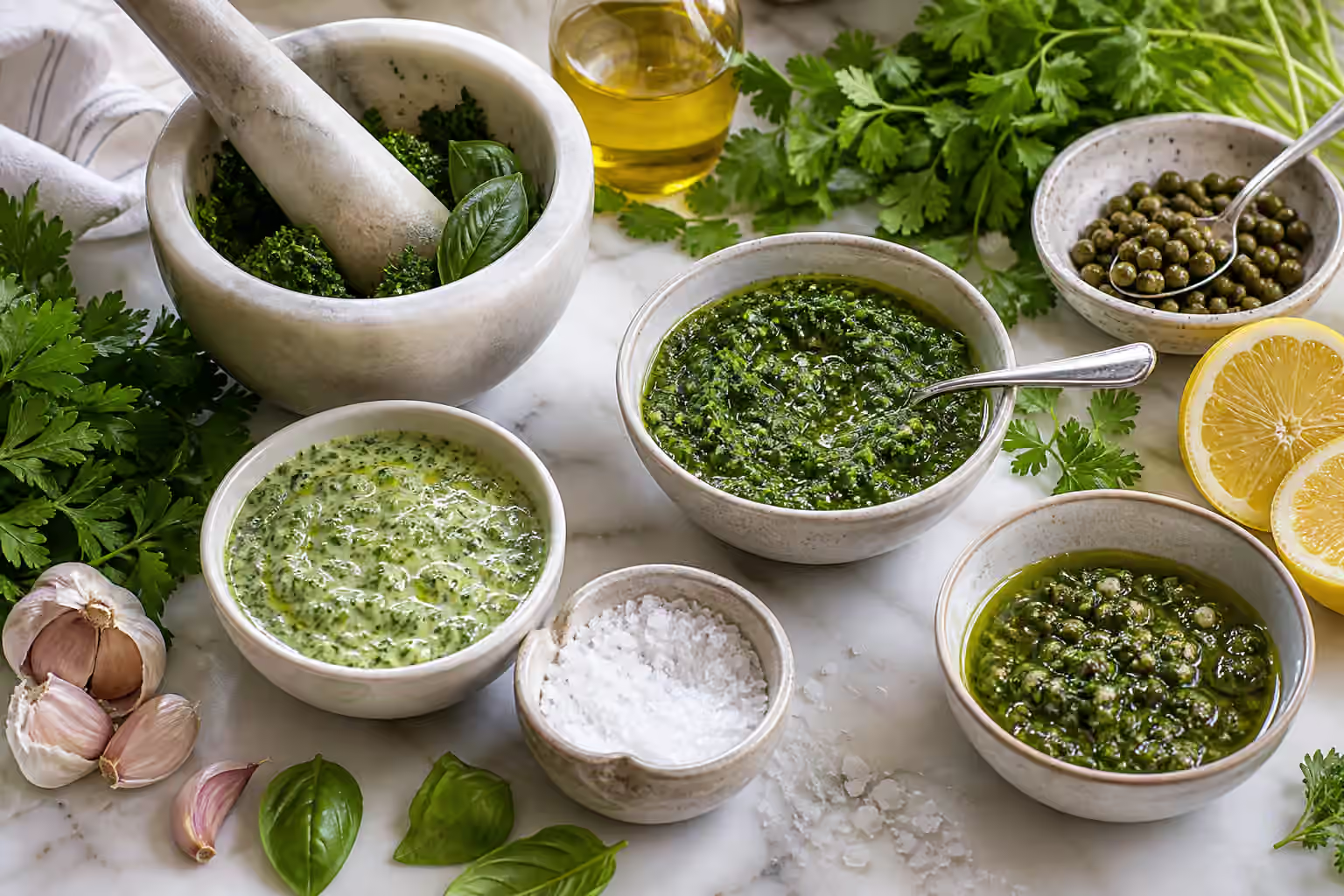
Herb sauces make salt feel immediate. A spoonful of pesto, chimichurri, salsa verde, gremolata, chermoula-style sauce, dill yogurt, or parsley oil can wake a plate in a second. The same spoonful can also become harsh if salt, garlic, acid, cheese, capers, anchovies, or olives all crowd into the same space. Green sauces are vivid because they are concentrated. They do not need much help to become too much.
This guide is related to Salting Sauces and Dressings and Salt in Salsas, Relishes, and Chutneys , but herb sauces behave differently from watery chopped condiments. Many are oil-heavy. Some are pounded or blended. Some include salty pantry ingredients before plain salt enters the bowl. Most are eaten in small amounts on food that may already be seasoned.
Salt Bruises, Dissolves, and Focuses
Salt does more in an herb sauce than make it taste seasoned. In a mortar, it helps break down leaves and garlic by adding abrasion. In a blender or food processor, it dissolves into the moisture released by herbs, lemon, vinegar, or garlic. In an oil-based sauce, it may not dissolve evenly unless enough watery ingredient is present. That means one green sauce can taste balanced while another has salty pockets.
Tender herbs are fragile. Basil, cilantro, dill, mint, parsley, chives, and tarragon all darken and soften after cutting. Salt can speed that change because it draws moisture from the leaves. This is useful when you want a cohesive sauce. It is less useful when you want a loose, fresh garnish. A pounded pesto can accept salt early because bruising is part of the method. A chopped gremolata may taste fresher if salt waits until it is close to serving.
The texture of the salt matters less once a sauce is blended, but it matters during mixing. Fine salt dissolves more reliably. Coarse salt can help grind garlic and herbs in a mortar, but it should be crushed enough that the finished sauce does not contain hard crystals. Flaky finishing salt is usually better on the food underneath or on top of the finished plate, not lost inside a green sauce.
Garlic and Acid Can Masquerade as Salt Problems
Raw garlic makes green sauces difficult to judge. It can taste sharp, hot, bitter, and savory before the sauce is fully seasoned. Salt can make garlic seem cleaner by focusing it, but it can also spread the garlic’s force through the whole sauce. If a sauce tastes aggressive, the answer may be less garlic, more herbs, more oil, a little acid, or rest time rather than more salt.
Acid creates a different confusion. Lemon juice and vinegar make herbs taste brighter. They can make a sauce feel more seasoned even when the actual salt level is low. They can also make salt feel sharper, especially in thin sauces served with delicate fish, vegetables, eggs, or fresh cheese. The salt and acid should be adjusted together, as in Salt, Acid, and Fat . If the sauce tastes dull, add a small amount of acid before assuming salt is missing. If it tastes piercing, oil or herbs may be the correction.
Rest changes the sauce. A chimichurri that tastes raw at first may settle as garlic, vinegar, chile, and salt spread through the oil and herbs. Pesto may taste clean when freshly blended and flatter after sitting because basil aroma fades. A chopped parsley sauce can release green liquid at the bottom of the bowl. Taste again before serving, not only when the sauce first comes together.
Salty Ingredients Should Speak Before Plain Salt
Many herb sauces contain ingredients that already bring salt. Parmesan, pecorino, capers, anchovies, olives, pickled peppers, preserved lemon, miso, salted nuts, and brined cheese can all season the sauce while adding their own flavor. If plain salt goes in before these ingredients are accounted for, the finished sauce can become crowded.
Pesto is the classic example. Cheese brings salt. Nuts may be salted. Garlic brings heat. Basil brings sweetness and green perfume. Olive oil brings richness. If the cook salts heavily before the cheese is blended in, the sauce can taste exciting from the spoon and excessive on pasta or bread. Add the salty ingredients, blend or pound, then taste with the food.
Chimichurri and salsa verde have their own traps. Capers, anchovies, olives, or pickled ingredients can be unevenly distributed. A spoonful with caper may taste salty while another spoonful tastes plain. Chopping them smaller makes the seasoning more even. Leaving them larger makes punctuated bites. Both choices can work, but the amount of plain salt should match the choice.
Salty Pantry Ingredients is the useful companion here. Once a condiment contains capers or cheese, the cook is no longer salting only with salt.
Taste the Sauce With Its Destination
Herb sauce is rarely eaten alone. It may land on grilled meat, roasted vegetables, beans, fish, eggs, potatoes, bread, yogurt, rice, tofu, pasta, or soup. Each destination changes the answer. A sauce for plain white beans can be saltier than a sauce for feta and olives. A sauce for grilled steak can tolerate more acid and salt than one for steamed fish. A sauce for potatoes needs enough salt to wake starch. A sauce for pasta needs to account for pasta water and cheese.
This is especially important for oil-based sauces because a spoonful alone can taste intense and still disappear on a large plate. Oil coats the tongue. Herbs hit the nose. Garlic grabs attention. The sauce may seem seasoned, but the food underneath may remain bland. The right test is a bite of the actual food with the actual amount of sauce.
If the food is underseasoned, decide whether the sauce should fix it. Sometimes yes. A bright herb sauce over plain boiled potatoes can carry the final seasoning. Sometimes no. Pasta, beans, grilled meat, or roasted vegetables usually need their own salt foundation. Salt in Grain Bowls and Composed Plates explains the broader layer problem: a topping cannot always rescue an unsalted base gracefully.
Storage Dulls Some Flavors and Sharpens Others
Herb sauces change in the refrigerator. Basil can darken. Parsley can become grassy. Garlic may grow stronger. Acid can become more integrated. Salt can seem more even because it has had time to dissolve. Oil can thicken and mute the sauce while cold. A sauce that tasted balanced yesterday may need a fresh squeeze of lemon or a few chopped herbs more than it needs another pinch of salt.
For short storage, keep the sauce covered and cold, then taste again at serving temperature. If the oil is cold and firm, let it loosen before judging. If the sauce has become watery at the bottom, stir before tasting. If it tastes flat, add brightness first. If it tastes sharp and salty, add more herbs, oil, yogurt, nuts, or the unsalted food it will accompany.
This is cooking advice, not preservation advice. Salt and acid in a green sauce do not turn every jar into a shelf-stable preserve. Treat ordinary fresh herb sauces as perishable foods unless you are following a tested preservation process.
Let Green Stay Green
A good herb sauce should taste vivid, not punishing. Salt should make basil sweeter, parsley cleaner, cilantro brighter, dill fresher, and mint more focused. It should not flatten the sauce into garlic and salinity. Start with the salty ingredients that are already part of the sauce, add plain salt gradually, and taste with the food.
The best green sauces leave room for the herb to remain recognizable. They carry enough salt to make the plate wake up, enough acid to feel alive, enough fat to spread, and enough restraint that the second bite is as welcome as the first.