Ground meat looks easy because it is already broken down. Salt exposes how complicated that convenience can be. A steak can be salted on the surface and still behave like a steak. Ground meat has no single surface. Every bit can meet salt, and when it does, the mixture can change from loose and tender to cohesive, springy, sticky, or firm. Sometimes that is exactly what the food needs. Sometimes it is the mistake that makes a burger eat like a sausage.
This is why ground meat deserves its own guide apart from Salting Meat and Poultry . The basic rules of timing, browning, and dry brining still matter, but chopped or ground meat asks a more specific question: should the salt stay mostly on the outside, or should it be mixed through the meat?
Mixing Salt Changes the Texture
Salt dissolves some of the proteins in ground meat and helps them bind together. That binding can be useful. It gives sausage its snap, helps meatballs hold shape, makes meatloaf slice cleanly, and keeps dumpling fillings cohesive. It is also the reason overmixed salted ground meat can become bouncy and dense.
For a loose burger, that bind is not usually the goal. A burger patty often tastes best when the meat is handled lightly and salted on the outside shortly before cooking. The exterior gets seasoned, browns well, and forms a crust, while the inside remains tender and loosely packed. If salt is mixed thoroughly into the meat and the mixture is worked hard, the patty can become tight before it ever reaches the pan.
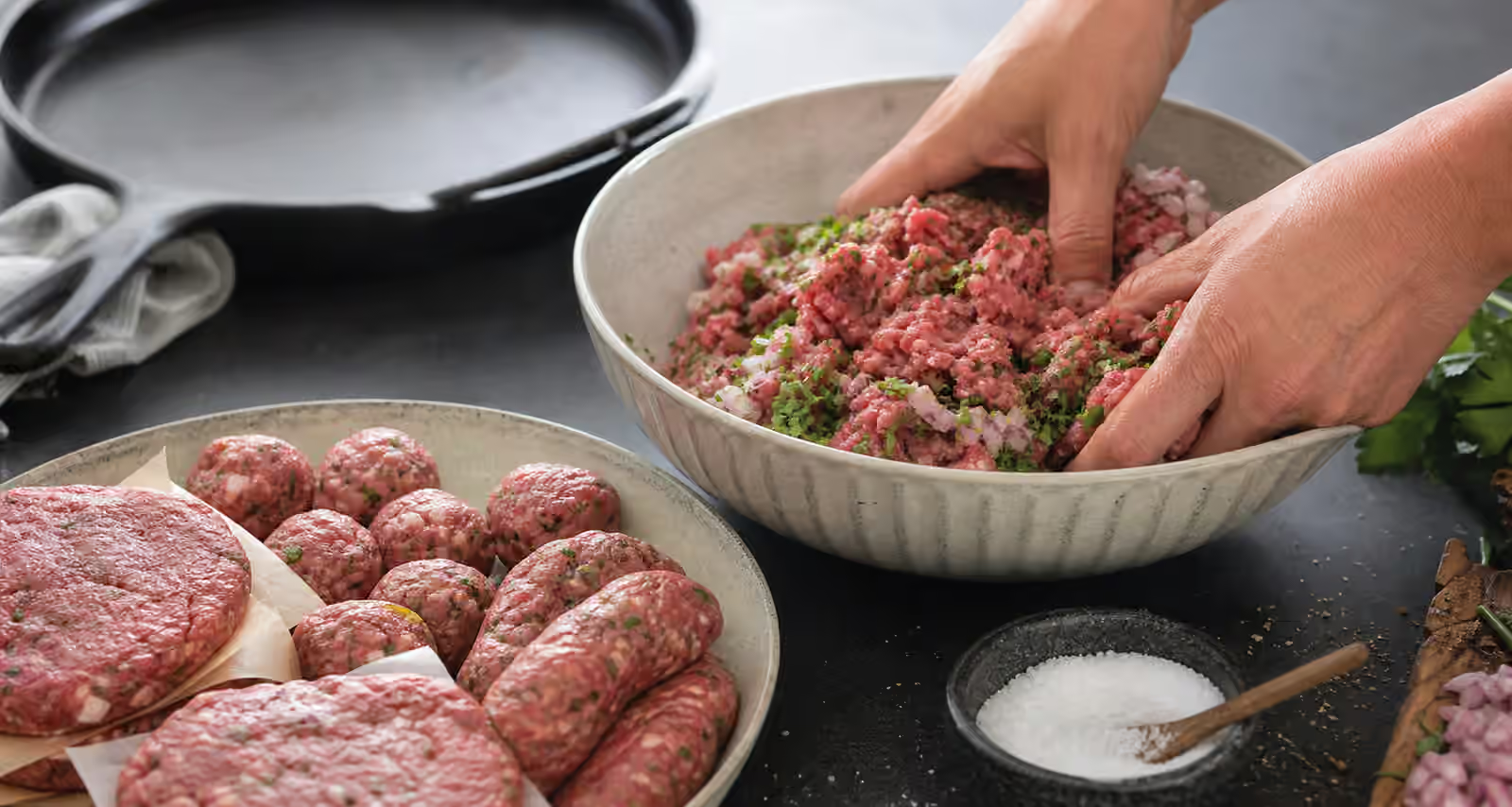
For meatballs, kofta, dumpling fillings, meatloaf, and sausage-style patties, some bind is desirable. These foods need to hold together, carry seasonings, and stay juicy after handling. Salt belongs inside the mixture, but the cook still has to stop before the texture becomes rubbery. The difference is not only the amount of salt. It is the amount of mixing after salt is added.
Burgers Need Surface Salt and Gentle Handling
A burger is a useful place to see the outside-inside distinction. The best seasoning often happens after the patty is shaped. Salt both sides evenly, let the surface sit just long enough to become seasoned, and cook before the meat has time to cure throughout. This gives the crust enough salt to taste complete without changing the interior into a compressed mass.
Thickness changes the answer. A thin smashed patty is mostly surface, so salt on the outside reaches nearly every bite. A thick pub-style burger has more interior, but mixing salt through it still risks a firmer texture. The compromise is careful shaping, generous but controlled surface salt, and toppings that bring their own seasoning. Cheese, pickles, sauces, bacon, and salted buns all matter. Salt for Sandwiches and Toast is relevant because a burger is also a layered bite.
If a burger tastes bland inside, the answer is not always to mix salt through the meat next time. It may need a thinner patty, better surface coverage, a more thoughtful sauce, or enough rest after salting for the exterior to season properly. It may also need restraint with salty toppings so the crust does not become harsh while the center remains quiet.
Meatballs and Loaf Mixtures Need Salt Distributed
Meatballs and meatloaf are different because the mixture is expected to hold together. Salt should be distributed through the meat, breadcrumbs, eggs, grated cheese, onions, herbs, and any soaked bread or grains. If the salt stays only on the outside, the sauce may taste seasoned while the center tastes plain.
The challenge is even distribution without overworking. Add salt to the wet or soft ingredients when possible, then mix gently into the meat. If grated onion, milk, egg, tomato, or another moist ingredient is in the bowl, salt can dissolve there and spread more evenly. Dry crystals dumped onto one patch of meat may require more mixing to disappear, and that extra mixing can firm the texture.
Taste is harder because raw ground meat mixtures are not always something cooks want to sample. A small test piece cooked in a skillet is the best way to check seasoning before shaping the whole batch. It reveals not only salt but also garlic, herbs, cheese, bread, and fat. This habit prevents the common disappointment of beautiful meatballs that taste dull once the sauce is added.
Sausage-Style Patties Want Cohesion on Purpose
Breakfast sausage, kebabs, kofta, dumpling fillings, wontons, and seasoned patties often rely on salt-driven bind. They are not trying to be loose burgers. They need enough cohesion to hold seasoning, fat, and aromatics in the bite. In these mixtures, a firmer texture can be a feature.
That does not make aggressive mixing harmless. A sausage-style mixture should become tacky and connected, not dry and rubbery. Salt, cold fat, and mixing all interact. If the meat gets warm and smeared, the texture can suffer even when the salt level is right. Keeping the mixture cool gives salt time to bind without turning the fat into paste.
Rest time can help. A seasoned sausage patty or dumpling filling often tastes more integrated after a short rest because the salt has dissolved and the aromatics have moved through the mixture. A burger mixture, by contrast, may become too cohesive if mixed with salt and rested. The same ingredient asks for opposite treatment because the desired final texture is different.
Browning and Salt Need Moisture Under Control
Ground meat releases water as it cooks, especially when the pan is crowded. Salt can draw moisture toward the surface, and that moisture can delay browning if it sits in the pan. For loose ground meat used in tacos, sauces, hash, or skillet dinners, the first minutes should manage water as much as seasoning.
If the goal is browning, give the meat space and time. Salt lightly at the beginning if the meat needs seasoning throughout, then let moisture cook off before stirring constantly. Breaking the meat into tiny pieces too early can create a wet pile that steams. Leaving larger pieces in contact with the hot pan gives browning a chance. Once color appears, additional seasonings and salty ingredients can join.
Sauces change the calculation. Soy sauce, fish sauce, Worcestershire, miso, olives, cheese, seasoned breadcrumbs, sausage, and broth can all bring salt to ground meat dishes. Salty Pantry Ingredients is a useful reference because many ground meat recipes lean on these ingredients for depth. Add plain salt with those future additions in mind.
The Final Dish Decides How Salty the Meat Should Be
Ground meat is often only one part of a larger food. Meatballs meet tomato sauce and cheese. Burgers meet buns, pickles, and condiments. Taco meat meets tortillas, salsa, beans, and lime. Dumpling filling meets wrappers and dipping sauce. A meatloaf meets glaze, gravy, or mashed potatoes. The meat should be seasoned enough to stand up, but not so aggressively that the full bite becomes heavy.
This is why tasting in context matters. A cooked test piece on its own can be a little assertive if it will sit inside bland bread or rice. It should be gentler if it will be dipped in a salty sauce. Salt in Salsas, Relishes, and Chutneys and Salting Sauces and Dressings both help with that final relationship between meat and condiment.
The quiet skill with ground meat is choosing the texture before choosing the salting method. Loose burger, cohesive meatball, springy sausage, browned skillet crumble, and sauced filling are not the same thing. Salt can make each one better, but only when it is asked to do the right job.