Crunchy toppings look like garnish, but they often decide the final seasoning of a dish. A spoonful of toasted breadcrumbs can make pasta taste complete. Fried shallots can wake beans or rice. Sesame seeds and crushed nuts can make roasted vegetables feel intentional. Croutons can season a salad as much as the dressing does. Because these toppings are small, dry, and exposed, salt hits them hard. A little makes them vivid. Too much turns the whole dish into a chase for water.
This guide belongs near Salt for Popcorn, Nuts, and Dry Snacks , but the job is different. A snack is eaten directly. A topping is eaten with something else, often something soft, wet, bland, sweet, or rich. That carrier changes how salty the topping should be. A crumb that tastes a little strong alone may be perfect on squash soup. The same crumb on feta, olives, and dressed greens may be too much.
Dry Surfaces Need Salt That Can Stay Put
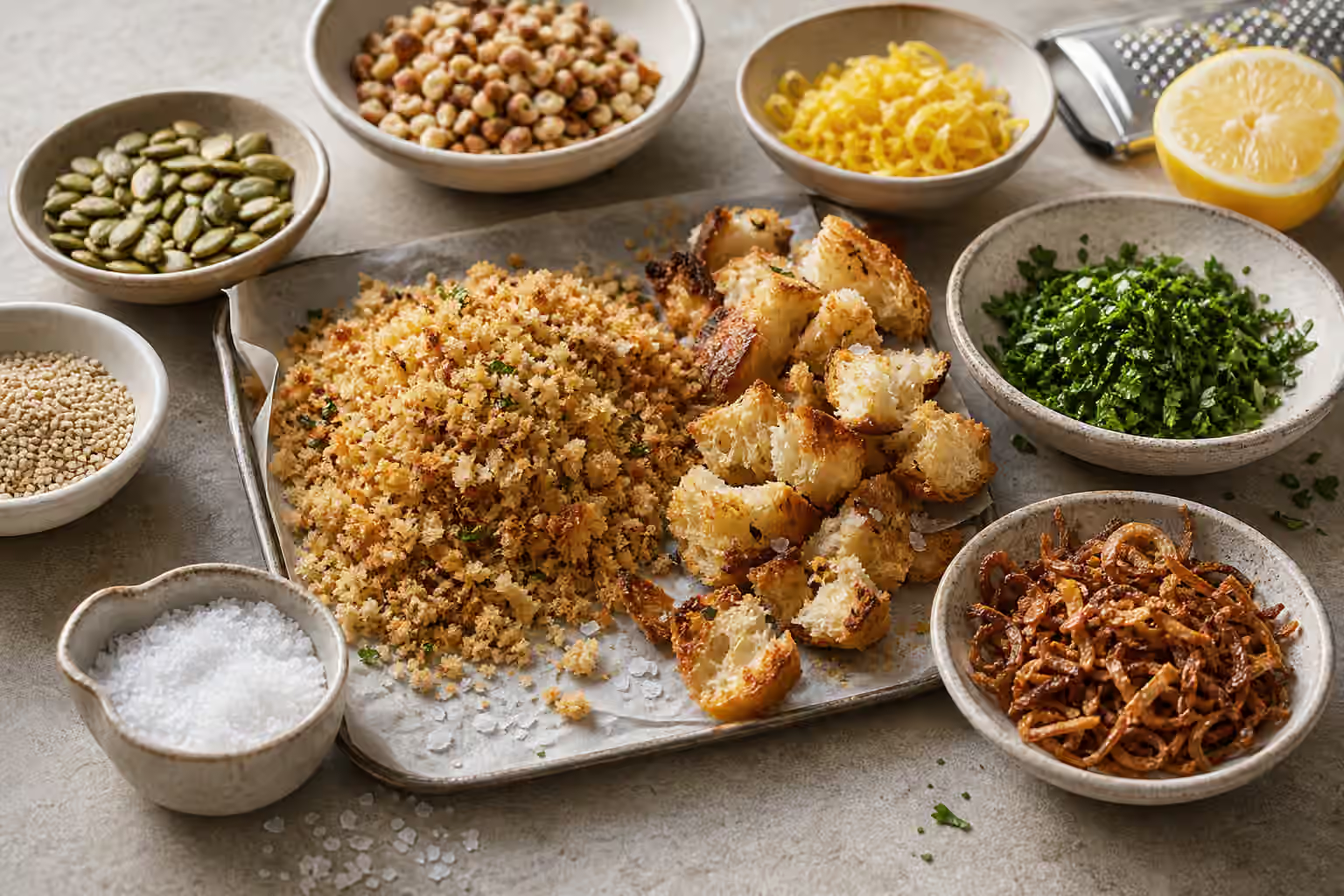
Salt falls off dry food unless something helps it cling. Hot oil, butter, rendered fat, syrup, honey, egg wash, moisture from herbs, or the rough surface of a crumb can all help. If salt is tossed onto cold dry croutons, some crystals stick and others fall to the bottom of the bowl. If it is added while the croutons are still warm and lightly oily, it lands more evenly.
The same is true for toasted breadcrumbs. Salt added to dry crumbs after toasting can remain patchy unless the crumbs have enough oil or butter to catch it. Salt added before toasting can distribute well, but it may concentrate as moisture leaves and the crumbs become darker. The answer is not one universal moment. It is paying attention to the topping’s surface.
Fine salt is often the most useful for crunchy toppings because it spreads widely and does not create hard, surprising crystals. Flaky salt can be beautiful on larger pieces, such as torn croutons or fried leaves, but it can become too dramatic on fine crumbs. Coarse salt is risky unless crushed because one grain can dominate a delicate bite.
Measuring Salt matters here because toppings are usually made in small quantities. The difference between a small pinch and a generous pinch is easy to taste when the entire batch is only a handful of crumbs.
Toasting Changes the Flavor Before Salt Arrives
Toasting adds bitterness, sweetness, nutty flavor, and aroma. A pale breadcrumb needs more help than a deeply toasted one. A raw almond and a roasted almond do not ask for salt in the same way. Sesame seeds taste quiet until they warm, then suddenly become fragrant. Fried shallots or garlic can seem sweet at first and bitter if pushed too far. Salt interacts with all of that.
If a topping tastes bland, do not reach for salt before asking whether it is toasted enough. Pale crumbs may need more time in the pan. Nuts may need heat to bring out flavor. Seeds may need a brief toast until they smell alive. Salt makes flavor clearer, but it does not create the roasted flavor that a topping is supposed to contribute.
There is also a point where more browning makes salt feel sharper. Dark breadcrumbs and fried garlic carry bitterness. Salt can focus that bitterness pleasantly, but it can also make it harsh. If the topping tastes dark and aggressive, acid, herbs, lemon zest, or a fresher batch may be better than another pinch.
This is why crunchy toppings fit naturally with Salt for Bitter Foods . Browning is attractive partly because it adds bitter edges. Salt can make those edges taste intentional, but only while the topping still tastes like food rather than scorch.
The Food Underneath Sets the Limit
A crunchy topping should season the bite it joins. Plain foods can accept a more seasoned topping. A bowl of white beans, soft polenta, pureed squash, steamed greens, simple pasta, yogurt, or unsalted roasted vegetables may need the topping to carry salt, fat, and aroma. In that case, the topping can taste lively by itself.
Salty foods need restraint. Breadcrumbs on anchovy pasta, croutons in a Caesar-style salad, nuts on blue cheese, fried shallots over soy-seasoned rice, or sesame on miso-glazed vegetables are joining a dish that already contains salt. A salty topping here adds noise rather than focus. The topping can still bring crunch, toast, herbs, chile, or lemon zest, but it should not double the salinity.
Moisture changes the timing. A topping on soup, stew, yogurt, or saucy beans will soften as it sits. A little finishing salt can dissolve into the wet surface and become part of the dish. A topping on a dry roasted vegetable or salad may keep its separate identity longer. If the texture matters, add the topping late and taste the assembled bite before deciding whether the topping itself or the base needs correction.
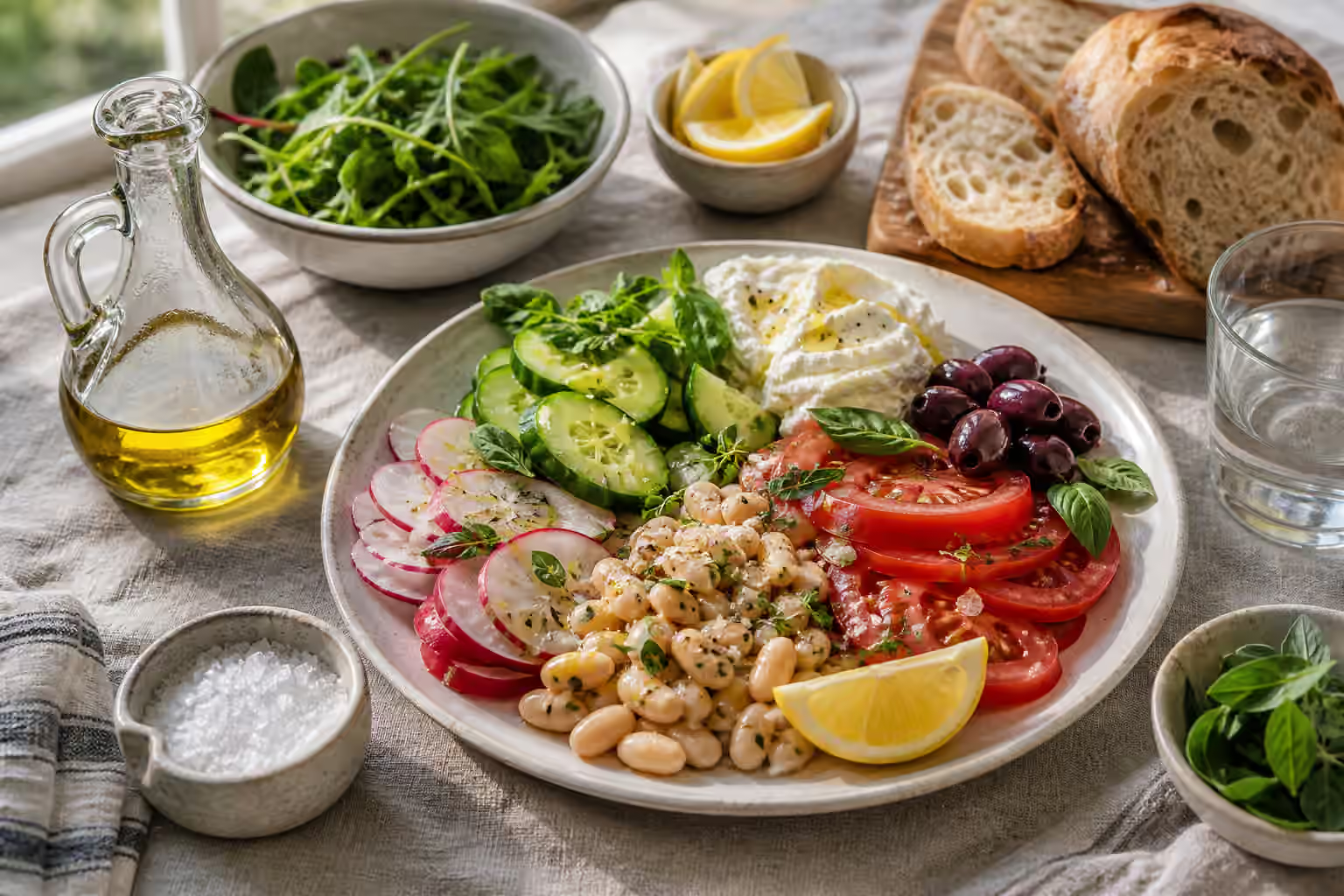
Salt in Grain Bowls and Composed Plates uses the same logic across layers. Every layer cannot be asked to carry full seasoning. A topping is powerful because it is the first thing the tongue meets.
Fat Carries Flavor and Can Hide Salt
Many crunchy toppings are built with fat: olive oil breadcrumbs, buttered crumbs, fried shallots, spiced nuts, seeds toasted in oil, croutons, crisp chickpeas, or fried herbs. Fat helps salt cling and makes the topping feel generous. It can also blur the salt until the topping cools.
Taste a warm topping, then taste again after a few minutes. Hot fat and steam can make a topping seem less salty than it will be at serving temperature. This is especially true for fried shallots, fried garlic, and croutons. The first taste is aromatic and exciting. The second taste may reveal that the salt is stronger than expected.
If the topping seems rich but dull, salt is not always the missing ingredient. Lemon zest, vinegar powder, fresh herbs, pepper, chile, toasted spice, or a little grated hard cheese may create more definition. Some of those additions bring salt too. Cheese, capers, anchovies, olives, and salted nuts should be treated as part of the salt plan, not decoration after the plan is done.
Herbs, Zest, and Spice Need a Lighter Hand
Crunchy toppings often carry more than crunch. Parsley breadcrumbs, lemony almond crumbs, chile sesame, garlic croutons, za’atar-like seed mixtures, and fried herb crumbs all bring aroma. Salt should support that aroma, not flatten it into one loud flavor.
Fresh herbs are especially sensitive. If they are folded into hot salted crumbs, they can darken and lose some lift. Adding them when the crumbs cool keeps the flavor greener. Lemon zest can make a topping taste brighter, which may reduce the need for salt. Chile can make a topping seem more seasoned than it is, then reveal salt later when the heat builds.
For fried shallots and garlic, salt after draining while the pieces are still slightly warm and oily, then stop. These toppings shrink dramatically and can become intense. They are usually eaten in small amounts, but those small amounts hit the palate directly. A restrained fried topping can make a dish feel finished. An over-salted one makes every bite taste like the garnish.
Crunch Should Not Become the Whole Dish
The best crunchy topping leaves the food underneath more itself. It makes soup less soft, beans less plain, pasta more aromatic, salad more grounded, and roasted vegetables more lively. It should not force every bite through the same salty crust.
Taste the topping alone to catch obvious problems, but judge it with the food. If the base is underseasoned, fix the base when you can. Do not make the crumbs carry all the salt unless that is the intended structure. If the base is already salty, let the topping bring texture, toast, herbs, acid, or warmth instead.
Finishing salt is useful only when the crystals will remain distinct and the topping is large enough to carry them. Fine crumbs usually need fine salt. Croutons, fried herbs, or larger nuts can take a few flakes. A topping is a small thing, but it has a large voice. Salt it as if the whole plate will hear it, because it will.