Casseroles and savory baked dishes are easy to underseason because they look unified before they truly are. A baking dish of potatoes, greens, rice, pasta, bread, vegetables, sauce, cheese, and crumbs seems like one food once it is assembled. In the oven, the top browns and the edges bubble, and the pan suggests that everything has merged.
Then a spoon reaches the middle and the truth appears. The top is salty from cheese or crumbs. The sauce tastes good. The potatoes are quiet. The bread tastes plain. A vegetable layer releases water and thins the seasoning. The center is warm and comforting, but not complete.
The way to fix this is not a heroic final shower of salt. Casseroles need seasoning before assembly, during assembly, and sometimes at the table. The salt has to reach the dense parts before they are buried. It also has to account for evaporation, salty ingredients, and the way starch dulls flavor. This guide belongs beside Salt in Baking and Sweets for oven logic and Salting Sauces and Dressings for the sauce side of the pan.
Layers Need Their Own Baseline
A layered dish cannot rely on one salty component to season everything else. Cheese on top does not fully season potatoes underneath. A salty sauce does not always reach the center of bread cubes. A seasoned filling may not correct plain rice or pasta. Once the dish is assembled, salt moves only as far as moisture lets it move.
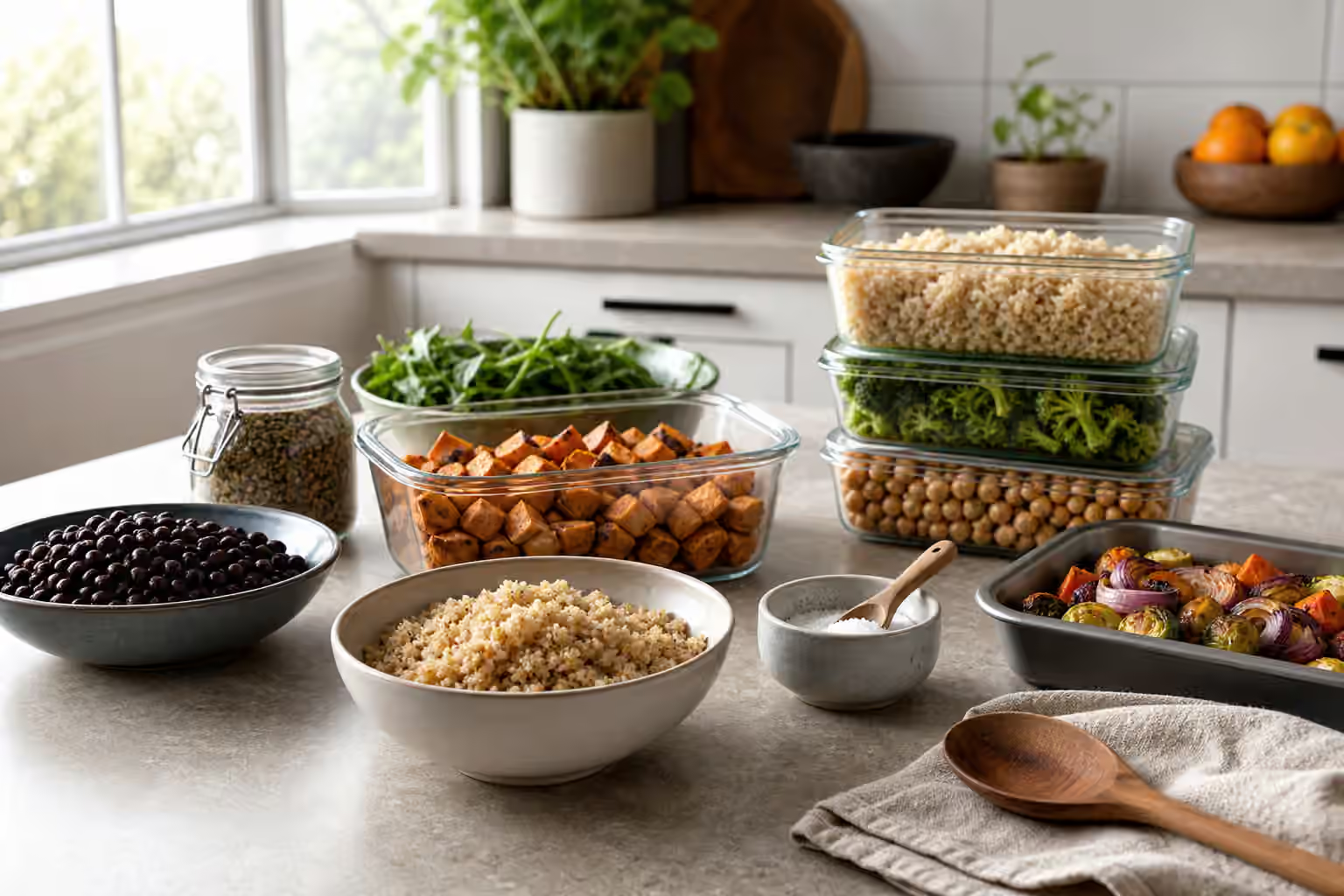
This is why good baked dishes often start with separately seasoned parts. Potatoes are salted before they become a gratin. Greens are salted while they wilt, then tasted after excess moisture is squeezed or cooked away. Pasta or rice is cooked in seasoned liquid before it enters the dish. Meat, beans, tofu, or mushrooms are seasoned before sauce surrounds them. Each layer should taste like food before it becomes architecture.
That does not mean every layer should taste finished at full strength. Some layers will meet salty cheese, broth, ham, olives, capers, miso, sausage, anchovies, commercial stock, or seasoned breadcrumbs. The point is not to maximize salt. The point is to keep any single layer from being blank.
Starch Dulls the Whole Pan
Potatoes, pasta, rice, bread, beans, and flour-thickened sauces can make a casserole taste softer than its separate parts. Starch absorbs moisture and salinity, then gives the finished dish a comforting body. That comfort can become blandness if the starch was not seasoned early enough.
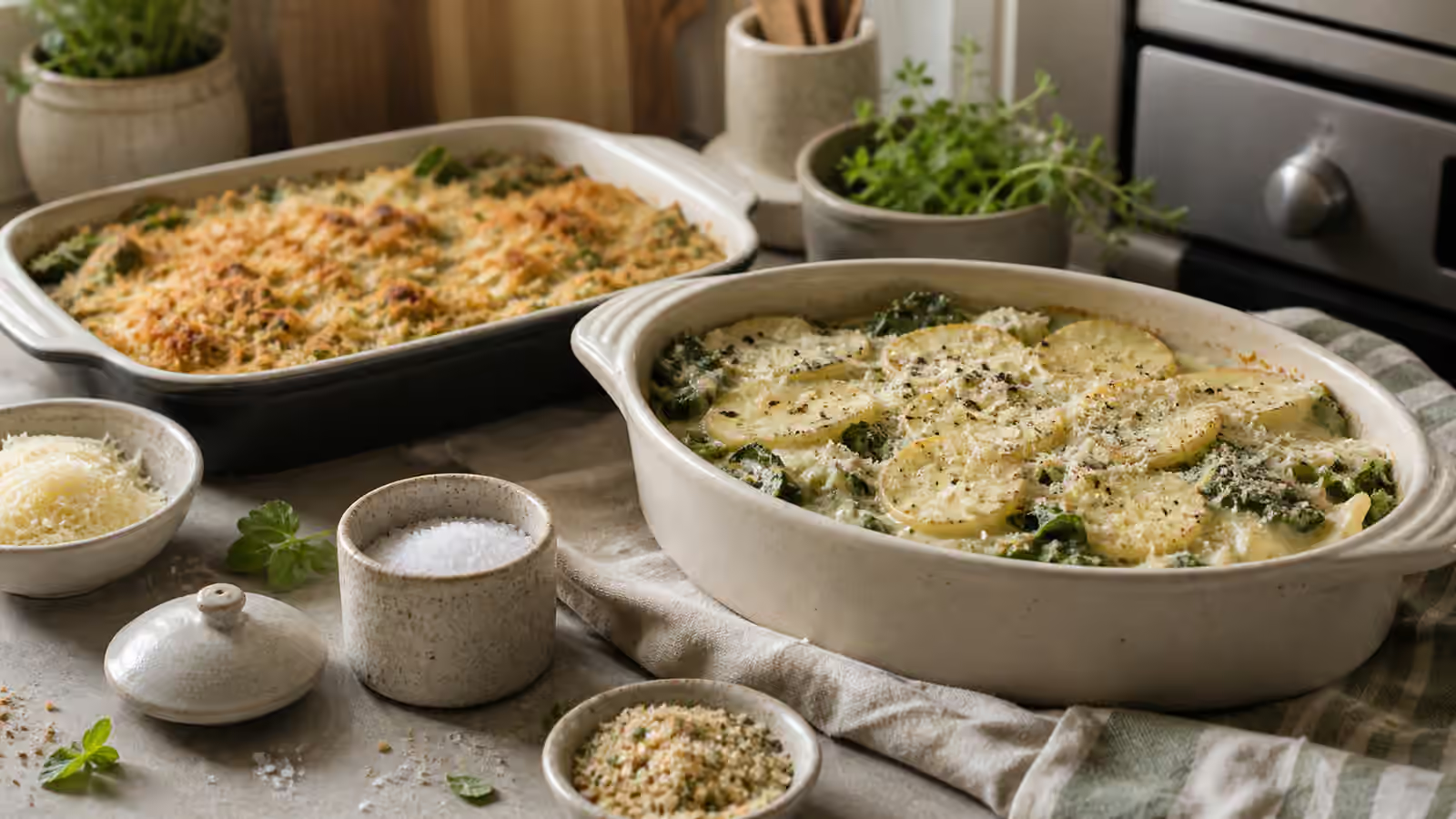
Potato gratin shows the problem clearly. If the cream or milk is seasoned but the potatoes are not given enough contact, the top and edges may taste good while the center remains muted. Thin slices help because they expose more surface. A seasoned dairy mixture helps because salt can dissolve and move. But the dish still needs enough time and enough liquid for the seasoning to reach the potatoes.
Bread puddings, stuffings, and strata have a related issue. Dry bread absorbs custard, broth, butter, and pan juices. If that liquid is underseasoned, the bread becomes soft and plain. If the liquid is too salty, the entire dish can cross the line quickly because the bread holds it. Taste the soaking liquid with the salty ingredients included. If sausage, cheese, olives, or salted broth are present, adjust after they are accounted for.
Pasta Water and Salted Cooking Liquids applies here even when the pasta is later baked. Pasta cooked in underseasoned water cannot be fully saved by sauce once it is trapped in a casserole. The sauce may be delicious, but the noodle will still feel separate.
Watery Ingredients Change the Salt
Vegetables bring water into baked dishes. Zucchini, mushrooms, spinach, tomatoes, onions, eggplant, cabbage, and many greens can release enough liquid to dilute seasoning or make a pan taste uneven. Salt can help manage that water before assembly, but timing matters.
Salted zucchini can shed moisture before it enters a bake. Mushrooms can be cooked and salted until their water evaporates and their flavor concentrates. Greens can be wilted, seasoned, squeezed, and tasted. Tomatoes can release juices that become part of the sauce rather than a surprise under the crust. Salting Vegetables covers the water lesson broadly; casseroles make the cost of ignoring it obvious.
If watery vegetables are added raw, the seasoning has to account for the liquid they will release in the oven. A dish may taste properly salted before baking and then emerge softer because vegetable water diluted the sauce. The reverse can also happen. A shallow bake may lose water and concentrate salt. The cook has to know whether the pan is likely to trap moisture under a cover or reduce in an open oven.
Cheese and Crumbs Can Mislead
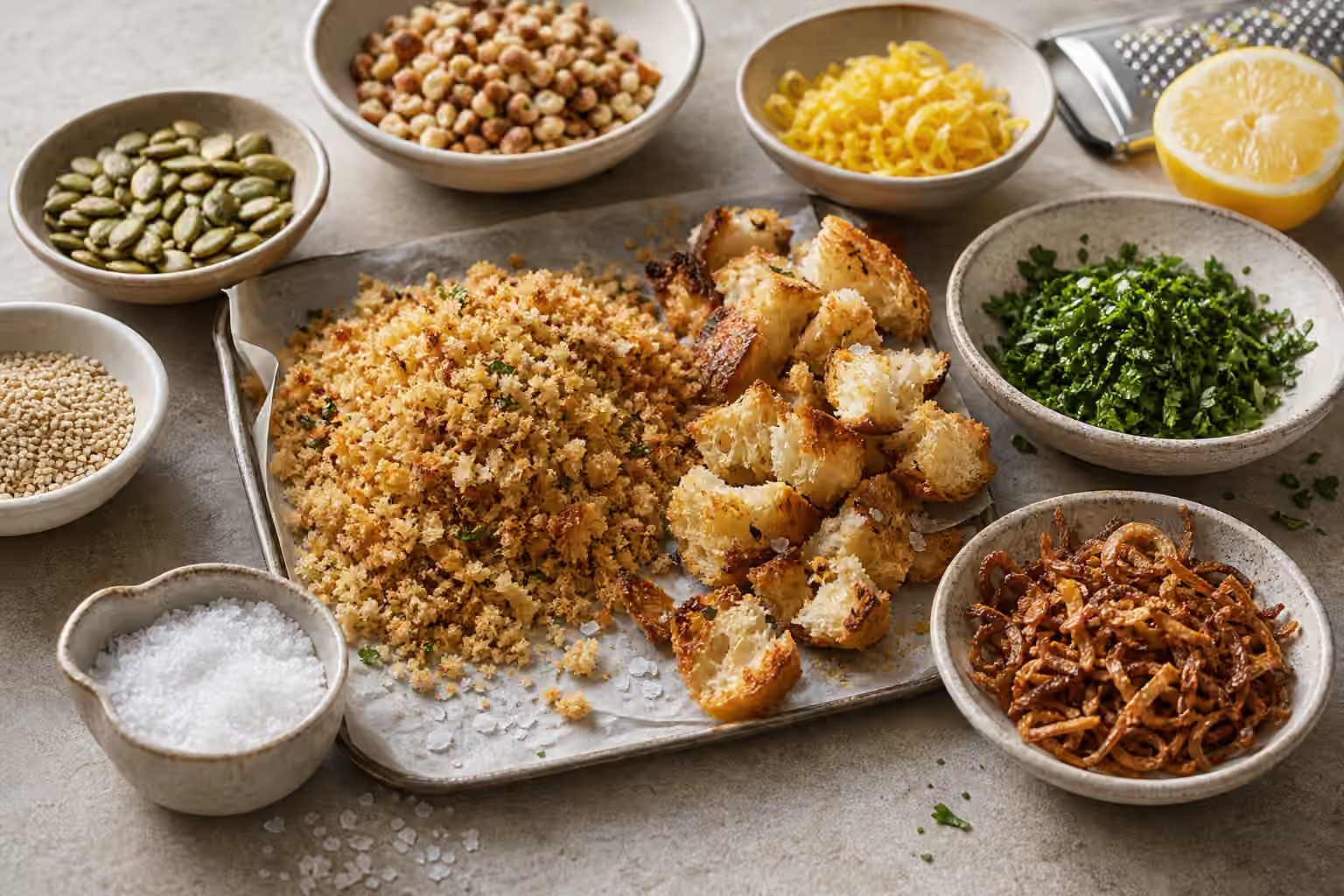
The browned top of a casserole is often the saltiest part. Cheese, buttered crumbs, crackers, chips, cured meat, and salted nuts all create a powerful first bite. That can be wonderful, but it can also hide a bland middle. A spoonful that captures crust and center may taste balanced, while a center-only bite feels dull.
This is why tasting the components before baking matters more than admiring the topping. Cheese should be treated as a salty ingredient in the plan, not as a decoration added after the plan is finished. Aged cheese can bring a lot of salt. Fresh cheese may bring moisture and mildness. Breadcrumbs made from salted bread or tossed with salted butter already carry seasoning. Cracker crumbs can be even saltier.
The topping should complete the pan, not compensate for it. If the filling is bland, fix the filling. If the sauce is flat, season the sauce. If the top needs texture, use salt there sparingly and let the crunch do its work.
Sauces Need to Be Tasted With the Filling
A bechamel, tomato sauce, cream mixture, custard, broth, or cheese sauce can taste balanced alone and still fail in a casserole. The filling may dilute it. Starch may absorb it. Cheese may intensify it. The oven may reduce it. A sauce is only finished when you know what it will have to season.
Taste the sauce with a piece of the main ingredient if possible. Dip a potato slice in the cream. Taste pasta with tomato sauce before baking. Spoon custard over a bread cube. Mix a little rice with the sauce. This is the same habit recommended in Salting Sauces and Dressings : judge the actual bite, not the spoonful in isolation.
If the sauce will reduce, leave room. If the dish will be covered tightly and trap moisture, the sauce may need more clarity at the start. If the pan includes salty add-ins, hold back until those add-ins are stirred through. A baked dish is slow enough that guessing feels tempting, but tasting the combination is faster than repairing a bland center after the oven.
Resting Changes the Final Taste
Casseroles often need a rest after baking so the sauce settles and the structure firms. During that rest, salt perception changes. Very hot food can hide both salt and aroma. A pan that seems flat immediately from the oven may taste more coherent after ten minutes. A pan that seems nicely seasoned while bubbling hot may taste saltier once it cools enough to eat.
This is especially true for cheese-heavy, cream-heavy, and starch-heavy dishes. Fat and heat soften the edges. As the dish cools, salinity becomes clearer. Resist the urge to correct too aggressively at the oven door. Taste once the dish is warm enough to eat normally.
Leftovers can change again. Moisture redistributes. Starch continues absorbing. Edges dry. Cheese firms. Salt for Leftovers and Reheating becomes relevant the next day because the same casserole may need a splash of liquid, acid, fresh herbs, or a tiny finishing pinch rather than more salt stirred into a dry pan.
Finishing Salt Has a Narrow Role
Finishing salt can be useful on a baked savory dish when the surface needs a little sparkle. A few flakes on a vegetable gratin, a tomato bake, baked eggs, or a savory bread pudding can make the first bite lively. But it should be used cautiously because the top may already contain cheese, crumbs, or browned salty bits.
If the casserole is bland inside, finishing salt will make the top louder and the center more disappointing. Better to learn from the pan. Next time, season the starch earlier, taste the sauce with the filling, manage watery vegetables, and respect salty ingredients before assembly.
A good baked dish tastes connected from crust to center. The top has texture. The sauce has focus. The dense ingredients are not silent. The salty ingredients support rather than dominate. Salt did not simply land on the pan at the end. It moved through the dish before the oven made everything look like one thing.