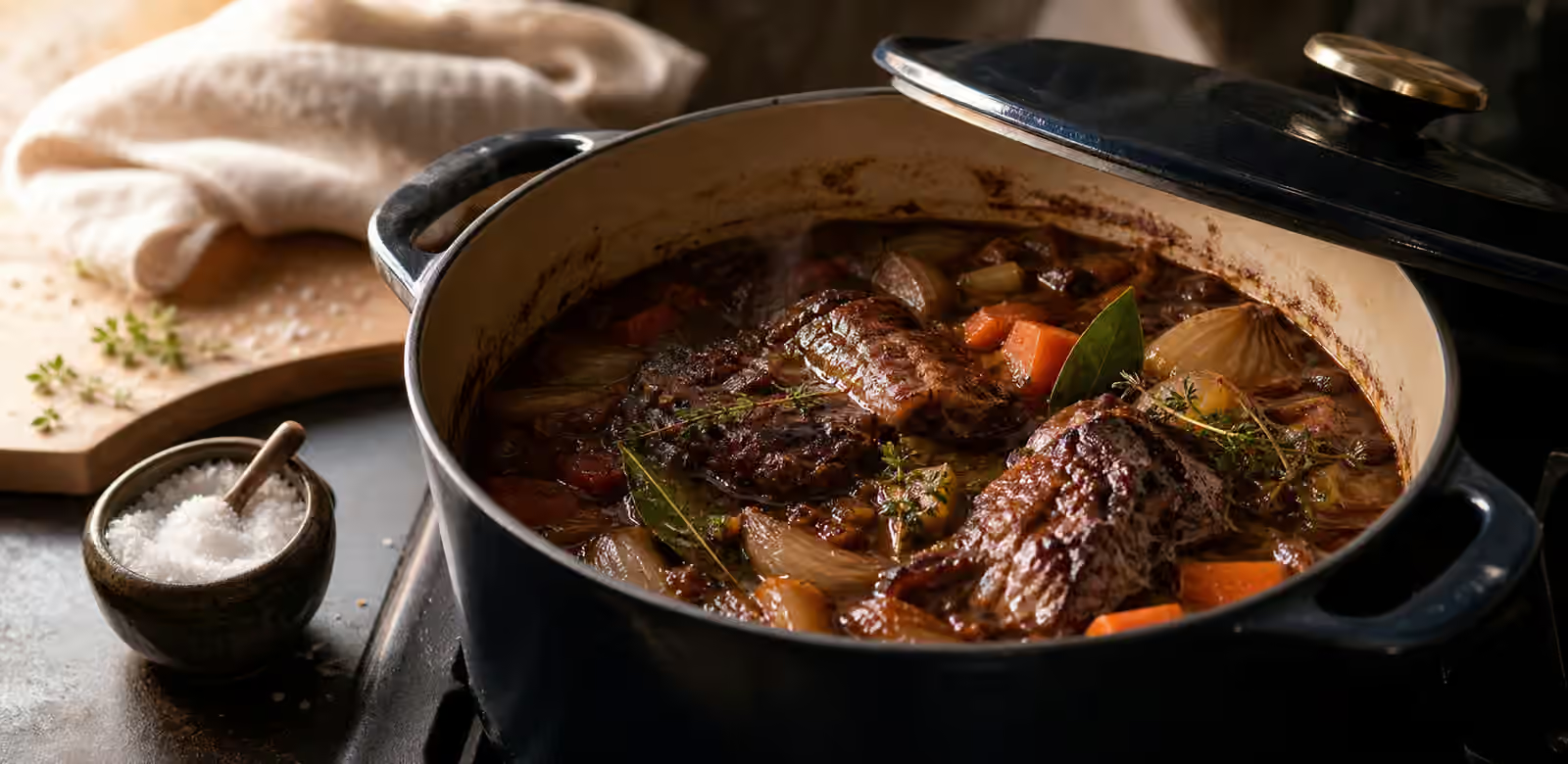
Braising asks salt to behave patiently. The food may cook for hours. Liquid may reduce. Meat may release juices. Vegetables may collapse. Beans may soften. Aromatics may disappear into the sauce. A handful of salty ingredients may join at different moments. What tasted correct in the first half hour can become too strong near the end, while meat that seemed well seasoned on the surface can still taste quiet in the center.
This makes braising different from quick cooking. A stir-fry lets the cook adjust almost immediately. A braise hides the result until time, heat, and reduction have done their work. Salting Soups, Stews, and Broths covers layered liquid seasoning broadly. Braises focus the question around concentrated sauces, large pieces of food, and the long delay between the first pinch and the final bite.
Salt the Main Ingredient Before It Meets the Pot
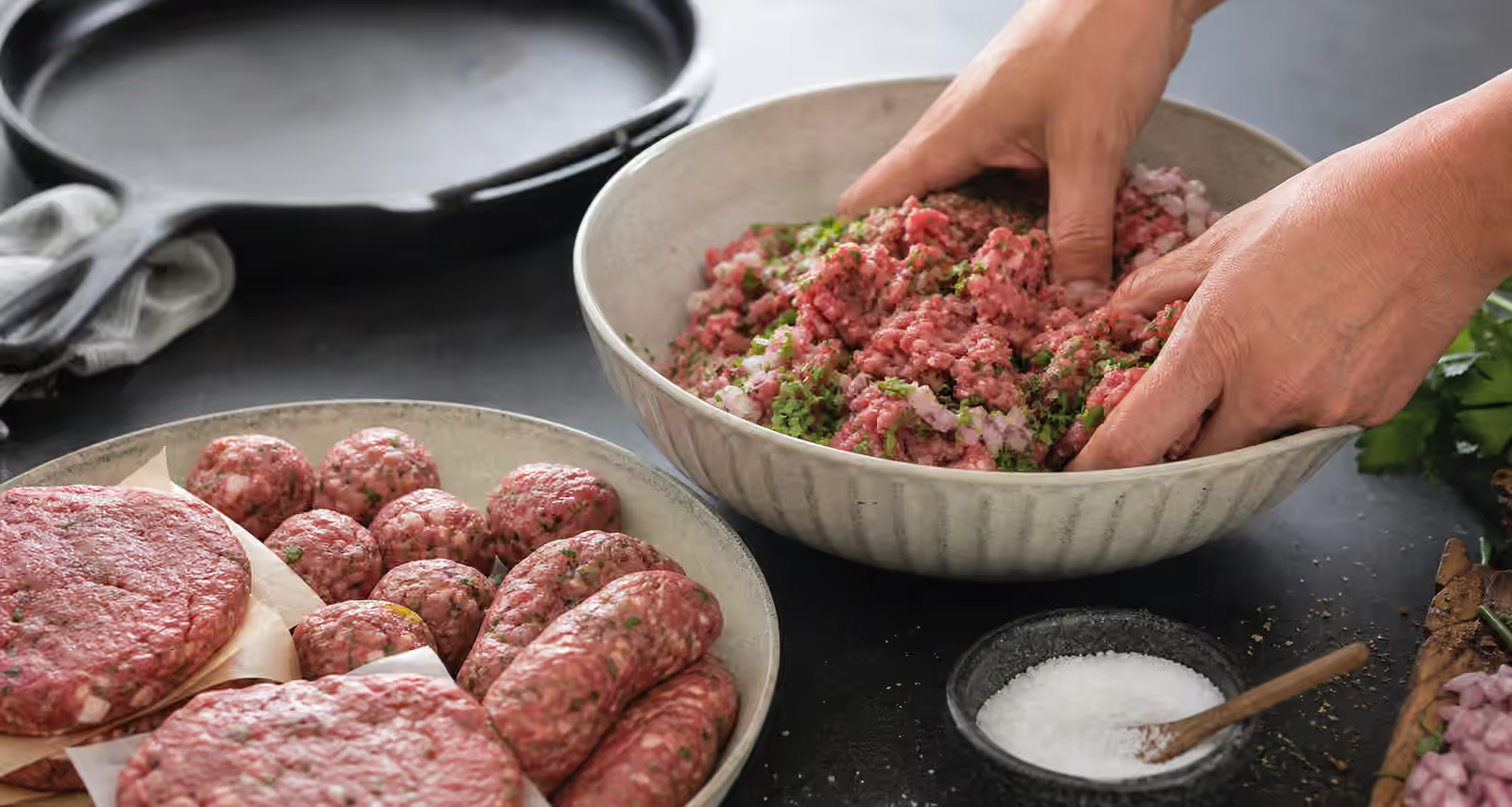
Large pieces of meat, poultry, tofu, or vegetables usually benefit from salt before browning. The salt seasons the exterior, begins drawing a little moisture to the surface, and gives the ingredient a chance to taste like itself rather than like something that merely sat in a seasoned sauce. This is especially useful for short ribs, chuck, lamb shoulder, chicken thighs, pork shoulder, cabbage wedges, eggplant, mushrooms, and firm tofu.
The timing can be modest. Even a short rest after salting helps the surface become more evenly seasoned before browning. Longer dry salting can be useful for meat, but the cook has to remember that the braising liquid will receive salty ingredients too. Early salt should establish a foundation, not finish the whole dish.
Browning also changes perception. A browned surface tastes deeper and needs less rescue from the sauce. If the main ingredient goes into the pot pale and under-seasoned, the sauce may have to work too hard later. The result can be a salty liquid wrapped around bland pieces. Salting the main ingredient first prevents that split.
The Liquid Should Begin Under Its Final Salt Level
Braising liquid rarely stays exactly as it began. Wine reduces. Stock concentrates. Tomato thickens. Coconut milk, beer, cider, or water may evaporate. Gelatin and starch can make the sauce cling more intensely. If the liquid tastes perfectly salted before reduction, it may taste heavy after reduction.
Start a little below the final target, especially when the cooking time is long or the pot will simmer uncovered. The liquid should not taste flat, but it should leave room for concentration. If the braise will finish with olives, capers, miso, soy sauce, anchovies, cheese, cured meat, salted broth, or reduced pan juices, leave even more room. Salty Pantry Ingredients is useful because braises often borrow depth from exactly those ingredients.
This restraint does not mean waiting until the end to salt everything. Unsalted liquid can leave vegetables and meat tasting dull, and late salt may sit on top of a finished sauce. The better pattern is a modest early seasoning, a middle check when the ingredients have begun sharing flavor, and a final adjustment after reduction is clear.
Reduction Makes Salt Louder
Reduction is one of the main reasons slow-cooked dishes overshoot. The cook tastes the sauce, thinks it needs help, adds salt, then lets another half hour of evaporation make that salt stronger. The problem becomes worse when the pot is wide, the lid is off, or the heat is high enough to keep the surface moving.
The practical response is to taste the sauce at the same thickness you plan to serve it. If the sauce is still watery, it may not be ready for final seasoning. If the meat is tender but the liquid is thin, remove the solids and reduce the liquid separately before the last salt adjustment. This protects the meat from overcooking and lets you season the actual sauce, not a temporary version of it.
If the sauce has already become too salty, dilution is the honest repair. More unsalted liquid, more unsalted vegetables, more beans, more potatoes, or a larger serving context can help. Acid, fat, and sweetness may balance perception, but they do not remove salt. Fixing Over-Salted Food is worth reading before a crisis because braises are exactly the kind of dish where small early choices become large late consequences.
Beans and Vegetables Need Time With Seasoned Liquid
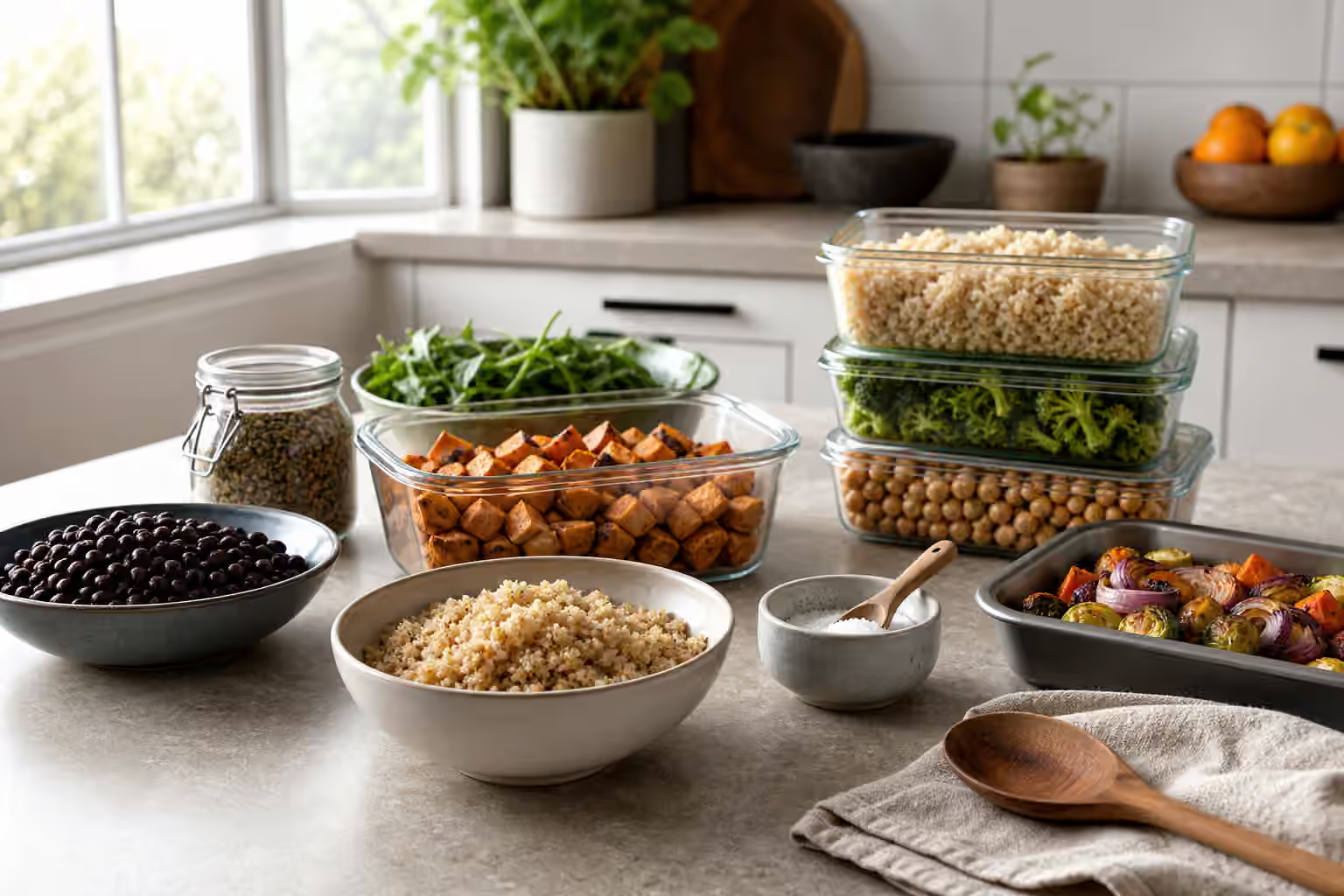
Slow cooking is not only meat. Beans, lentils, cabbage, greens, squash, mushrooms, onions, carrots, and potatoes can all be braised. These ingredients need salt in the liquid early enough to taste seasoned inside, but they also respond to reduction and salty additions.
Beans and lentils especially show why timing matters. If they cook in completely unsalted liquid, they can taste plain even when the finished broth is salty. If the broth is aggressively salted early and then reduces, the pot can become harsh. Salting Beans, Lentils, and Grains explains the staple-food side of this problem. The braising version is to keep the liquid gently seasoned while the ingredients soften, then finish after the texture is right.
Vegetables release their own sweetness and water. Cabbage, onions, carrots, fennel, and squash may make a braise taste rounder as they collapse. Salt helps that sweetness read as savory, but the final dish may need acid more than another pinch. Vinegar, citrus, tomato, wine, or a small amount of pickled condiment can lift a long-cooked vegetable braise without making it taste saltier.
Salty Ingredients Should Arrive With a Plan
Cured meat, sausage, ham, bacon, pancetta, anchovies, olives, capers, preserved lemon, miso, soy sauce, salted stock, hard cheese rinds, and commercial broths all change slowly in a braise. Some release salt right away. Others contribute gradually as they soften or dissolve. Their timing matters because they can make the pot seem fine early and too salty later.
Add strong salty ingredients early when they need time to flavor the whole pot, but reduce the plain salt accordingly. Add them late when their texture or bright edges should remain distinct. Olives added at the beginning become part of the sauce. Olives added near the end remain olives. Both can be right, but they do different seasoning work.
Taste after these ingredients have had time to speak. A spoonful of sauce immediately after adding miso, olives, or cured meat may not represent the final pot. Waiting a few minutes can prevent a second unnecessary pinch. Slow cooking rewards pauses because flavor is still moving even when the cook is impatient.
Finishing a Braise Is a Separate Stage
The end of a braise is not only about tenderness. It is about sauce thickness, salt, acid, fat, and the serving context. A sauce that tastes a little strong on its own may be perfect over rice, polenta, bread, potatoes, or noodles. A sauce that tastes perfect on a spoon may disappear beside an unsalted starch. Salt in Rice, Risotto, and Pilaf and Pasta Water and Salted Cooking Liquids are useful companions because braises rarely arrive alone.
Before adding final salt, taste the main ingredient, the sauce, and the food that will carry the sauce. If the meat tastes seasoned but the sauce tastes dull, reduce or brighten the sauce. If the sauce tastes salty but the meat tastes plain, slicing, shredding, or resting the meat in the sauce may help more than extra salt. If the whole dish tastes heavy, acid may finish it better than salinity.
A good braise tastes as if time made it coherent. Salt should be present from the beginning, but not finished too soon. It should season the main ingredient, move through the liquid, survive reduction, respect salty additions, and wait for the final serving context. That patience is the craft. The pot is slow, and the seasoning has to be slow enough to match it.