
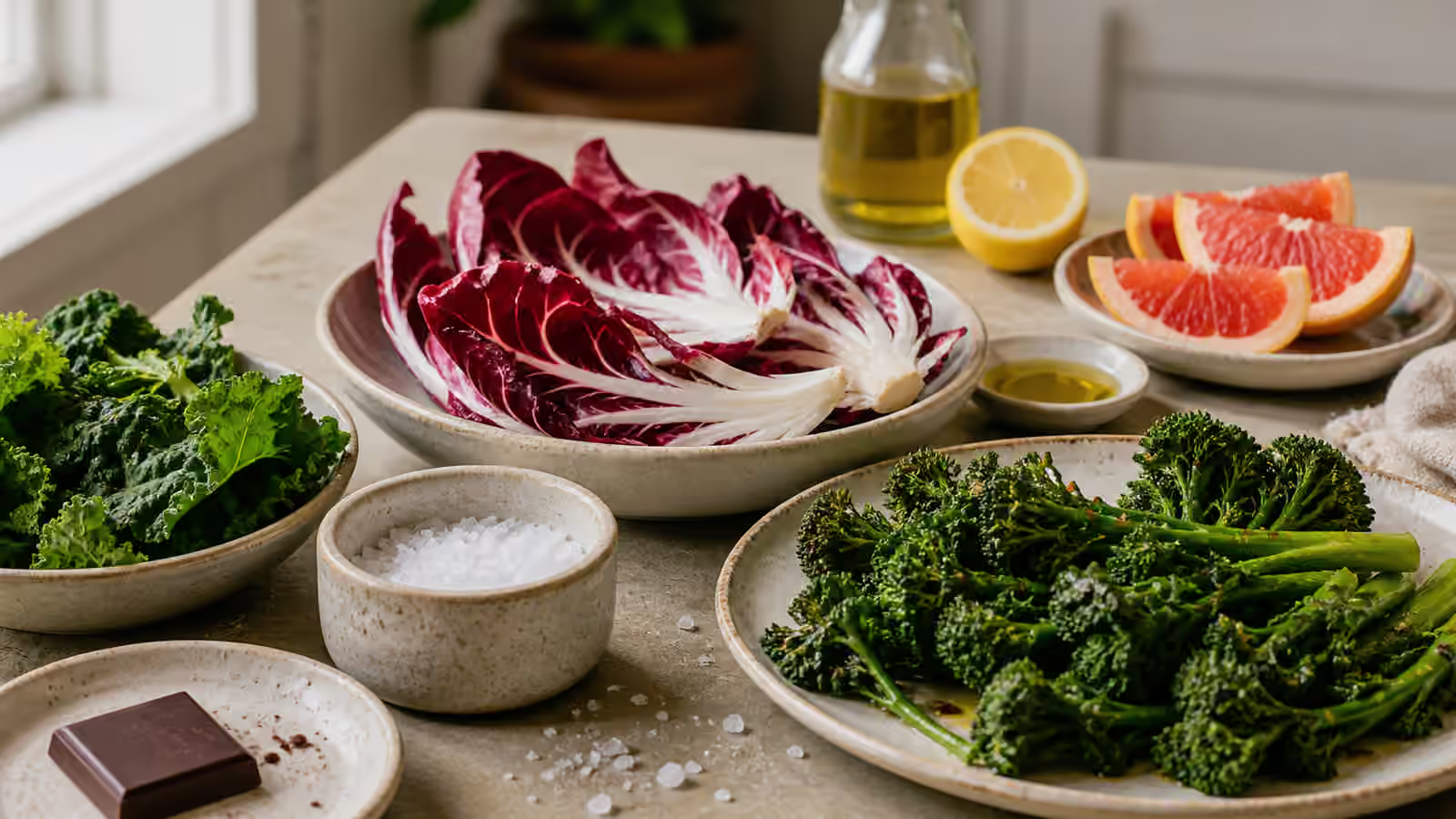
Bitter foods make salt’s quiet side easier to notice. A pinch can make radicchio taste less severe, broccoli rabe more savory, grapefruit more rounded, dark chocolate deeper, and coffee less sharp. The salt does not erase bitterness, and it should not try. It gives bitterness a frame so the food tastes intentional instead of punishing.
This matters because bitter ingredients are often treated as problems to hide. People bury greens under sugar, drown grapefruit in sweetener, or push dark chocolate into a dessert so rich that the bitterness disappears. Sometimes sweetness is right. Often the better answer is balance: salt, acid, fat, heat, and texture working together.
Salt, Acid, and Fat is the broader map for this kind of tasting. Bitter foods add another voice to the conversation. Salt can sharpen sweetness, soften harshness, and make savory flavors easier to perceive, but only when used with restraint. Too much salt does not make bitterness elegant. It makes bitterness salty.
Salt Does Not Delete Bitterness
It is tempting to describe salt as if it cancels bitterness. In real cooking, the effect is subtler. Salt can reduce the perception of some bitter edges and make other flavors more prominent. It can help sweetness seem clearer, make aromas feel more connected, and give the tongue something savory to hold onto. The bitter note remains, but it stops standing alone.
This is useful because bitterness is not always a flaw. Radicchio should taste like radicchio. Broccoli rabe should keep some of its green bite. Grapefruit should not become orange. Coffee and chocolate need bitterness for depth. The goal is not to flatten them into sweetness. The goal is to make the bitterness readable.
That is why small amounts matter. A delicate pinch in a dressing for bitter greens can make the greens feel less dry on the palate. A little salt with dark chocolate can bring forward cocoa and butter. A tiny amount in coffee can soften harshness, though it should be handled carefully because coffee can become odd and saline quickly. Salt works best when the eater notices the food more than the salt.
Bitter Greens Need Fat and Acid Too
Radicchio, endive, escarole, dandelion greens, mustard greens, kale, collards, broccoli rabe, and other bitter greens rarely want salt alone. They usually need fat, acid, heat, or some combination of the three. Salt focuses the flavor, but fat softens the texture and acid brings brightness.
In a raw salad, salt in the dressing matters more than salt scattered randomly over leaves. Dissolve salt into vinegar or lemon first, then whisk in oil so the dressing carries seasoning evenly. Taste a dressed leaf, not the dressing alone. Bitter leaves can make a dressing seem less intense than it tasted from the spoon, but delicate leaves can collapse if salted too early. Salting Salads gives more detail on that timing.
Cooked bitter greens behave differently. Salt can enter the pan while the greens wilt, helping draw out moisture and season the leaves as they relax. Garlic, olive oil, chile, lemon, anchovy, beans, or toasted breadcrumbs may join the dish. If an ingredient like anchovy or cheese is present, it is part of the salt plan. Taste after the greens have cooked down because a mountain of raw leaves becomes a small, concentrated pile.
Brassicas Need Browning and Restraint
Broccoli rabe, broccolini, Brussels sprouts, cabbage, cauliflower leaves, mustard greens, and some kales can taste bitter, sulfurous, sweet, and savory depending on cooking. Salt helps, but heat management matters just as much. Steamed brassicas with no salt can taste watery and sharp. Overcooked brassicas can become dull and sulfurous even if salted. Roasted or sauteed brassicas can become sweet and savory when salt, fat, and browning are balanced.
For roasting, salt before the oven so the cut surfaces taste seasoned, but leave room for concentration. Water leaves the vegetable as it browns. A tray that seemed modestly salted at the start may taste stronger after the edges crisp. For quick sauteing, salt can help the vegetable release a little moisture, but too much too early can slow browning if the pan is crowded. This connects directly to Salting Stir-Fries and Quick Sautees .
Bitter brassicas often benefit from an ending that is not more salt. Lemon, vinegar, yogurt, tahini, toasted nuts, olive oil, or a little sweetness can make the salt feel more complete. If the vegetable tastes harsh, do not assume it needs another pinch. Ask whether it needs brightness, richness, or more heat.
Citrus and Fruit Need a Tiny Hand
Salt on grapefruit, pomelo, underripe melon, pineapple, mango, or citrus salads can make sweetness seem clearer and bitterness less isolated. It can also become too much almost immediately. Fruit has water, sugar, acid, and aroma, but it does not have the starch or fat that can absorb a heavy hand.
The best move is usually a very small pinch dissolved into the surrounding elements: lime juice, chile, olive oil, yogurt, or a dressing. Finishing with a few visible crystals can work on sturdy fruit, but the amount should be smaller than the hand expects. A single bite of grapefruit with too much coarse salt can taste medicinal rather than balanced.
Salting Fruit covers the broader sweet-savory lesson. Bitter fruit makes the lesson sharper. Salt is there to clarify, not to announce. If the fruit is already sweet and fragrant, salt should make it taste more vivid. If the fruit is aggressively bitter or underripe, salt alone will not make it ripe. It may need sugar, heat, acid adjustment, or a different use.
Chocolate and Coffee Are Easy to Overdo
Dark chocolate and coffee are places where a little salt can seem almost surprising. In chocolate, salt can bring out cocoa, butter, caramel notes, and sweetness. It also provides contrast, which is why a few flakes on a brownie or chocolate tart can feel so satisfying. In coffee, a very small amount of salt can soften bitterness or harshness in some cups, though it is not a fix for stale beans, bad extraction, or poor water.
The caution is scale. Chocolate has enough fat and sugar to carry salt pleasantly, but a heavy finishing salt can turn a dessert coarse. Coffee has very little room for error. A pinch that would disappear in soup can ruin a mug. If salt is used in coffee, it should be tiny enough to be almost invisible, and it should never replace better brewing habits.
Salt in Baking and Sweets is the better guide for desserts generally. Bitter sweets simply make the reason clearer. Salt does not make chocolate less chocolate. It lets the chocolate’s bitterness sit beside sweetness and fat instead of fighting them.
Salty Ingredients Can Do the Same Work
Not every bitter dish needs plain salt. Olives, capers, anchovies, miso, soy sauce, aged cheese, salted nuts, cured meat, salted butter, and pickles can all season bitter foods while adding their own flavor. Radicchio with anchovy dressing, bitter greens with beans and cheese, broccoli rabe with olives, or grapefruit with salted yogurt all use salinity as part of a larger structure.
This is where Salty Pantry Ingredients becomes useful. A salty ingredient is not just an add-in. It is seasoning. Once it enters the dish, the final pinch should become more cautious. The cook should taste after the salty ingredient has touched the bitter food, not before.
The advantage of salty ingredients is complexity. Anchovy brings savoriness. Cheese brings fat and depth. Miso brings fermented sweetness. Olives bring brine and fruitiness. The risk is overconfidence. Because these ingredients taste interesting, it is easy to forget that they also carry salt.
The Final Taste Should Keep an Edge
Bitter food is successful when it still has an edge, but the edge belongs. Salt helps by making the rest of the food easier to taste. The greens become savory rather than stern. The grapefruit becomes bright rather than thin. The chocolate becomes deep rather than dusty. The coffee becomes smoother without tasting seasoned.
The final question is not “Did the bitterness disappear?” It is “Does the bitterness have company?” If the answer is no, add salt only if the dish also has room for salinity. If it tastes salted but still uncomfortable, reach for acid, fat, sweetness, heat, or a different texture. Salt is one tool in the balance, not the whole repair kit.
Bitter foods reward cooks who stop trying to tame everything completely. A little salt, used with judgment, lets bitterness stay honest while becoming pleasurable. That is a more useful skill than hiding it.


