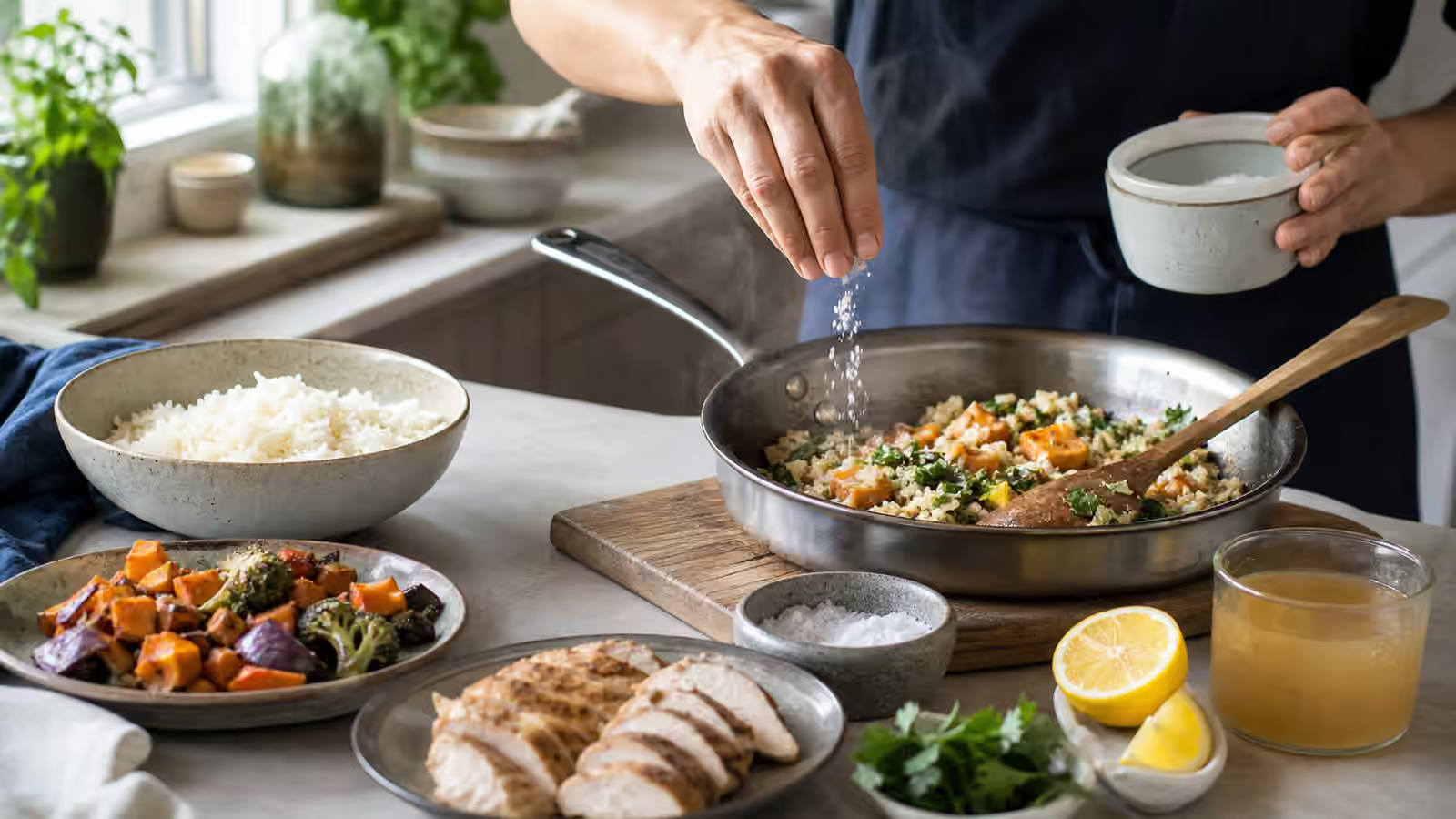
Batch cooking changes the way salt is judged. A small pot of rice is tasted once and eaten hot. A large pot may become grain bowls, soup, fried rice, packed lunches, and a side dish two days later. Roasted vegetables may taste perfect when they leave the oven and muted after chilling. Beans may seem gently seasoned in their cooking liquid and flat once drained. A sauce may concentrate in the fridge or loosen when reheated. Salt has to survive time.
This does not mean batch-cooked food should be aggressively salted at the beginning. It means the cook needs to understand which parts should be fully seasoned, which parts should stay flexible, and which parts should be corrected when the meal is assembled. Salt for Leftovers and Reheating covers the second life of food. Batch cooking starts earlier, when the food is being made with that second life already in mind.
Big Pots Need More Than Arithmetic
Scaling salt is not always as simple as multiplying a small recipe. A big pot loses water differently. The surface area may be larger or smaller. Simmering may last longer. Ingredients may sit in the liquid after cooking. A spoonful from the top may not represent the bottom. The food may be divided into containers with different amounts of sauce or broth.
The first habit is to stir and taste from the actual mixture, not from a thin layer of liquid on top. Beans at the bottom, grains near the edges, potatoes, dense vegetables, and pieces of meat can all tell a different story. A broth may taste seasoned while the beans inside are still quiet. A sauce may taste mild until it reduces by a third. A tray of vegetables may taste uneven because some pieces received more salt and oil than others before roasting.
When scaling, begin with restraint and build in stages. Salt the cooking liquid enough that staple foods do not taste abandoned, but leave room for reduction, storage, and future sauces. Measuring Salt matters here because a casual handful in a large pot can vary wildly depending on crystal size. For batch cooking, consistency is more useful than drama.
Staple Foods Should Not Be Left Plain
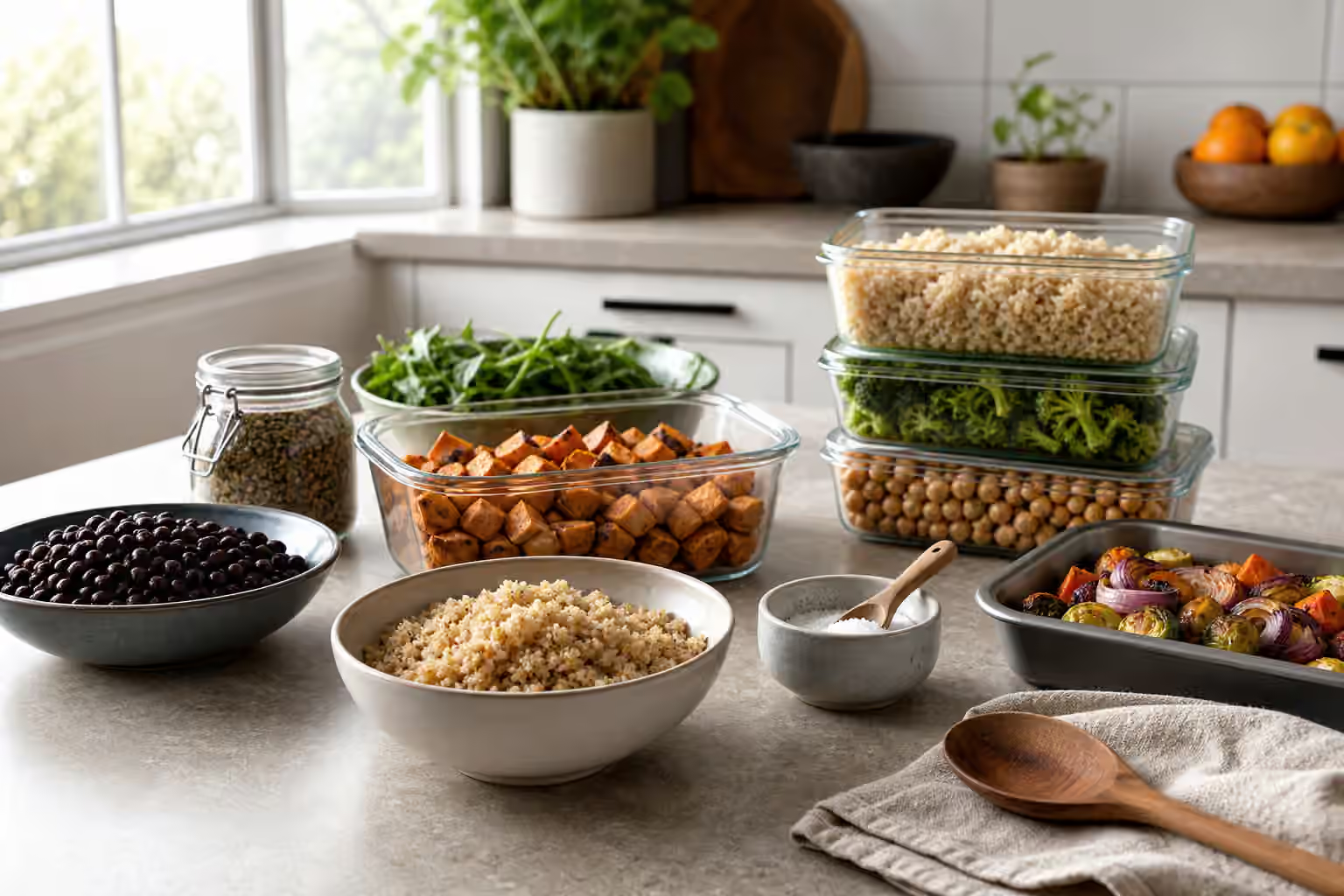
Rice, farro, barley, beans, lentils, potatoes, pasta, and other staples often form the base of batch meals. If they are cooked without enough salt, every future meal asks a sauce or topping to compensate. That compensation rarely feels as satisfying as food seasoned from within. A grain bowl with salty dressing over plain grains tastes like two separate things. Beans with salty toppings and dull interiors taste unfinished.
The staple does not need to be salty. It needs to taste like food before anything else is added. Salting Beans, Lentils, and Grains and Salt in Rice, Risotto, and Pilaf explain the specific cooking logic. The batch-cooking principle is to season the base enough that it can stand in several meals without becoming dependent on rescue ingredients.
Draining changes the salt level. Beans cooked in seasoned liquid may taste right in the pot and weaker once drained. Pasta or grains rinsed after cooking lose some surface seasoning. Potatoes boiled in salted water may need a little more salt after they are crushed, chilled, or dressed. Taste the food in the form it will be stored, not only in the cooking liquid.
Keep Flexible Components Slightly Underfinished
Some batch components should stay adaptable. A roasted vegetable tray might become a salad, a sandwich filling, a pasta addition, or a soup garnish. A shredded chicken might meet salsa one day and yogurt sauce the next. A pot of lentils might become a salad with feta or a soup with broth. If these components are finished too assertively with salt, every later meal has to work around them.
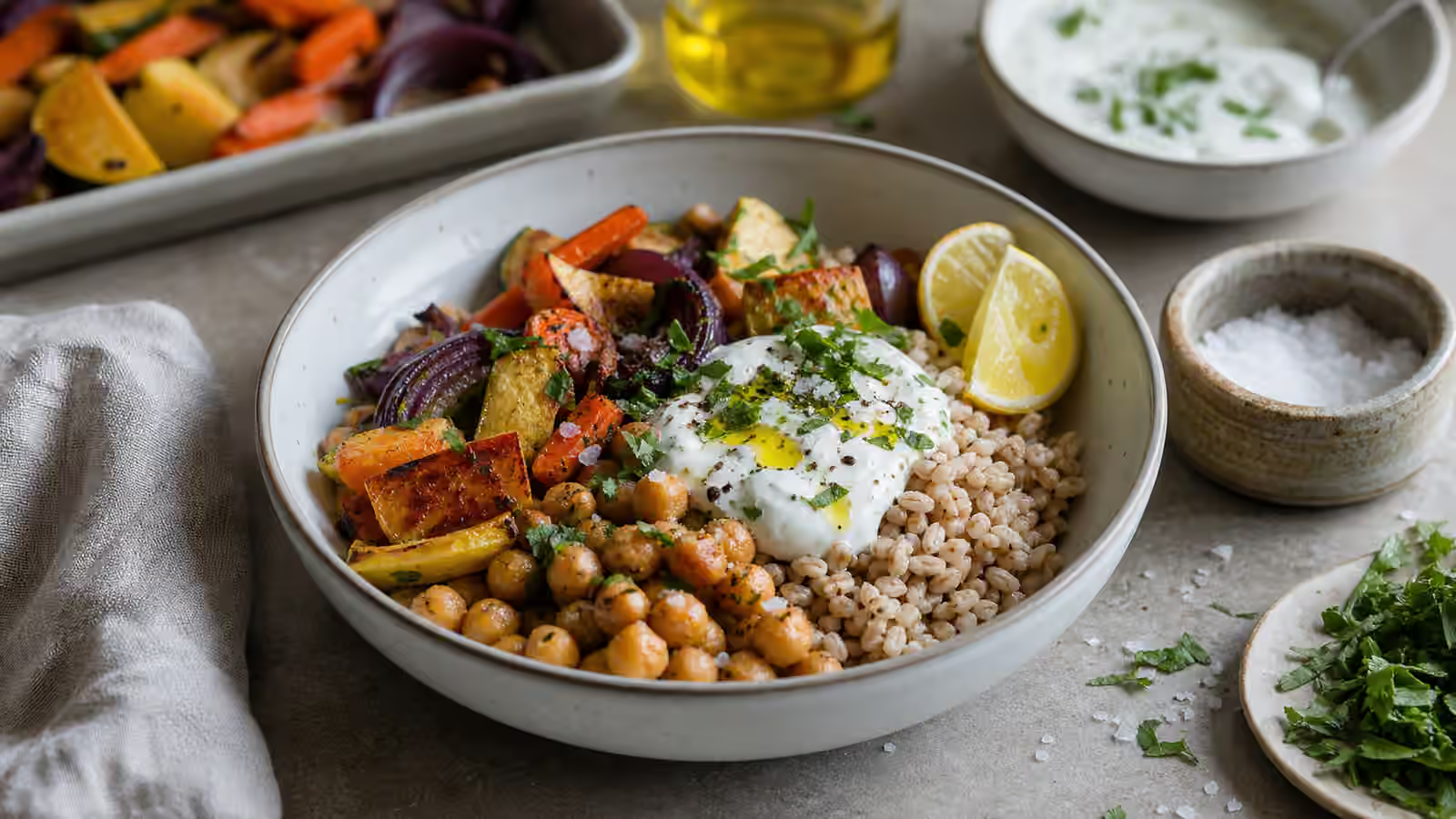
This is where a small under-seasoning can be useful, but only after the interior has been seasoned. The food should not be bland. It should stop just short of final expression. Leave the final pinch, acid, cheese, olives, dressing, or salted sauce for assembly. Salt in Grain Bowls and Composed Plates is a natural next read because composed meals depend on this kind of layered restraint.
Storage also changes texture. Salted roasted vegetables can release moisture in the fridge. Greens can soften. Proteins can absorb sauce. A dish that seemed lightly salted when hot may taste more integrated after resting, or it may taste dull because cold temperature muting makes salt less obvious. Flexibility gives the cook room to adjust later without making the stored component too intense.
Sauces and Dressings Should Be Tasted With Their Future Food
Batch cooking often relies on sauces: vinaigrettes, yogurt sauces, tahini, tomato sauce, herb oil, salsa, chutney, miso dressing, pan sauce, or broth. These can make stored food feel fresh, but they can also carry too much salt if tasted alone. A sauce meant for plain rice needs a different salt level from a sauce meant for cheese, olives, roasted sausage, or well-seasoned beans.
Taste sauces with the foods they will season. Dip a grain, a piece of chicken, a roasted carrot, or a spoonful of beans into the sauce before deciding. Salting Sauces and Dressings makes this point repeatedly because sauce is always relational. Batch cooking makes the relationship more important because the sauce may be used across several days.
If a sauce is intentionally assertive, label its role in your own mind. It is not an all-purpose sauce; it is the salty, bright element. That means the base foods should be gentler. If the base foods are already fully seasoned, make the sauce brighter with acid, herbs, or fat rather than salt.
Cooling and Reheating Shift Perception
Food tastes different after cooling. Cold dulls aroma and can make salt seem quieter. Starch absorbs liquid. Beans thicken. Soups settle. Roasted vegetables lose their crisp edge. A reheated dish may need water, fat, acid, or fresh herbs before it needs more salt. Adding salt first can make the food taste harsher once moisture is restored.
When reheating batch-cooked food, start by returning the texture. Add a splash of water or broth to grains, beans, or saucy dishes. Warm gently enough that moisture can move back through the food. Add fat if the dish tastes dry. Add acid if it tastes heavy. Then taste for salt. This order prevents the common mistake of salting dry food that would have tasted fine after being rehydrated.
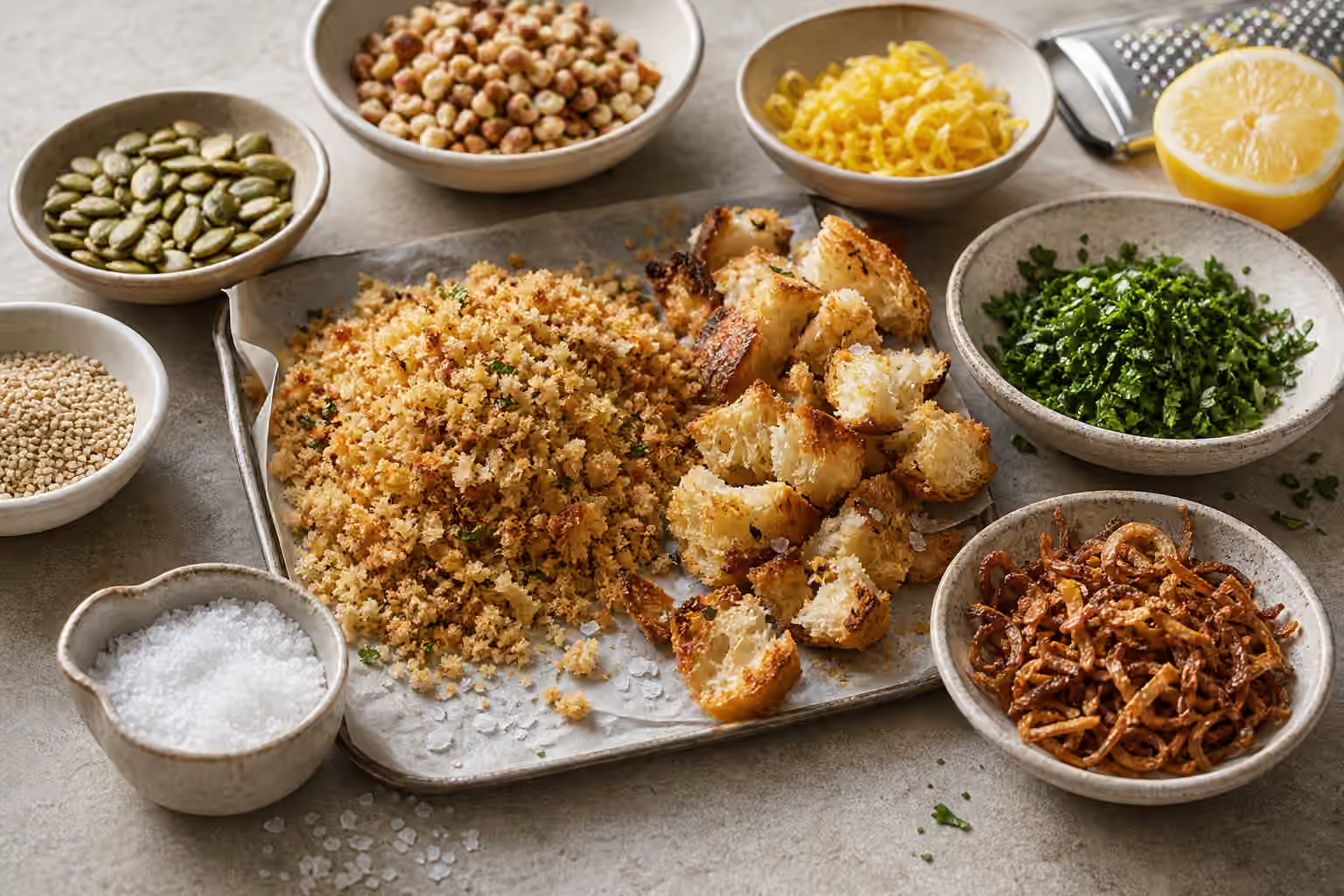
Not everything should be reheated fully seasoned. Roasted vegetables may be better warmed and finished with a small pinch of flake salt or a bright sauce. Grains may need a salted dressing after warming. Proteins may need their final salt from the sauce they are served with. The point is not to postpone all seasoning. It is to save the final decision for the moment when the food is in its serving form.
A Batch Should Have Anchors and Adjustable Edges
The most useful batch-cooked food has seasoned anchors and adjustable edges. The anchors are the foods that need salt inside: beans, grains, potatoes, braised meat, soup bases, and sturdy vegetables. The adjustable edges are sauces, garnishes, cheese, pickles, finishing salts, citrus, herbs, and crunchy toppings. If the anchors are plain, the edges work too hard. If the anchors are too salty, the edges disappear.
This is why batch cooking improves when meals are assembled rather than merely portioned. A container of rice, beans, vegetables, and chicken can be fine. The same components finished at serving with lemon, yogurt sauce, herbs, a few flakes of salt, or a salty condiment can taste alive. Salt belongs both in the batch and at the moment of eating, but those two jobs should not be confused.
Batch cooking is an exercise in restraint with memory. You season what needs time, hold back where future meals need flexibility, and taste again after cooling has changed the food. The reward is not just less bland meal prep. It is food that still has somewhere to go on the third day.