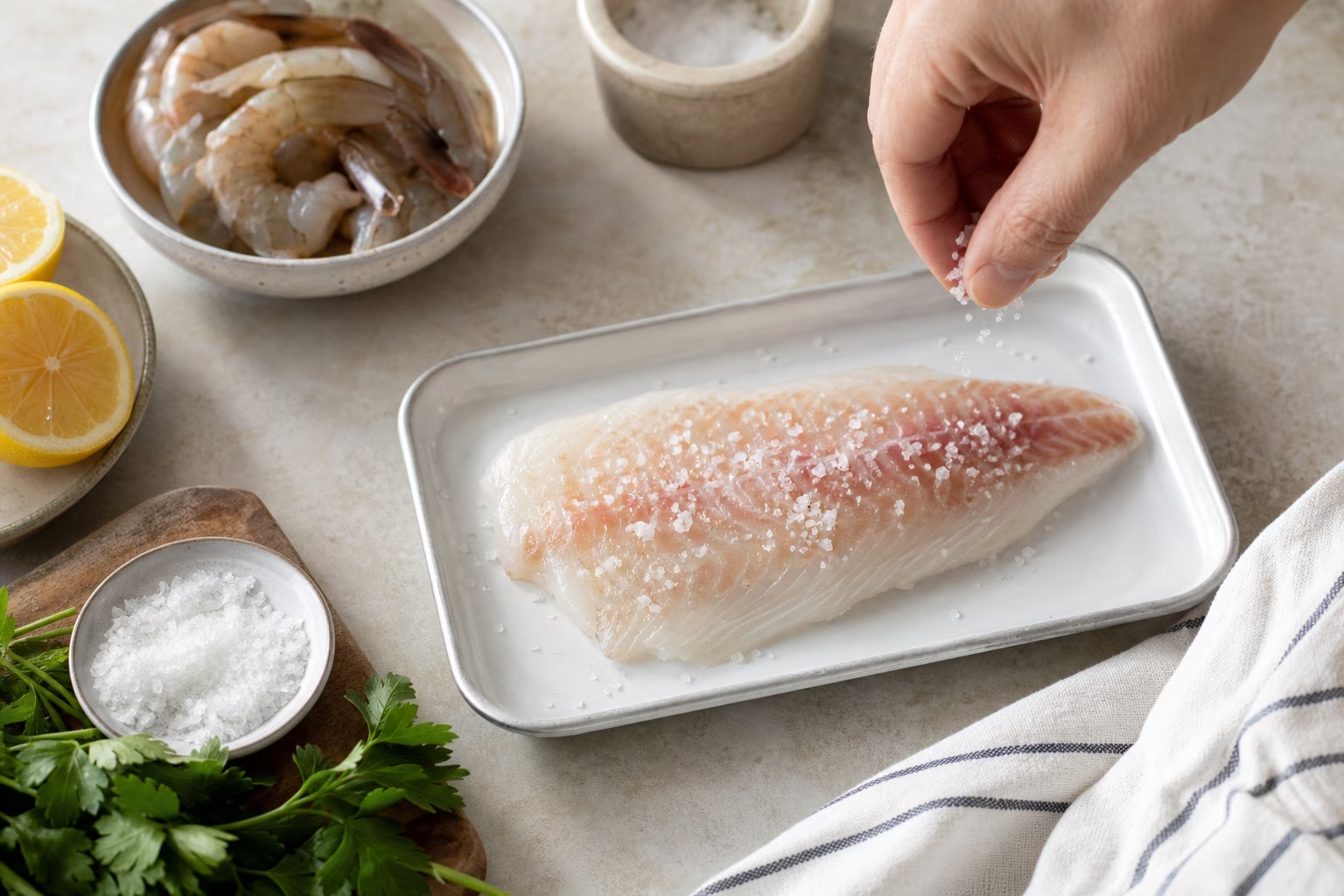
Salt-crust cooking looks dramatic because it asks an ordinary ingredient to become architecture. Instead of disappearing into pasta water, dissolving into soup, or landing in bright flakes at the table, salt is mixed into a damp mass and packed around food until it hardens into a shell. The finished tray can seem almost theatrical: a pale crust, a firm tap, a crack opening, steam escaping, and the food inside looking calmer than the outside suggested.
The method is older and more practical than its drama implies. A salt crust is not mainly a stunt, and it is not a way to make food aggressively salty. At its best, the crust creates a temporary cooking chamber. It traps moisture, moderates direct heat, surrounds the food with a mineral shell, and gives the cook a protected space for ingredients that can dry out or cook unevenly in open air. The crust is broken and discarded. The food inside should taste seasoned and clear, not like it has been buried in a salt cellar.
This guide belongs beside When to Salt because salt-crust cooking separates timing from surface salt in a vivid way. It also belongs beside Salting Fish and Seafood because whole fish is the classic example. The crust asks for enough salt to build a shell, while the food underneath still needs ordinary judgment about thickness, moisture, aromatics, and final tasting.
The Crust Is A Cooking Vessel
A salt crust begins as salt, but once it is moistened and packed, it behaves more like a rough clay shell. Coarse salt is often mixed with water, egg white, or both until it can be pressed together without running. As the food cooks, the mixture dries and firms. The crust does not become delicate pastry. It becomes a disposable vessel that holds its shape long enough to change the heat around the food.
That vessel matters because open roasting can be harsh. A fish fillet, a whole fish, a beet, a small roast, or a potato sitting uncovered in a hot oven loses moisture from the surface while the center catches up. A salt crust slows that exposure. It does not make the food immune to overcooking, but it changes the path. The food cooks in a more enclosed environment, with moisture held close and direct oven heat softened by the crust.
This is why the technique often feels gentler than it looks. The tray is covered in salt, but the food is not supposed to absorb all of it. A whole fish protected by skin and scales may come out moist and subtly seasoned. A beet baked in salt can taste concentrated but not briny. A small roast can cook with a firm boundary around it, though meat still needs careful timing and a recipe that suits its cut. The crust does one job. It creates a chamber. It does not replace good cooking.
Salt Choice Should Be Practical
Salt-crust cooking is one of the clearest places where beautiful finishing salt is the wrong tool. A crust needs quantity, structure, and predictable behavior. It does not need the fragile texture of fleur de sel or the brittle elegance of flakes. Once the salt is wet, packed, baked, and broken away, the qualities that make those salts special at the table have mostly been wasted.
A coarse cooking salt is usually a better choice. The crystals should be large enough to build structure and inexpensive enough that discarding the crust does not feel painful. Some recipes use very coarse sea salt. Others use kosher-style salt. What matters is following the recipe’s expectation for texture and amount, because a dense fine salt and an airy coarse salt will not fill the same bowl in the same way. Measuring Salt is especially useful here because volume can mislead when crystal size changes.
The label is less important than the behavior. Table Salt, Kosher Salt, and Sea Salt explains why those names do not automatically tell you how a salt will perform. For a crust, ask simpler questions. Will it pack? Will it harden? Will it dissolve too quickly into a slurry? Will the recipe’s quantity make sense with this crystal? A practical salt that behaves predictably is more valuable than a romantic jar that belongs on sliced tomatoes.
Moisture Makes The Shell Possible
Dry salt poured over food is not a crust. It is a pile. The method works because moisture turns salt into something moldable. Water alone can be enough for some preparations. Egg whites are often used because they help the crust bind and harden more firmly. Some cooks add herbs, citrus zest, spices, or a little flour, but those additions should not distract from the central structure. The crust has to hold together before it can become useful.
The texture before baking is worth noticing. If the mixture is too dry, it falls away and leaves gaps. If it is too wet, it slumps, slides, or dissolves around the food instead of forming a protective shell. The right texture is usually damp and packable, like sand that holds the shape of a handprint. That image is more useful than trying to rescue the method with one universal ratio, because salts vary and recipes have different goals.
The food itself also matters. Whole fish is often suited to salt crust because skin and bones offer protection while the cavity can hold herbs or lemon. The salt sits outside, not directly on exposed delicate flesh. Root vegetables can tolerate the mineral shell because their skins and dense interiors buffer the contact. Small roasts can work, but the cook has to think carefully about whether the surface should be directly salted first, whether the crust will prevent browning, and whether the final dish wants a browned exterior or a protected interior.
Whole Fish Shows The Method Clearly
Whole fish is the salt-crust example people remember because the payoff is visible. The fish goes into the oven enclosed, and the crust cracks open to reveal flesh that has steamed and roasted inside its own protective space. The skin helps keep the salt from overwhelming the meat. Aromatics in the cavity can perfume the fish without requiring a complicated sauce. The method turns a fragile ingredient into a contained event.
The same restraint from Salting Fish and Seafood still applies. Fish cooks quickly compared with meat. A salt crust does not give permission to ignore thickness or timing. A small fish and a large fish are not the same problem. A lean fish and an oily fish do not feel the same at the table. The crust protects, but it also hides visual cues, so the cook needs a recipe, a clock, and some experience with the size of fish in front of them.
The cavity deserves restraint too. Lemon, herbs, fennel fronds, parsley stems, or a little garlic can be lovely, but the fish should still taste like fish. Overstuffing the cavity can slow cooking or make the final flavor muddy. The best salt-crust fish usually feels simple: clean flesh, gentle aroma, quiet seasoning, and a final plate that may need only olive oil, lemon, herbs, or a few crystals of finishing salt after the crust has been removed.
The Crust Prevents Browning
One of the most important facts about salt-crust cooking is also the easiest to forget: a covered surface cannot brown like an exposed one. If the food’s pleasure depends on a crisp roasted crust, rendered fat, or caramelized edges, a salt crust may be the wrong method or only part of the method. The salt shell protects moisture. It does not create the same browned surface as open roasting or searing.
This distinction matters with meat. Salting Meat and Poultry explains how dry surfaces and early salt help browning. A salt crust moves in another direction. It can season and protect, but it can also keep the exterior from developing the deep roasted crust people expect from a steak, chop, or chicken skin. That does not make the technique bad. It means the dish should be chosen for tenderness, gentle cooking, and presentation rather than for crackling surfaces.
Vegetables sit in the middle. A salt-baked beet or celeriac may not brown in the ordinary way, but it can become concentrated, tender, and earthy. A potato baked on a salt bed can develop a drier skin while the salt below helps moderate moisture. A carrot buried fully in salt may taste different from one roasted openly with oil and space. The question is not which is better. The question is what texture and flavor the dish wants.
Cracking The Crust Is Part Of The Cooking
The final moment needs as much care as the packing. A salt crust can be hard, hot, and uneven. It should be cracked deliberately, not smashed wildly across the food. The goal is to open the shell without driving shards into the flesh or scattering salt into every crevice. A spoon, the back of a knife, or another sturdy kitchen tool can help, depending on the crust and the tray.
After cracking, brush away loose salt before serving. This is especially important with fish, where flakes of crust can cling near the skin or cavity. The crust has already done its work. It should not be dragged onto the plate as if it were a garnish. If some seasoning is needed after the food is portioned, that is a separate finishing decision. A little Flake Salt or fleur de sel may make sense on a finished portion, but only after tasting.
Resting can also matter. Food does not stop changing the instant the crust opens. Steam leaves. Juices settle. Aromatics become more or less noticeable. A whole fish may need only a short pause before serving, while a roast may need a more familiar rest. The crust is part of the cooking environment, and opening it changes that environment at once. Treat that moment as service, not as cleanup.
Salt Crust Is Not Preservation
Because the technique uses so much salt, it can be confused with curing or preservation. The connection is understandable but misleading. Salt and Preservation is about time, water activity, drying, brining, fermentation, and storage. Salt-crust cooking is about heat. The food is cooked and eaten, not made shelf-stable by being enclosed in salt.
That distinction keeps the method in proportion. The crust may season the surface gently, and it may pull or hold moisture in useful ways, but its main culinary promise is not long-term keeping. It is an oven technique. Treating it like preservation can lead to overconfident assumptions and oversalted food. Treating it like roasting with a special shell keeps the cook’s attention where it belongs: food size, oven heat, crust thickness, timing, and final taste.
The amount of salt on the tray can make the method look wasteful, so it should be used when it genuinely adds something. A whole fish for a table, a few special vegetables, or a roast where the protected cooking environment is the point can justify the effort. A weeknight fillet, a handful of broccoli, or food that wants crisp edges may be better served by ordinary seasoning and open heat.
The Best Result Tastes Calm
Salt-crust cooking succeeds when the reveal is less dramatic on the tongue than it was on the tray. The fish should taste moist and clean. The vegetable should taste concentrated and earthy. The roast should taste seasoned, not buried. The crust should have shaped the cooking without becoming the only thing anyone notices.
That calm result depends on choosing the right salt for structure, packing the crust without gaps, respecting the size of the food, and remembering that final seasoning is still a separate judgment. The shell can protect and focus flavor, but it cannot decide whether the finished plate needs lemon, olive oil, herbs, butter, pan juices, or a finishing crystal. Salt does not remove the need to taste. It makes the tasting more specific.
Once you understand that, salt-crust cooking becomes less intimidating. It is not a mysterious restaurant trick. It is a way of turning salt into a temporary oven within the oven. The crust is built, heated, cracked, and discarded. What remains should make the method feel justified: food that tastes composed, gently seasoned, and more itself than it might have in open heat.