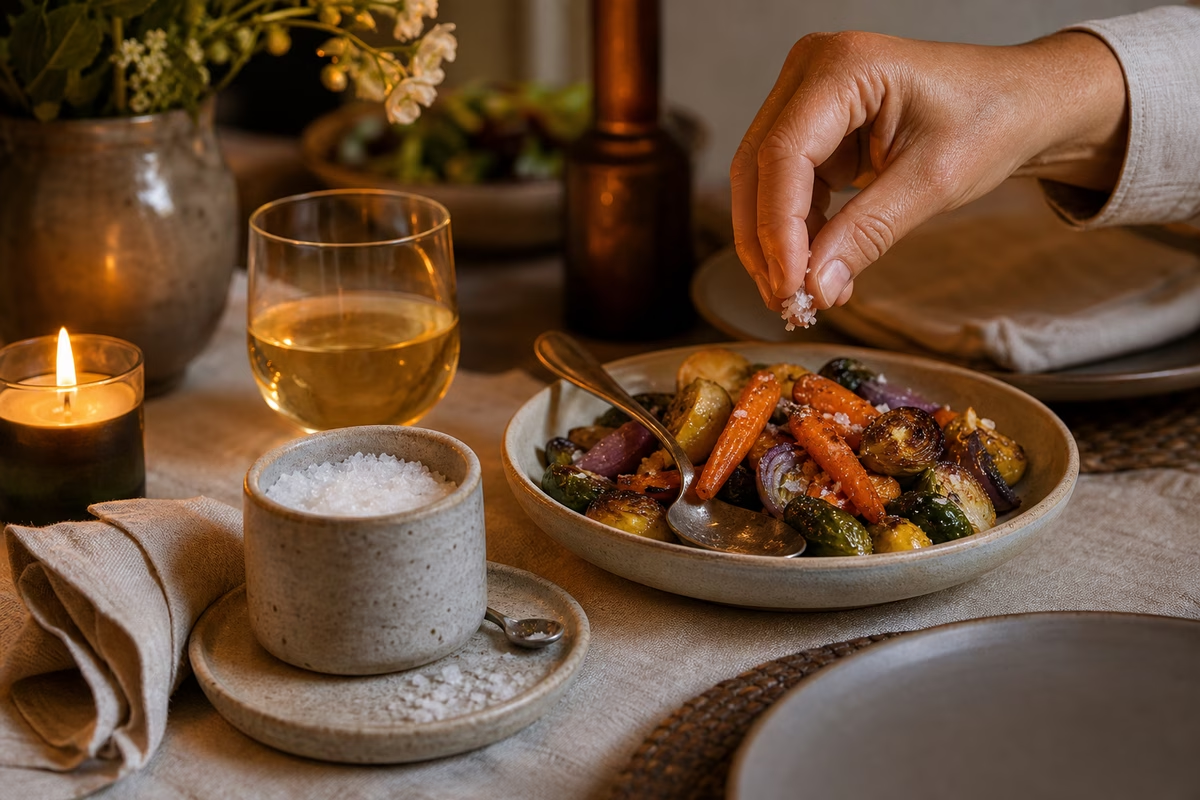
There is something intimate about reaching into a salt cellar.
Not shaking, not pouring, not tearing open a packet. Reaching in. Taking a pinch. Feeling the crystals before they ever touch the food. It is such a small gesture, but it changes your relationship to seasoning immediately.
Why the salt cellar still matters
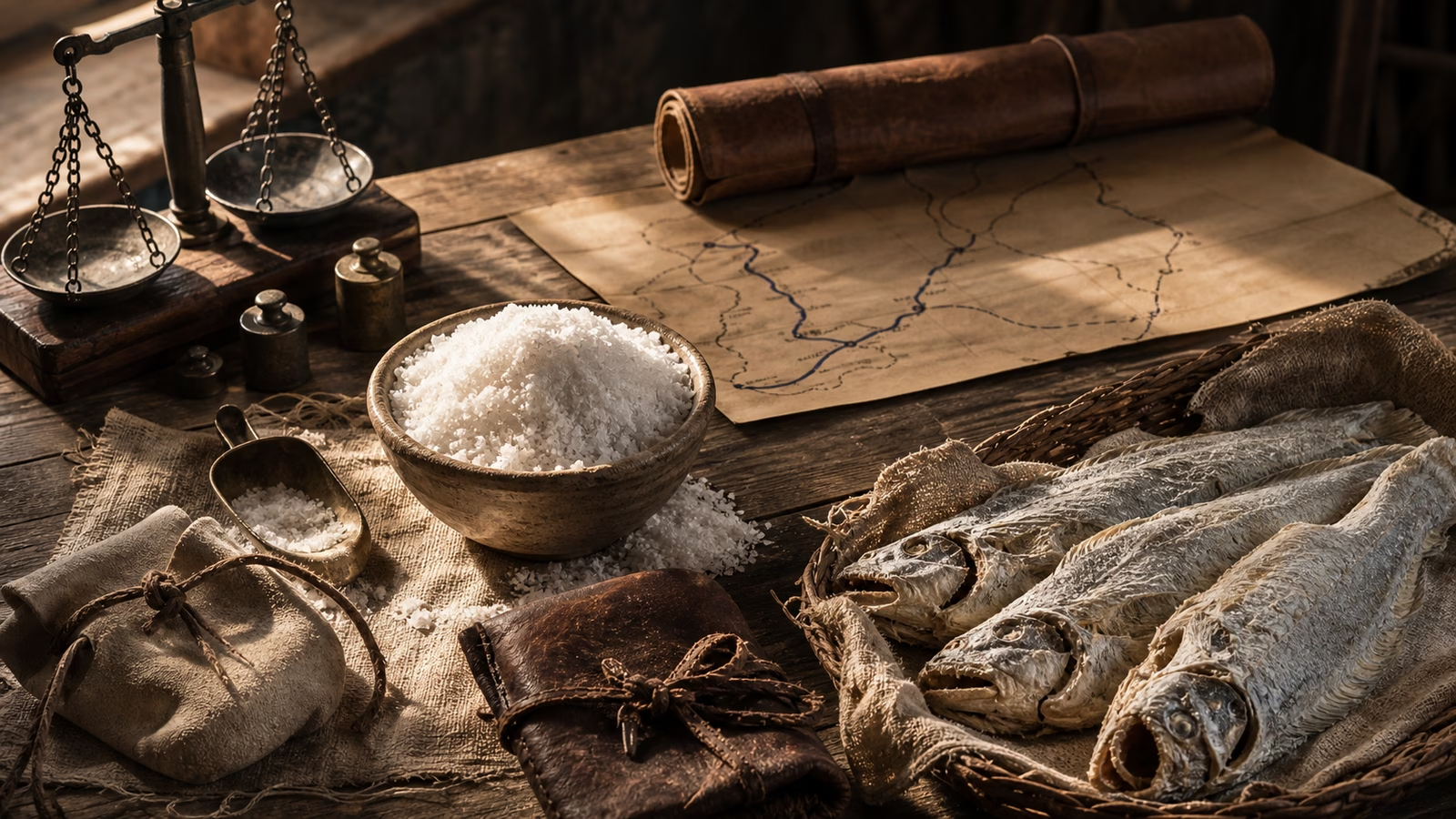
For most of human history, salt was handled deliberately because it had to be. It was valuable, physically present, and often coarse enough that touch was part of using it. A salt cellar was not decorative nostalgia. It was simply a practical way to keep an important ingredient close at hand while still treating it with some care.
The move toward factory-shaker salt made seasoning more uniform and more convenient. It also made it less tactile. The cellar, whether humble crock or handsome table vessel, preserved something older: the idea that salt is placed, not merely dispensed. That sounds like a minor distinction until you try both. A shaker encourages scattering. A cellar encourages judgment.
Pinching teaches judgment
A spoon can measure. A shaker can scatter. But a pinch teaches.
When you finish food by hand, you learn how much different salts weigh, which salts collapse easily, where crystals land, and how texture changes with pressure. The same pinch that feels generous with fine salt may feel barely adequate with a large brittle flake. A damp gray salt asks for a different hand than a light pyramid flake.
That feedback loop is one reason finishing salts feel educational. They turn your fingers into part of the tasting system. Over time you stop salting by abstraction and start salting by feel.
Salt as hospitality
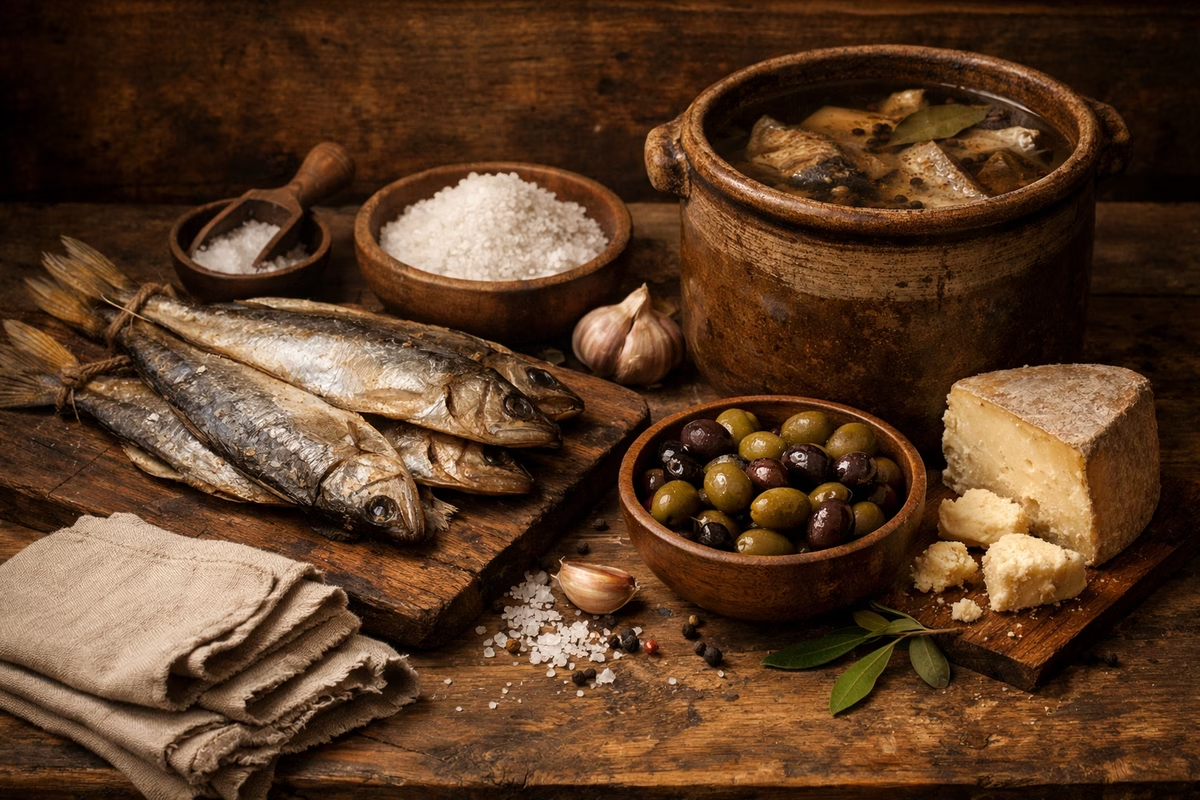
Across many cultures, offering salt or eating salted food together has carried symbolic weight. Sometimes it signals welcome. Sometimes loyalty. Sometimes permanence. Salt’s long role in preservation and sustenance gave it social meaning beyond flavor.
That symbolic life is part of why salt still feels slightly ceremonial when presented well. A little cellar on the table suggests that the meal is still alive, still adjustable, still being cared for right up to the moment of eating.
Why artisanal salts revived the ritual
Once cooks rediscovered that salt can be delicate, flaky, damp, brittle, or visually dramatic, the cellar made sense again. Artisanal salt wants fingers more than it wants a shaker. It asks for attention.
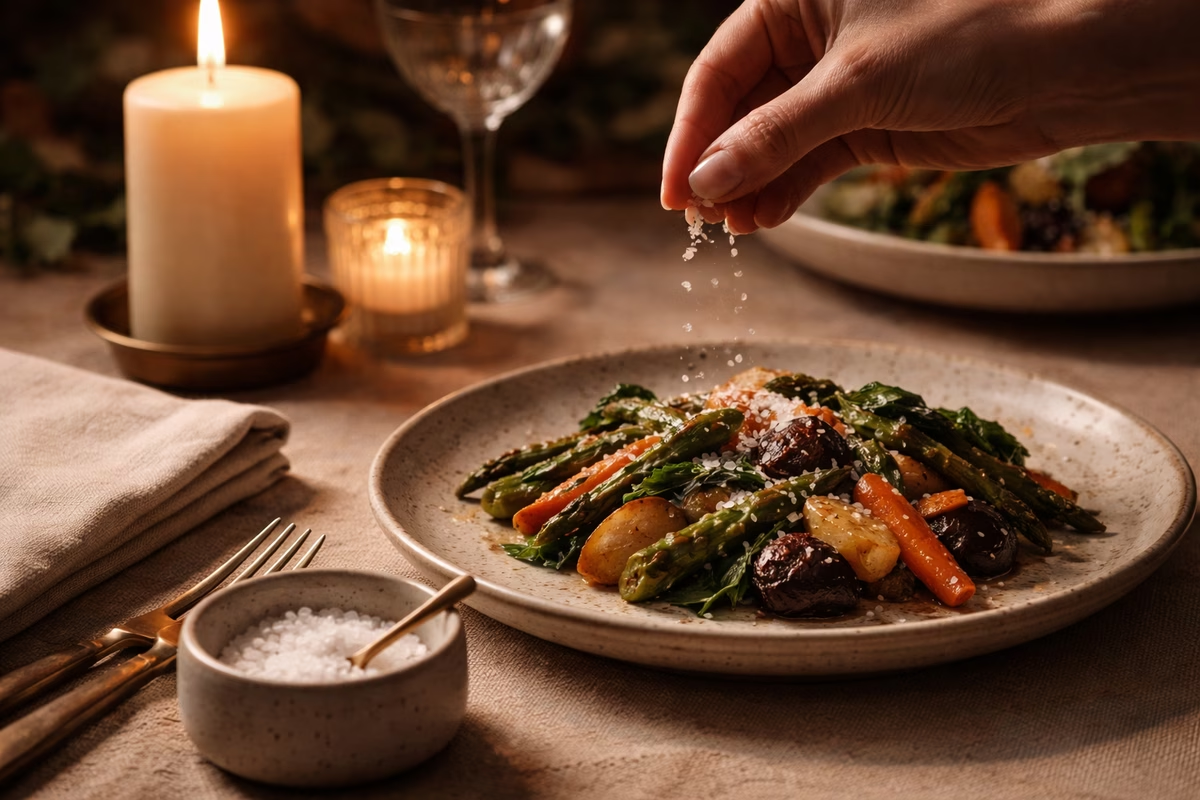
And honestly, that is part of the pleasure. A pinch of flaky salt before serving a plate can feel like the quiet final decision that makes the meal yours. It is one of the last remaining kitchen gestures that is both practical and visibly personal.
That is also why the ritual has survived outside restaurants and design magazines. People keep returning to it because it makes seasoning more legible. You see the salt. You touch the salt. You place the salt. The act slows you down just enough to care.
What makes a good salt cellar
The best cellar is not the prettiest one. It is the one you will actually use. It should open easily, sit near where you cook or plate, and protect the salt from steam, grease, and stale pantry odors. If you hate fiddling with the lid, you will stop reaching for it. If it sits too far from the stove, you will forget it exists.
For most people, a lidded salt cellar is the practical choice because it keeps salt accessible without letting kitchen humidity take over. Wood, ceramic, and stoneware all work fine. The real issue is convenience, not ideology.
Which salts belong in one
A cellar is most useful for salts you finish with by hand. Flake salt is the obvious candidate because it benefits from careful placement. Fleur de sel also makes sense there, especially if you tend to use it on simple foods at the table. Moist salts can live in a cellar too, but they usually want a slightly deeper vessel and a spot away from direct steam.
What usually does not belong in the cellar is your entire salt identity. Keep one finishing salt there, maybe two if you are disciplined. Once the counter starts turning into a salt showroom, the ritual gets sillier than helpful.
Build a better salt habit
If you keep one finishing salt in an easy, reachable cellar near where you plate food, you will use it more intelligently.
It is a tiny change with outsized benefits. You finish more often. You become more aware of texture. Your seasoning becomes more consistent because the ingredient is visible and ready. And, maybe most importantly, you stop treating good salt like something too precious to use.
Use Flake Salt or Fleur de Sel for this and the ritual starts making sense very quickly.
Next steps
Read Salt Quickstart , Flake Salt , and Fleur de Sel next.
Season with attention
Salt is simple until it touches food. For Salt Cellars and Table Rituals, the useful lesson is that crystal size, timing, moisture, texture, and the food itself all change the result. A pinch can season, preserve, draw out water, sharpen sweetness, or finish a dish with crunch.
Start by tasting in context. A salt that feels strong on the tongue may dissolve gently in soup. A delicate flake may shine on tomatoes and disappear in pasta water. Fine salt measures differently from coarse crystals. The hand learns by comparison.
Then pay attention to timing. Early salting can season deeply or pull moisture. Late salting can add texture and brightness. Brines, rubs, ferments, baked goods, and finishing salts each ask for a different kind of control.
Keep notes for repeatable dishes. Weight helps when precision matters, while a tasting habit helps when ingredients vary. Both can belong in the same kitchen.
Salt Cellars and Table Rituals should make seasoning feel more deliberate and less mysterious. Good salt use is not about using more. It is about putting the right salt in the right moment.