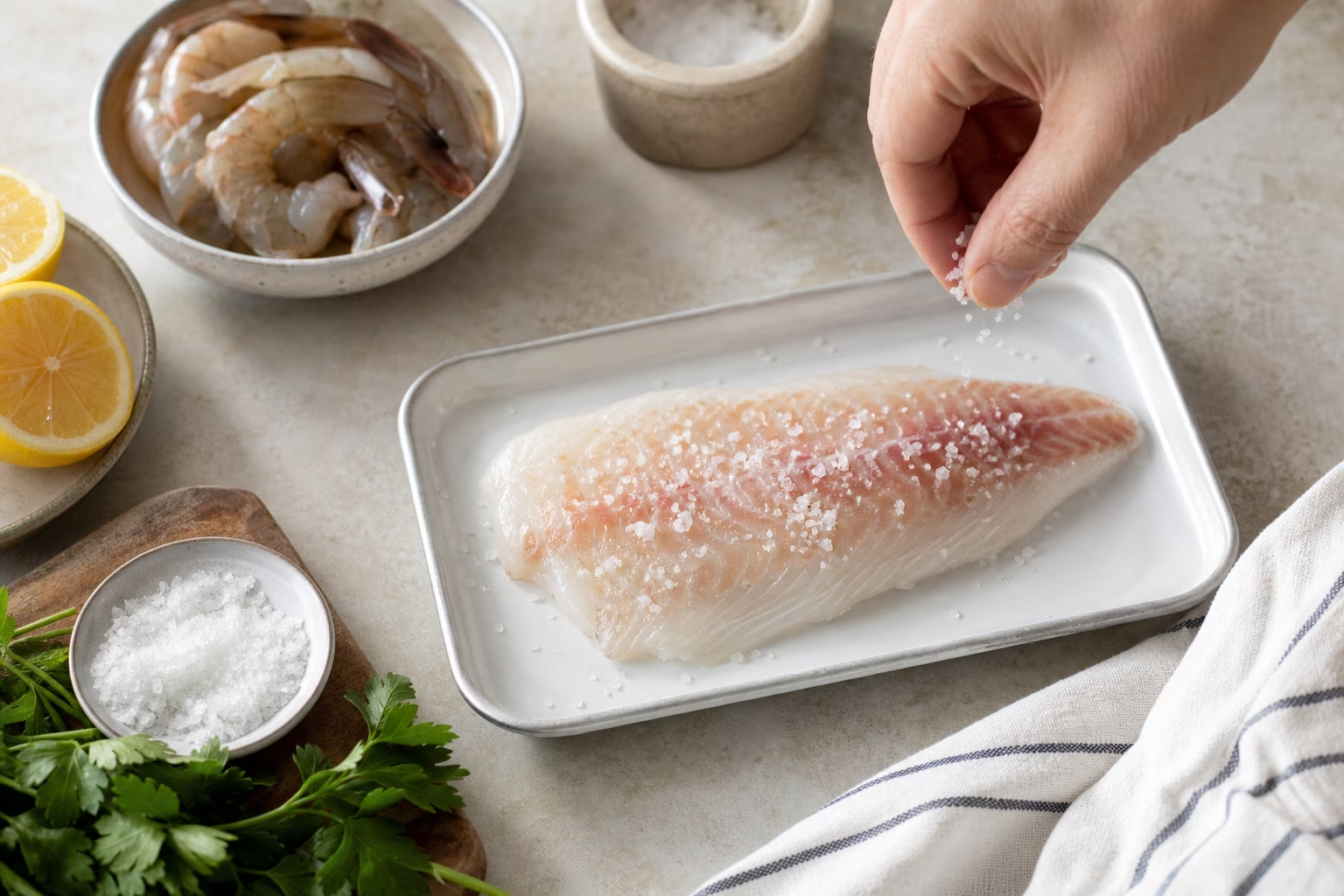
A salt block is not simply a large crystal waiting to be grated. It is a piece of salt turned into a surface. That small change makes it feel more dramatic than a cellar or mill, but it also makes it easier to misunderstand. A block can season food. It can hold heat. It can chill quickly. It can make a simple plate of sliced vegetables or seafood feel more deliberate. It can also crack, over-salt delicate food, shed edges, or sit unused because nobody quite knows what job it is meant to do.
The useful way to think about a salt block is not as a miracle pan. It is a dense mineral slab that gives food a controlled contact with salt while also acting as a serving object. Sometimes that contact is the point. Sometimes the block is mostly theatre. The difference matters, because a salt block asks for storage space, careful heating, patient cleaning, and a tolerance for slow wear.
Mineral-Rich and Mined Salts touches on blocks as one expression of mined salt culture. This guide looks at the practical side: when the block helps, when it is a distraction, and how to use it without expecting it to behave like cast iron, stoneware, or a pinch of finishing salt.
What a Salt Block Actually Does
A salt block seasons by contact. Food that sits on the surface picks up salt as moisture dissolves a thin layer of the block. The wetter the food, the longer the contact, and the warmer the surface, the more salt moves. A dry cracker on a cold block takes almost nothing. A slice of watermelon, cucumber, raw fish, or tomato can take on salt quickly because the food brings water to the crystal. A hot scallop or mushroom can pick up salt faster still because heat speeds the interaction and encourages moisture to move.
That contact seasoning is different from salting by hand. With a pinch, you decide where the crystals land and how much salt goes onto the food. With a block, the food and surface negotiate the amount together. This can be lovely when the food is simple and the contact is brief. It can be harsh when the food is wet, thin, and left in place too long. A block rewards attention because the seasoning keeps happening as long as the food rests on the salt.
Texture also changes the experience. A flake salt announces itself as a bright, brittle final touch. A block is quieter at first because the salt often dissolves into the food’s surface rather than remaining as visible crystals. If you want that crisp final sparkle, Flake Salt is still the better tool. If you want a slow, even mineral touch on a small bite, the block begins to make sense.
Heating the Block Without Rushing It
Salt blocks are often marketed for high-heat searing, but heat is the part that deserves the most patience. A block is a natural mineral object with internal lines, inclusions, and stresses. Sudden temperature changes can crack it. Even careful use will eventually change it. The surface may roughen, corners may chip, and fine fissures may appear after repeated heating and cooling.
The safest general habit is gradual change. A cold block should not go straight onto fierce heat. A hot block should not meet cold water. If the block’s maker gives heating instructions, follow those first, because thickness and composition vary. In ordinary kitchen logic, slow warming is kinder than shock. A stovetop, grill, or oven can work only if the block is given time to move through temperature stages rather than being asked to perform like a metal pan.
Even when properly heated, a salt block does not behave exactly like steel or cast iron. It can hold heat, but it is not as responsive. It is also seasoning the food while heating it. That means foods chosen for block cooking should either be cooked quickly or sturdy enough to tolerate contact. Thin slices of steak, small shrimp, scallops, mushrooms, asparagus, halloumi, and firm vegetables are more sensible than thick pieces that need long cooking. The longer the food stays, the more seasoning it receives, and the surface can move from pleasantly seasoned to bluntly salty.
When to Salt explains the broader difference between early seasoning and finishing. A hot salt block creates a third situation: seasoning by surface contact during cooking. It is neither a dry brine nor a final sprinkle. It is closer to cooking on a seasoned mineral plate. That makes it interesting, but it also means you should not add your normal amount of salt before the food touches the block. Taste what the block gives first.
Chilled Blocks Are Often More Forgiving
Many people buy salt blocks for searing and then discover that the cold uses are easier to love. A chilled block is less likely to create drama, and it gives the cook more control. Place the block in the refrigerator until thoroughly cold, then use it as a serving surface for foods that benefit from a clean mineral edge: slices of ripe tomato, cucumber, melon, radish, butter, soft cheese, cooked shrimp, or very thin pieces of fish prepared for immediate service.
Cold use still requires timing. A juicy tomato left on a block will keep pulling salt. Melon can move from vivid to briny if it waits too long. Soft cheese can pick up a salty base where it touches the slab. These are not failures; they are the mechanism. The answer is to plate closer to eating, keep portions modest, and notice how each food behaves. A chilled block is at its best when it seasons small bites in a way that feels integrated, not when it becomes a salty tray for food to sit on indefinitely.
This is also where salt blocks show their table value. A cold slab can make a plain ingredient feel composed without adding sauces or garnishes. The block’s weight and color slow the meal down. It asks people to take one piece, taste, and understand that the surface matters. That pleasure is real, but it should be treated honestly. The block is giving both seasoning and presentation. If you only need seasoning, a careful pinch may do the same job with less cleanup.
Choosing Foods That Suit the Surface
The best foods for a salt block are simple, moist enough to make contact, and quick enough not to overstay. Mushrooms are excellent because they have enough water to take seasoning but enough savoriness to carry it. Asparagus, zucchini, spring onions, and small peppers can work well when cooked or served briefly. Citrus slices can be beautiful but should be used with restraint because acid and moisture accelerate the salty impression. Fruit can be striking, especially melon or stone fruit, but thin slices need only a short rest.
Proteins need more care. Scallops and shrimp suit a hot block because they cook quickly. Thin slices of beef or lamb can work if the block is truly hot and the pieces are not left to linger. Fish can be lovely chilled or briefly warmed, but delicate fillets are easy to over-salt or tear. Large chicken pieces, thick steaks, and dense vegetables that require long cooking are usually better handled with normal salt and ordinary cookware. The block can finish or serve them, but it does not need to become the whole cooking method.
Before putting anything on the slab, ask what problem the block solves. If the food needs deep internal seasoning, read Salting Meat and Poultry or Salting Fish and Seafood and use a normal salting method. If the food needs a visible final crystal, use a finishing salt. If the food would benefit from brief mineral contact and an attractive serving surface, the block has a reason to be there.
Cleaning Without Dissolving Your Tool
Cleaning a salt block feels strange because the tool is water-soluble. You cannot treat it like a cutting board. You also cannot ignore residue, especially after cooking. The goal is to remove food from the surface while dissolving as little salt as possible.
Let a hot block cool fully before cleaning. Scrape away stuck bits with a brush, scraper, or damp cloth, using as little water as the job allows. A quick wipe is very different from a soak. The block should never sit in a sink or under running water for long, because water is not merely cleaning the surface; it is eating the surface. After wiping, let the block dry thoroughly in open air before storing it. A damp block put away in a cabinet can weep, roughen, or leave salty moisture where it sits.
Staining is normal. A used salt block will not remain a pristine pink brick. Food juices, heat, smoke, and repeated wiping all change the surface. This aging can be part of the object’s charm, but it also marks a boundary. If the block smells unpleasant, has deep food residue in cracks, or has become too fragile to handle, retire it from cooking. It may still be attractive as a serving piece for dry foods, or it may simply have done its work.
Salt Storage is useful here because the same enemies return: humidity, odors, and careless containers. A salt block wants dry storage away from steam and strong smells. It should not live next to the stove just because it is a cooking object. Store it as a mineral surface that can absorb moisture from the room, not as a pan.
Buying One Without Overbuying the Idea
A salt block is worth buying only if you enjoy the ritual enough to repeat it. It is not an essential step on the way to better seasoning. Many cooks will learn more from Measuring Salt and Salt Tasting than from a slab. A block is useful after you already understand the difference between salting food, finishing food, and presenting food.
Look for a block with enough thickness to feel stable and enough surface area for the foods you actually serve. A tiny block can be charming but awkward for cooking. A very large block can be heavy, slow to heat, and difficult to store. Smooth surfaces are easier for first use, while rougher surfaces may hold food more stubbornly. Color is part of the appeal, but color alone does not tell you how the block will behave.
It also helps to decide whether the block is mainly for cold service or hot cooking. Cold service is gentler and more flexible. Hot cooking is more demanding and will age the block faster. If the romance of a smoking-hot salt slab is what attracts you, accept the maintenance before buying. If you mostly want a beautiful way to serve tomatoes, radishes, shrimp, butter, or fruit, a moderate block used cold may give more pleasure with less stress.
The honest place for a salt block is between tool and ceremony. It can season, heat, chill, and present, but it is never just one of those things. Use it when that combination adds something to the meal. Leave it on the shelf when a pinch of salt would be clearer. The best salt practice is not owning the most dramatic object. It is choosing the form of salt that gives the food what it needs.