Salt rarely works alone, even when it is the only seasoning you add. It changes how sweetness speaks, how bitterness relaxes, how aroma rises, and how the tongue understands texture. But the most useful kitchen lesson is that salt is usually negotiating with two other forces: acid and fat. A dish can be salted correctly and still taste heavy. It can be bright and still taste thin. It can be rich and still feel flat. The fix is often not more of the same. It is balance.
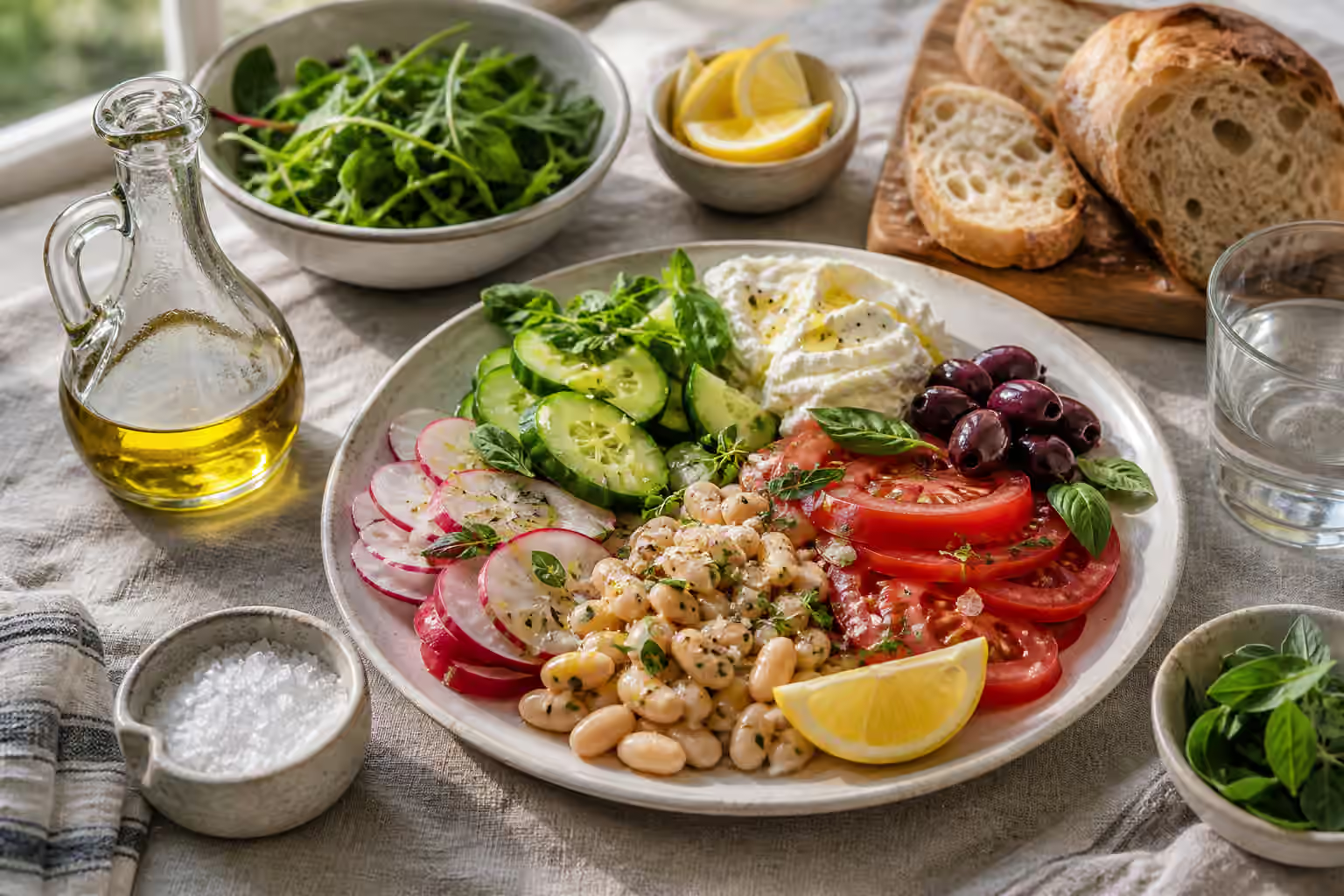
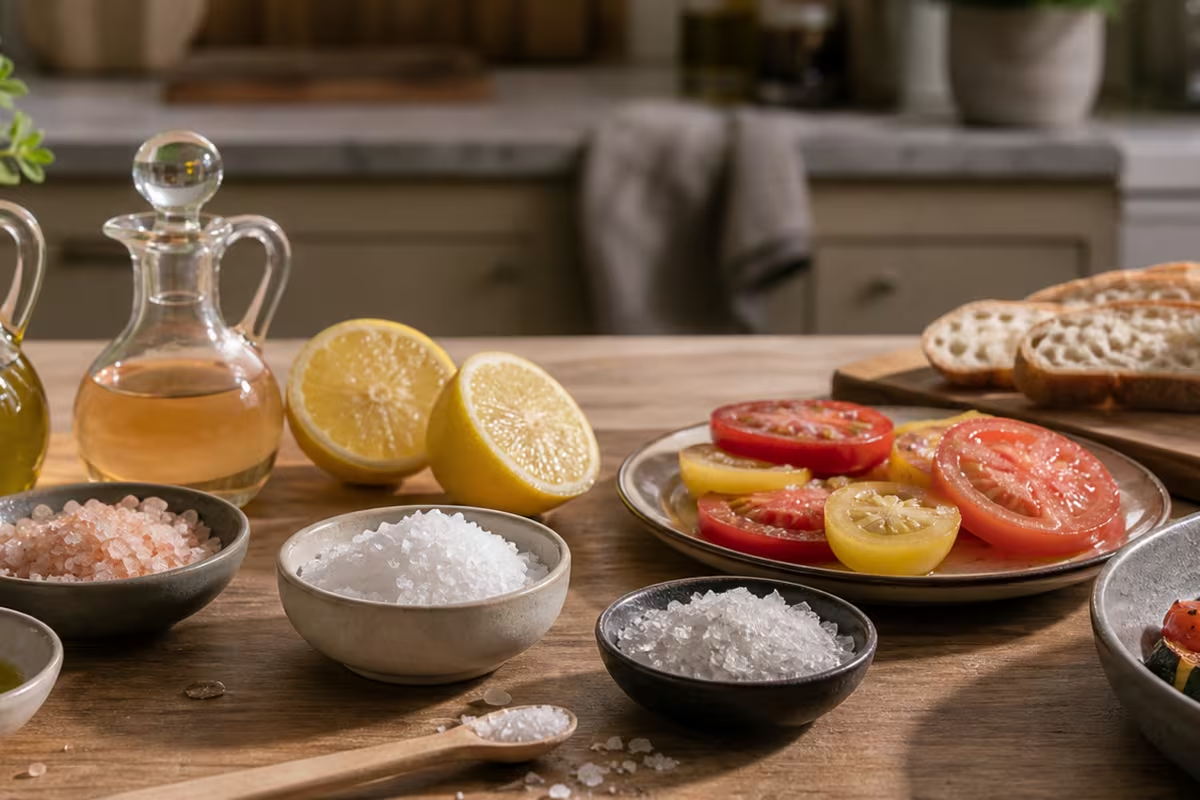
Think of a tomato on a summer table. A pinch of salt pulls juice to the surface and makes the tomato taste more like itself. A little olive oil carries aroma and softens the edges. A squeeze of lemon or a few drops of vinegar brightens the whole bite. None of those moves is complicated, but together they explain a large part of cooking. Salt gives flavor focus. Acid gives lift. Fat gives body. When all three are in conversation, food tastes complete without needing to be loud.
When to Salt explains timing. This guide is about relationship. It asks what the food still needs after salt has done its first job.
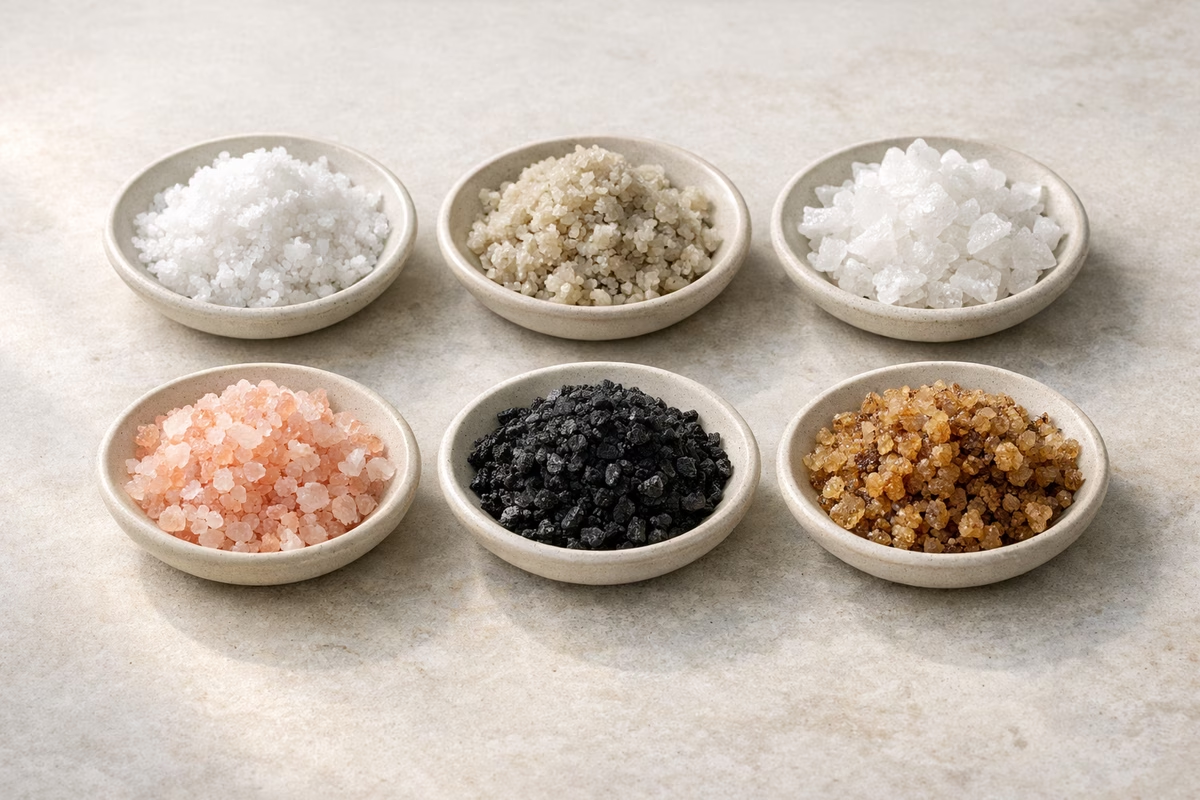
Salt gives flavor a center
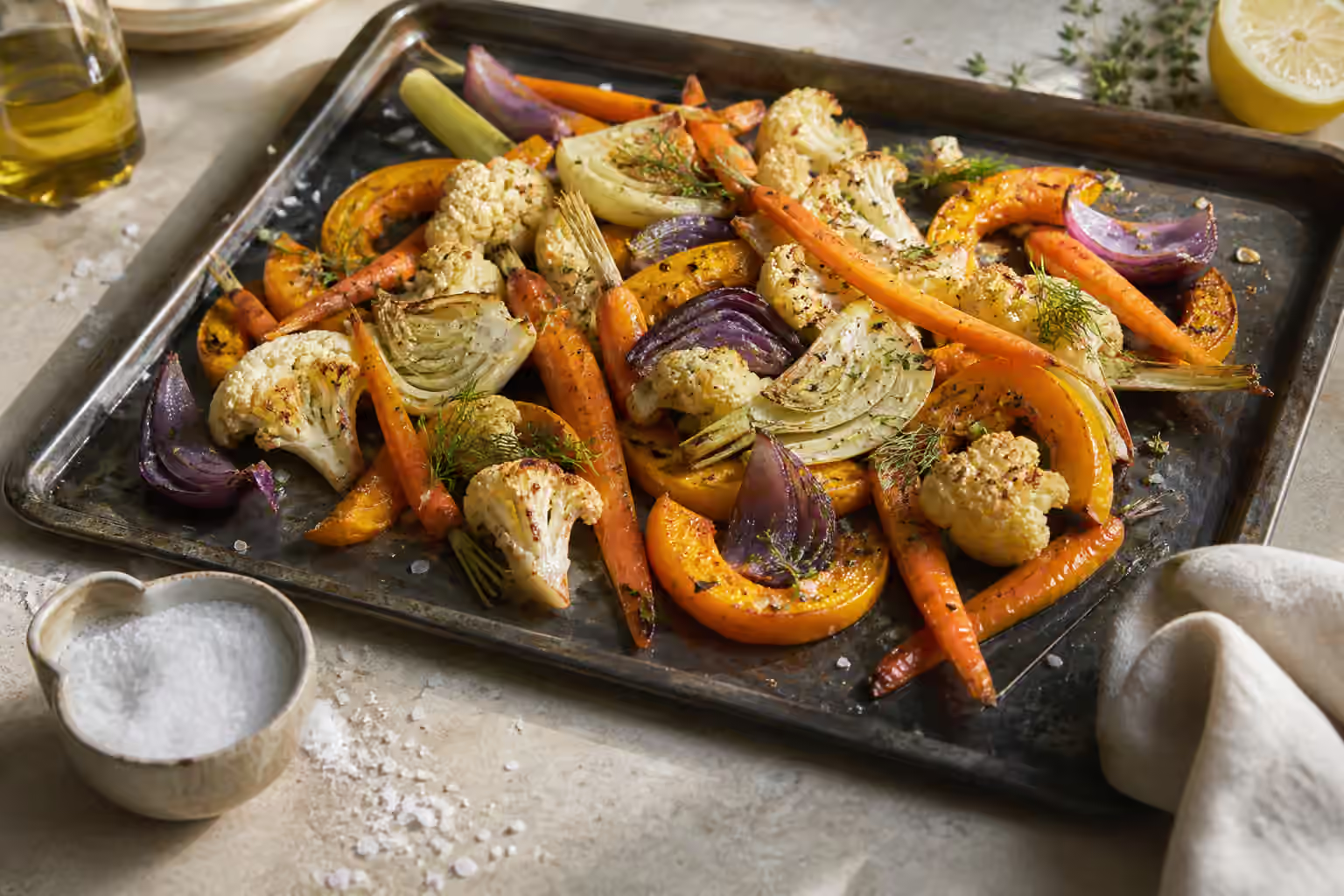
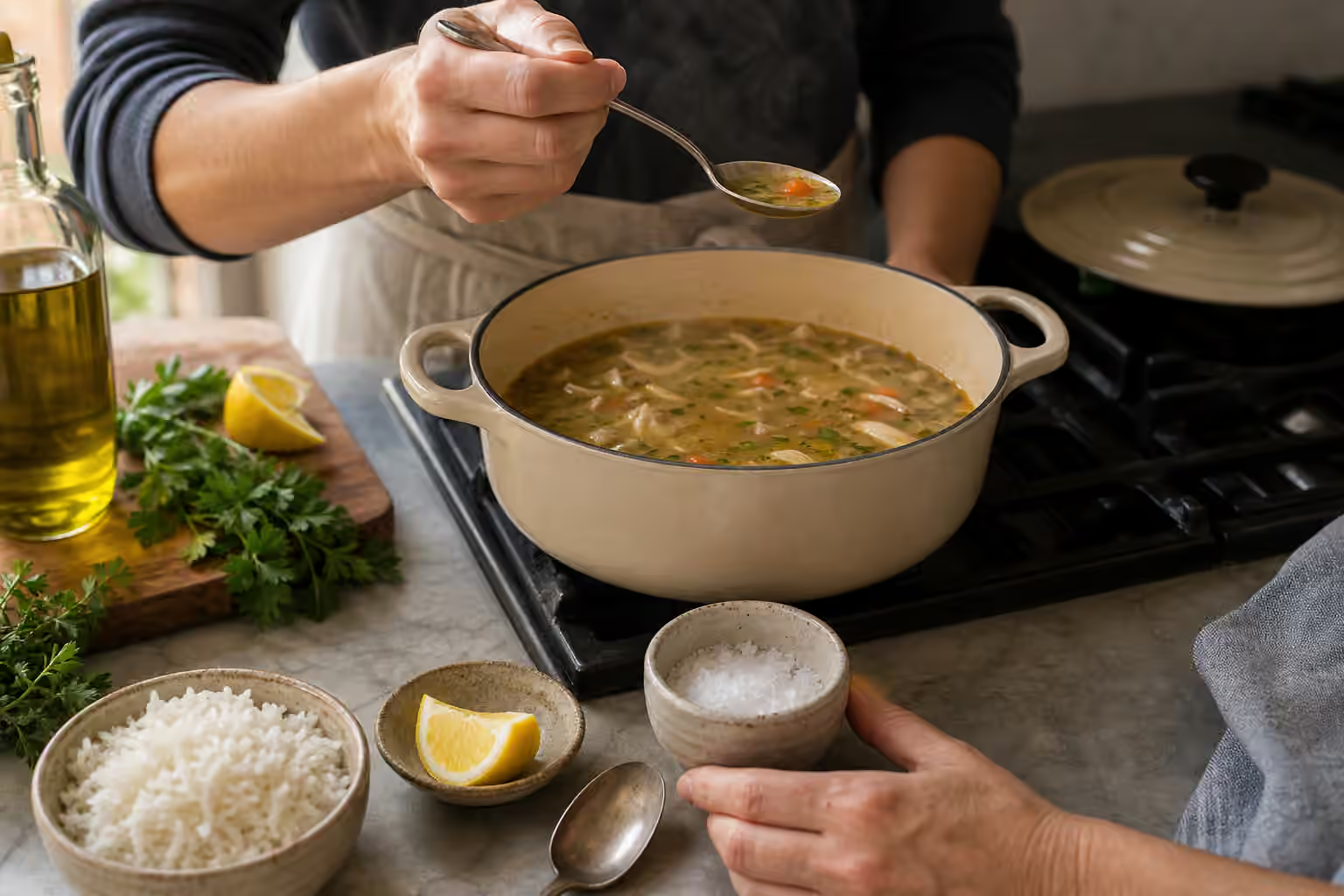
Salt makes food taste less scattered. A soup with enough salt can suddenly reveal carrot, onion, herbs, beans, and broth as one thing instead of separate ingredients floating near each other. A slice of bread with butter tastes fuller with a few grains of salt because the fat stops feeling blank. Chocolate becomes deeper. Fruit can seem more aromatic. Roasted vegetables taste less like heat and more like themselves.
This is why under-salted food often feels distant. The flavors may be present, but they do not arrive clearly. People sometimes describe that as blandness, but blandness is not always a lack of ingredients. It can be a lack of focus. Salt supplies that focus by changing perception as much as chemistry.
The risk is that once salt starts helping, the cook keeps asking salt to solve everything. A stew tastes dull, so more salt goes in. It still tastes dull, so more salt follows. Eventually the stew is salty and dull at the same time. That is the moment when acid may be missing.
Acid makes food stand up
Acid is the brightness in lemon juice, vinegar, wine, tomatoes, yogurt, pickles, buttermilk, sour cream, citrus zest, and many fermented foods. It does not simply make food sour. Used well, it makes flavors stand up straighter. It cuts through heaviness, wakes up aroma, and gives the palate a reason to keep eating.
A lentil soup may taste earthy and pleasant but tired. A small amount of vinegar can make the lentils taste more alive. A rich bean dish may seem fully salted, yet still need lime. Fried food may be crisp and salty, but without acid it can become exhausting after a few bites. A tomato sauce may need salt for focus and acid for shape, especially if the tomatoes are sweet or cooked down.
Acid is also where timing matters. Added early, it can change texture and cooking behavior, especially with beans or some vegetables. Added late, it often preserves brightness. This is why many cooks finish soups, stews, roasted vegetables, and sauces with a small acidic adjustment after the main cooking is done. The goal is not to make the dish taste like vinegar or lemon. The goal is to let the dish taste awake.
Fat gives flavor somewhere to live
Fat carries aroma and creates satisfaction. Butter, olive oil, cream, nuts, cheese, avocado, tahini, coconut milk, and rendered cooking fats all change the way flavors move through the mouth. A dish with no fat can feel sharp or thin even when the salt is right. A dish with too much fat can feel sleepy unless salt and acid keep it in balance.
Salt and fat have a special friendship because fat can mute flavor. A potato puree, buttery toast, creamy sauce, or olive-oil-rich salad often needs more salt than a leaner version because fat softens the edges. The salt does not fight the fat. It gives it definition. This is why salted butter tastes more complete than unsalted butter eaten plain, and why a rich sauce often needs careful seasoning to avoid becoming heavy.
Acid helps fat by keeping richness from closing in. A vinaigrette works because oil and vinegar pull in opposite directions, with salt helping both taste intentional. A squeeze of lemon over roasted vegetables makes the olive oil feel fragrant rather than greasy. Yogurt with salt becomes savory and cooling at once. Cheese, pickles, and bread make sense together because salt, fat, and acid keep trading the lead.
Finishing salt changes the first second
Finishing salt is powerful in this triangle because it arrives at the surface. A flake on a buttered radish, chocolate tart, tomato slice, boiled egg, or roasted carrot changes the first second of the bite. It gives a little crackle, then dissolves into the food. That surface effect is different from the salt that cooked into beans or pasta water. Both matter, but they do not do the same job.
When a dish already has enough integrated salt, finishing salt can be beautiful. When the inside is bland, finishing salt becomes a rescue attempt. The first bite may sparkle, but the center still feels empty. This is why a well-seasoned dish can use less finishing salt with better effect. The flake becomes an accent rather than a disguise.
Finishing salt also interacts with fat. A few crystals on buttered bread, caramel, olive-oil tomatoes, or roasted nuts can make richness more vivid. But the same crystals on a dish that already contains salty cheese, cured ingredients, or salted butter can push too far. Taste the whole dish, not the idea of the dish.
The best tasting habit is comparison
Seasoning improves fastest when you taste side by side. Take two tomato slices. Salt one and leave one alone. Then add a drop of olive oil to the salted slice. Then add a little lemon. The lesson becomes obvious without a lecture. Do the same with beans, roasted vegetables, eggs, rice, or soup. Taste before salt, after salt, after fat, after acid. Notice when the food becomes clearer and when it starts to tilt.
This habit is more useful than memorizing rules because ingredients change. Lemons vary. Vinegars vary. Tomatoes vary. Butter can be salted or unsalted. Broths can be nearly salt-free or already assertive. A block of cheese can bring salt and fat at once. A pickle can bring salt and acid. A dressing can carry all three. You need a palate that can hear what is missing.
If a dish tastes flat, try a little salt. If it tastes salty but still dull, try acid. If it tastes sharp and thin, consider fat. If it tastes heavy, consider acid or a fresher element. If it tastes rich but vague, salt may need to return. The answer is rarely dramatic. It is usually a small adjustment that makes the food feel more like itself.
Balance is not sameness
Salt, acid, and fat do not need equal volume. A lemony salad may lead with acid. A buttery sauce may lead with fat. A salted tomato may need only a few drops of oil and no obvious vinegar. A bowl of soup may need salt throughout and a quiet splash of acid at the end. Balance means the dish’s promise is fulfilled, not that every force is equally visible.
This is where cooking becomes less mechanical and more attentive. You are not trying to make every dish bright, rich, and salty in the same way. You are asking what kind of food it wants to be. A cucumber salad should not feel like a cream sauce. A creamy gratin should not eat like pickles. A piece of bread with good butter may need only salt because the fat is already present and acid would change the mood.
Good seasoning makes food easier to understand. The tomato tastes more like tomato. The soup tastes round but not sleepy. The roasted vegetable tastes sweet, browned, and alive. The dessert tastes deeper rather than merely sweeter. Salt gives the center, acid opens the window, and fat furnishes the room. Once you learn to taste those roles, a pinch becomes less like a guess and more like a conversation.