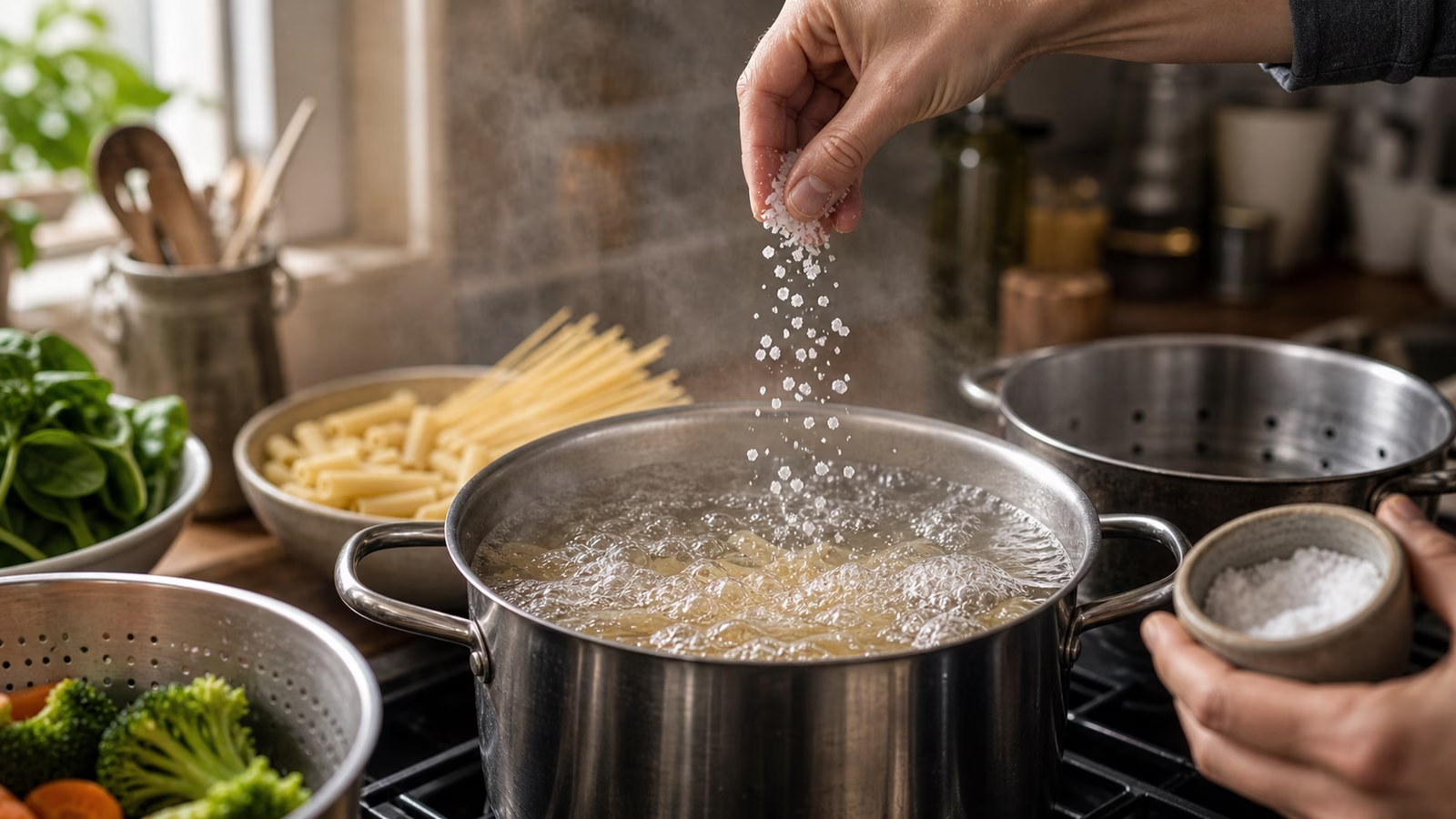
The first serious lesson many cooks learn about salt happens over a pot of pasta water. Someone says the water should taste seasoned, not timid. The beginner adds a careful pinch to a large pot and wonders why the finished pasta still tastes flat. Later, after enough disappointing dinners, the lesson lands: a big pot of water is not impressed by a pinch.
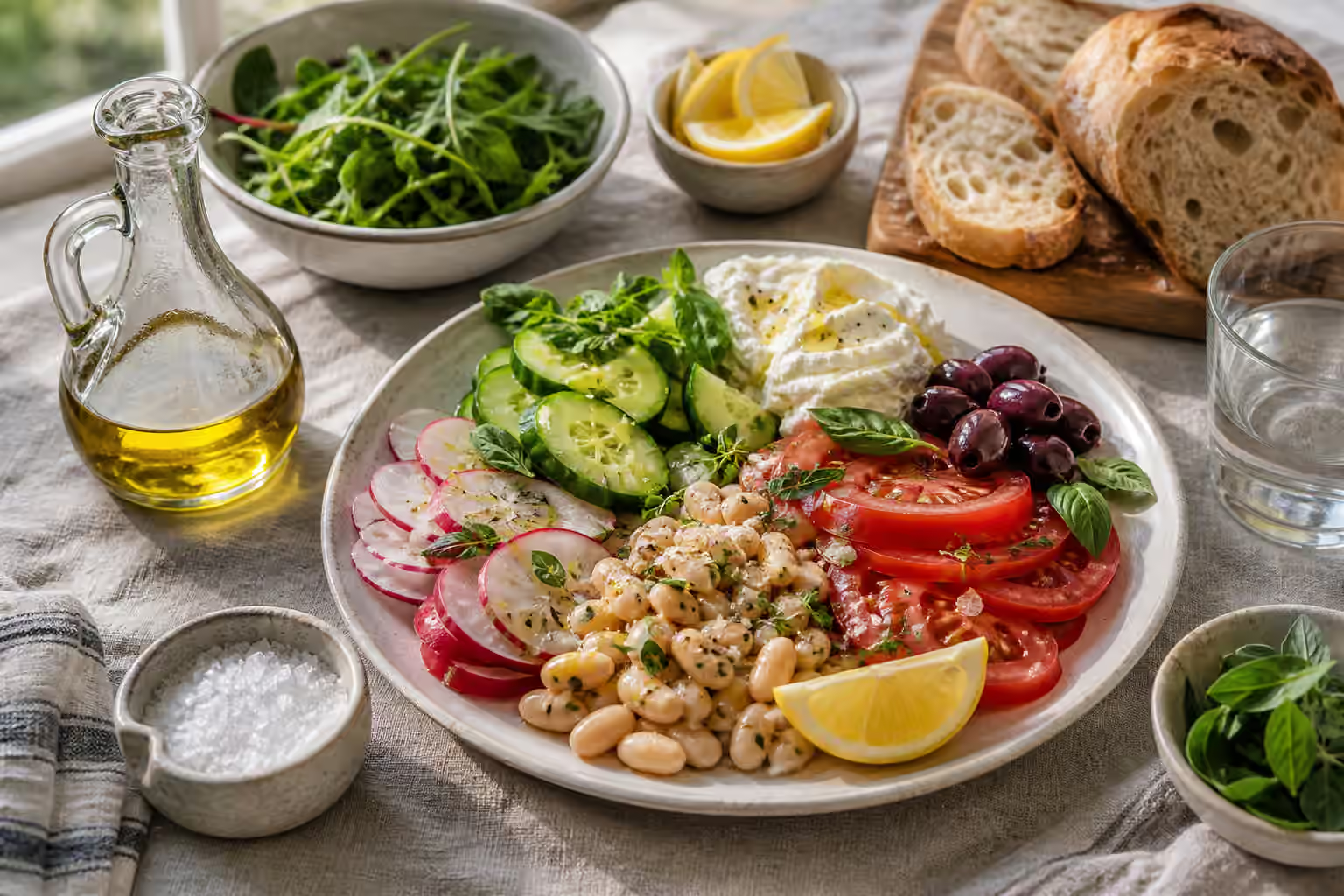
Salted cooking liquid is one of the quiet differences between food that tastes seasoned and food that tastes decorated. Finishing salt has drama. A brittle flake on eggs, tomatoes, chocolate, or grilled vegetables gives a visible sparkle and a sharp little crackle. Cooking liquid works differently. It seasons from the inside while food absorbs water, softens, swells, or sets its structure.
Pasta water is a seasoning bath
Dry pasta is mostly waiting. It needs water to hydrate and heat to soften. If that water has no salt, the pasta absorbs blandness. Sauce can help, cheese can help, and finishing salt can help, but the noodle itself will still feel underseasoned. Salt in the water gives the pasta a baseline before it ever meets the pan.
This is why well-seasoned pasta does not need sauce to carry the entire meal. The sauce and noodle cooperate. The noodle tastes like food. The sauce tastes like itself. The final dish feels integrated rather than rescued.
The exact amount of salt depends on the water volume, pasta amount, sauce, and personal preference. The useful beginner principle is simpler: salt the water enough that it tastes noticeably seasoned before the pasta goes in. Not harsh, not seawater as a literal rule for every pot, but not shy. A tiny pinch in several quarts of water is mostly a ritual.
When to Salt explains the broader timing idea. Pasta water is early seasoning. Finishing salt at the table cannot do the same job because the window for internal seasoning has passed.
The water becomes an ingredient
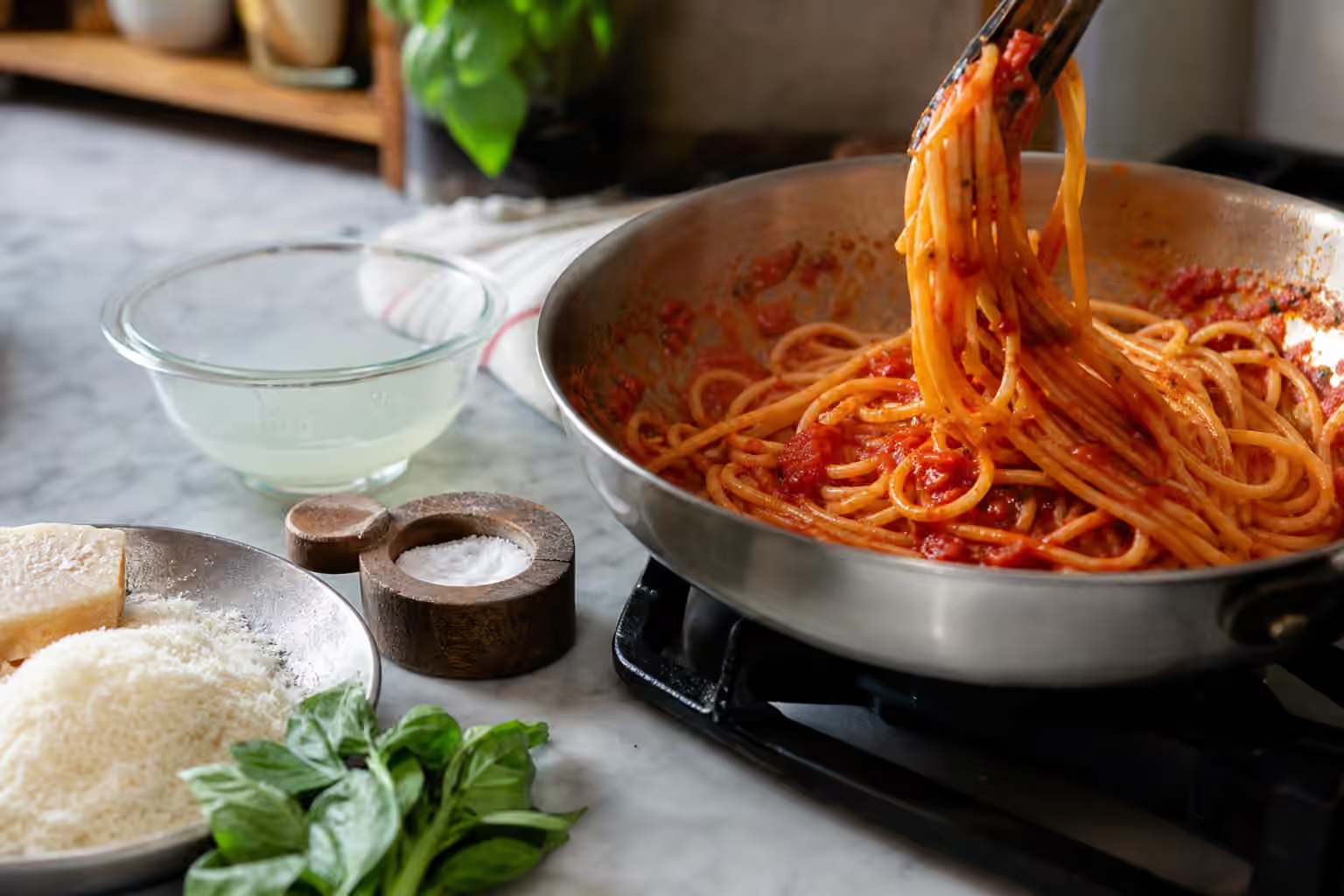
Pasta water is not only a bath. Once pasta cooks, the water holds starch. That starchy salted water can help a sauce loosen, cling, and emulsify. A splash in the pan can make oil, cheese, tomato, butter, or pan juices behave more like a sauce and less like separate things sliding around.
This is why the salt level matters twice. If the water is bland, adding it to the sauce dilutes flavor. If the water is wildly salty, it can push the final dish too far. A cook learns to treat pasta water as an ingredient with character. It carries starch, heat, and salt. It should be useful, not accidental.
Saving a little before draining is one of those habits that changes weeknight cooking quickly. The pasta finishes in the pan, the sauce tightens, and the dish becomes less dependent on heavy additions. Salt did not only season the noodle. It helped create the final texture.
Vegetables need their own logic
Blanching vegetables in salted water follows a related but not identical logic. Green beans, broccoli, asparagus, peas, and leafy greens often taste clearer when their cooking water is seasoned. The salt does not simply sit outside. It seasons as heat changes the vegetable’s texture and color.
The timing is short, so the effect is not the same as a long simmer. Still, a vegetable pulled from properly salted blanching water often needs less correction later. It tastes more like itself. If it is shocked in cold water afterward, the seasoning that entered during cooking matters even more because the finishing moment may be brief.
This is not a command to make every vegetable salty. It is a reminder that water can carry flavor into food or leave it plain. The cook decides which role the water should play.
Potatoes are honest teachers
Potatoes reveal bad salting quickly. Boil potatoes in unsalted water, then salt only the outside, and the result often tastes split: salty surface, dull center. Boil them in seasoned water, and the potato begins with flavor inside. Mashed potatoes, potato salad, smashed potatoes, and simple boiled potatoes all benefit from this early choice.
The size of the cut matters. Whole potatoes take longer and absorb differently from small pieces. A potato salad potato needs to be seasoned enough before dressing because cold food often tastes less vivid. Mashed potatoes can still be corrected with butter, dairy, and salt, but early seasoning makes that correction easier and more even.
This is the same idea that separates seasoning from sprinkling. Sprinkling can be beautiful. It cannot always travel inward after cooking is done.
Grains and beans ask for patience
Rice, farro, barley, lentils, and beans all raise their own questions. Some cooks salt beans early, others grew up hearing that salt toughens them. The modern practical view is more nuanced than the old warning. Salt can be part of cooking beans well, especially when used thoughtfully, but bean age, soaking, water chemistry, acidity, and cooking time all matter too.
For grains, salted cooking water helps avoid the familiar problem of a flavorful topping over a bland base. A grain bowl is only as good as the grain. Rice, quinoa, farro, or barley that tastes like nothing will demand more sauce than the meal really needs. Season the cooking liquid and the whole bowl becomes calmer.
Salt Quickstart teaches the idea of keeping a simple working salt for everyday cooking. This is where that salt earns its place. Save the delicate finishing salt for finishing. Use a practical cooking salt where it can dissolve, disappear, and do the deeper work.
Broth, soup, and reduction require restraint
Not every liquid should be salted aggressively at the beginning. Broths, stocks, braises, and soups can reduce as they cook. When water evaporates, salt stays. A broth that tastes perfect early may become too salty later if it reduces heavily. This is why cooks often season in stages for long-cooked liquids.
The principle is not contradiction. It is context. Pasta water will mostly be drained, with only some used in the sauce. Potato water will be discarded. A soup may become the dish itself. A braising liquid may concentrate into a sauce. The more the liquid remains or reduces, the more carefully you build salt over time.
This is where tasting becomes more important than rules. Taste early enough to guide the food. Taste later when concentration has changed. Salt is stable, but the water around it is not.
Salted water makes simple food feel intentional
The beauty of salted cooking liquids is that they do not require expensive ingredients. They require attention at a moment many people treat as empty. Water going into a pot feels like nothing has happened yet. In reality, the seasoning decision has already begun.
Once you notice it, you start tasting plain components differently. Pasta can stand up to sauce. Potatoes taste complete. Blanched vegetables need less fuss. Grains carry bowls instead of hiding under toppings. Beans taste less like filler. The meal becomes seasoned in layers rather than corrected at the end.
Finishing salts still have their place. Flake Salt and Fleur de Sel are useful precisely because texture at the end can be special. But finishing salt should not be asked to do every job. Sometimes salt should sparkle. Sometimes it should vanish into boiling water and leave only the impression that the food knew what it was doing from the start.