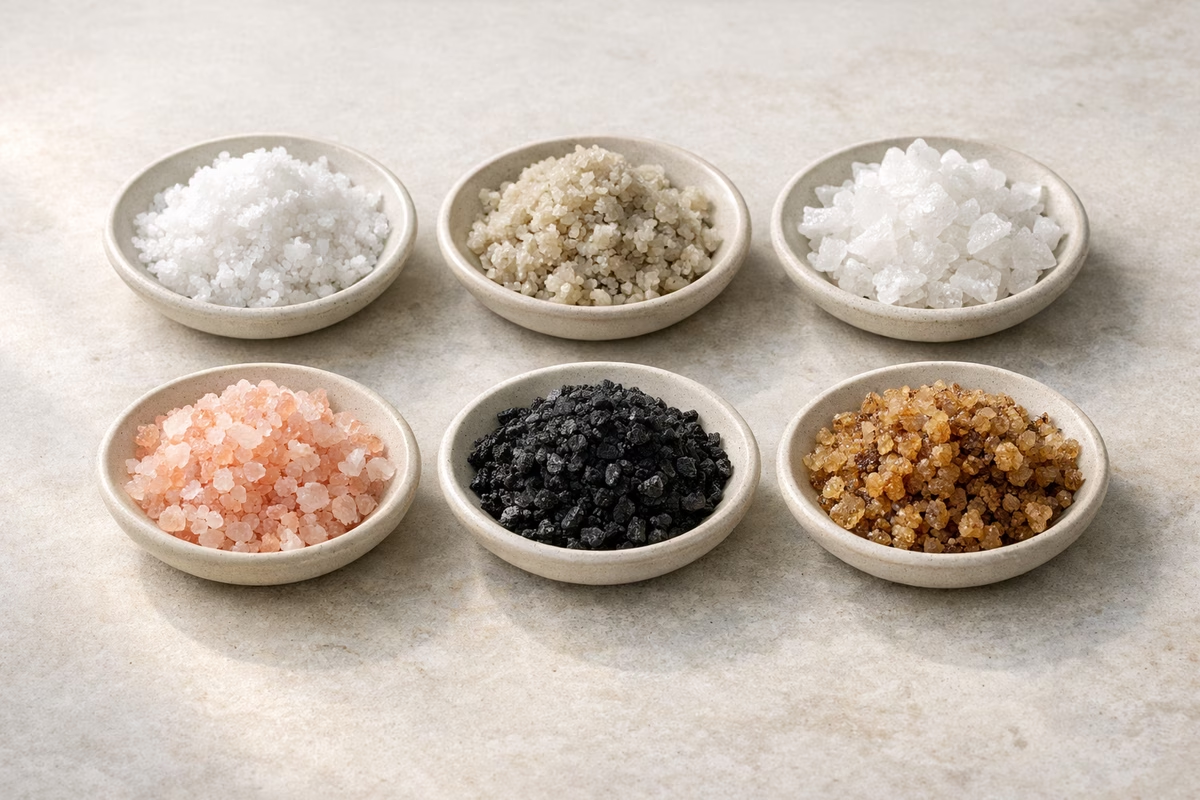
Mined salts are where salt culture gets especially theatrical.
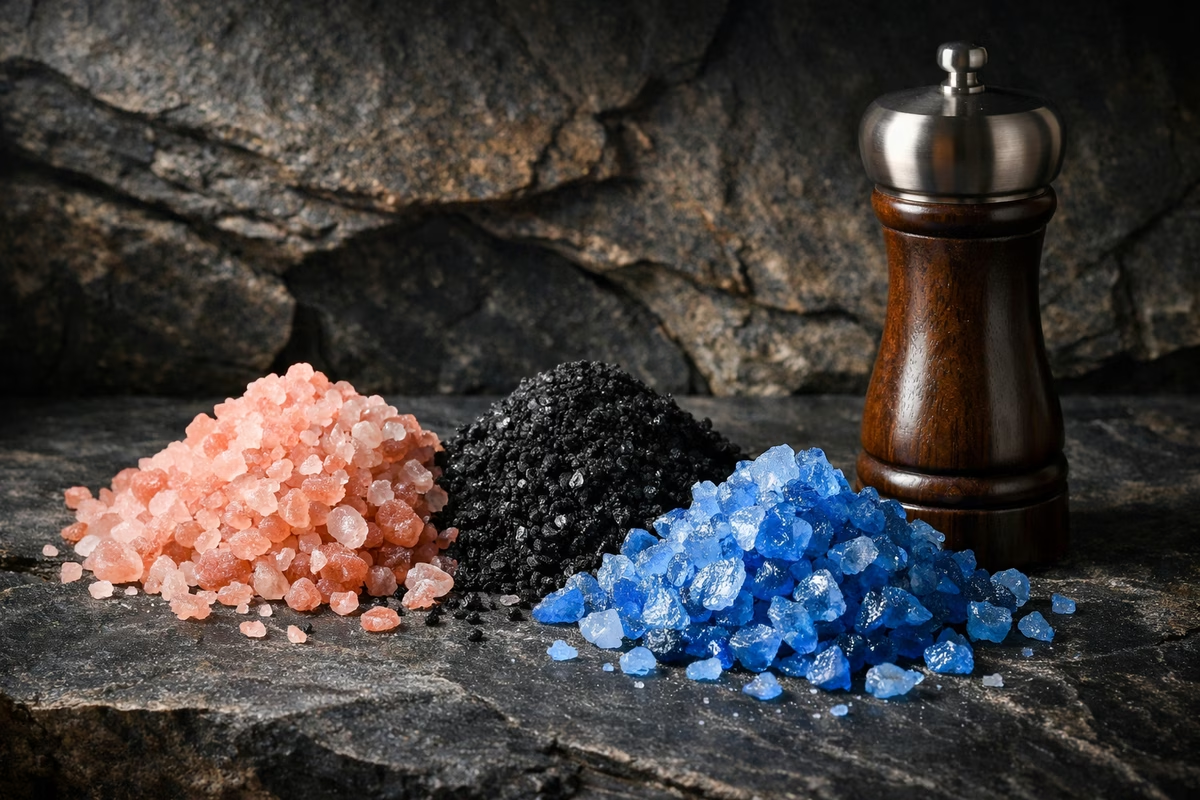
They come in blocks, pebbles, mill-sized chunks, rosy crystals, charcoal blacks, and improbable blues. Some are tied to very old underground deposits. Some are prized for visual identity more than flavor intensity. Some are absolutely useful. Some are mainly good at making you feel as though your pantry has become more worldly.
All of that can be true at once.
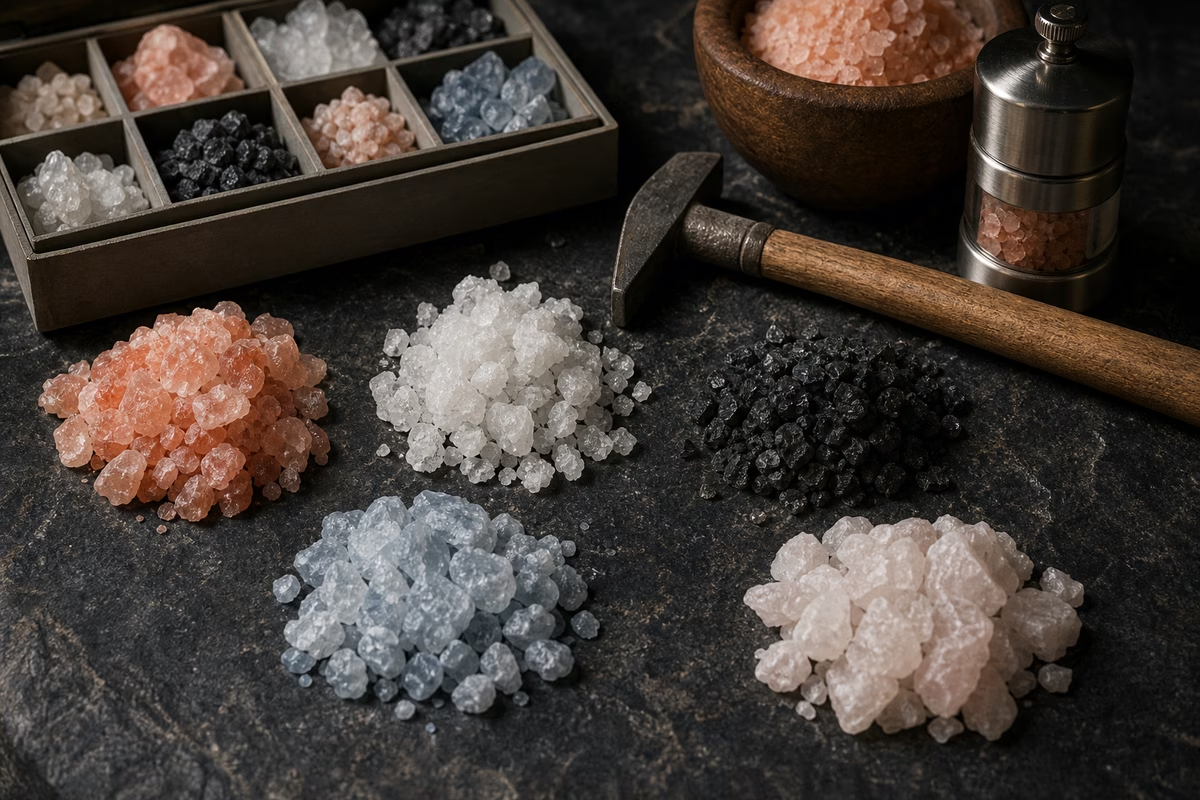
What makes mined salt different
Sea salts begin with seawater. Mined salts begin with ancient salt deposits left behind by evaporated seas or other geological formations. They are excavated rather than skimmed or raked from active ponds.
That difference often produces salts that are:
- drier
- denser
- harder
- better suited to grinders or large crystals
Some mined salts also carry trace minerals that contribute color or subtle flavor differences. The effect is real, but usually smaller than the marketing language suggests.
That last point is worth holding onto because mined salts are especially vulnerable to fantasy. Their age, color, and crystal heft make them easy to mythologize. Some of that mystique is earned. Ancient deposits are genuinely fascinating. But fascination is not the same thing as radical culinary difference.
Pink salts
Pink salts are popular for obvious reasons: they look beautiful, read as natural, and carry an appealing sense of geological age.
In practice, pink salts are usually useful because they are:
- easy to grind
- visually distinctive
- clean-tasting
- versatile at the table
They are excellent if you want a salt mill that looks a little more intentional than standard white crystals. They are less compelling if you are expecting a radical flavor transformation.
Pink salts often succeed because they are dependable. They pour well in mills, feel good in the hand, and look attractive on the table without demanding too much explanation. That is a real strength. Not every useful ingredient needs to deliver drama.
Black salts
“Black salt” can mean different things depending on tradition.
Some black salts are visually black because of charcoal, lava associations, or other additions. These are often chosen for contrast on pale food, where their dramatic appearance becomes part of the point.
Other black salts, especially in South Asian contexts, are known less for color than for their sulfurous, savory aroma. That style can be extremely useful in chaats, fruit seasoning, raitas, and vegan cooking where an eggy note is welcome.
This is a good reminder that salt names are not always chemically neat categories. Culture matters.
It also means you should shop carefully. Buying “black salt” without knowing which black salt you mean is a good way to end up with a flavor or texture you did not expect. Sometimes the right purchase starts with asking better questions, not with admiring a darker crystal.
Red salts
Red salts often owe their color to clay or iron-rich material. Their appeal is partly visual, partly regional, and partly textural. On grilled meats, roasted vegetables, or fish, that earthy association can be satisfying even when the flavor effect remains subtle.
If you are attracted to a red salt, that is perfectly reasonable. Just be honest with yourself about whether you are buying flavor, appearance, or story. Any of those can be a valid reason.
What matters is whether the reason survives contact with actual cooking. If the color gives pleasure and makes you use the salt more often, that can justify it. If the story never translates into a meaningful kitchen habit, then it was an entertaining purchase rather than an essential one.
Blue salts
Blue salt is the kind of ingredient people love to gift. It looks improbable, which is half the attraction.
The flavor difference is usually gentle; the fascination comes more from the crystal appearance, density, and rarity. Use it when you want a table salt that starts conversations or a finishing detail that feels a little ceremonial.
Blue salts are a good example of why rarity should be treated as information, not proof of superiority. Unusual appearance can make an ingredient memorable, and memorability has its own kind of value. But rarity does not exempt the salt from the basic question every pantry item faces: do you like using it enough to keep reaching back for it?
Salt blocks and large crystal salts
Some mined salts are sold not merely as seasoning but as cooking or serving surfaces. Salt blocks can be heated, chilled, or used as presentation pieces.
These are interesting tools, but they are niche tools. They can be fun for serving chilled seafood, lightly curing slices, or putting a theatrical edge on service. They are not efficient substitutes for understanding ordinary seasoning.
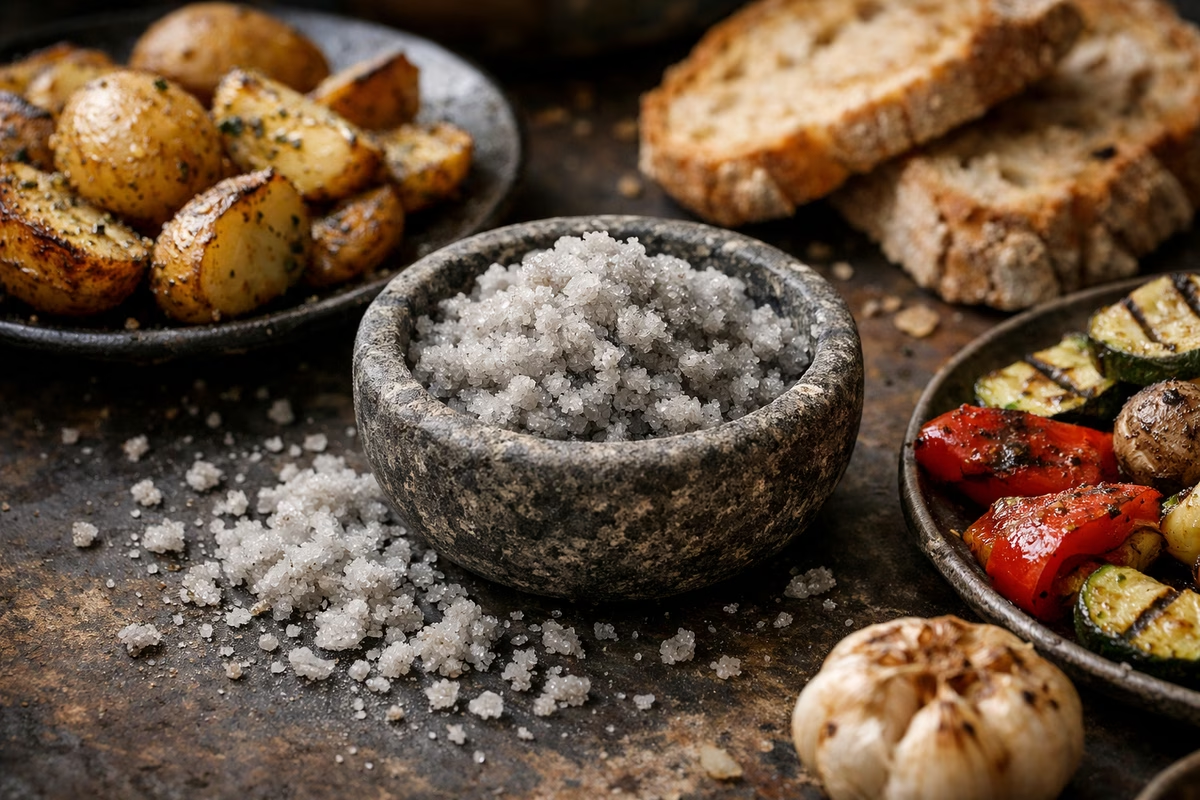
In other words: enjoy the block if you enjoy the block. Just do not let it distract you from learning how to salt a potato properly.
The same principle applies to oversized crystal salts sold for grating or tableside ritual. They can be satisfying objects. They can even slow you down in a useful way. But they should deepen your seasoning practice, not replace it with performance.
The nutritional halo problem
Mined salts are often sold with an aura of wellness. The truth is less glamorous.
Yes, many contain trace minerals.
No, those trace minerals do not generally turn salt into a health food.
If you choose a mined salt, choose it for:
- texture
- grindability
- appearance
- regional tradition
- pleasure
That is enough.
This is liberating once you accept it. You no longer need to justify mined salt as medicine in order to enjoy it. Texture, grindability, beauty, and pleasure are perfectly legitimate reasons to keep a dense crystal salt around.
Best kitchen uses
Mined salts are especially good for:
- grinders
- table finishing
- curing surfaces
- roasting or crusting projects
- visible finishing on simple foods
They are less compelling when you need delicacy. For that, Fleur de Sel or Flake Salt usually gives a more expressive result.
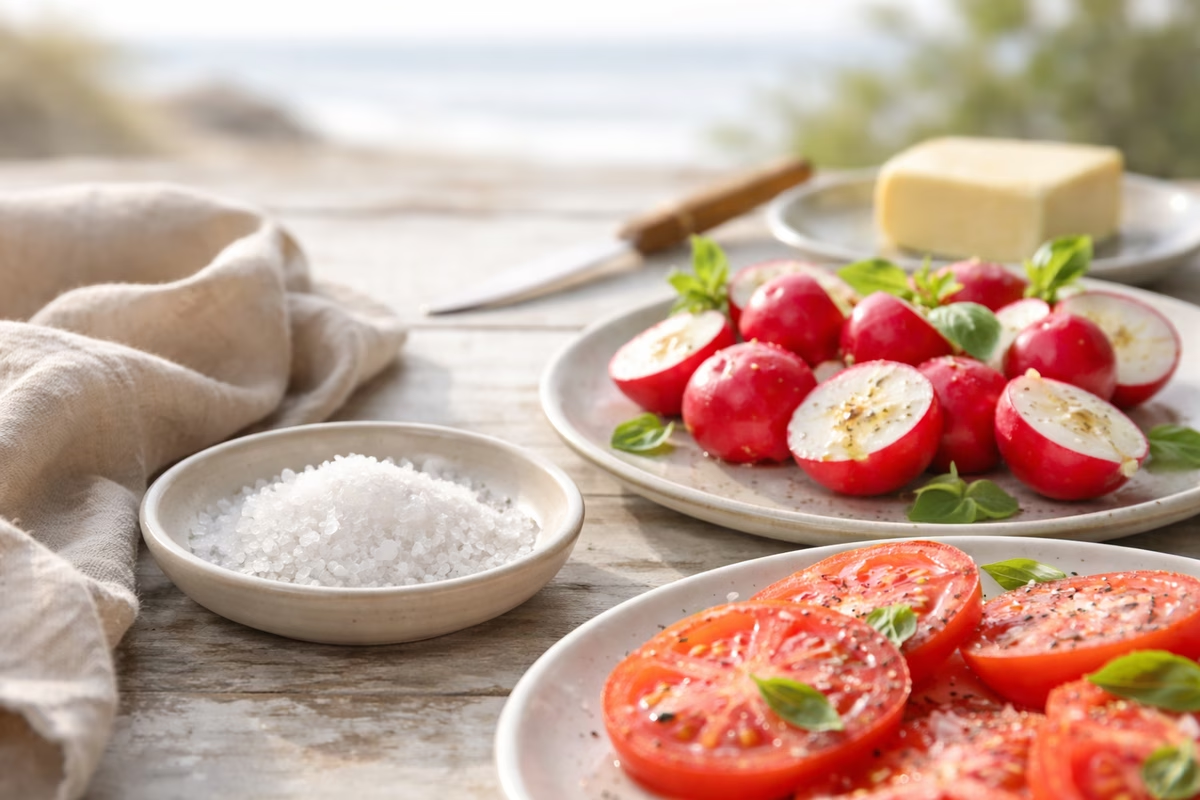
They are also especially good when the table ritual matters. A mill brought to the counter, a visible pinch on grilled meat, a dense crystal scattered over sliced tomatoes or buttered radishes: these gestures suit mined salts well because the crystals feel substantial and intentional. They add presence more than nuance.
How to shop intelligently
Buy one dense, attractive crystal salt if you enjoy using a mill or finishing food tableside. Do not buy six versions expecting six dramatically different lives.
The best question is:
Will I enjoy touching and using this salt repeatedly?
That matters more than the copy on the jar.
The second-best question is whether you already own a salt that covers the same ground. A pink salt in a mill and a second pink salt in a different jar are not necessarily different tools. Distinct use matters more than distinct appearance. Once you understand that, mined salts become easier to appreciate and much harder to overbuy.
Next steps
- Read Artisanal Salt Types for the broader map
- Read Smoked and Seasoned Salts for transformed salts with stronger directional flavor
- Read Buying Artisanal Salt before collecting too many beautiful rocks