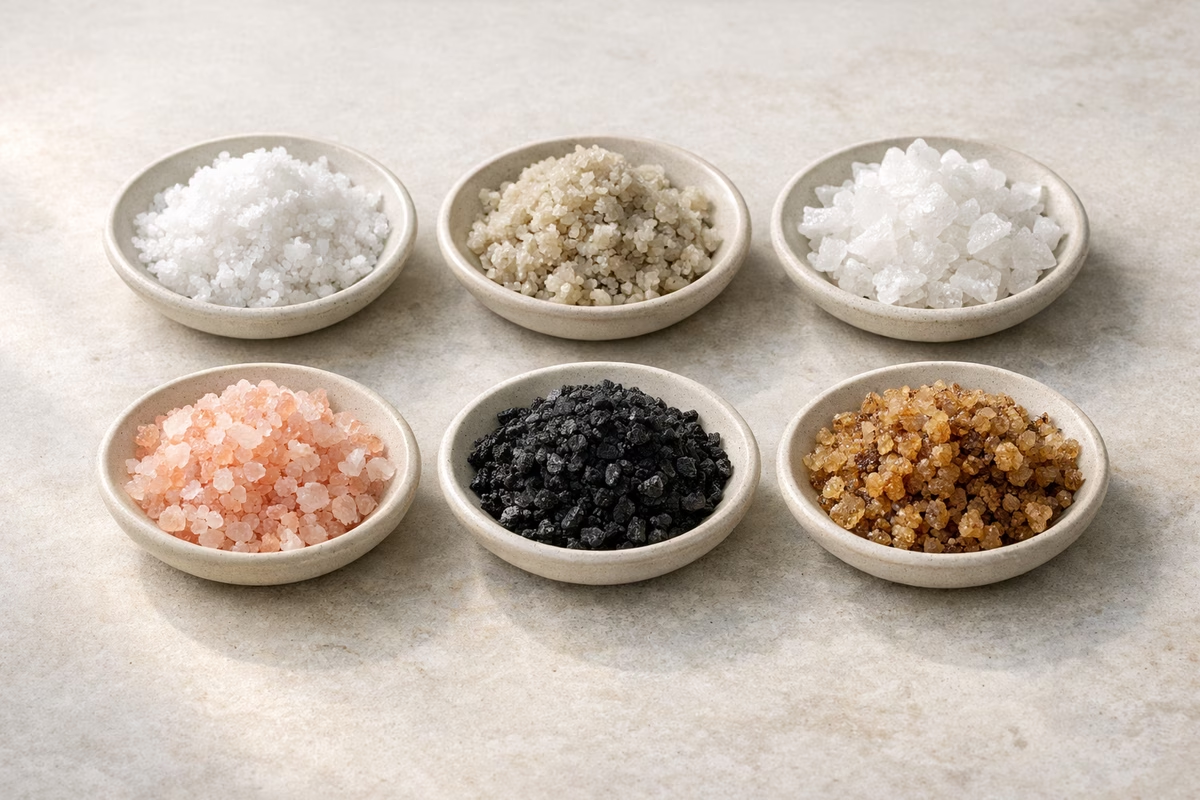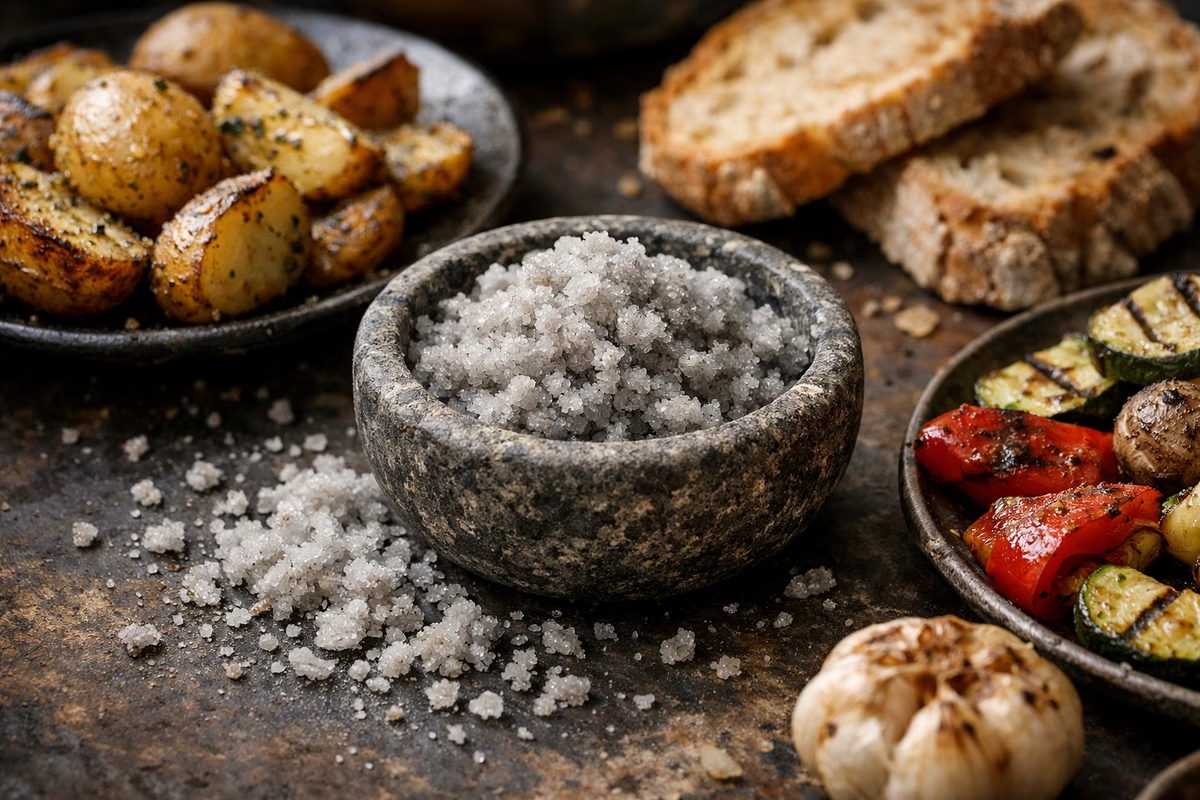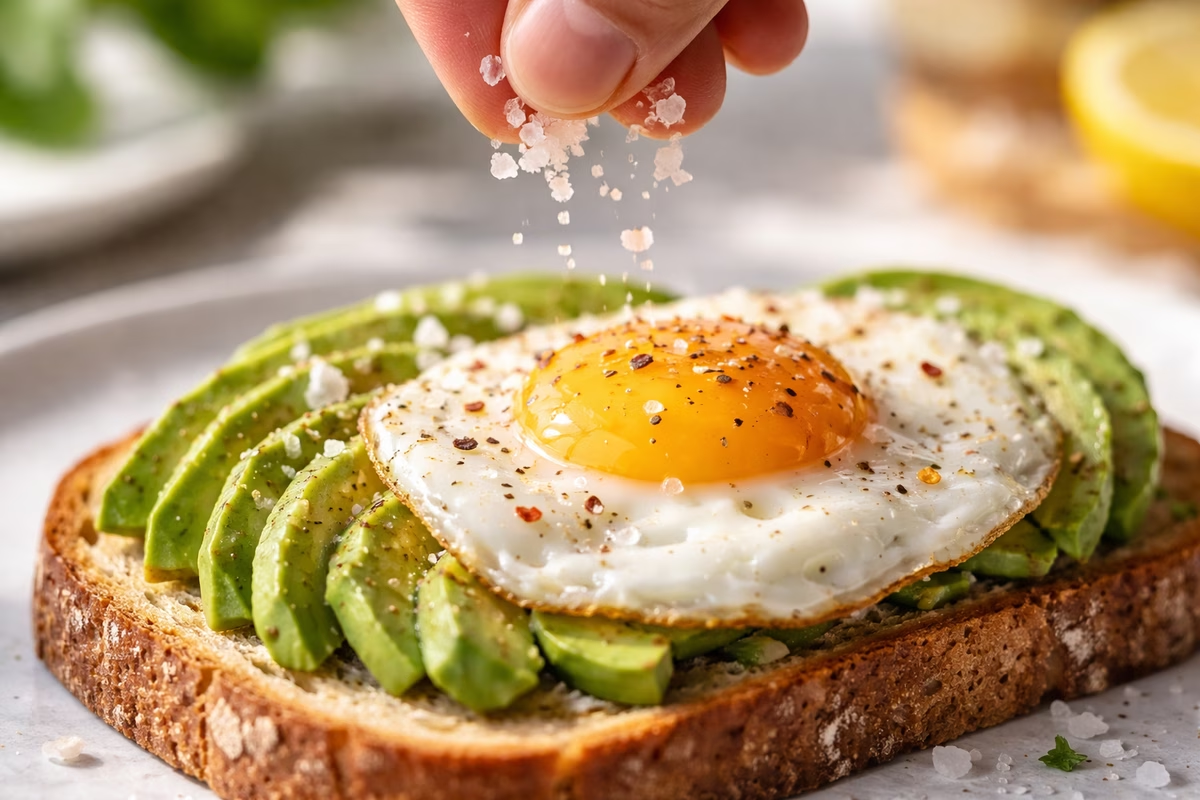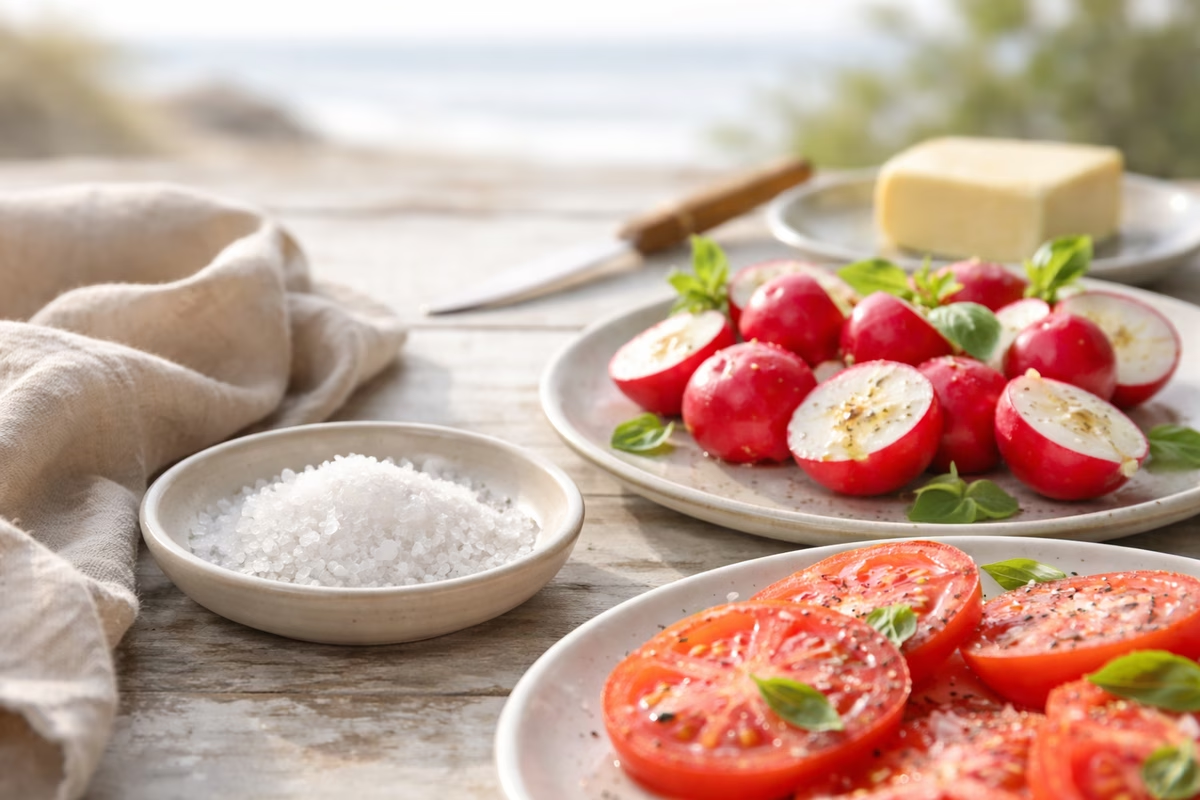
Fleur de sel has a reputation problem. It is famous enough to attract both genuine affection and a lot of decorative nonsense.
The affection is justified. The nonsense is easy to avoid.
At its best, fleur de sel is not “better salt” in some universal sense. It is a very particular kind of salt: lightly structured, delicate, surface-harvested, and especially good when you want the salt to feel like a final gesture rather than a background ingredient.
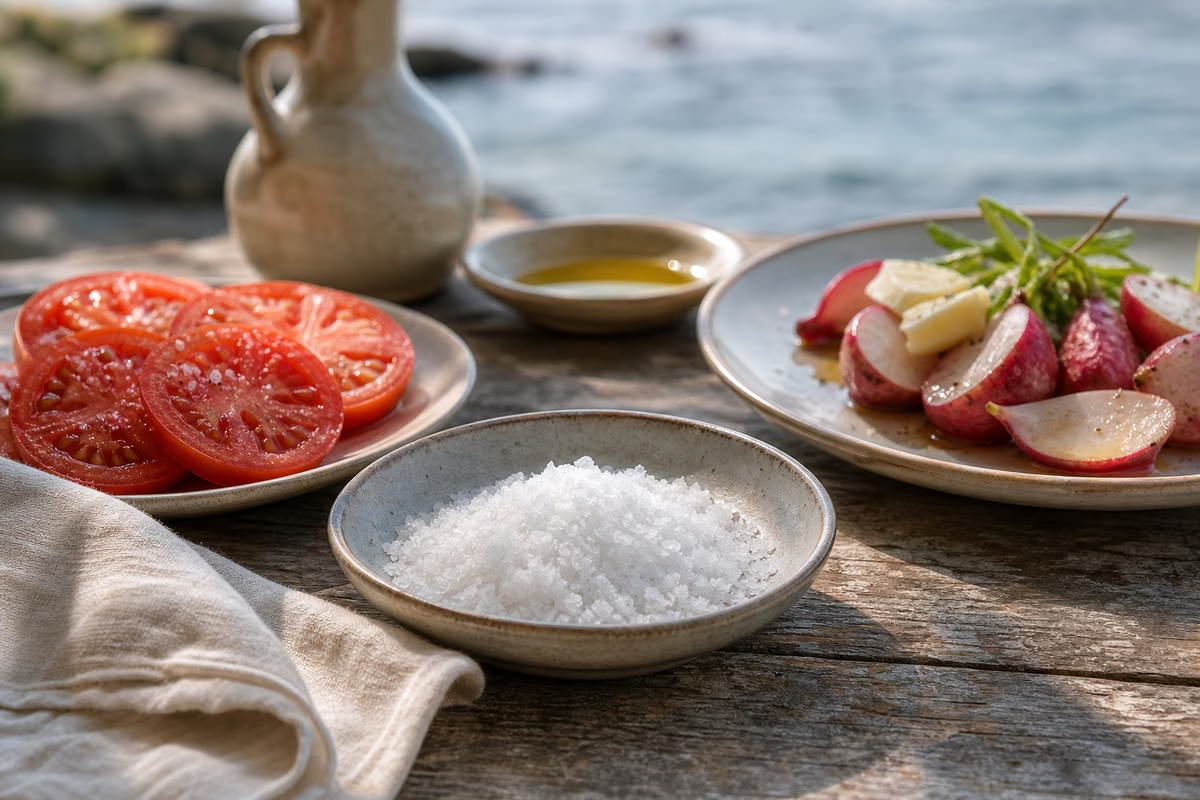
What fleur de sel actually is
The name means “flower of salt,” which sounds poetic because it is poetic. But the important part is physical, not literary.
Fleur de sel forms at the surface of evaporating salt ponds under the right combination of sun, wind, and calm conditions. It is skimmed by hand or with careful tools before it sinks, breaks, or blends into the coarser salt below.
That means it is:
- weather dependent
- relatively low-yield
- physically fragile
- expensive for a real reason
It is not just sea salt with better branding. It is a distinct harvest.
Why it feels different
People often say fleur de sel tastes “softer.” That can sound mystical, but there is a straightforward explanation.
The crystals are usually irregular, light, and fragile. They dissolve quickly on the tongue, yet not instantly. So you get a brief, delicate crunch followed by a bloom of salinity that feels more airy than heavy. Many examples also carry a faint marine character or subtle mineral complexity.
This is why it performs so well on simple food. There is enough structure to notice, but not so much density that it feels like little rocks.
Where fleur de sel shines
Use it when the food is plain enough to let the salt remain visible:
- sliced tomatoes
- cucumbers with olive oil
- grilled fish
- buttered radishes
- poached eggs
- caramel
- shortbread
- chocolate desserts
The salt should read as a last brushstroke. If the dish is loud, saucy, or heavily seasoned already, the difference becomes much harder to perceive.
Where fleur de sel is wasted
Here is the easy rule: if the salt melts fully into a long cooking process, save the fleur de sel for something else.
Not ideal uses:
- pasta water
- soup stock
- stew
- bread dough
- heavy brines
You are paying for delicacy, texture, and selective harvesting. Those qualities disappear in the pot.
Why chefs love it
Because it does two jobs elegantly.
First, it seasons the surface quickly. Second, it creates a visible and tactile finish without the aggressive crunch of a harder crystal. On good bread, grilled vegetables, or dessert, that is exactly the effect you want.
It is also easy to apply by hand with precision. You can see where it lands and control the density of the finish.
What to look for when buying
A good fleur de sel should feel:
- dry enough to pinch cleanly
- delicate rather than dusty
- fragrant only in the faintest marine sense
- free of stale pantry odors
You are not looking for giant architectural crystals or perfectly uniform geometry. A little irregularity is part of the charm. What you want is grace, not drama.
The common misunderstanding
Some people buy fleur de sel expecting a giant flavor revelation. That is the wrong frame.
Fleur de sel is not about explosive difference. It is about refinement of experience. The effect is small, tactile, and immediate. Once you notice it, you understand why it matters. Until then, it can seem overpriced.
Both reactions are understandable.
A good way to learn it
Taste fleur de sel against a flake salt on three foods:
- a tomato slice
- a warm boiled potato with butter
- a square of dark chocolate
If you want to test the category without overcommitting, start with a small fleur de sel rather than a large luxury jar.
Notice that the flake salt tends to feel brighter and more brittle, while the fleur de sel usually feels more delicate and integrated. Neither is automatically better. They are just different tools.
The honest verdict
If you like finishing food with your fingers and you love simple ingredients, fleur de sel earns its place.
If you mainly need salt for everyday cooking, it does not.
That is not a criticism. It is what makes the salt useful. Fleur de sel is not trying to be your only salt. It is trying to be your elegant one.
Next steps
- Read Flake Salt for the crisp, brittle cousin
- Read Sel Gris and Wet Salts for a more grounded sea-salt style
- Read Salt Tasting to train your palate on the differences
Season with attention
Salt is simple until it touches food. For Fleur de Sel: Why This Delicate Salt Became the Finishing-Salt Icon, the useful lesson is that crystal size, timing, moisture, texture, and the food itself all change the result. A pinch can season, preserve, draw out water, sharpen sweetness, or finish a dish with crunch.
Start by tasting in context. A salt that feels strong on the tongue may dissolve gently in soup. A delicate flake may shine on tomatoes and disappear in pasta water. Fine salt measures differently from coarse crystals. The hand learns by comparison.
Then pay attention to timing. Early salting can season deeply or pull moisture. Late salting can add texture and brightness. Brines, rubs, ferments, baked goods, and finishing salts each ask for a different kind of control.
Keep notes for repeatable dishes. Weight helps when precision matters, while a tasting habit helps when ingredients vary. Both can belong in the same kitchen.
A jar of fleur de sel should make seasoning feel more deliberate and less mysterious. Good salt use is not about using more. It is about putting the right salt in the right moment.
What to notice after you use this guide
After finishing this guide, choose one next action that can be observed. A guide becomes more valuable when it changes a real choice, not only when it adds more facts.
Name the context. Where are you, what are you trying to improve, and what would count as a good result? The answer keeps the advice grounded in daily life.
Change one variable first. A small controlled change teaches more than a dramatic reset because you can tell what mattered.
Keep one note. Write the date, the choice, the outcome, and the thing you would repeat. The note can be plain and still useful.
Look for tradeoffs. Better salt decisions often involve cost, time, maintenance, comfort, fit, risk, or skill. Seeing the tradeoff makes the decision calmer.
If the result is unclear, wait before adding another fix. Some lessons need a second use, a different day, or a quieter comparison.
If the stakes are high, use qualified sources and professional guidance where appropriate. A guide can organize the question, but it should not pretend to replace expertise.
The goal is practical confidence. Fleur de Sel: Why This Delicate Salt Became the Finishing-Salt Icon should make the next step easier to choose and easier to repeat.