Every cook eventually hears the dish answer back with too much salt. It may happen quickly, after a spoon slips over a soup pot. It may happen slowly, as a stew reduces and grows stronger. It may hide until the table, when cheese, olives, cured meat, salted butter, or a salty sauce joins food that already had enough seasoning. However it arrives, over-salting feels final because salt dissolves and disappears. You cannot pick it back out grain by grain.
The good news is that a salty dish is not always ruined. The bad news is that most rescues work only when they respect what salt has already done. A potato dropped into soup is not a magic eraser. A splash of water can help or make the food thin. Sugar can soften an impression but also create a stranger problem. The useful question is not how to remove salt. It is how to change the bite so salt no longer dominates.
This guide belongs after When to Salt and Measuring Salt because prevention is easier than repair. It also belongs beside Salt, Acid, and Fat because many salty dishes need balance as much as dilution. A dish that tastes harshly salty is asking for diagnosis before action.
First Decide What Kind Of Salty It Is
Not every salty problem feels the same. A broth can be uniformly too salty, with every spoonful pushing hard at once. A roasted vegetable can have salty edges and a bland center. Fried food can taste aggressively salted on the surface while the interior is fine. A sauce can seem balanced alone but too salty when poured over already seasoned food. These are different problems, and they reward different fixes.
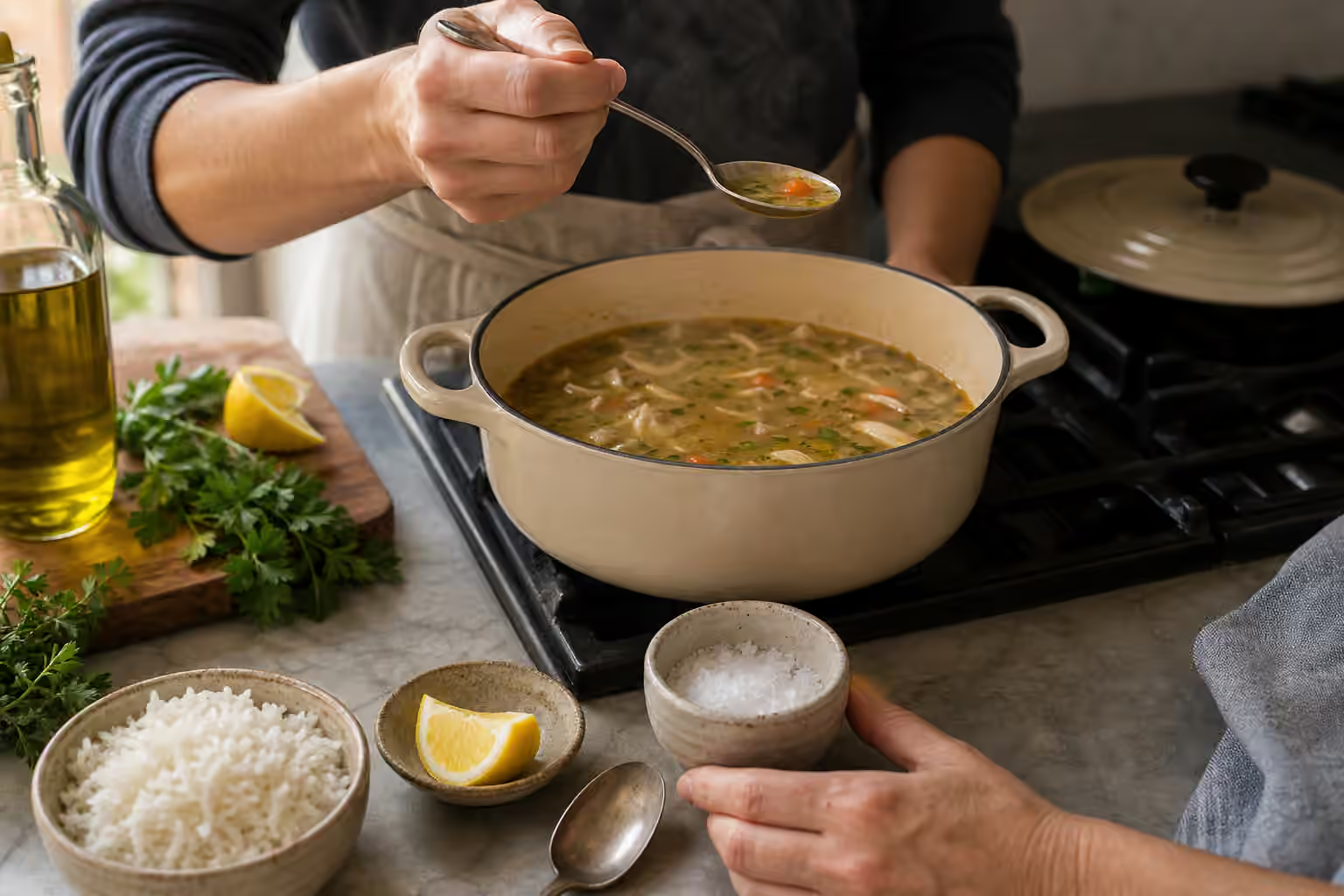
Taste the food in the way it will be eaten. Soup should be tasted with its solids, not only the liquid. Pasta sauce should be tasted with pasta. A salty stew should be tasted with the beans, potatoes, meat, or grains that make up the bowl. A dressing should be tasted on the leaves or vegetables it will coat. This habit matters because salt lives in context. A spoonful of sauce may be too strong by itself and just right on plain rice. A broth may seem balanced alone and become overwhelming with salty sausage.
Temperature also changes the answer. Very hot food can hide salt at first, then taste sharper as it cools. A sauce reduced on the stove may feel acceptable while steaming and stronger on the plate. Let a small spoonful cool for a moment before deciding that the pot needs rescue. Panic is a poor seasoning tool.
Dilution Works When The Food Can Accept More Volume
The most direct repair is dilution. If the salt is dissolved evenly through a liquid food, adding unsalted volume lowers the concentration. Unsalted stock, water, crushed tomatoes, cooked beans, plain vegetables, unsalted broth, milk, cream, or coconut milk can all work, depending on the dish. The repair succeeds when the added ingredient belongs in the food and does not flatten the whole pot.
Soup and stew are the easiest places to use this principle. If a bean soup is too salty, more cooked unsalted beans and unsalted liquid can bring it back into proportion. If a vegetable soup is too salty, extra unsalted vegetables may help, especially if they have time to simmer and join the broth. If a pan sauce is too salty, more unsalted liquid may lower the salt, but it may also weaken the body. In that case the sauce may need reduction after dilution, or a small amount of unsalted fat to rebuild texture.
Water is useful, but it is blunt. It reduces salt and everything else at the same time. A pot that was salty but flavorful can become less salty and less flavorful. That may still be the right first move, especially if the dish is truly too strong, but taste again after the food has settled. You may need herbs, acid, fat, unsalted aromatics, or more cooking time to restore shape.
Dilution is less useful for dry foods. A steak that was heavily salted before cooking cannot be diluted. A roasted potato with a salty surface cannot be fixed by adding water without changing the dish entirely. For dry foods, the better repair often comes from pairing.
Pair Salty Food With Unsalted Food
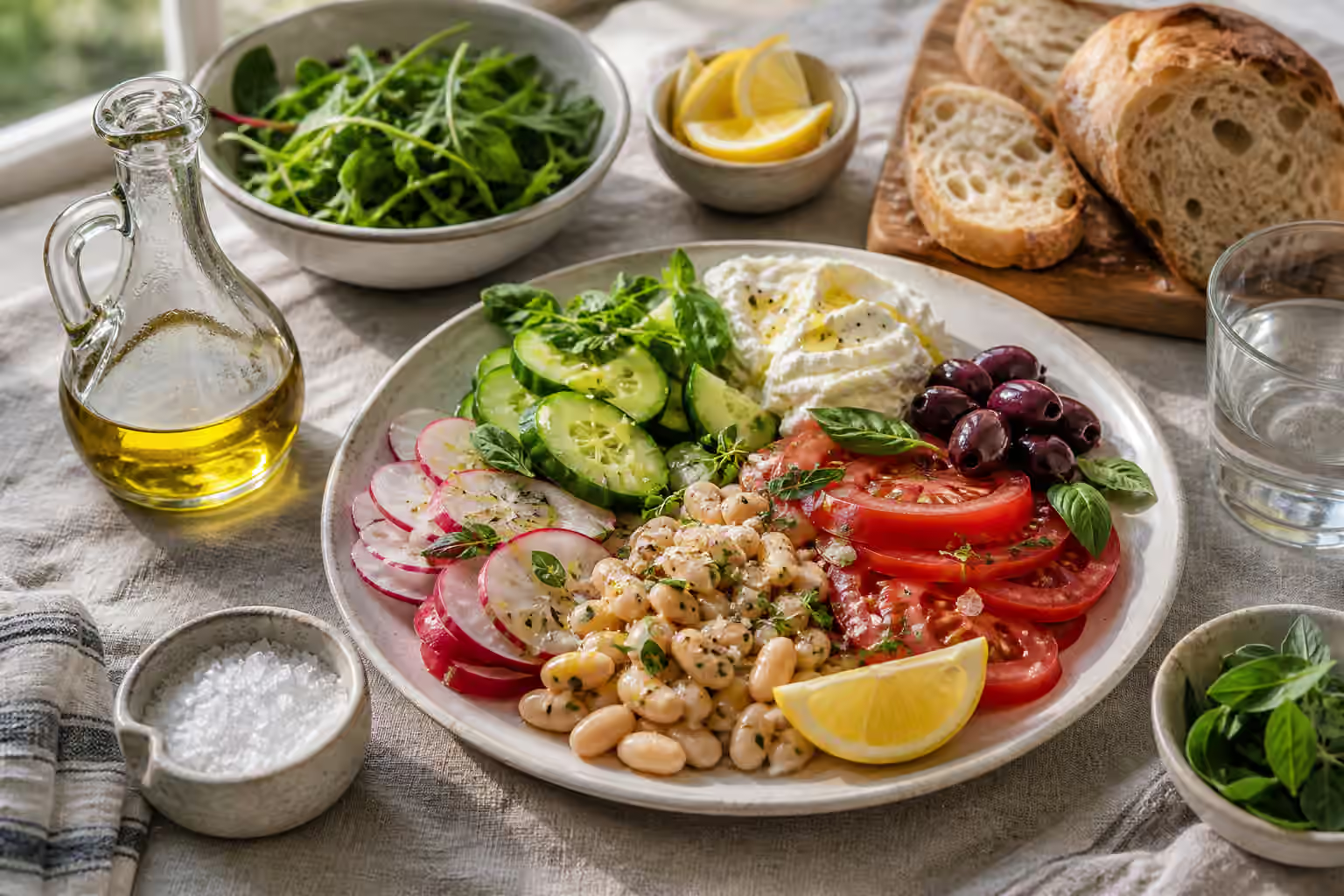
When the salty element cannot be changed easily, change the plate around it. This is not a lesser repair. It is one of the oldest ways cooks manage intensity. Salty cured fish belongs with potatoes, bread, butter, eggs, herbs, or mild dairy. Salty cheese makes sense with bland pasta, beans, greens, fruit, or bread. A salty stew may be better over plain rice than served alone. A salty roast can be sliced thinner and served with unsalted vegetables.
Pairing works because the mouth averages the bite. A spoonful of salty sauce over plain grains tastes different from the same sauce alone. Salty vegetables folded into unsalted eggs become a filling. Oversalted meat chopped into a hash with potatoes may be more pleasant than thick slices on a plate. A salty dip can be spread more thinly and served with unsalted cucumbers or bread instead of salted crackers.
This is also why Pasta Water and Salted Cooking Liquids matters. If the base food is already salted, the sauce has less room to be intense. If the pasta, rice, potatoes, or beans are plain, they can absorb and soften a salty companion. Sometimes the rescue is not to change the salty part at all, but to stop serving it as if it were the whole dish.
Acid And Fat Can Change The Impression
Acid does not remove salt, but it can change how salt is perceived. Lemon juice, vinegar, tomatoes, yogurt, sour cream, pickled vegetables, wine, and citrus zest can make a dish feel brighter and less heavy. This is most useful when the dish is salty and dull rather than truly briny. A lentil soup that tastes salty but muddy may need a small amount of vinegar. A rich stew may need lemon. A salty fried food may need a squeeze of citrus or a sharp sauce served in restraint.
Fat can also soften sharpness. Butter, olive oil, cream, yogurt, coconut milk, tahini, nuts, or avocado can make salt feel less bare by giving it a richer surface to land on. This does not mean fat is a universal fix. Add cream to a soup that is already too salty and you may create a creamy salty soup. Add butter to a pan sauce and it may become rounder, but only if the salt was close to balance. Fat is best when the food tastes angular, sharp, or thin, not when every bite is plainly over the line.
The danger is trying to hide salt with sugar. Sweetness can round some salty edges, especially in tomato sauces, glazes, dressings, and braises that already have a sweet element. But sugar does not make salt disappear. It can produce a dish that tastes both salty and oddly sweet. Use sweetness only when it fits the food’s direction, and only after tasting for acid and fat first.
Starch Helps By Giving Salt Somewhere To Go
The famous potato trick has a kernel of truth and a lot of mythology. A chunk of potato simmered in salty soup may absorb some salty liquid because it absorbs liquid. It does not selectively pull salt while leaving everything else behind. When you remove the potato, you remove a little broth along with it. That can help slightly, but it is rarely the dramatic cure people hope for.
Starch becomes more useful when it stays in the dish. Rice, noodles, potatoes, beans, lentils, bread, dumplings, tortillas, and grains can all make a salty preparation more edible by increasing the amount of unsalted or mildly salted food in each bite. A salty chili can be stretched with beans. A salty broth can become a noodle soup with more noodles and unsalted greens. A salty tomato sauce can become a baked dish with pasta, ricotta, and vegetables. The starch is not stealing salt. It is changing proportion.
This distinction matters because it keeps the cook from waiting for a miracle. If you have a salty soup, adding diced potatoes and serving them in the soup may help more than simmering one potato and throwing it away. If you have a salty filling, wrapping it in unsalted dough or serving it with plain rice may be the more honest repair.
Reduction Can Undo A Repair
Liquid food changes as it cooks. If a soup is slightly salty and you keep simmering it uncovered, it will usually become saltier because water leaves and salt remains. That is why Salting Soups, Stews, and Broths emphasizes staged tasting. A repair that tastes right at noon may be too strong after another hour of reduction.
If the dish is already salty, stop unnecessary evaporation. Cover the pot, lower the heat, or finish cooking gently. If the food needs more time to become tender, add unsalted liquid before the simmer continues. If the sauce needs to thicken after dilution, consider thickening through texture rather than long reduction: blended vegetables, mashed beans, a starch slurry suited to the dish, or emulsified fat may preserve balance better than boiling away water.
Reduction is especially important with commercial broth, cured meat, soy sauce, miso, fish sauce, olives, capers, aged cheese, and salted spice blends. These ingredients can be excellent, but they narrow the margin for later concentration. The cook has to count them as salt already in the room.
Surface Salt Can Sometimes Be Removed
If salt has not dissolved yet, you may have a simpler repair. A roast, fried food, salad, or sliced tomato that was heavily finished with coarse salt may allow some brushing, shaking, rinsing, or blotting. The right move depends on the food. Crisp fried food should not be rinsed, but loose crystals can sometimes be shaken away. A salted cucumber salad can be drained and redressed. A piece of fish with a salty surface may be gently wiped before cooking if the mistake is caught early.
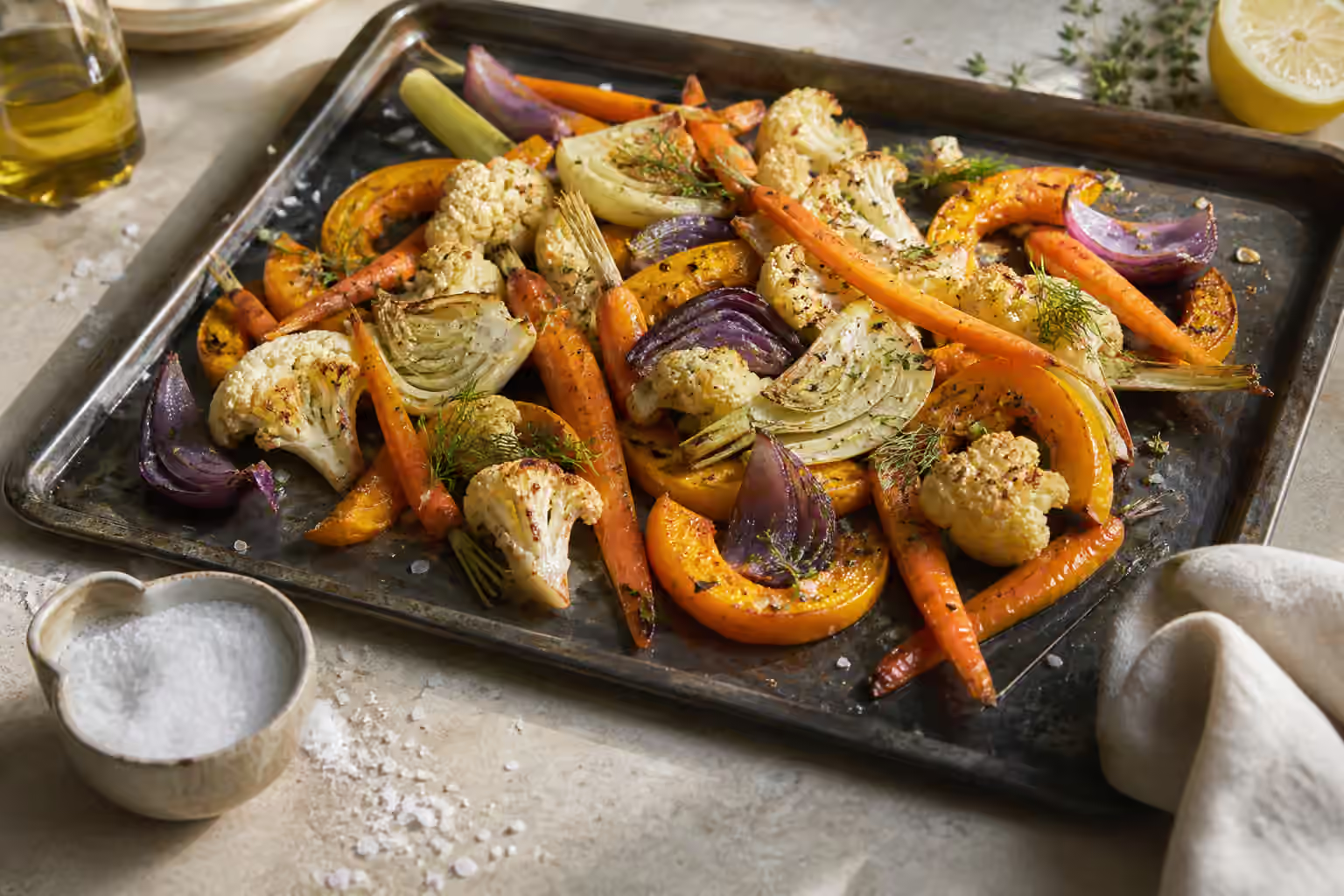
Once salt dissolves into moisture, it becomes harder to separate. This is why finishing salt should be used with attention. A few flakes on eggs, tomatoes, chocolate, or roasted vegetables can be beautiful. A heavy shower can move from texture to assault quickly. Flake Salt is most effective when it lands as punctuation, not as a blanket.
Surface mistakes teach a useful lesson about hand feel. A pinch from one salt cellar may not equal a pinch from another. Large airy flakes, damp sel gris, fine table salt, and coarse kosher-style crystals have different densities and different ways of leaving the fingers. Measuring by habit alone can betray you when the salt changes.
Prevention Is Quieter Than Rescue
The best way to fix over-salted food is to leave room for the future. Salt early when food needs time to season through, but do not push a long-cooking pot to final intensity before it reduces. Taste salty ingredients before adding them. Remember that cheese, cured meats, pickles, olives, capers, broth, butter, condiments, spice blends, and canned goods may already be doing part of the work. Use a small bowl or spoon to test an adjustment before changing the whole pot.
When switching salts, slow down. A teaspoon of one salt may not taste like a teaspoon of another because crystal size changes how much salt fits in the spoon. A familiar pinch can become too much if the crystals are finer or denser. The guide to Table Salt, Kosher Salt, and Sea Salt explains why names are less reliable than behavior. The practical habit is simple: add less at first, taste, then add again.
Over-salting is frustrating because it feels like a loss of control. But the repair choices are grounded and ordinary. Dilute when the dish can grow. Pair salty food with plain food when it cannot. Use acid or fat when the problem is harshness or dullness rather than pure salinity. Add starch when proportion is the issue. Stop reduction from making the mistake louder. Remove surface crystals when they have not yet dissolved.
Most of all, keep tasting in context. Salt is never only a number. It is a relationship between the food, the form of the salt, the timing, the temperature, and the rest of the plate. When a dish goes too salty, the repair begins by listening closely enough to know which relationship needs changing.