Artisanal salt is sold with an unusual amount of atmosphere.
It comes in weighty jars, matte boxes, linen bags, and language that suggests moonlight, winds, and inherited wisdom. Sometimes that romance points to something real. Sometimes it is just expensive packaging around a pantry duplicate.
The goal is not to become cynical. The goal is to buy the salts you will actually touch and notice.
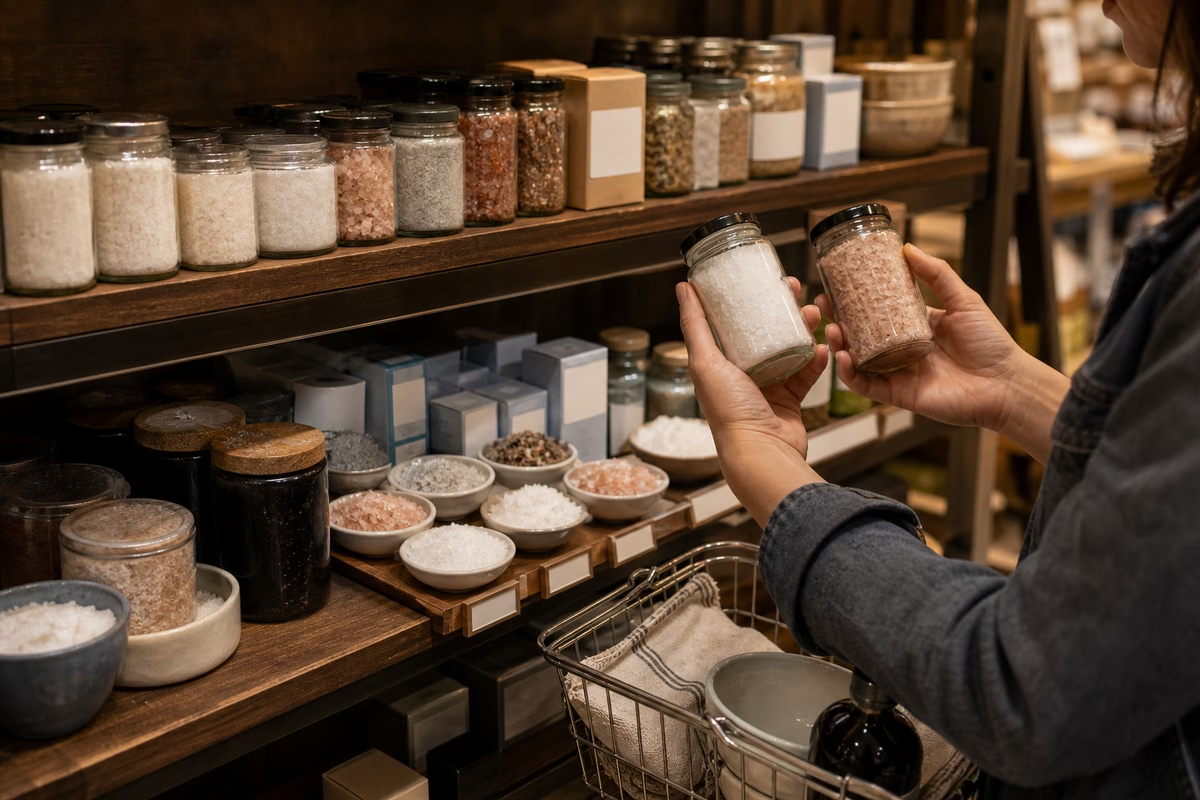
Start with jobs, not origins
Before you look at the label, decide the job.
Do you need:
- an everyday cooking salt
- a crisp finishing salt
- a delicate finishing salt
- a savory moist salt
- a specialty directional salt
Once you know the job, origin becomes helpful detail instead of a sales trap.
This simple shift prevents most bad salt purchases. Beginners often shop as if they are choosing among stories, landscapes, and identities. Experienced cooks shop more like tool users. They ask what role is missing in the kitchen, then look for the salt that performs it clearly. The romance can still matter, but it stops driving the decision.
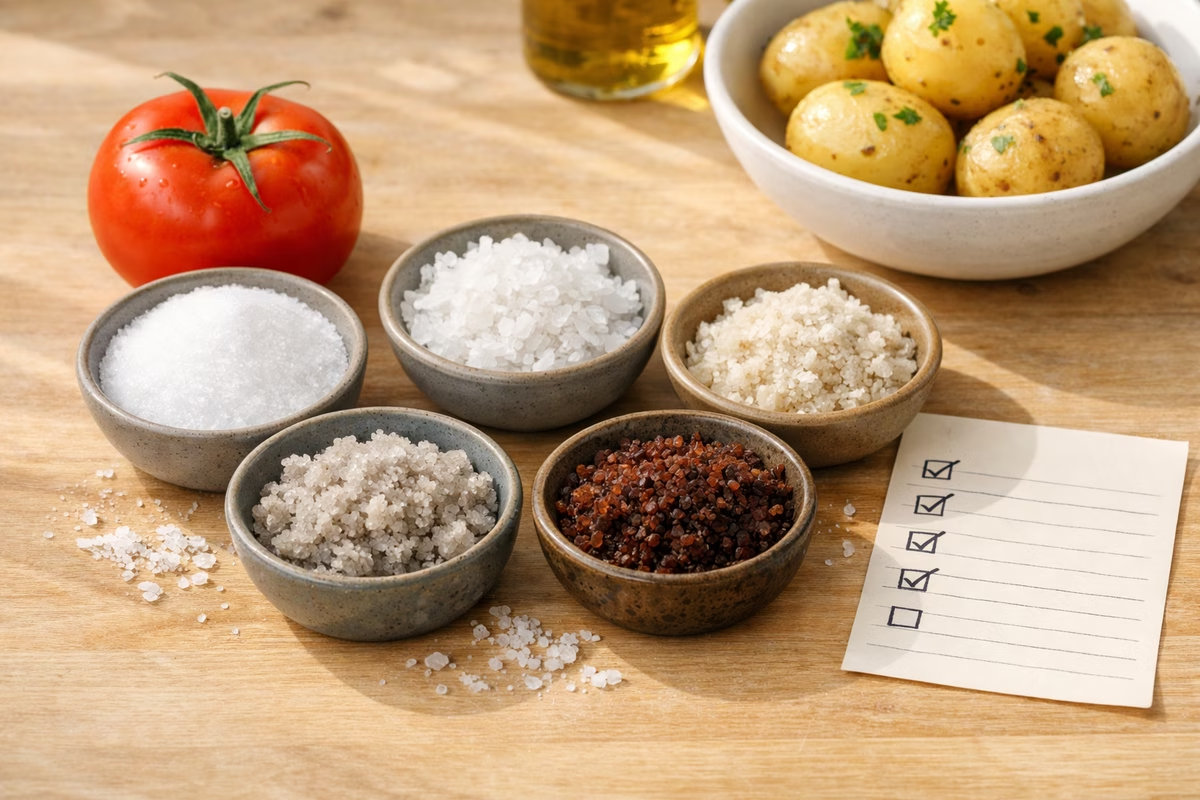
The three-salt starter shelf
This is the strongest beginner setup:
- one affordable cooking salt
- one flake finishing salt
- one second finishing salt with a different personality
That third salt can be fleur de sel, sel gris, or a specialty salt depending on how you cook.
This shelf teaches contrast without creating clutter.
It also teaches restraint, which is worth more than abundance. A good starter shelf forces you to learn each salt’s behavior. Once you have felt how a flake lands on eggs, how a moist sea salt works on roasted vegetables, and how a practical cooking salt behaves in the pot, every future purchase becomes easier to judge.
What duplication looks like
You probably do not need:
- three similar flake salts
- four pink mined salts
- several novelty blends that all push food smoky or citrusy
The question is not “Are these salts different in theory?”
The question is “Will I reach for these in meaningfully different situations?”
If not, the shelf is curating you.
This is where artisanal salt quietly turns into lifestyle merchandising. A shelf full of nearly identical salts can feel sophisticated while teaching you almost nothing. Distinction matters more than collection size. One salt that changes how you finish food is more educational than five salts that differ mostly in package design.
Good reasons to buy a salt
- you like its texture
- you have a clear use case
- it fills a gap in your current setup
- you enjoy seasoning by hand and will actually use it
- it teaches you something new about salt
Bad reasons to buy a salt
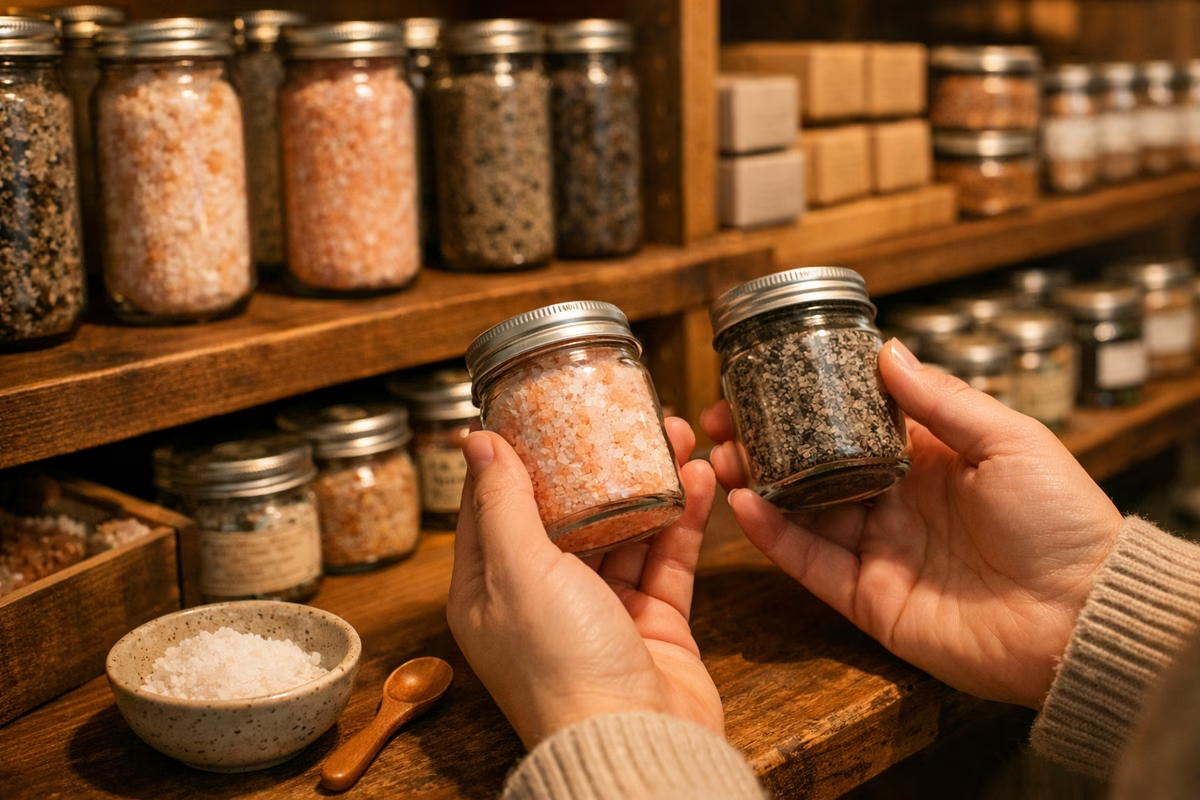
- the jar is beautiful
- the label sounds ancient
- it claims mystical health superiority
- you think collecting salts is the same thing as learning salt
Beautiful jars are allowed. Just do not confuse them with kitchen judgment.
There is no virtue in pretending aesthetics do not matter. If a beautiful container makes you want to reach for the salt more often, that can be useful. The mistake is paying for a container when the salt inside adds no new capability. Buy the pretty jar if you want it, but know whether you are buying a tool, a ritual object, or both.
What to inspect
Texture
Can you tell from the package whether the salt is flake, fine, coarse, moist, or dense? If not, that is already mildly annoying.
Clarity of use
Does the producer tell you whether it is best for finishing, everyday cooking, grinding, or special applications? Good producers usually do.
Quantity
Salt lasts, but specialty salts can still become neglected objects. Buy small amounts unless the salt is truly one you use often.
Packaging
Salt wants a clean, dry, odor-safe home. Fancy but awkward packaging is not a feature.
If you already know you like finishing food by hand, a salt cellar with a lid usually improves your real salt habits more than one more beautiful jar.
Another thing to inspect is honesty. Good sellers usually describe crystal form, likely use, and the reason this salt exists. Weak sellers hide behind vague language about purity, mountains, moon cycles, or wellness. The more mystical the copy gets, the more practical your questions should become.
When price is justified and when it is not
Some expensive salts are expensive for coherent reasons: low-yield harvest methods, labor-intensive skimming, difficult weather dependence, or unusual texture that is genuinely hard to produce. Fleur de Sel often falls into this category.
Other salts are expensive because they are visually distinctive, fashionable, or packaged as if you are buying perfume. That does not automatically make them bad. It just means you should stop asking whether they are “better” and start asking whether they are meaningfully different in your hand, on the food, and in your actual habits.
If you cannot imagine the food you will use it on, the salt is probably too expensive no matter the price.
The shelf-life misconception
Salt does not spoil the way fresh food spoils, but it can still degrade as an experience.
It can:
- absorb odors
- clump badly
- lose aromatic additions
- become inconvenient enough that you stop reaching for it
That last one matters more than people admit. A salt you dislike handling is a salt you do not learn.
This is why giant bags of niche salt are usually a poor beginner buy. It is not that the salt will rot. It is that your enthusiasm will. Small quantities keep the relationship active. If you finish the jar and miss it, that is real evidence that the salt deserves a permanent place.
Best first purchases by personality
If you are the kind of cook who loves:
Crisp final detail
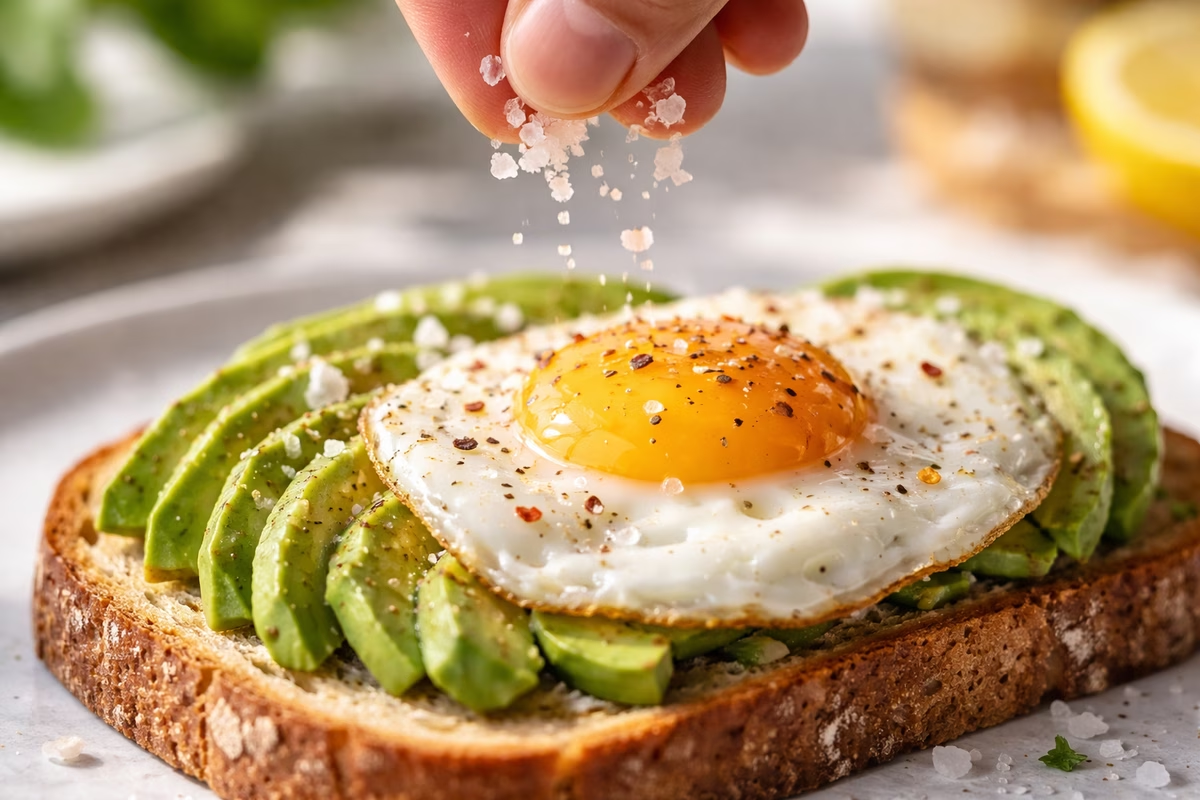
Buy a flake salt first. Maldon sea salt flakes are the simplest entry point because the texture difference is obvious immediately.
Quiet elegance
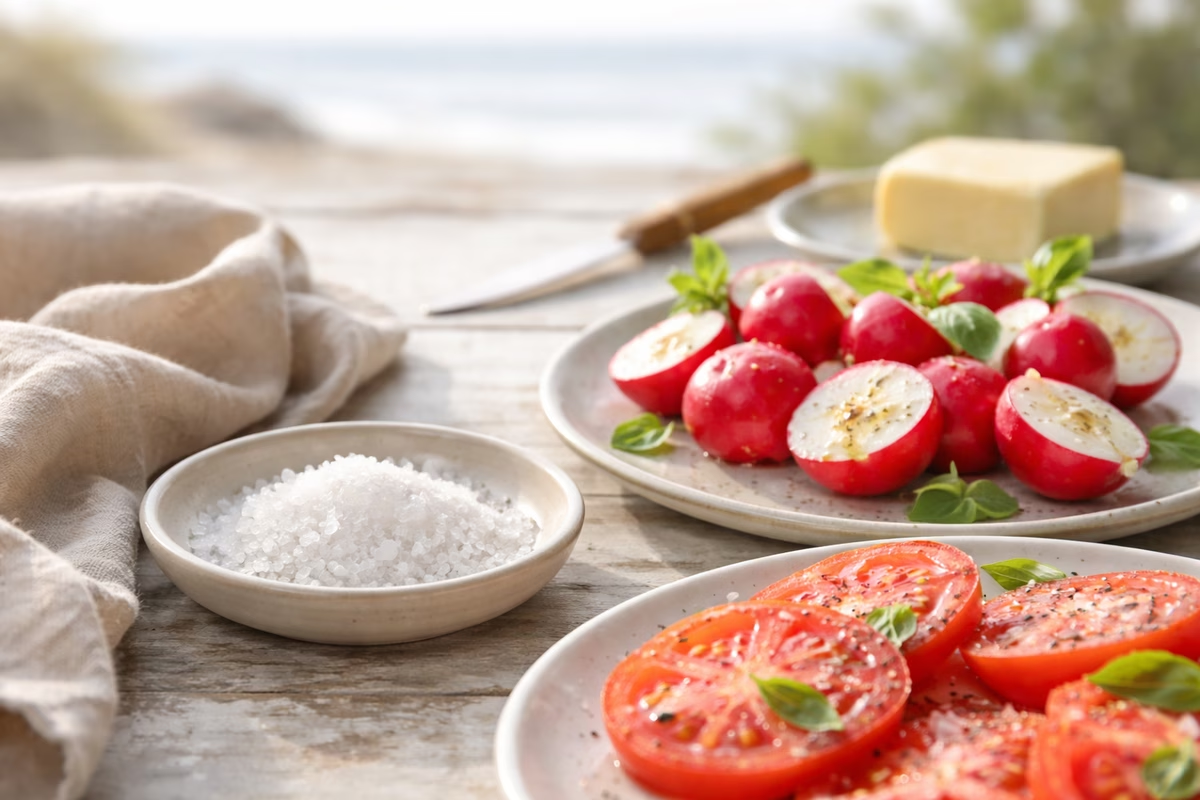
Buy fleur de sel first. A small fleur de sel makes more sense than a giant prestige tub if you are still learning what the category does.
Savory, rustic food
Buy a moist gray sea salt first.
Grill-adjacent flavor
Buy a smoked salt first, but keep it small.
Table ritual and mills
Buy a dense mined crystal salt first.
If you are unsure which personality is actually yours, that is a sign to buy less, not more. Start with the salt whose use-case is easiest to test over a week of normal meals. The goal is to discover genuine preference, not to perform connoisseurship on day one.
The one hard rule
Do not let expensive finishing salt become your excuse for timid seasoning overall.
Many underseasoned cooks collect lovely salts and still cook bland food because they are afraid of using enough of the practical salt. Your good finishing salt should sit on top of sound seasoning, not substitute for it.
This rule is harsher than it sounds because it saves people from a common trap. The surface salt gets all the emotional attention while the base seasoning remains too weak. Then the cook concludes that artisanal salt is overrated. Usually the problem is not the finishing salt. It is the missing foundation underneath it.
A smart first buying rhythm
The best beginner pattern is simple. Buy one practical cooking salt. Add one finishing salt with obvious texture contrast. Live with both for a few weeks. Then decide what, if anything, is still missing.
That gap might be delicacy, moisture, mill-friendly crystals, or a single specialty direction like smoke. Once the need is concrete, the buying choice becomes almost easy. Until then, the market is louder than your judgment.
A strong first reading path
If you are shopping soon, read these in order:
That sequence will save you money and make the shelf far more legible.