Walk into a good food shop and the salt shelf can look like a personality test. White pyramids. Gray damp crystals. pink rocks. black flakes. jars that sound coastal and solemn. Suddenly the thing you meant to spend eight dollars on feels like a referendum on your seriousness as a cook.
Ignore the theater for a minute. The useful question is simple:
What kind of salt is this, physically, and what does that make it good at?
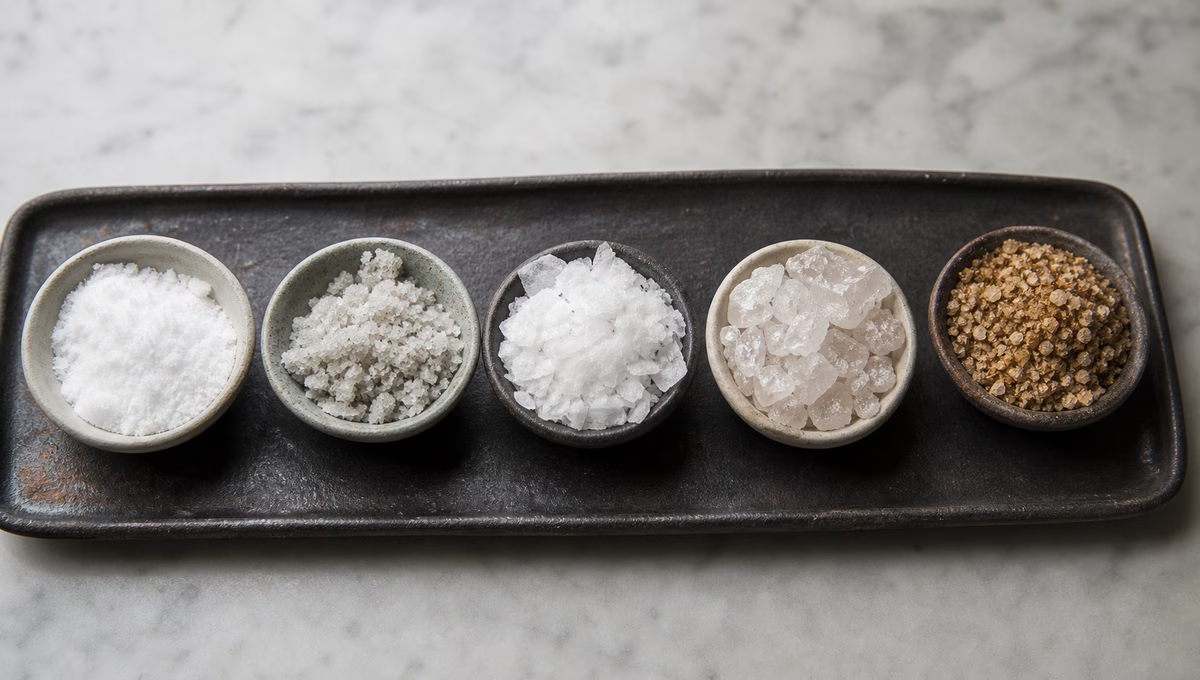
That single question cuts through most of the confusion.
The big families
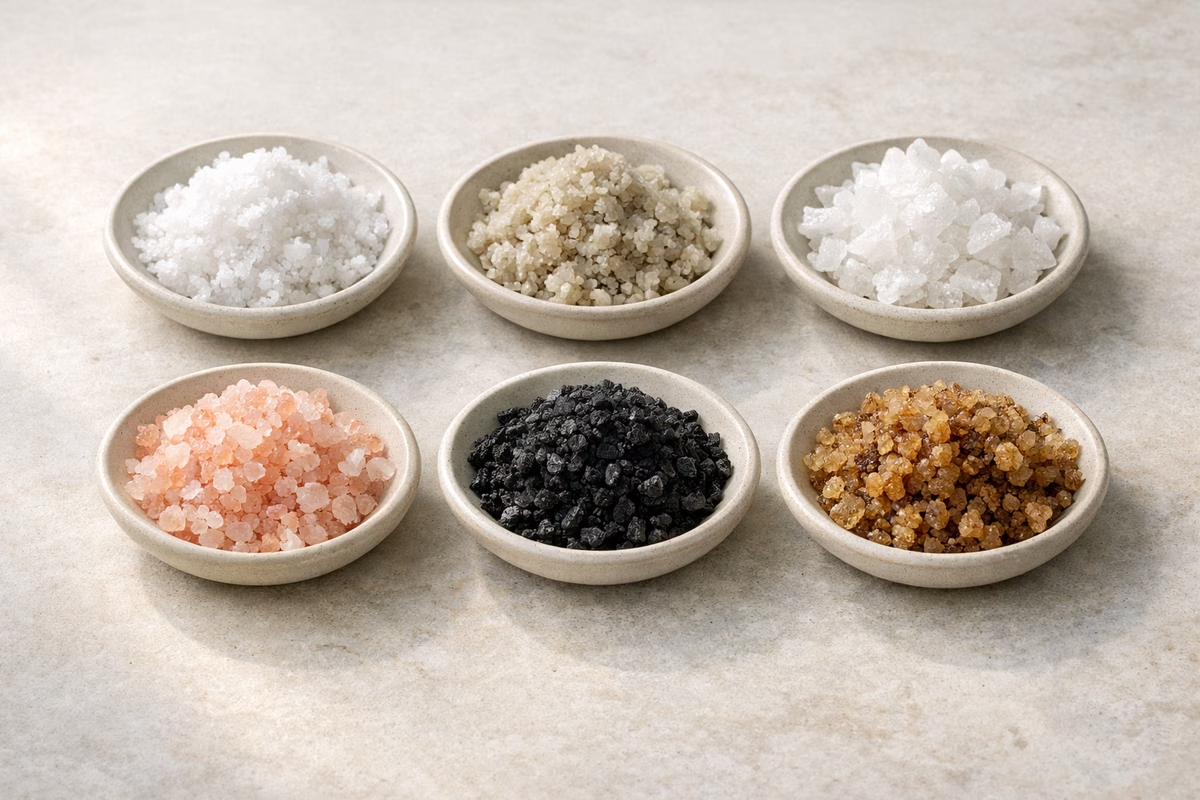
Most artisanal salts fit into one of these families:
- delicate surface salts
- moist sea salts
- dry flaky salts
- dense mined or mineral-rich salts
- flavored or transformed specialty salts
Each family behaves differently because the crystals are formed, harvested, and handled differently.
Delicate surface salts
These are the salts people tend to fall in love with first.
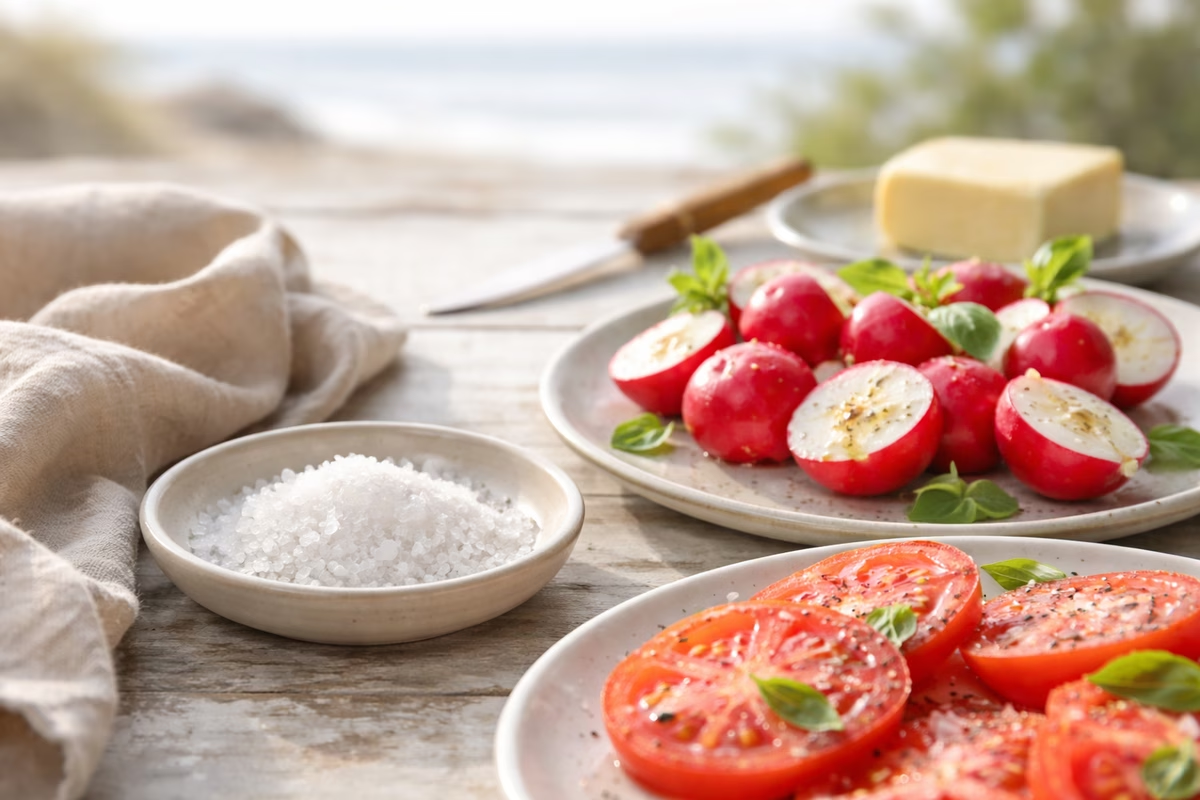
The best-known example is fleur de sel , which forms as a thin, fragile crust on the surface of salt ponds under the right weather conditions. Harvesters skim it carefully because it is not the heavy bulk salt collecting below. It is a separate, more delicate event.
What it feels like:
- soft
- light
- slightly crisp, then quick to dissolve
- often gently briny rather than aggressively sharp
What it is for:
- tomatoes
- buttered bread
- simple fish
- caramel
- chocolate
- raw vegetables
If you cover food in it or cook it hard, you lose the point.
Moist sea salts
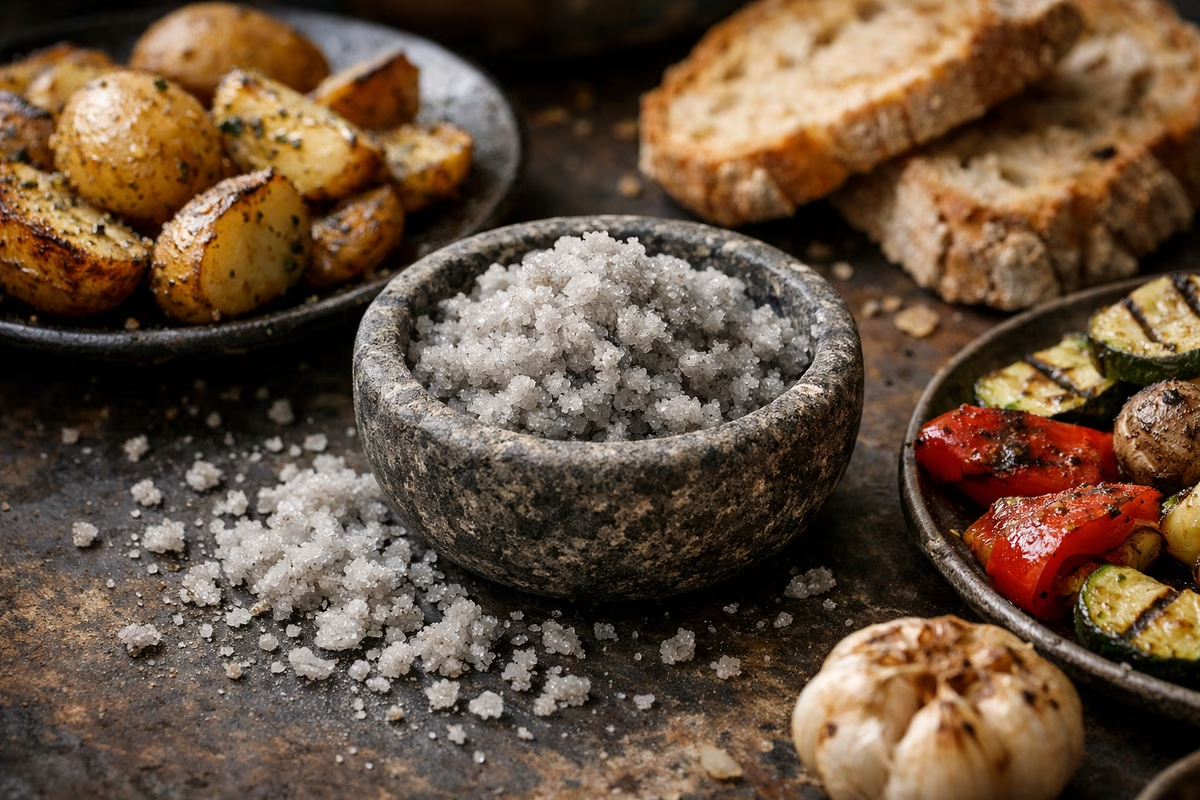
This is the family for people who like salt with a little gravity. The classic example is sel gris, the gray salt associated with clay-lined salt pans. Because it retains moisture and trace minerals, it feels denser, darker, and more grounded than a sparkling flake.
What it feels like:
- damp
- compact
- mineral
- slower to dissolve
What it is for:
- roast meat
- potatoes
- beans and lentils
- crusty bread
- grilled vegetables
These salts are less about airborne crunch and more about savory presence.
Flake salts
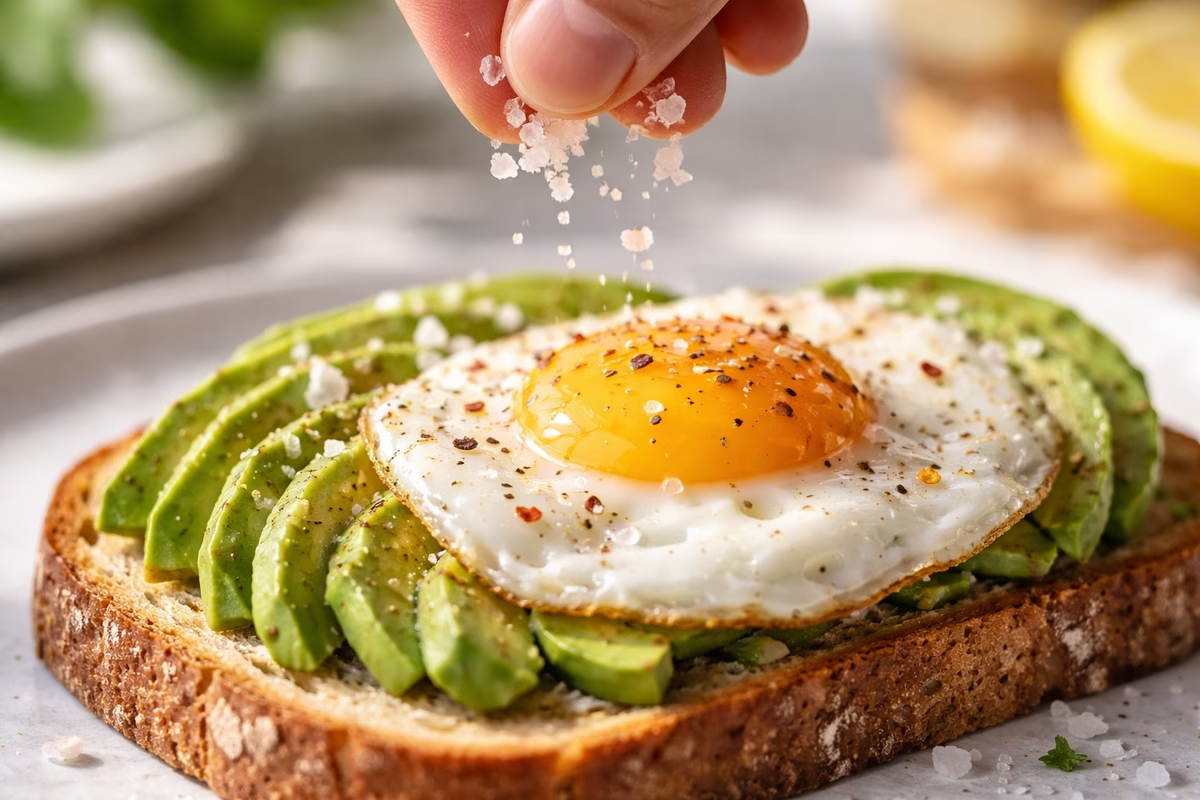
Flake salt is the extrovert of the category. The crystals are light, thin, and brittle, often with a hollow or layered structure that crushes easily between your fingers.
This makes it extremely useful because it gives you three things at once:
- visual contrast
- immediate textural crackle
- quick salt perception without great density
That is why people reach for it at the last second. It feels dramatic but controlled.
Use it on:
- steak after resting
- fried eggs
- focaccia
- salads
- cookies
- brownies
Read Flake Salt if you want the deeper version.
Dense mined and mineral-rich salts
This is the broadest and messiest family because it includes salts from underground seams, ancient deposits, and a range of regional specialties that get marketed through color and origin.
Some are genuinely distinctive in appearance and density. Some are more interesting as stories than as flavor transformations. The value here is often one of three things:
- crystal form
- color
- ritual or regional association
What these salts are usually good for:
- salt mills
- table use
- roasting beds
- finishing foods where visible crystals are welcome
Where people overstate them:
- claiming huge flavor differences where the real difference is mostly visual
- treating trace minerals as if they turn salt into a supplement
Use them because you enjoy them, not because you think pink or blue crystals are nutritionally magical.
Smoked, black, red, and other transformed salts
Some salts are interesting because something happened to them after the crystal formed.
Examples include:
- smoked salts, exposed to wood smoke
- black salts colored by charcoal, lava, or sulfurous mineral character depending on tradition
- red salts associated with clay or iron-rich additions
- herb, citrus, or spice-blended finishing salts
These are seasoning tools with built-in bias. A smoked salt pulls food toward campfire. A sulfurous black salt can push food toward eggy savoriness. A red clay salt brings color and earthy association. They are fun precisely because they are not neutral.
They are also easy to overbuy. Start small.
What really separates good artisanal salt from mediocre artisanal salt
Not price alone. Not a romantic label. Usually these:
Clean flavor
Even a mineral salt should taste clean, not stale, dusty, or oddly bitter.
Purposeful crystal structure
A finishing salt should have a texture you can actually feel. A moist sea salt should behave consistently. A flake salt should crush elegantly, not into random hard pebbles.
Good handling
Salt is stable, but it is not invincible. Poor storage can leave it clumpy, contaminated with ambient odors, or physically degraded.
Honesty about use
The best salts do not pretend to do every job. They are specific. That is part of their appeal.
A small collection that covers the field
If you want to understand artisanal salt without collecting museum pieces, build this set:
- one flake salt
- one moist sea salt
- one delicate finishing salt such as fleur de sel
- one specialty salt you actually plan to use
Cook with them side by side. That is how the category stops being abstract.
The emotional truth
Artisanal salt is appealing because it makes seasoning tactile again. Instead of pouring blindly, you pinch, feel, crush, and place. The ingredient comes back into view.
That is why salt shelves can be so strangely compelling. They are not just selling sodium chloride. They are selling the return of texture, place, and attention.
The trick is to keep your judgment while enjoying that.
Next steps
- Read Fleur de Sel
- Read Sel Gris and Wet Salts
- Read Mineral-Rich and Mined Salts
- Read Buying Artisanal Salt
Season with attention
Salt is simple until it touches food. For Artisanal Salt Types: A Clear Guide to the Salts Worth Knowing, the useful lesson is that crystal size, timing, moisture, texture, and the food itself all change the result. A pinch can season, preserve, draw out water, sharpen sweetness, or finish a dish with crunch.
Start by tasting in context. A salt that feels strong on the tongue may dissolve gently in soup. A delicate flake may shine on tomatoes and disappear in pasta water. Fine salt measures differently from coarse crystals. The hand learns by comparison.
Then pay attention to timing. Early salting can season deeply or pull moisture. Late salting can add texture and brightness. Brines, rubs, ferments, baked goods, and finishing salts each ask for a different kind of control.
Keep notes for repeatable dishes. Weight helps when precision matters, while a tasting habit helps when ingredients vary. Both can belong in the same kitchen.
Knowing these salt types should make seasoning feel more deliberate and less mysterious. Good salt use is not about using more. It is about putting the right salt in the right moment.
What to notice after you use this guide
After reading this guide, choose one next action that can be observed. A guide becomes more valuable when it changes a real choice, not only when it adds more facts.
Name the context. Where are you, what are you trying to improve, and what would count as a good result? The answer keeps the advice grounded in daily life.
Change one variable first. A small controlled change teaches more than a dramatic reset because you can tell what mattered.
Keep one note. Write the date, the choice, the outcome, and the thing you would repeat. The note can be plain and still useful.
Look for tradeoffs. Better salt decisions often involve cost, time, maintenance, comfort, fit, risk, or skill. Seeing the tradeoff makes the decision calmer.
If the result is unclear, wait before adding another fix. Some lessons need a second use, a different day, or a quieter comparison.
If the stakes are high, use qualified sources and professional guidance where appropriate. A guide can organize the question, but it should not pretend to replace expertise.
The goal is practical confidence. Artisanal Salt Types: A Clear Guide to the Salts Worth Knowing should make the next step easier to choose and easier to repeat.