Salt 76 guides History, Harvesting, Tasting & Artisanal Types

Salt Works

Human, practical guidebooks on salt history, artisanal salt types, harvesting traditions, and tasting.

Jump straight into the Salt track in the Fondsites game, then use the guidebooks when you want depth.

Salt is one of the oldest ingredients people ever bothered to move, tax, fight over, worship, and hide in plain sight on the dinner table. It looks simple because it is chemically simple. It feels complicated because culture got there first.

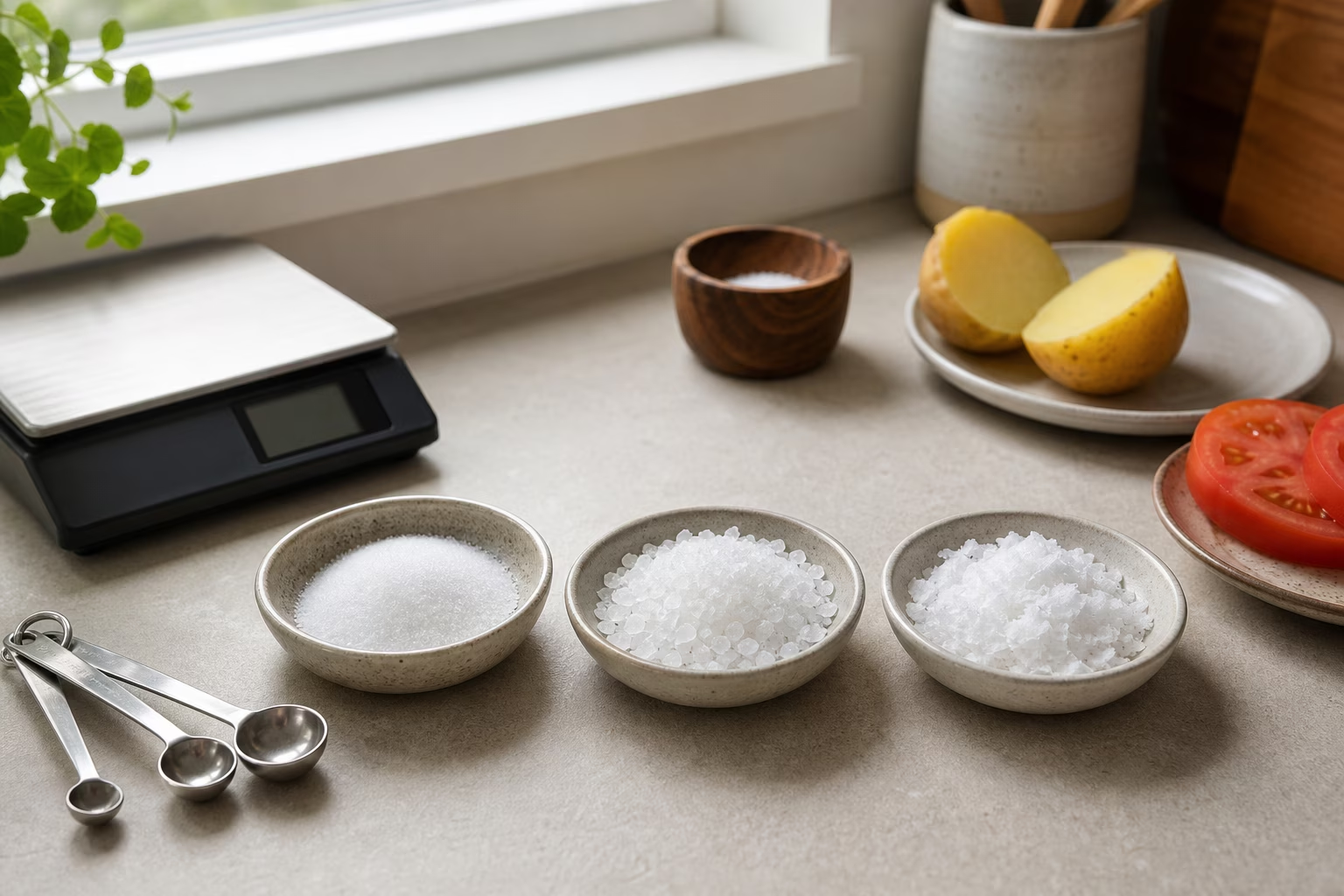
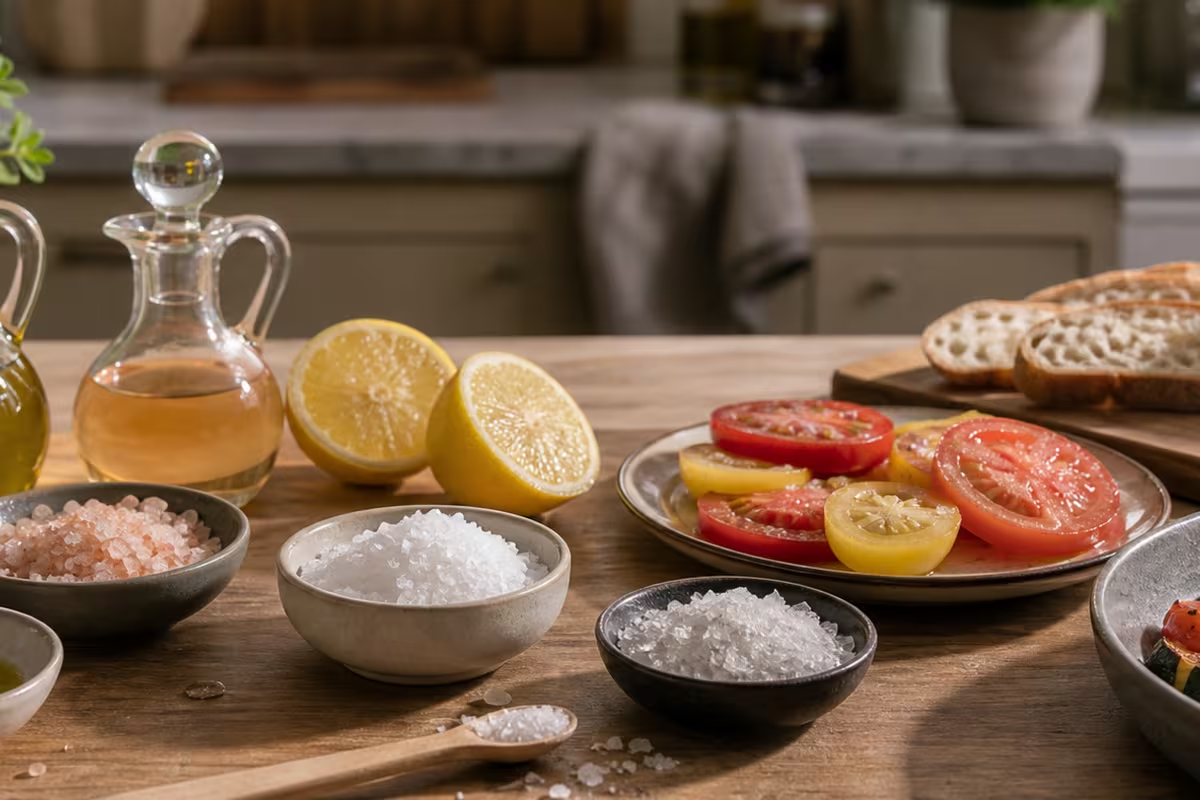
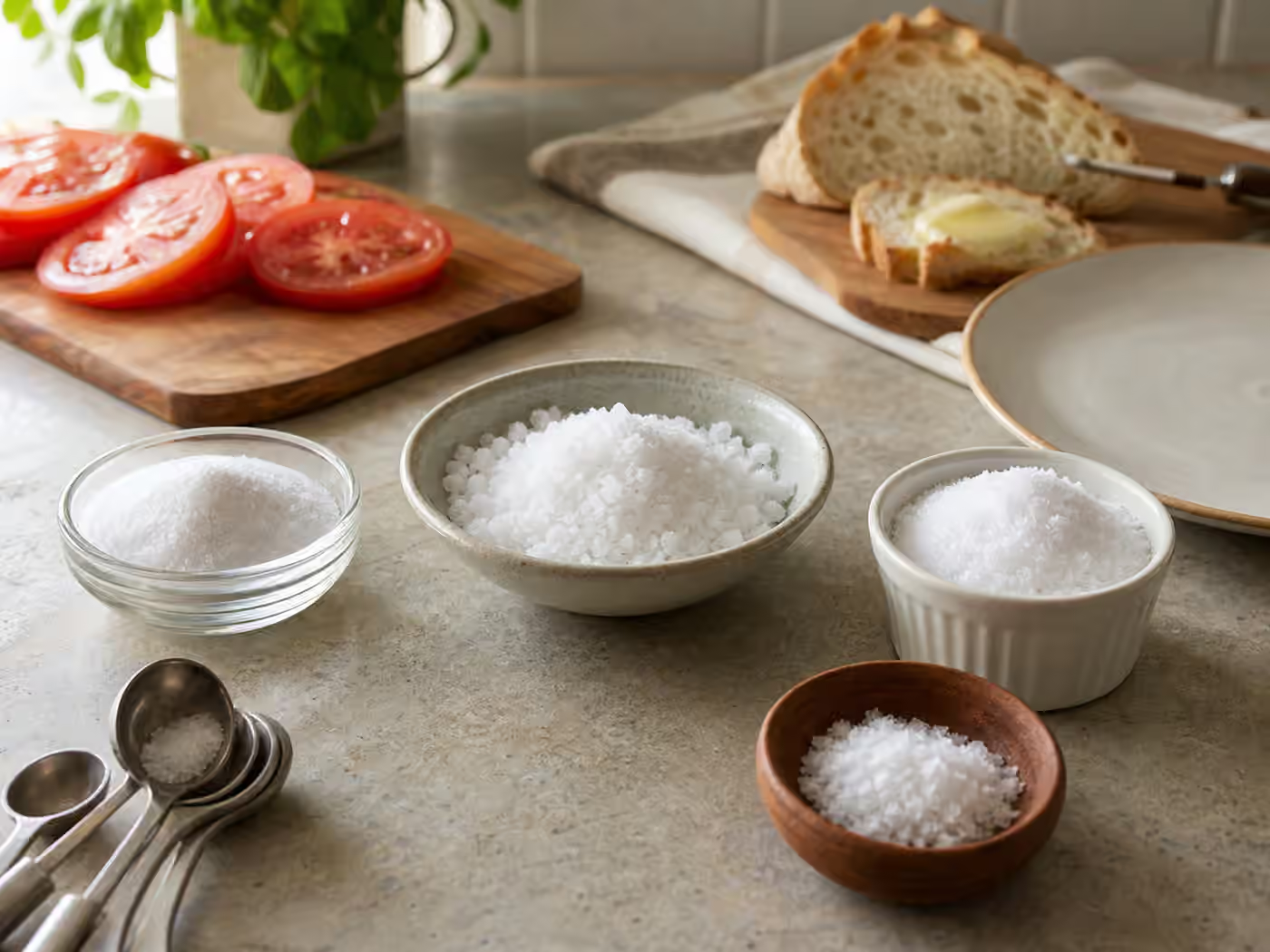
Salt Works is built for that tension. This is a site about why one pinch tastes sharp and fleeting while another lands soft and mineral, why some salts belong in a stock pot and others belong in your fingers at the very end, and why marsh workers, miners, traders, emperors, cheesemakers, bakers, butchers, and home cooks all developed their own salt habits.

If you want the fastest way in, start with Salt Quickstart , then read Artisanal Salt Types and A Human History of Salt . If you already know you love finishing salts, skip straight to Fleur de Sel , Flake Salt , and Salt Tasting .

The goal here is not to make salt precious. It is to make it visible.
Editorial Guide

What Salt Covers

A guide to the history, harvest, and distinct personalities of artisanal salt. Fondsites treats this topic as a practical library rather than a loose feed: each page is meant to explain the decision, show the vocabulary, and point toward the next useful guide.

The Salt shelf is organized for readers who want clear context before buying gear, changing a routine, or repeating a claim they saw elsewhere. Start with the quickstart material when the topic is new, then move into the more specific guidebooks when a real question appears.

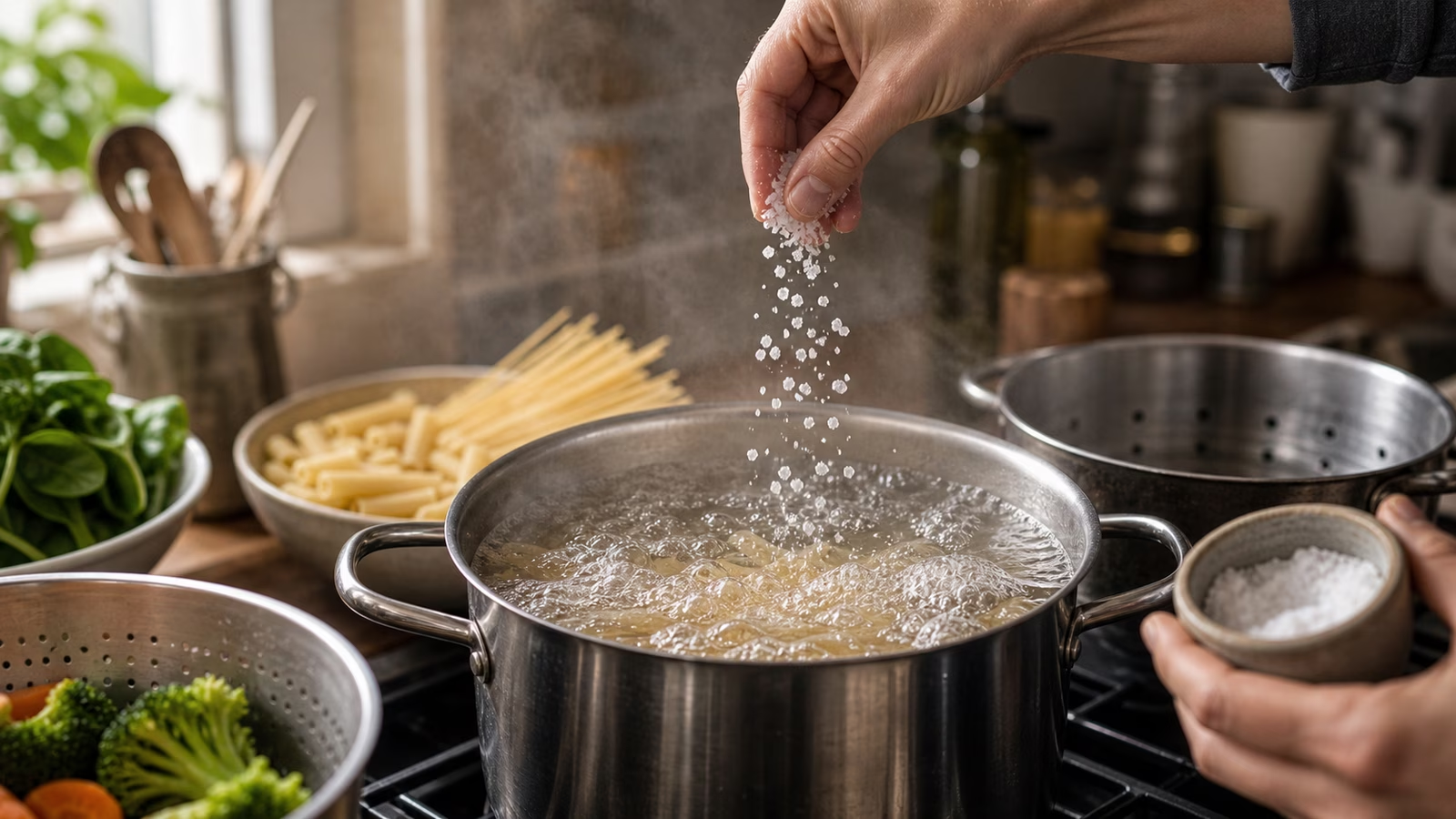
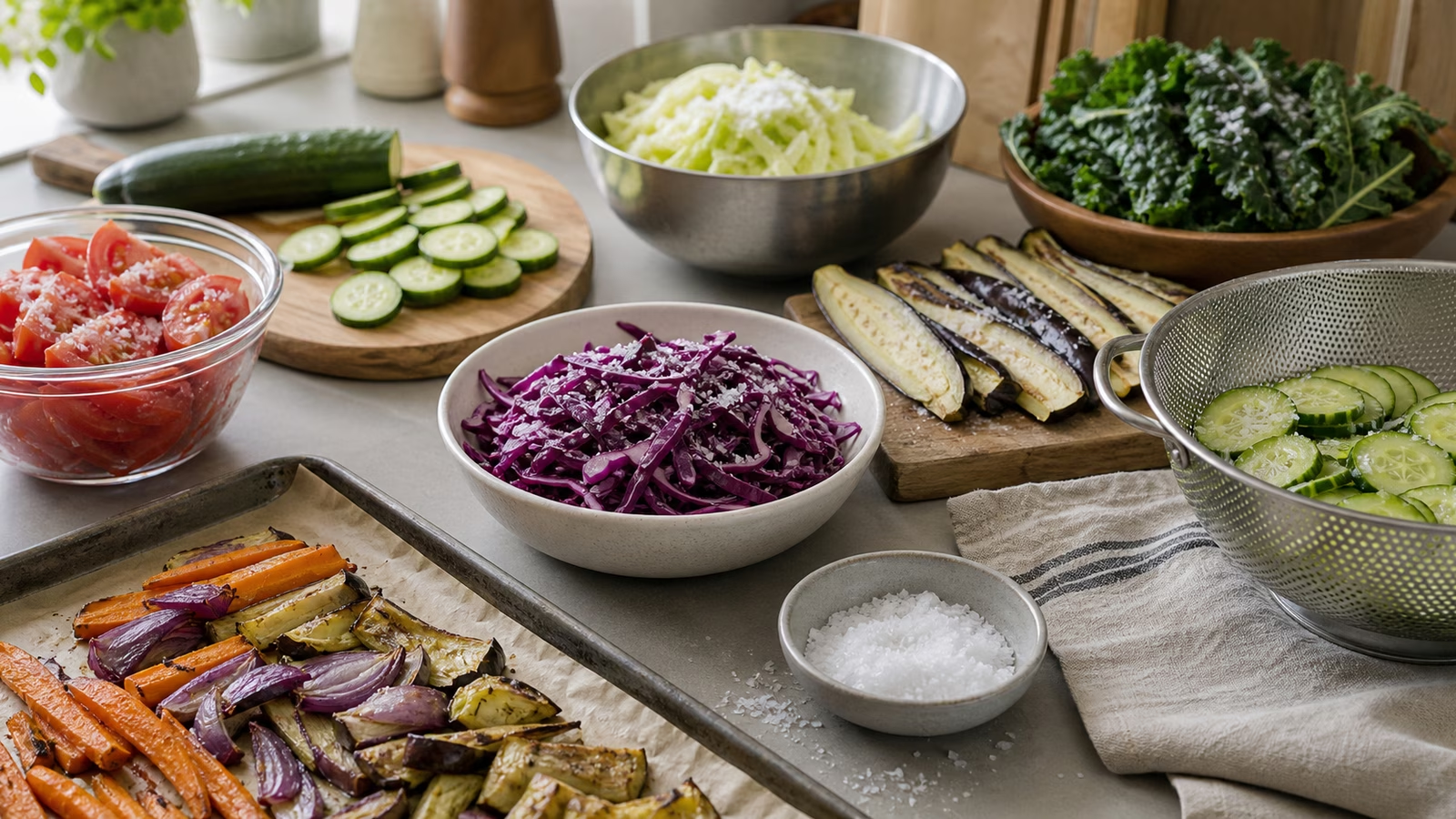
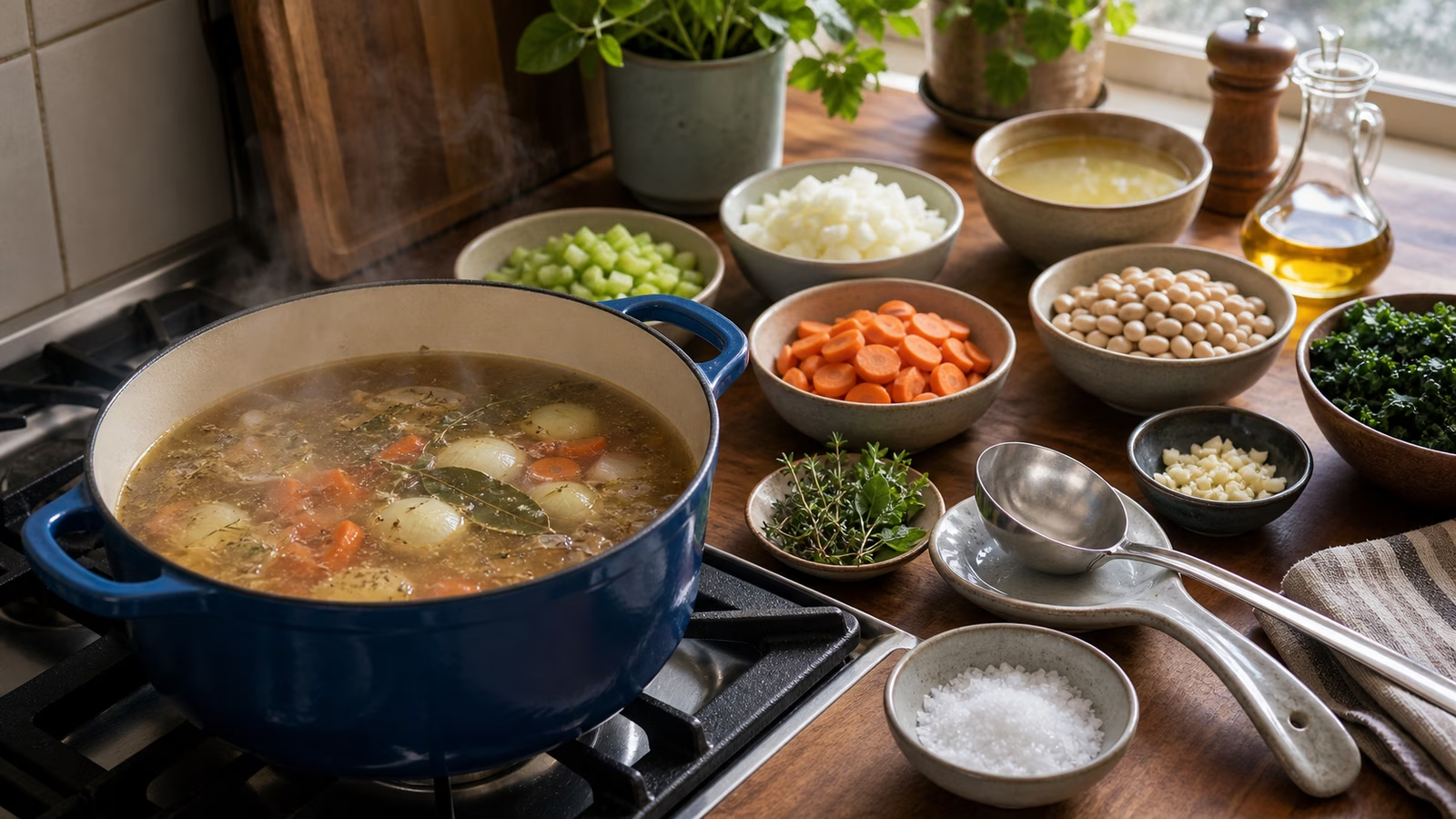
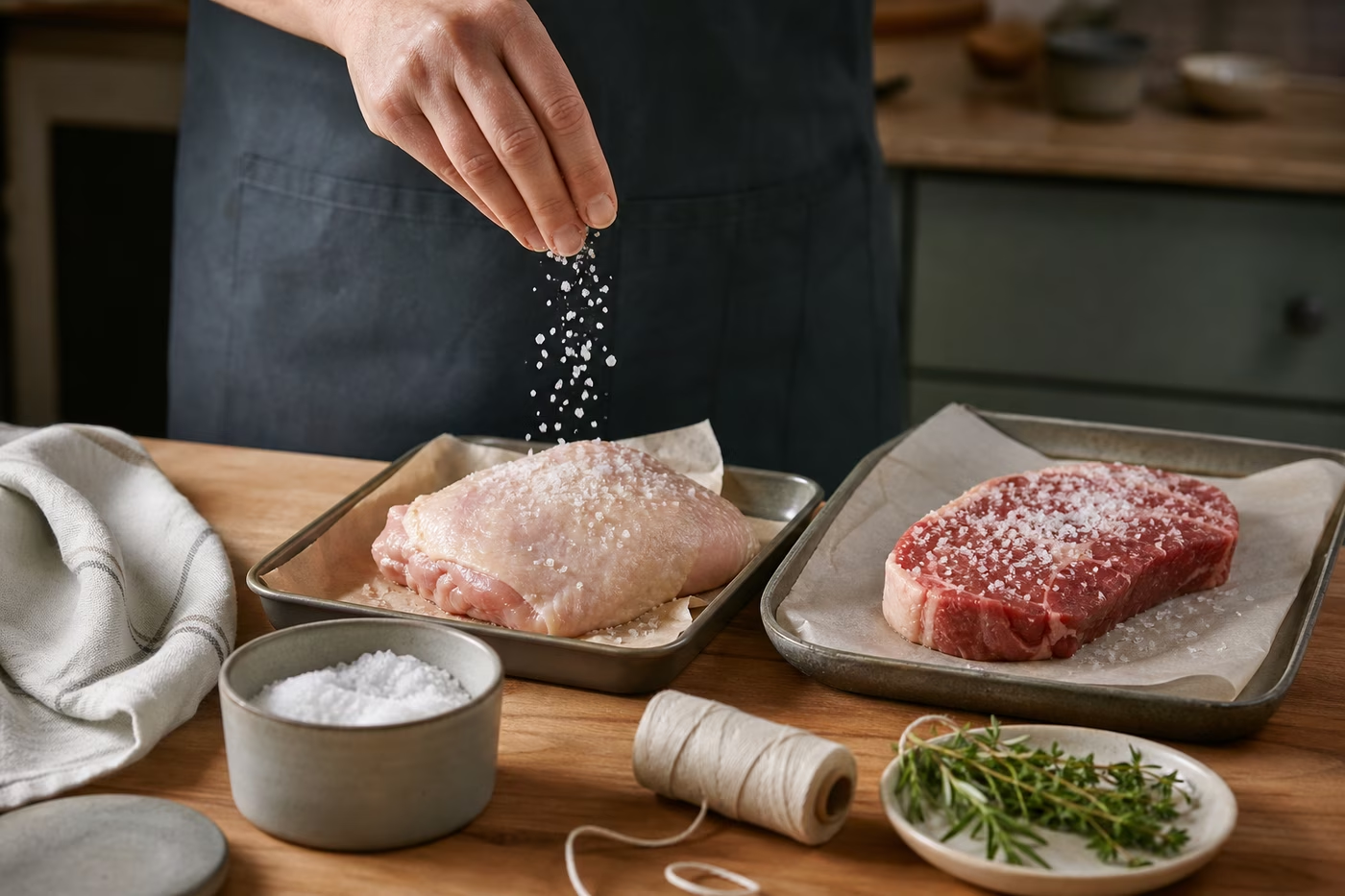
There are 76 guidebooks in this library. Useful starting points include When to Salt: Timing, Texture, and the Difference Between Seasoning and Finishing, Pasta Water and Salted Cooking Liquids: Seasoning From the Inside, Salting Vegetables: Water, Crunch, and Flavor and Salting Soups, Stews, and Broths: Seasoning in Layers. Those pages show the house style: concrete examples, cautious boundaries, and links back into related topics when a short answer would be misleading.

Guidebooks

Engaging guidebooks on salt history, artisanal salt styles, harvesting traditions, finishing salts, and tasting.