A buying-light, practical guide to basic tools that make verification and recovery easier. The useful move is not to become suspicious of everything. It is to slow the one decision in front of you, keep the evidence intact, and check the claim through a channel that was not supplied by the pressure message.
The human pattern underneath
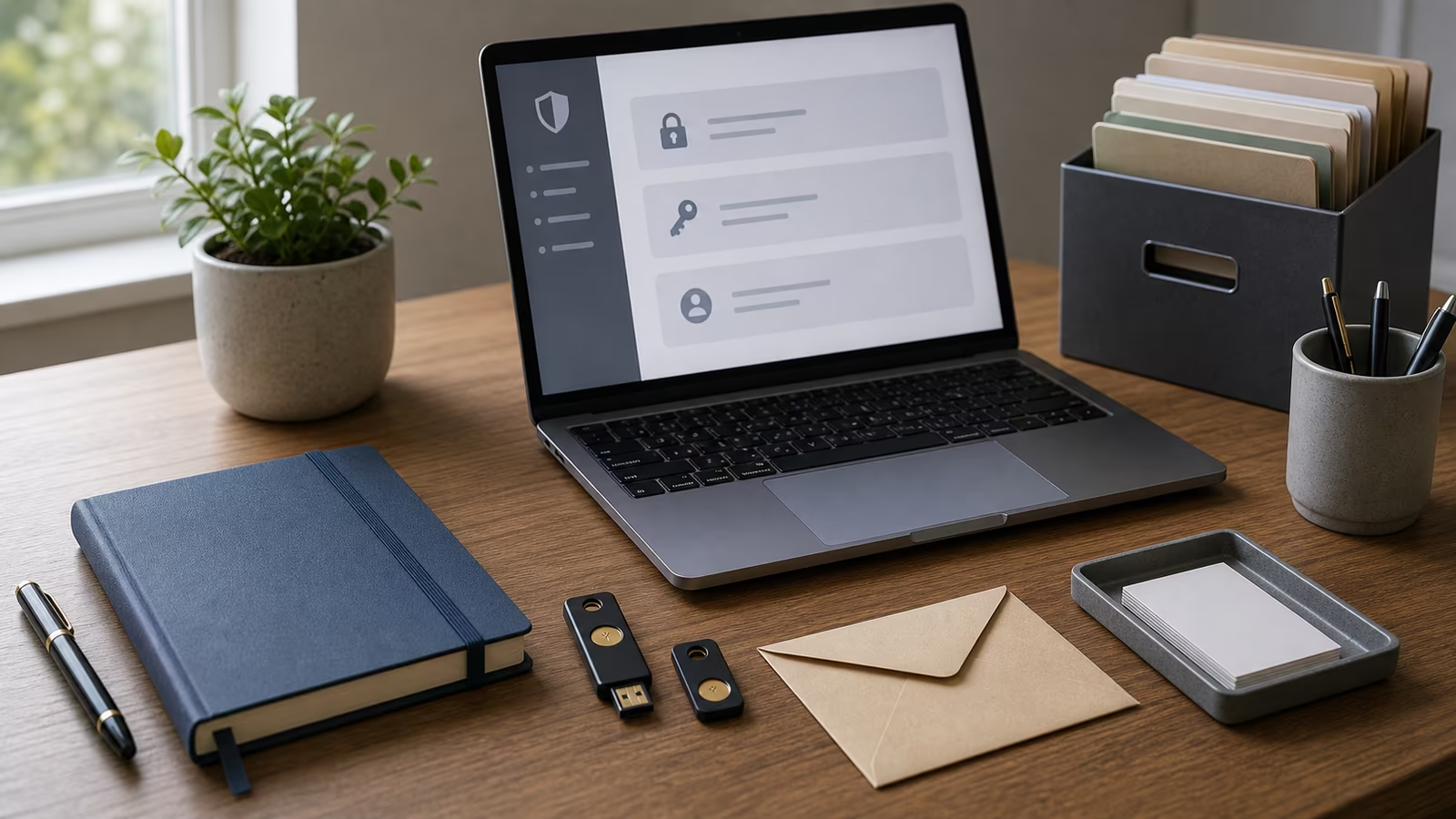
A verification kit is not a pile of gadgets. It is a way to make the safe path easier than the risky path. Password managers, passkeys, security keys, saved official contacts, and recovery notes all reduce the chance that a stressful message becomes the place where you decide what is real.
The reader does not need to become suspicious of every message, caller, image, seller, or appeal. The better skill is to notice when a situation is asking for trust faster than it is offering accountable proof. That gap is where most mistakes happen: not because someone is foolish, but because the request arrives wrapped in timing, emotion, and just enough detail to feel familiar.
A calmer way to make the next move
Start with the accounts where failure would hurt most: email, banking, phone carrier, cloud storage, work, school, and major platforms. Strong authentication does not replace judgment, but it buys time. When a suspicious message asks for a code or reset link, a good setup reminds you that codes are not conversation pieces. They are keys.
For the verification kit, a good check should leave you with one of three outcomes. You can continue through a safer route, stop because the claim failed basic verification, or escalate because money, access, identity, threats, minors, intimate material, or legal concerns are involved. The win is not exposing a stranger on the internet. The win is making the next move from steady ground.
Quick facts
| Question | Practical answer |
|---|---|
| Level | Beginner |
| Time | 12 minutes |
| First move | Pause before clicking, paying, reposting, downloading, replying, sharing a code, or keeping a secret. |
| Stronger proof | Use a known channel, official source, original context, and preserved evidence instead of caller ID, screenshots, vibes, or one detector result. |
| Escalate when | Money, credentials, account access, intimate images, minors, threats, impersonation, or legal concerns are involved. |
What this helps you decide
This guide helps you decide which low-drama tools help you verify, recover, and protect accounts without buying fear-based products.
Plain definitions
| Term | Plain meaning |
|---|---|
| Password manager | A tool that stores unique passwords and helps fill them only on matching sites. |
| Passkey | A phishing-resistant sign-in method supported by many services. |
| Security key | A physical authentication device that can protect important accounts. |
The practical workflow
| Step | What to do |
|---|---|
| Start with unique passwords | One strong password per account, stored in a reputable manager. |
| Turn on MFA | Prefer passkeys or security keys for important accounts when supported. |
| Save recovery records | Keep backup codes, account lists, provider contacts, and family access plans securely. |
| Keep tools boring | Buy for reliability and recovery, not panic marketing. |
A grounded example
A good verification kit shows its value on a bad afternoon. A bank text arrives, but the password manager holds the real bank domain. A caller asks for a code, but the family rule says codes are never read aloud. An account login triggers a security key, which a remote scammer cannot talk out of your hand. The tools do not make you invincible. They make the safe habit easier to follow when stress makes shortcuts tempting.
Keep the decision reversible
The safest verification move is usually small, private, and reversible. Do not escalate the drama just to feel decisive. Save the message, close the pressure path, open the account or contact through a route you already trust, and ask one narrow question: what would I see if this were real? That habit protects money, accounts, relationships, and reputation because it avoids the two common overreactions: obeying too quickly or publicly accusing too quickly.
A good check also protects the future version of you who may need records. Keep links, handles, screenshots, times, payment details, and platform names in one private note. Do not send more codes, documents, deposits, or intimate material while the claim is unresolved. If the issue turns out to be legitimate, you can continue from a cleaner channel. If it fails verification, you have stopped without making a larger mess.
Common mistakes
- Reusing passwords because accounts feel low-stakes.
- Saving backup codes only inside the account they recover.
- Buying security gear without knowing which services support it.
- Ignoring shared family or business access rules.
Try this next
- Use shared-code recovery after a compromise.
- Use creator likeness protection for channel roles.
- Use verification notes to build a records folder.
- Keep the next guide handy: AI Detectors, Browser Extensions, and Trust Tools: Buying Without Hype .
- If you arrived here after another check, compare it with Recovery Scams: When Help Becomes the Second Trap .
Related Fondsites path
Safety and source check
Do not use this guide to confront suspects, collect more dangerous material, or test whether you can trick someone back. Keep records private, use official support paths, and involve a trusted person when money, credentials, intimate images, minors, threats, or legal issues are involved.