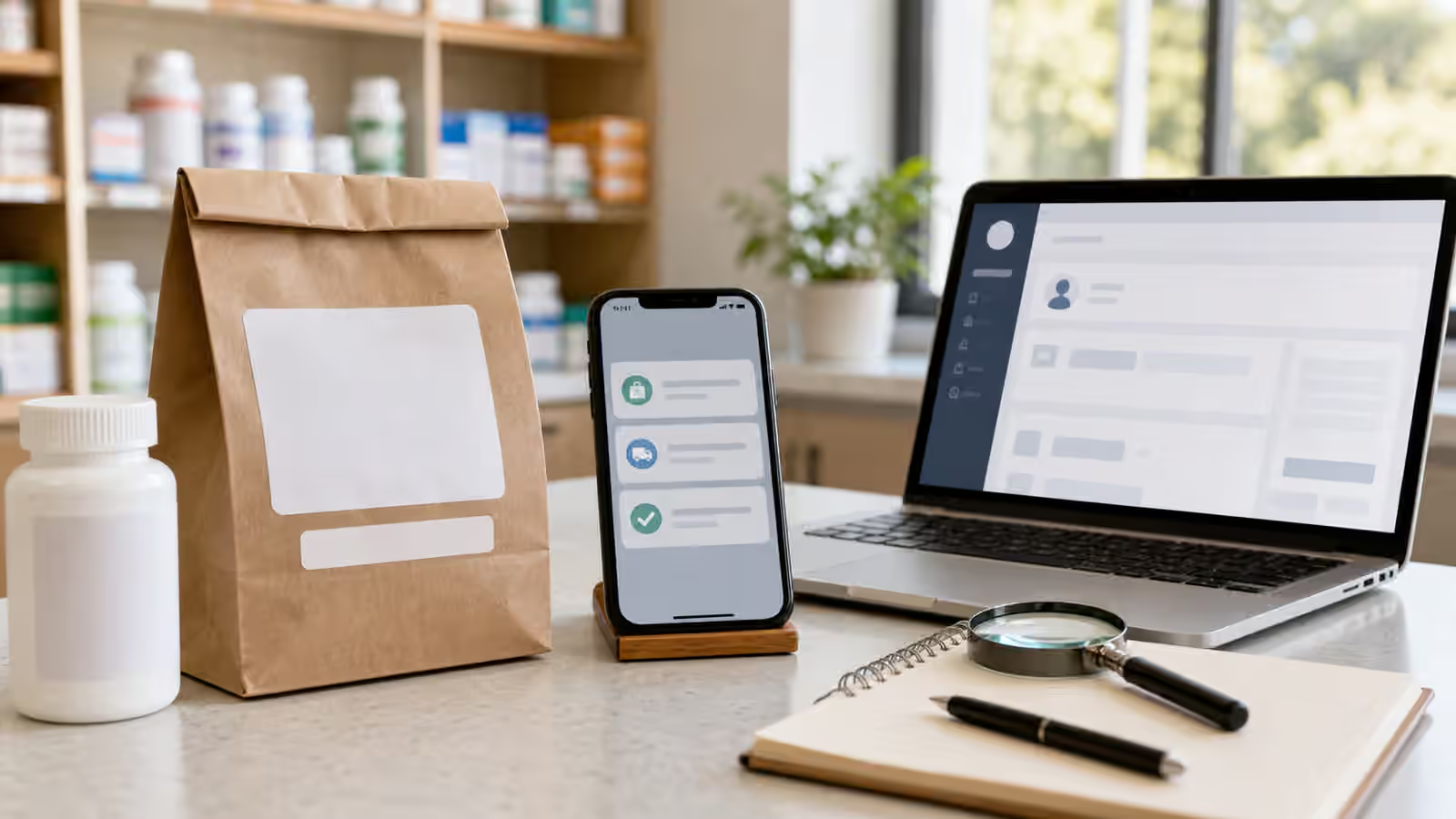
Pharmacy messages carry a different kind of pressure from ordinary shopping alerts. A text about a prescription, refill, delivery, insurance issue, or pickup window may involve health, privacy, money, transportation, and family care all at once. That does not make every message suspicious. Pharmacies and health systems often use texts, calls, apps, and portals for real logistics. It does mean the route matters. A message about medication should not automatically become the place where you enter payment details, account credentials, identity documents, or sensitive health information.
A health notice deserves a cleaner route
The safest first move is to separate the health issue from the path that delivered it. If a message says a prescription is ready, a refill failed, payment is required, delivery needs confirmation, insurance rejected a claim, or an account must be updated, open the pharmacy or health portal through a route you already use. That may be the pharmacy app, a saved website, a phone number on a prescription label, a number on an insurance card, or a prescriber office contact you already know.
Do not use an unexpected link as the first doorway. A message may name a pharmacy, show part of a phone number, mention a medication category, or arrive around the time you expected a refill. Partial context can be enough to feel real. It is not enough to trust the link. Health-related accounts can expose more than a shopping account: addresses, dates of birth, payment methods, insurance information, refill history, caregiver relationships, and identity details.
This is the same verification shape as Phishing Links Without Panic , but the privacy stakes are different. A pharmacy lure does not need to steal every record to cause harm. It may only need a card number, login, one-time code, or enough personal detail to impersonate you elsewhere.
Pickup messages and delivery notices can be real and risky
Pharmacy pickup texts often feel routine. They may say an item is ready, delayed, out of stock, pending insurance, or waiting for authorization. Prescription delivery notices may ask for an address, delivery window, signature preference, payment, or temperature-sensitive instructions. Some of those requests can be legitimate in the right context. The verification question is whether you are handling them through the pharmacy or delivery route you independently recognize.
If you use a pharmacy account, check there first. If the message names a delivery partner, start from the pharmacy order record rather than from a fresh text link. If the delivery notice looks like a general courier alert, compare it with Package Delivery and Customs Fee Verification . A fake delivery notice becomes more persuasive when the item might be important. The route still needs to be checked.
Be careful with messages that ask for a small redelivery fee, identity confirmation, or card update before a prescription can move. A small fee can be the opening to a larger card or account problem. A real pharmacy balance should be visible through the pharmacy account, insurance explanation, or known phone route.
Insurance and payment language can hide the pressure
Messages about insurance, co-pays, coverage, prior authorization, discounts, coupons, or refunds can be confusing because the language is already hard to parse. An impostor can use that complexity to make a payment request seem normal. The message may claim that a prescription will be cancelled unless a balance is paid, that insurance must be revalidated, or that a discount card will lower the price after you enter personal details.
Avoid making a payment decision inside the message. Open the pharmacy account, call the pharmacy through a known number, or contact the insurer through the number on the card. If a balance is real, the official route should be able to explain it without requiring you to use a link from an unexpected text. If the issue is medical or time-sensitive, contact the pharmacy or prescriber through known channels rather than debating with the message.
The guide to Medical Bill and Insurance Call Verification is useful when a notice moves from pickup logistics into billing or coverage. The goal is not to become an insurance expert. It is to avoid letting confusing language create an instant payment route.
Caregiver and family messages need permission boundaries
Pharmacy errands often involve family members, caregivers, aides, roommates, or adult children helping someone else. That can be normal and necessary, but it also creates openings for confusion. A message may arrive on one person’s phone about another person’s medicine. A caller may say they are helping a parent or patient. A caregiver may forward a link and ask someone else to pay. A family chat may start sharing screenshots of labels, dates of birth, and account details.
Move slowly and preserve privacy. Ask who is authorized to manage the prescription, which pharmacy or prescriber is involved, and what known route should be used. Do not post full medication labels, patient names, dates of birth, insurance numbers, or refill links in a large chat unless there is a clear need and the group is appropriate. If someone asks for a code, password, or portal login so they can “help,” treat that as account access, not a simple errand.
If a helper truly needs access, set it up through the pharmacy, health system, or insurer’s official caregiver or proxy process where available. Do not improvise by handing over your login because a message made the situation feel urgent. The What To Do If You Shared a Code, Password, or Account Access guide is the next stop if that already happened.
Identity requests should stay inside official processes
Some pharmacy or health services may verify identity for account setup, controlled deliveries, insurance coordination, or age-restricted items. That does not mean every identity request is safe. Be cautious when an unexpected link asks for a photo ID, selfie, full Social Security or national ID number, insurance card image, payment card, or portal password. Sensitive documents should not be uploaded through a route you have not independently verified.
Open the official portal yourself or use a known phone number. If the request is real, ask what information is required, why it is required, and whether there is an alternative route. The guide to ID Document, Selfie, and Verification Upload Requests explains the broader pattern: identity proof is powerful, and the route matters as much as the request.
This caution applies even when the message sounds helpful. A fake notice may promise faster delivery, cheaper medication, an insurance refund, a patient assistance program, or a restored account. The offer may be framed as care. Verification is how you keep care from becoming exposure.
If you clicked, paid, or shared health details
Stop using the suspicious route and write down what happened while it is fresh. Did you only open a link, or did you enter a password, card number, date of birth, insurance number, identity document, medication details, one-time code, or delivery address? The next step depends on that answer. Use the official pharmacy, insurer, bank, card issuer, or health portal route as appropriate. If a medication is needed soon, contact the pharmacy or prescriber through known channels rather than waiting on the suspicious message.
Keep evidence private. Health-related screenshots can expose names, medications, addresses, and insurance details. Verification Notes: Keep Evidence Without Making a Mess can help you preserve what a bank, platform, pharmacy, or insurer may need without spreading sensitive information through unnecessary channels.
A steady pharmacy routine
The routine is simple: a pharmacy or prescription notice arrives, you pause, and you open the pharmacy, insurer, courier, or prescriber route that existed before the notice. If the issue appears there, handle it there. If it does not, the message does not get to create its own account, fee, or identity process.
That habit respects real health logistics without letting urgency choose the doorway. Medication can be important, and that is exactly why the route should be clean.