A focused workflow for high-demand goods where fake photos, stolen images, and pressure tactics are common. The useful move is not to become suspicious of everything. It is to slow the one decision in front of you, keep the evidence intact, and check the claim through a channel that was not supplied by the pressure message.
The human pattern underneath
Collectibles create a special kind of tunnel vision. A scarce watch, card, sneaker, console, camera, ticket, or signed object can make a buyer feel that hesitation itself is the risk. That is the pressure point. A real seller may prefer a quick sale, but a legitimate item should still tolerate basic proof, platform rules, and a payment path with recourse.
The reader does not need to become suspicious of every message, caller, image, seller, or appeal. The better skill is to notice when a situation is asking for trust faster than it is offering accountable proof. That gap is where most mistakes happen: not because someone is foolish, but because the request arrives wrapped in timing, emotion, and just enough detail to feel familiar.
A calmer way to make the next move
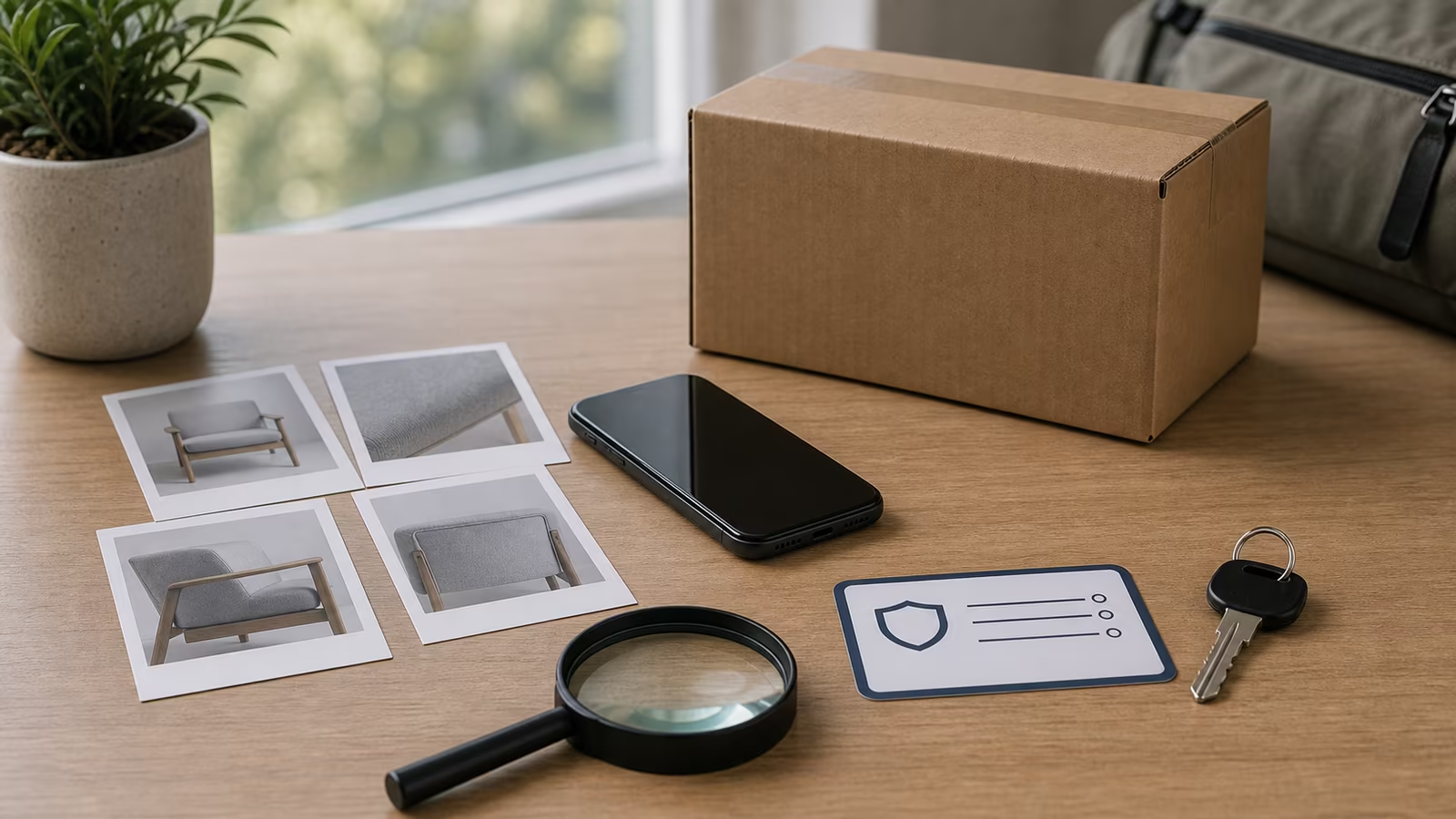
The calm check starts by making the item boring on purpose. Compare photos, serial details when appropriate, condition language, seller history, price, location, shipping story, and payment request. If the story only works when you ignore one mismatch at a time, the deal is not clean. Walk away before the desire to own it becomes part of the evidence.
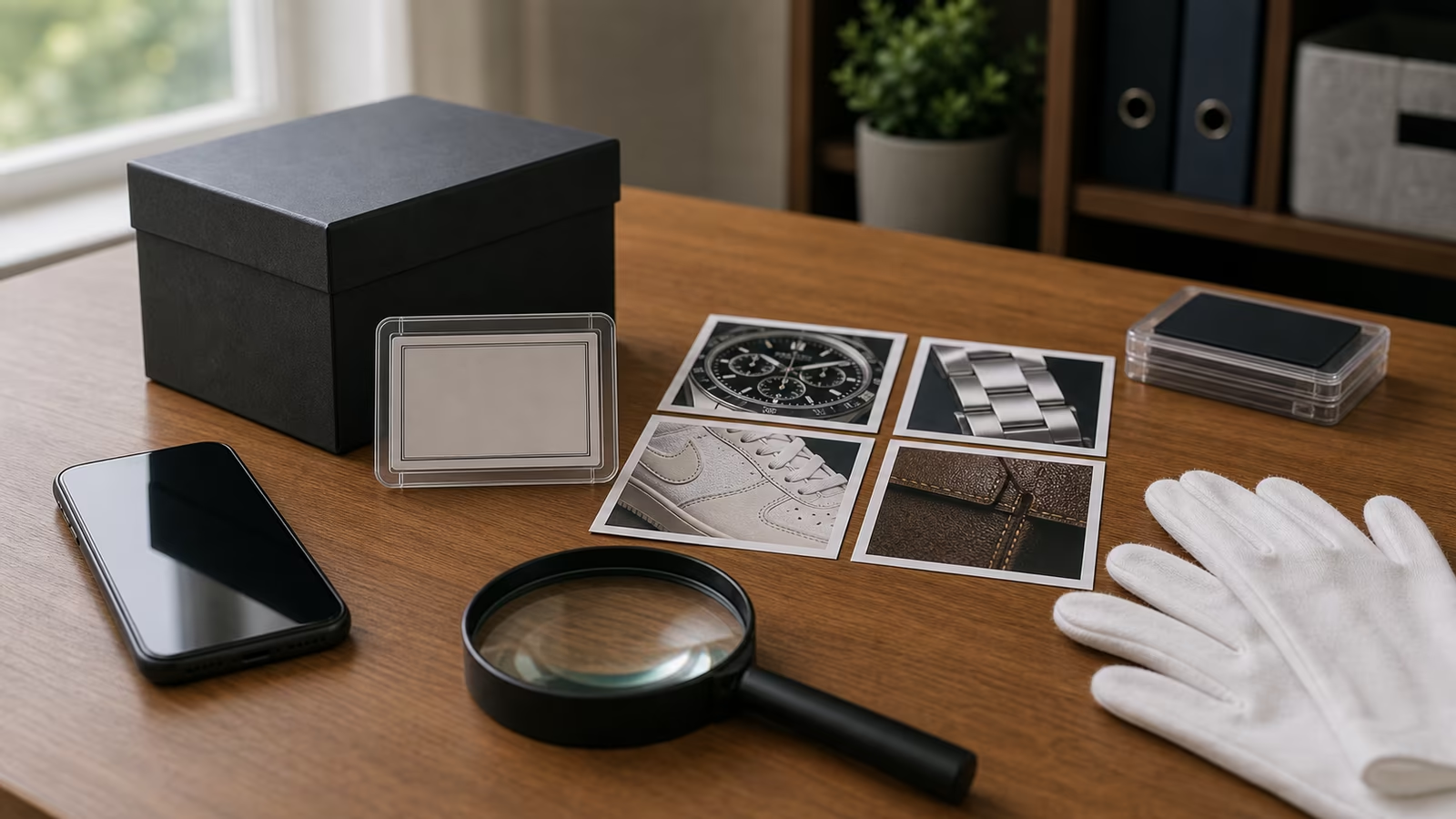
For watch, sneaker, ticket, and collectible listing verification, a good check should leave you with one of three outcomes. You can continue through a safer route, stop because the claim failed basic verification, or escalate because money, access, identity, threats, minors, intimate material, or legal concerns are involved. The win is not exposing a stranger on the internet. The win is making the next move from steady ground.
Quick facts
| Question | Practical answer |
|---|---|
| Level | Intermediate |
| Time | 12 minutes |
| First move | Pause before clicking, paying, reposting, downloading, replying, sharing a code, or keeping a secret. |
| Stronger proof | Use a known channel, official source, original context, and preserved evidence instead of caller ID, screenshots, vibes, or one detector result. |
| Escalate when | Money, credentials, account access, intimate images, minors, threats, impersonation, or legal concerns are involved. |
What this helps you decide
This guide helps you decide whether a high-demand listing has enough provenance, platform protection, and seller consistency to keep considering.
Plain definitions
| Term | Plain meaning |
|---|---|
| Provenance claim | A statement about origin, ownership, authenticity, receipt, serial number, or transfer history. |
| Escrow | A payment arrangement where a trusted intermediary holds funds until conditions are met. |
| Spec mismatch | A detail that does not match the claimed model, date, edition, size, or condition. |
The practical workflow
| Step | What to do |
|---|---|
| Start with category risk | Tickets, watches, sneakers, and limited goods each have different verification norms. |
| Check images carefully | Reverse search, inspect consistency, and avoid training sellers with exact prompts. |
| Use platform rules | Stay where buyer protection, authentication, or escrow is real. |
| Walk away cleanly | A good listing can survive a normal verification step. |
A grounded example
A rare watch appears at a price that is not impossible, just low enough to feel lucky. The seller has polished photos, a believable reason for selling, and several people supposedly waiting. Instead of negotiating from excitement, ask for a current harmless proof photo, compare details with known references, keep the conversation on platform, and choose a payment path with dispute options. A real seller may be mildly annoyed by care. A fake seller often becomes urgent, wounded, or strangely complicated the moment ordinary proof is requested.
Keep the decision reversible
The safest verification move is usually small, private, and reversible. Do not escalate the drama just to feel decisive. Save the message, close the pressure path, open the account or contact through a route you already trust, and ask one narrow question: what would I see if this were real? That habit protects money, accounts, relationships, and reputation because it avoids the two common overreactions: obeying too quickly or publicly accusing too quickly.
A good check also protects the future version of you who may need records. Keep links, handles, screenshots, times, payment details, and platform names in one private note. Do not send more codes, documents, deposits, or intimate material while the claim is unresolved. If the issue turns out to be legitimate, you can continue from a cleaner channel. If it fails verification, you have stopped without making a larger mess.
Common mistakes
- Treating a receipt image as proof by itself.
- Sharing too many details about what would fool you.
- Paying by irreversible transfer for a scarce item.
- Ignoring the official platform policy for tickets or authentication.
Try this next
- Use marketplace seller check first if the item is ordinary.
- Use Watch Collector’s Guide for watch-specific ownership and care.
- Use engagement-ring seller checks for high-value jewelry.
- Keep the next guide handy: Pet, Breeder, and Rescue Listing Scams .
- If you arrived here after another check, compare it with Marketplace Seller Check: Photos, Payment, Pickup, and Pressure .
Related Fondsites path
- Watch Collector’s Guide
- Engagement Ring Guide
- Mechanical Keyboard Guide
- Reality Check Desk guidebook shelf
Safety and source check
Do not use this guide to confront suspects, collect more dangerous material, or test whether you can trick someone back. Keep records private, use official support paths, and involve a trusted person when money, credentials, intimate images, minors, threats, or legal issues are involved.