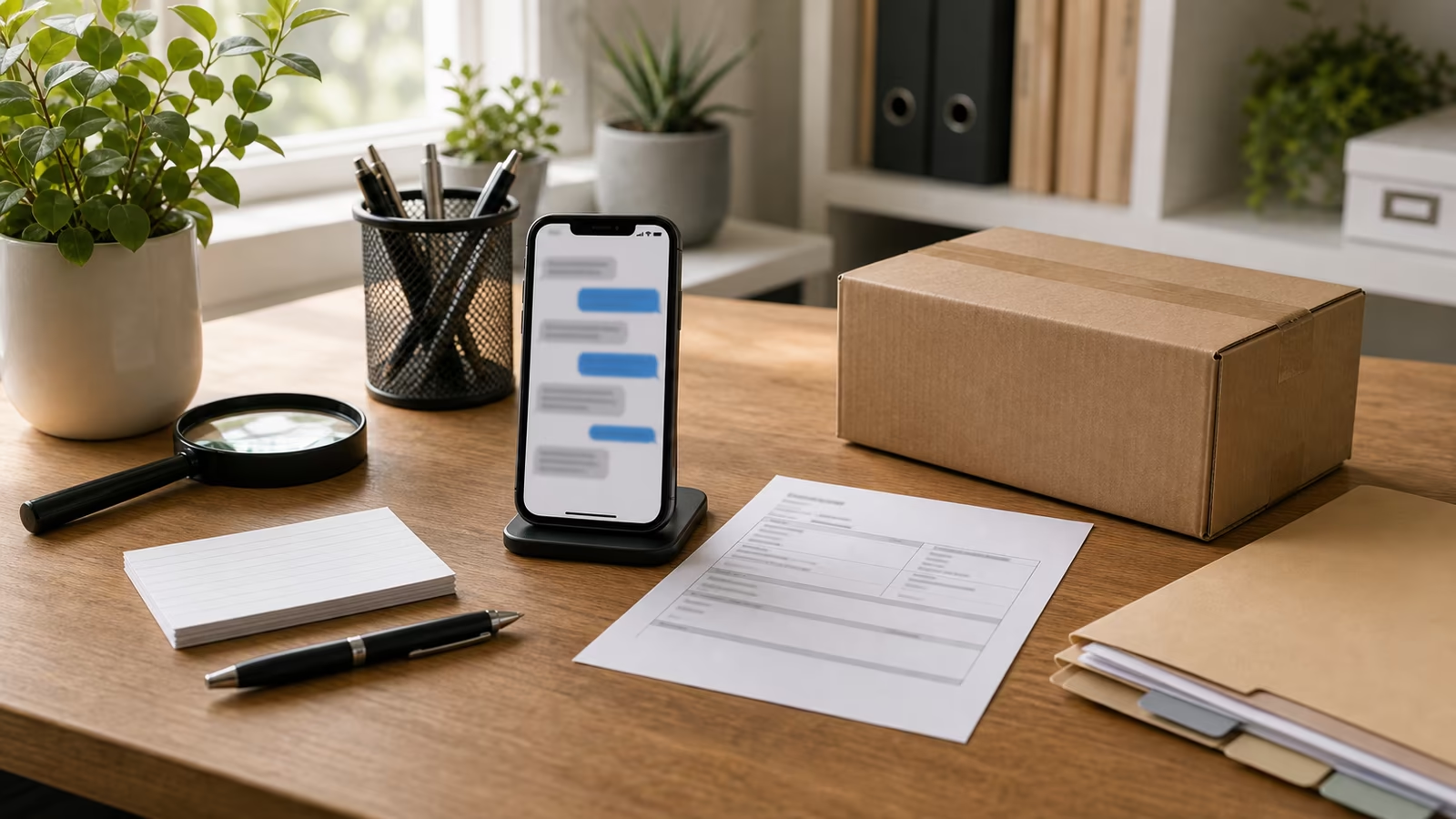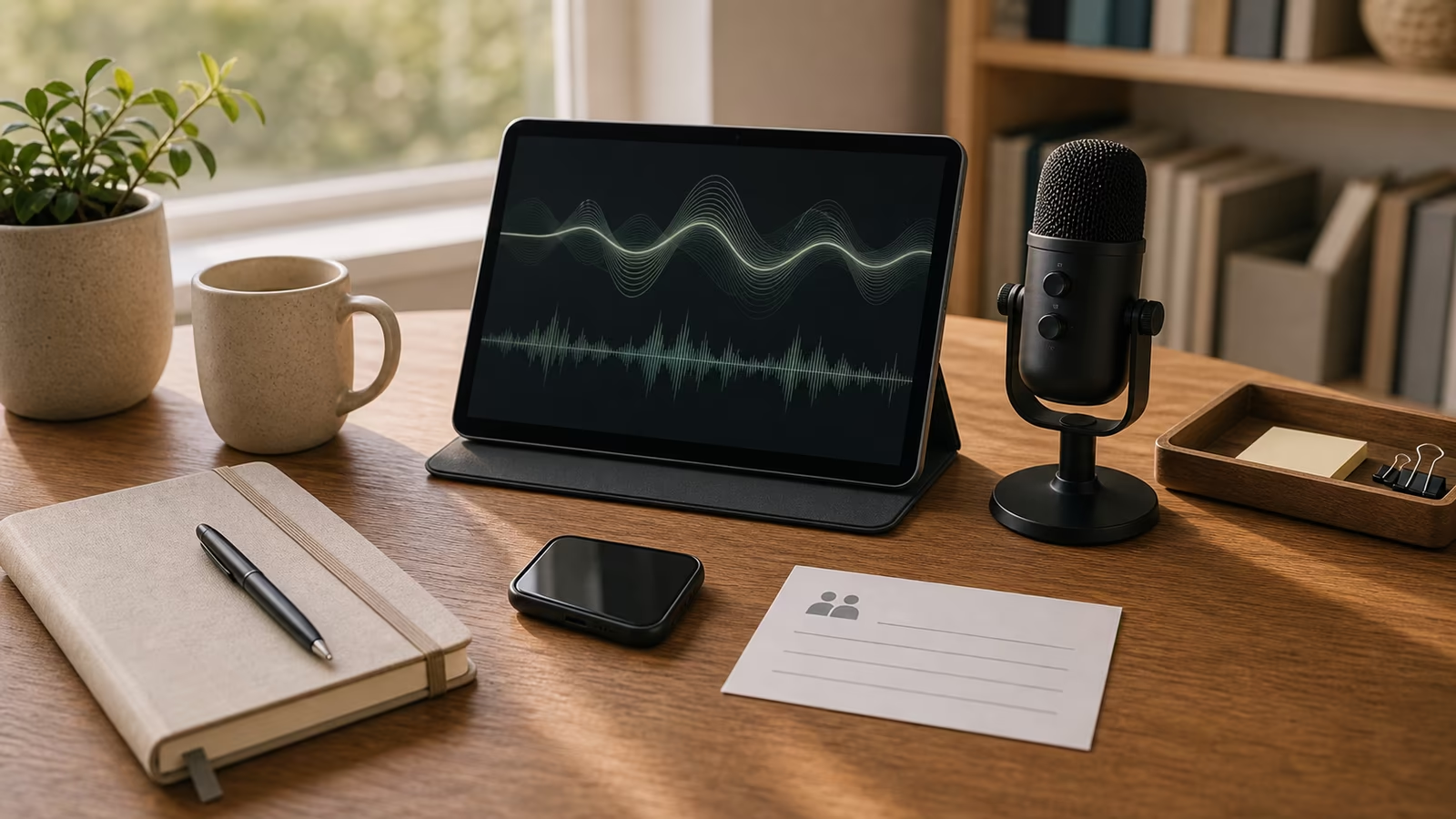
Reality Check Desk helps you check what is real before you trust, pay, repost, download, panic, or share. It is a practical guide to AI voices, deepfake videos, fake screenshots, suspicious texts, seller pressure, content credentials, reverse image search, and calm verification habits.
Pause. Check the source. Verify through a known channel. Keep evidence. Act calmly.
Start here
If you are new, begin with Reality Check Quickstart , then Known-Channel Callback , then Family Safe Word for AI Voice Scams . If you are checking a photo, video, or screenshot, use the provenance and reverse-search guides. If money has already moved, start with What To Do If You Sent Money to a Scammer and the reporting guides.
Useful diagnostic
Learning paths
Pause rule, known-channel callback, suspicious texts, safe words, and evidence notes.
AI images, reverse image search, screenshots, deepfake video calls, and Content Credentials.
Marketplace sellers, romance scams, celebrity investments, charities, payment methods, and pressure scripts.
After sending money, account compromise, recovery scams, evidence notes, reporting, and takedowns.
Teen safety, creator likeness, family routines, community rumors, and supportive response plans.
Choose by question
Check toll, bank, package, utility, and government-style messages without tapping first.
Use safe words, callbacks, and secondary contacts when a voice sounds familiar but pressure is high.
Look for original posts, dates, account context, and what the crop may hide.
Check photos, profile history, payment paths, pickup stories, and scarcity pressure.
Read provenance as useful context without treating it as universal proof.
Stop further payments, contact the provider, preserve evidence, report, and avoid recovery scams.
Preserve evidence, request takedowns, secure accounts, and get support without spreading the material.
Match the problem to FTC, IC3, platform, bank, local, school, workplace, or child-safety channels.
Reality Check Desk rule
Pressure is a clue. Known-channel verification beats urgency, screenshots, caller ID, and vibes.
Official-source habit
Use current official sources for reporting, consumer guidance, cyber safety, platform takedowns, and provenance standards. Start with FTC consumer scam guidance , ReportFraud.gov , FBI IC3 , CISA phishing guidance , Content Credentials Verify , and the C2PA specification . Do not overclaim, and do not treat AI detectors as proof.